
Antyeshti (Hindu Funeral) Rites and Customs
A comprehensive guide to Antyeshti, the Hindu funeral rites and customs
Affiliate disclosure: Sanatan Hindu participates in the Amazon Associates Programme and the CueLinks affiliate network (Myntra & Flipkart). This page contains affiliate links, if you click and buy, we earn a small commission at no extra cost to you. As an Amazon Associate we earn from qualifying purchases. Full disclosure.
Next Pitru Paksha Begins
Thursday, 16 September 2027· in 333 days
Set a reminder so you never miss Pitru Paksha Begins.
Introduction
Significance
Auspicious Time
Find your exact auspicious time Check the shubh muhurat and choghadiya for your city and date.
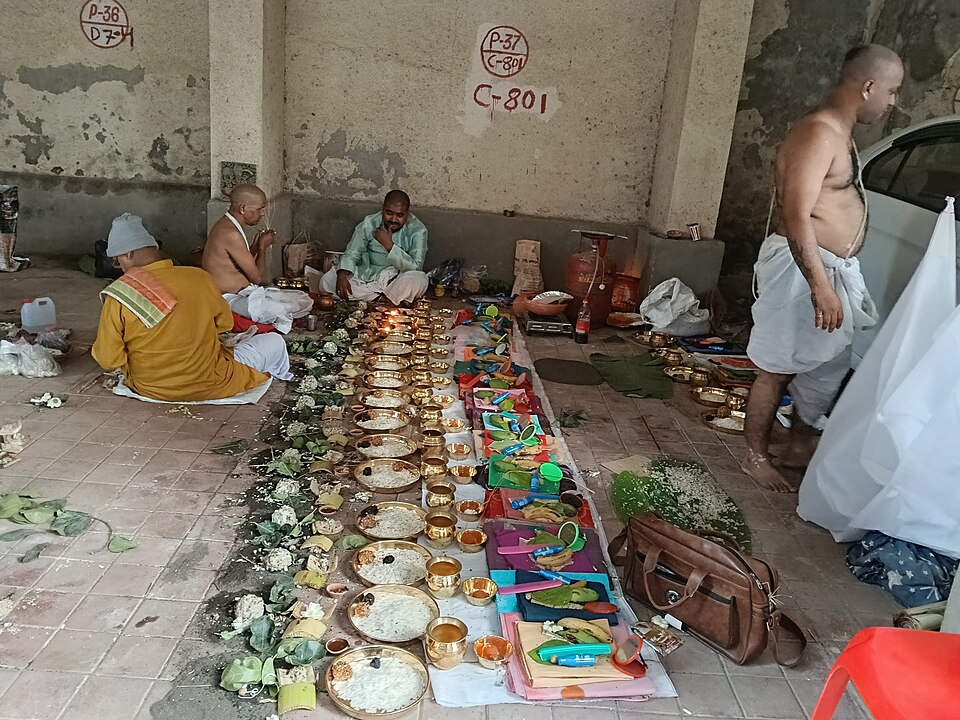
Required Samagri (Materials)
Preparation Steps
- 1Preparing the body for cremation
- 2Gathering the required samagri
- 3Building the funeral pyre
- 4Performing the preliminary rituals
Ritual Steps
- 1The ritual begins with the preparation of the body, which involves washing, dressing, and adorning the deceased with flowers and sandalwood paste.
- 2The funeral pyre is then built, and the body is placed on it.
- 3The preliminary rituals, including the offering of ghee, sesame seeds, and rice, are performed to purify the body and the surroundings.
- 4The main ritual, known as the 'mukhagni', involves the lighting of the funeral pyre by the chief mourner, usually the eldest son or a close relative.
- 5The ritual concludes with the performance of the 'sapindikarana', which involves the offering of rice balls to the deceased, and the 'shraddha', which involves the offering of food and other items to the ancestors.
Mantras
Om Shanti Mantra
ॐ शान्तिः शान्तिः शान्तिः
Om Shanti Shanti Shanti
Meaning: Om, peace, peace, peace
Om Tryambakam Mantra
ॐ त्र्यंबकं यजामहे सुगन्धिम् पुष्टिवर्धनम्
Om Tryambakam Yajamahe Sugandhim Pushtivardhanam
Meaning: Om, we worship the three-eyed one, who is fragrant and nourishing
Do's
- ✓Perform the ritual with sincerity and devotion
- ✓Follow the traditional customs and practices
- ✓Respect the deceased and the ancestors
- ✓Seek guidance from a learned pandit or a family elder
Don'ts
- ✗Do not perform the ritual with haste or negligence
- ✗Do not ignore the traditional customs and practices
- ✗Do not show disrespect to the deceased or the ancestors
- ✗Do not seek to gain personal benefits from the ritual
Common Mistakes to Avoid
- •Not performing the ritual within the prescribed time limit
- •Not following the traditional customs and practices
- •Not seeking guidance from a learned pandit or a family elder
- •Not showing respect to the deceased and the ancestors
Regional Variations
- •The ritual may vary depending on the region, with some regions having their own unique customs and practices.
- •The use of specific materials, such as sandalwood or tulsi leaves, may also vary depending on the region.
Frequently Asked Questions
What is the significance of Antyeshti in Hinduism?▾
What are the required samagri for Antyeshti?▾
Popular Tools
References & Traditional Notes
- •The ritual is described in detail in the Garuda Purana and the Manusmriti.
- •The use of specific materials, such as sandalwood or tulsi leaves, is mentioned in the traditional texts.
Related Audio & Bhajans
Affiliate disclosure: Sanatan Hindu participates in the Amazon Associates Programme and the CueLinks affiliate network (Myntra & Flipkart). This page contains affiliate links, if you click and buy, we earn a small commission at no extra cost to you. As an Amazon Associate we earn from qualifying purchases. Full disclosure.
Shop Samagri on Amazon.in
Clicking opens Amazon.in. Prices and availability may vary.
Browse all pooja itemsAmazon Associates tag: geekydevelope-21
Shop Pooja & Festive Essentials on Flipkart
Clicking opens Flipkart via our affiliate link. Prices and availability may vary.
Shop on FlipkartCueLinks Publisher: 300371
Shop Festive Wear on Myntra
Clicking opens Myntra via our affiliate link. Prices and availability may vary.
CueLinks Publisher: 300371
Need a website? Describe it, and AI builds it.
Perfect for a temple, pooja service, astrology practice or small shop. Tell the AI what you want — or drag and drop the classic way — and go live on your own web address in minutes with Sitova. Hosting, SEO, forms and analytics are all included.
- Build with AI or drag & drop
- Your domain + SEO built in
- Free forever plan
Opens sitova.site