
नवरात्रि गरबा और डांडिया — सांस्कृतिक महत्व
नवरात्रि के दौरान पारंपरिक नृत्यों गरबा और डांडिया के सांस्कृतिक महत्व को जानें
एफ़िलिएट प्रकटीकरण: सनातन हिंदू अमेज़न एसोसिएट्स प्रोग्राम और CueLinks एफ़िलिएट नेटवर्क (मिंत्रा और फ्लिपकार्ट) में भाग लेता है। इस पृष्ठ पर एफ़िलिएट लिंक हैं: यदि आप क्लिक करके खरीदते हैं तो हमें एक छोटा कमीशन मिलता है, आप पर बिना किसी अतिरिक्त लागत के। अमेज़न एसोसिएट के रूप में हम पात्र खरीद से कमाते हैं। पूरा प्रकटीकरण।
Next Chaitra Navratri Begins
Wednesday, 7 April 2027· in 171 days
Set a reminder so you never miss Chaitra Navratri Begins.
परिचय
महत्व
कब मनाएं
अपना सटीक शुभ समय जानें अपने शहर और तिथि के लिए शुभ मुहूर्त और चौघड़िया देखें।
आवश्यक सामग्री
तैयारी कैसे करें
- 1नृत्य कार्यक्रम के लिए उपयुक्त स्थान चुनें
- 2संगीत और ध्वनि उपकरण की योजना बनाएं
- 3पारंपरिक पहनावा और सहायक उपकरण चुनें
- 4डांडिया स्टिक और गरबा पॉट तैयार करें (यदि लागू हो)
- 5नृत्य चालों और संरचनाओं का पूर्वाभ्यास करें
कैसे मनाएं
- 1उपयुक्त रोशनी और सजावट के साथ स्थल की स्थापना करके शुरू करें
- 2माहौल बनाने के लिए पारंपरिक नवरात्रि संगीत बजाएं
- 3एक घेरा बनाएं और गरबा नृत्य शुरू करें, दक्षिणावर्त दिशा में घूमें
- 4नृत्य में लय और ऊर्जा जोड़ने के लिए डांडिया स्टिक का उपयोग करें
- 5आराम करने और तरोताजा होने के लिए ब्रेक लें, और पारंपरिक स्नैक्स और पेय का आनंद लें
- 6देर रात तक, या निर्धारित समय के अनुसार नृत्य जारी रखें
मंत्र
Jay Adya Shakti
जय आद्य शक्ति
Jaya Aadya Shakti
अर्थ: Victory to the primal power
Aarti: Jai Ambe Gauri
जय अम्बे गौरी
Jaya Ambe Gauri
अर्थ: Victory to Mother Gauri
पालन के नियम
- •नवरात्रि के नौ दिनों के दौरान उपवास रखें या विशिष्ट आहार का पालन करें
- •मांसाहारी भोजन और नशीले पदार्थों से बचें
- •ध्यान और योग जैसी आध्यात्मिक प्रथाओं में संलग्न हों
- •सामुदायिक कार्यक्रमों और उत्सवों में भाग लें
करें
- ✓उत्साह और ऊर्जा के साथ गरबा और डांडिया नृत्य में भाग लें
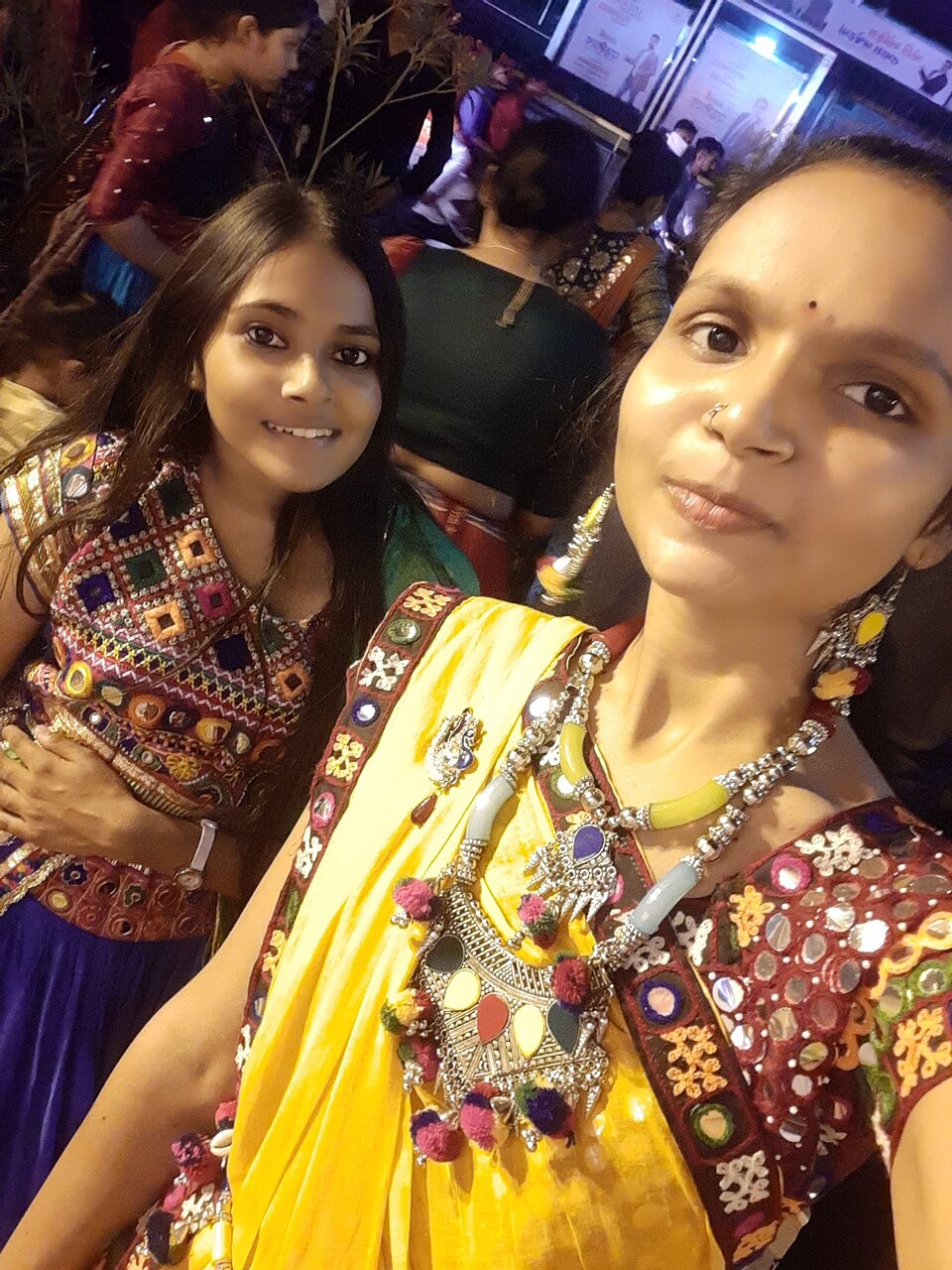
- ✓उत्सवी माहौल को बढ़ाने के लिए पारंपरिक पहनावा और सहायक उपकरण पहनें
- ✓त्योहार के सांस्कृतिक और धार्मिक महत्व का सम्मान करें
- ✓कार्यक्रम के आयोजकों के निर्देशों का पालन करें और स्थल का सम्मान करें
न करें
- ✗ऐसा कोई व्यवहार न करें जो त्योहार या प्रतिभागियों का अपमान करता हो
- ✗अत्यधिक शोर करने या शांति भंग करने से बचें
- ✗कचरा न फैलाएं या स्थल या आसपास को नुकसान न पहुँचाएं
- ✗ऐसी तस्वीरें या वीडियो लेने से बचें जो प्रतिभागियों को परेशान कर सकें
सामान्य गलतियाँ
- •पारंपरिक ड्रेस कोड या शिष्टाचार का पालन न करना
- •नृत्य संरचनाओं को बाधित करना या अन्य प्रतिभागियों को परेशान करना
- •त्योहार के सांस्कृतिक और धार्मिक महत्व का सम्मान न करना
- •कार्यक्रम के आयोजकों के निर्देशों का पालन न करना
क्षेत्रीय विविधताएँ
- •गरबा और डांडिया नृत्य की शैली और गति विभिन्न क्षेत्रों में भिन्न हो सकती है
- •पारंपरिक पहनावा और सहायक उपकरण क्षेत्र और समुदाय के आधार पर भिन्न हो सकते हैं
- •त्योहार को देश के विभिन्न हिस्सों में अलग-अलग रीति-रिवाजों और अनुष्ठानों के साथ मनाया जा सकता है
अक्सर पूछे जाने वाले प्रश्न
गरबा नृत्य का क्या महत्व है?▾
गरबा और डांडिया में क्या अंतर है?▾
लोकप्रिय टूल
संदर्भ और पारंपरिक टिप्पणियाँ
- •नवरात्रि का त्योहार हिंदू शास्त्रों जैसे पुराणों और महाभारत में उल्लिखित है
- •गरबा और डांडिया नृत्य की जड़ें गुजरात और भारत के अन्य हिस्सों के पारंपरिक लोक नृत्यों में हैं
- •त्योहार को देश के विभिन्न हिस्सों में अलग-अलग रीति-रिवाजों और अनुष्ठानों के साथ मनाया जाता है
Related Audio & Bhajans
Goddess
एफ़िलिएट प्रकटीकरण: सनातन हिंदू अमेज़न एसोसिएट्स प्रोग्राम और CueLinks एफ़िलिएट नेटवर्क (मिंत्रा और फ्लिपकार्ट) में भाग लेता है। इस पृष्ठ पर एफ़िलिएट लिंक हैं: यदि आप क्लिक करके खरीदते हैं तो हमें एक छोटा कमीशन मिलता है, आप पर बिना किसी अतिरिक्त लागत के। अमेज़न एसोसिएट के रूप में हम पात्र खरीद से कमाते हैं। पूरा प्रकटीकरण।
Amazon.in पर पूजा सामग्री खरीदें
क्लिक करने पर Amazon.in खुलता है। कीमत और उपलब्धता बदल सकती है।
सभी पूजा वस्तुएँ देखेंअमेज़न एसोसिएट्स टैग: geekydevelope-21
फ्लिपकार्ट पर पूजा और त्योहारी सामग्री खरीदें
क्लिक करने पर हमारे एफ़िलिएट लिंक से फ्लिपकार्ट खुलता है। कीमत और उपलब्धता बदल सकती है।
फ्लिपकार्ट पर खरीदेंCueLinks प्रकाशक: 300371
मिंत्रा पर त्योहारी परिधान खरीदें
क्लिक करने पर हमारे एफ़िलिएट लिंक से मिंत्रा खुलता है। कीमत और उपलब्धता बदल सकती है।
CueLinks प्रकाशक: 300371
Need a website? Describe it, and AI builds it.
Perfect for a temple, pooja service, astrology practice or small shop. Tell the AI what you want — or drag and drop the classic way — and go live on your own web address in minutes with Sitova. Hosting, SEO, forms and analytics are all included.
- Build with AI or drag & drop
- Your domain + SEO built in
- Free forever plan
Opens sitova.site