
गोकर्ण महाबलेश्वर मंदिर: पवित्र आत्मलिंग और तटीय तीर्थयात्रा
गोकर्ण महाबलेश्वर मंदिर के आध्यात्मिक सार, आत्मलिंग की कथा, और अरब सागर तट की पवित्र समुद्र तट तीर्थयात्रा की खोज करें।
एफ़िलिएट प्रकटीकरण: सनातन हिंदू अमेज़न एसोसिएट्स प्रोग्राम और CueLinks एफ़िलिएट नेटवर्क (मिंत्रा और फ्लिपकार्ट) में भाग लेता है। इस पृष्ठ पर एफ़िलिएट लिंक हैं: यदि आप क्लिक करके खरीदते हैं तो हमें एक छोटा कमीशन मिलता है, आप पर बिना किसी अतिरिक्त लागत के। अमेज़न एसोसिएट के रूप में हम पात्र खरीद से कमाते हैं। पूरा प्रकटीकरण।
Next Maha Shivaratri
Saturday, 6 March 2027· in 139 days
Set a reminder so you never miss Maha Shivaratri.
परिचय
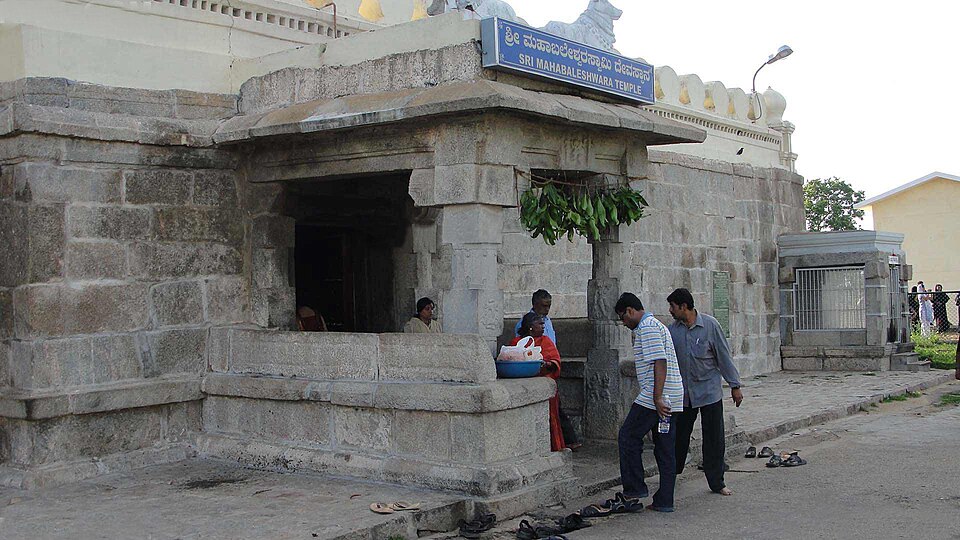
आत्मलिंग की कथा गोकर्ण की पहचान का केंद्र है। कहा जाता है कि लंका के राजा रावण ने भगवान शिव से आत्मलिंग—भगवान शिव की आत्मा—प्राप्त करने के लिए कठोर तपस्या की। रावण इस शक्ति को पाकर अजेय बनना चाहता था। हालांकि, भगवान गणेश के हस्तक्षेप से, जिन्होंने एक युवा ग्वाले का रूप धारण किया, लिंग को गोकर्ण में पृथ्वी पर रख दिया गया ताकि रावण इसे लंका न ले जा सके। लिंग इतना शक्तिशाली था कि यह भूमि में स्थिर हो गया, और रावण, इसे हिलाने में असमर्थ, केवल दूर से इसकी पूजा कर सका, इस पवित्र अवशेष को इस पवित्र स्थल पर पृथ्वी को आशीर्वाद देने के लिए छोड़ दिया। यह कथा अहंकार, दिव्य इच्छा और ब्रह्मांडीय नियम की अपरिहार्य प्रकृति के विषयों को उजागर करती है।
आध्यात्मिक रूप से, गोकर्ण को हिंदू धर्म में 'सप्त पुरी' (सात सबसे पवित्र नगरों) में से एक माना जाता है, जो इसे अत्यधिक पुण्य का गंतव्य बनाता है। नगर का भूगोल इसकी आध्यात्मिकता के साथ विशिष्ट रूप से एकीकृत है; अरब सागर की उपस्थिति एक प्राकृतिक शुद्धिकरण तत्व प्रदान करती है, जहां लहरों को सागर देवता की लयबद्ध श्वास के रूप में देखा जाता है। मंदिर की तट रेखा से निकटता एक अद्वितीय तीर्थयात्रा अनुभव बनाती है जहां समुद्र का 'तीर्थ' (पवित्र जल) लिंग के 'अभिषेक' (अनुष्ठान स्नान) का पूरक है। एक नवागंतुक के लिए, गोकर्ण अराजक भौतिक संसार से आंतरिक आत्मा की शांति तक की यात्रा का प्रतिनिधित्व करता है, जो टूटती लहरों से मौन गर्भगृह तक की गति द्वारा दर्शाया गया है।
सांस्कृतिक रूप से, मंदिर आगमिक परंपराओं का पालन करता है और विभिन्न शैव परंपराओं का केंद्र बिंदु है। वातावरण कपूर, चंदन और धूप की सुगंध से भरा होता है, जिसके साथ वैदिक भजनों का लयबद्ध जाप होता है। चाहे कोई भक्त हो या ऐतिहासिक गहराई का साधक, महाबलेश्वर मंदिर इतिहास, पौराणिक कथाओं और गहन शांति का एक स्तरित अनुभव प्रदान करता है। यह एक ऐसा स्थान है जहां भौतिक और आध्यात्मिक के बीच का पर्दा असाधारण रूप से पतला माना जाता है, जो हर तीर्थयात्री को भीतर देखने और महाबलेश्वर की कृपा से अपनी 'आत्मा' (आत्मा) को खोजने के लिए आमंत्रित करता है।
महत्व
पुराणिक दृष्टिकोण से, मंदिर अत्यधिक 'पुण्य' (आध्यात्मिक गुण) का स्थल है। माना जाता है कि गोकर्ण की तीर्थयात्रा, विशेष रूप से समुद्र में अनुष्ठान स्नान और उसके बाद लिंग के दर्शन, गहरे 'संचित कर्म' (संचित पिछले कर्मों) को धो सकते हैं। गोकर्ण की विशिष्ट स्थलाकृति—'गोकर्ण क्षेत्र'—को एक पवित्र ज्यामिति माना जाता है जहां पृथ्वी और समुद्र की ऊर्जाएं मिलती हैं। यह इसे स्पष्टता, शुद्धिकरण और कर्म ऋणों के समाधान की तलाश करने वालों के लिए एक शुभ स्थान बनाता है।
ज्योतिषीय और ब्रह्मांडीय रूप से, यह स्थल ग्रहीय ऊर्जाओं के स्थिरीकरण से जुड़ा हुआ है। कई चिकित्सकों का मानना है कि गोकर्ण में अनुष्ठान करने से शनि (शनि) और राहु के हानिकारक प्रभावों को कम करने में मदद मिलती है, क्योंकि शिव समय (महाकाल) और ब्रह्मांडीय व्यवस्था के स्वामी हैं। मंदिर 'काशी-अयोध्या-मथुरा-गोकर्ण' सर्किट का एक महत्वपूर्ण हिस्सा भी है, जो उत्तर और दक्षिण भारतीय तीर्थयात्रा मार्गों के लिए एक आध्यात्मिक रीढ़ बनाता है, जो हिंदू धर्म के विभिन्न भौगोलिक और सांस्कृतिक क्षेत्रों को जोड़ता है।
इसके अलावा, मंदिर तटीय कर्नाटक क्षेत्र की परंपराओं के लिए एक सांस्कृतिक भंडार के रूप में कार्य करता है। यहां मनाए जाने वाले अनुष्ठान, वास्तुकला और त्योहार वैदिक रूढ़िवाद और स्थानीय लोक परंपराओं के सामंजस्यपूर्ण मिश्रण को दर्शाते हैं। समुदाय के लिए, मंदिर सामाजिक और आध्यात्मिक जीवन की धड़कन है, जहां चंद्रमा और मौसम के चक्र पूजा की लय निर्धारित करते हैं। इस मंदिर के दर्शन का 'फल' (परिणाम) विभिन्न ग्रंथों में 'शांति' (शांति), 'भुक्ति' (सांसारिक समृद्धि), और 'मुक्ति' (आध्यात्मिक मुक्ति) की प्राप्ति के रूप में वर्णित है, जो मानव अनुभव की समग्र आवश्यकताओं को पूरा करता है।
शुभ समय
अपना सटीक शुभ समय जानें अपने शहर और तिथि के लिए शुभ मुहूर्त और चौघड़िया देखें।
आवश्यक सामग्री
तैयारी के चरण
- 1पवित्रता की भावना के साथ व्यक्तिगत शुद्धिकरण (स्नान) करें।
- 2स्वच्छ, पारंपरिक कपड़े पहनें (पुरुषों के लिए धोती, महिलाओं के लिए साड़ी/सलवार)।
- 3तीर्थयात्रा से पहले उपवास करें या हल्का, सात्विक भोजन ग्रहण करें।
- 4मंदिर परिसर में प्रवेश करने से पहले मन को केंद्रित करने के लिए भगवान शिव पर ध्यान करें।
- 5सुनिश्चित करें कि यदि आप किसी पुजारी के माध्यम से कोई विशेष पूजा करना चाहते हैं तो आवश्यक प्रसाद तैयार है।
चरण
- 1चरण 1: 'संकल्प' करें—हाथ में जल लें और अपना नाम, वंश, और तीर्थयात्रा के लिए अपना उद्देश्य बताएं।
- 2चरण 2: गोकर्ण समुद्र तट पर अरब सागर में पवित्र डुबकी लगाकर भौतिक शरीर को शुद्ध करें।
- 3चरण 3: स्थानीय रीति के अनुसार जूते उतारकर श्रद्धा के साथ महाबलेश्वर मंदिर में प्रवेश करें।
- 4चरण 4: मंदिर के गर्भगृह की घड़ी की दिशा में 'प्रदक्षिणा' (परिक्रमा) करें।
- 5चरण 5: आत्मलिंग को बिल्व पत्र अर्पित करें, यह सुनिश्चित करते हुए कि तीनों पत्ते बरकरार हैं।
- 6चरण 6: यदि अभिषेक कर रहे हैं, तो पंचाक्षरी मंत्र का जाप करते हुए लिंग पर दूध, शहद, और जल अर्पित करें।
- 7चरण 7: कपूर का दीया जलाएं और देवता को प्रार्थना अर्पित करें।
- 8चरण 8: गर्भगृह के आध्यात्मिक कंपन को अवशोषित करने के लिए कुछ क्षण मौन ध्यान में बैठें।
मंत्र
Panchakshari Mantra
ॐ नमः शिवाय
Om Namah Shivaya
अर्थ: I bow to Lord Shiva (the auspicious one).
Mahamrityunjaya Mantra
ॐ त्र्यम्बकं यजामहे सुगन्धिं पुष्टिवर्धनम्। उर्वारुकमिव बन्धनान्मृत्योर्मुक्षीय माऽमृतात्॥
Om Tryambakam Yajamahe Sugandhim Pushti-Vardhanam | Urvarukamiva Bandhanan Mrityor Mukshiya Maamritat ||
अर्थ: We worship the Three-Eyed One (Lord Shiva), who is fragrant and nourishes all beings. As the cucumber is freed from its bond to the vine, may He liberate us from death for the sake of immortality.
दिशानिर्देश
- •तीर्थयात्रा के दौरान सख्त ब्रह्मचर्य (ब्रह्मचर्य) बनाए रखें।
- •सात्विक आहार का पालन करें (प्याज, लहसुन, और मांसाहारी भोजन से बचें)।
- •जहां संभव हो मौन (मौन) का अभ्यास करें ताकि आध्यात्मिक ऊर्जा संरक्षित रहे।
- •सह-तीर्थयात्रियों के प्रति कठोर वचन या क्रोध से बचें।
करें
- ✓शिव लिंग को बिल्व पत्र अर्पित करें।
- ✓मंदिर में प्रवेश से पहले समुद्र में स्नान करें।
- ✓स्थानीय रीति-रिवाजों और ड्रेस कोड का सम्मान करें।
- ✓यदि संभव हो तो संध्या आरती में भाग लें।
न करें
- ✗यदि स्थानीय परंपरा द्वारा निषिद्ध हो तो आंतरिक गर्भगृह में प्रवेश न करें।
- ✗मुख्य मंदिर के अंदर तस्वीरें न लें जब तक स्पष्ट रूप से अनुमति न दी गई हो।
- ✗यदि आप नामित पुजारी नहीं हैं तो लिंग को सीधे न छुएं।
- ✗मंदिर परिसर के भीतर तेज़ बातचीत से बचें।
सामान्य गलतियाँ
- •मंदिर के पुजारी के मार्गदर्शन के बिना अभिषेक करने का प्रयास करना।
- •समुद्र स्नान के महत्व को नज़रअंदाज़ करना, जो गोकर्ण परंपरा का एक महत्वपूर्ण हिस्सा है।
- •तीर्थयात्रा को केवल एक पर्यटन भ्रमण मानना बजाय आध्यात्मिक यात्रा के।
- •मंदिर के विशिष्ट ड्रेस कोड का सम्मान करने में विफल रहना।
क्षेत्रीय विविधताएँ
- •कुछ दक्षिण भारतीय परंपराओं में विशिष्ट प्रकार के फूल पसंद किए जाते हैं, जबकि उत्तर भारतीय परंपराओं में अलग प्रसाद आम हो सकते हैं।
- •समुद्र स्नान करने की विधि विभिन्न पारिवारिक वंशों (संप्रदायों) के बीच भिन्न हो सकती है।
- •स्थानीय मंदिर प्रशासन के आगमिक पालन के आधार पर अनुष्ठान के समय में थोड़ा अंतर हो सकता है।
अक्सर पूछे जाने वाले प्रश्न
क्या कोई भी आत्मलिंग का अभिषेक कर सकता है?▾
क्या मंदिर के लिए कोई ड्रेस कोड है?▾
गोकर्ण में समुद्र का क्या महत्व है?▾
लोकप्रिय टूल
संदर्भ और पारंपरिक टिप्पणियाँ
- •कथाएं मुख्य रूप से स्कंद पुराण से ली गई हैं।
- •स्थानीय परंपराएं मंदिर के पुजारियों द्वारा पालन किए जाने वाले विशिष्ट आगमों द्वारा शासित हैं।
- •'गोकर्ण क्षेत्र' का महत्व विभिन्न शैव साहित्य में प्रलेखित है।
Related Audio & Bhajans
एफ़िलिएट प्रकटीकरण: सनातन हिंदू अमेज़न एसोसिएट्स प्रोग्राम और CueLinks एफ़िलिएट नेटवर्क (मिंत्रा और फ्लिपकार्ट) में भाग लेता है। इस पृष्ठ पर एफ़िलिएट लिंक हैं: यदि आप क्लिक करके खरीदते हैं तो हमें एक छोटा कमीशन मिलता है, आप पर बिना किसी अतिरिक्त लागत के। अमेज़न एसोसिएट के रूप में हम पात्र खरीद से कमाते हैं। पूरा प्रकटीकरण।
Amazon.in पर पूजा सामग्री खरीदें
क्लिक करने पर Amazon.in खुलता है। कीमत और उपलब्धता बदल सकती है।
सभी पूजा वस्तुएँ देखेंअमेज़न एसोसिएट्स टैग: geekydevelope-21
फ्लिपकार्ट पर पूजा और त्योहारी सामग्री खरीदें
क्लिक करने पर हमारे एफ़िलिएट लिंक से फ्लिपकार्ट खुलता है। कीमत और उपलब्धता बदल सकती है।
फ्लिपकार्ट पर खरीदेंCueLinks प्रकाशक: 300371
मिंत्रा पर त्योहारी परिधान खरीदें
क्लिक करने पर हमारे एफ़िलिएट लिंक से मिंत्रा खुलता है। कीमत और उपलब्धता बदल सकती है।
CueLinks प्रकाशक: 300371
Need a website? Describe it, and AI builds it.
Perfect for a temple, pooja service, astrology practice or small shop. Tell the AI what you want — or drag and drop the classic way — and go live on your own web address in minutes with Sitova. Hosting, SEO, forms and analytics are all included.
- Build with AI or drag & drop
- Your domain + SEO built in
- Free forever plan
Opens sitova.site