
Thanjavur Brihadeeswarar: UNESCO Heritage and Spiritual Significance
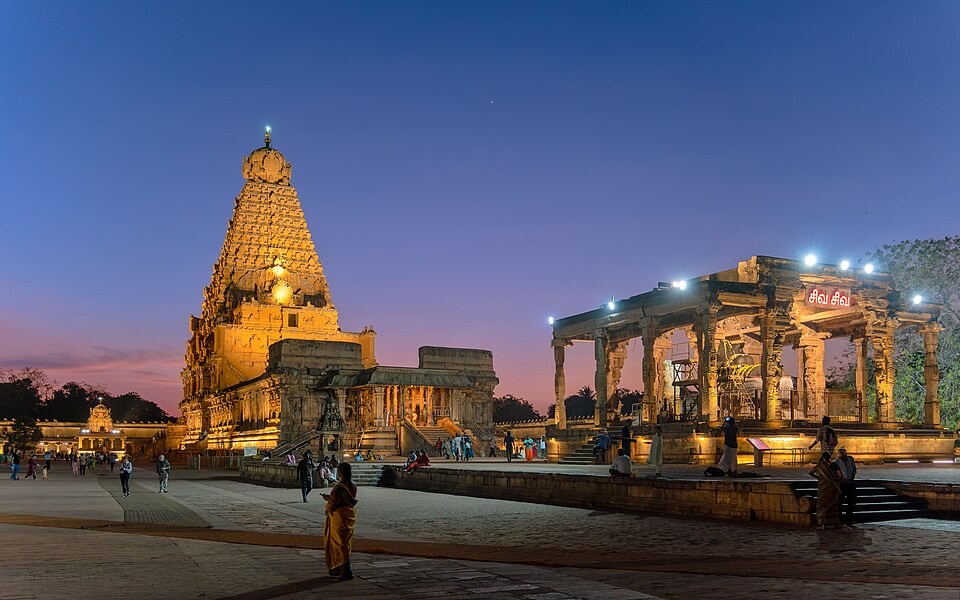
Explore the spiritual majesty and architectural brilliance of the Thanjavur Brihadeeswarar Temple, a UNESCO World Heritage site dedicated to Lord Shiva.
Affiliate disclosure: Sanatan Hindu participates in the Amazon Associates Programme and the CueLinks affiliate network (Myntra & Flipkart). This page contains affiliate links, if you click and buy, we earn a small commission at no extra cost to you. As an Amazon Associate we earn from qualifying purchases. Full disclosure.
Next Maha Shivaratri
Saturday, 6 March 2027· in 206 days
Set a reminder so you never miss Maha Shivaratri.
Introduction
Spiritually, the temple is dedicated to Lord Shiva in the form of Brihadeeswarar. The temple complex is designed to mirror the cosmic order, with every pillar, sculpture, and courtyard serving as a conduit for divine energy. For devotees, a visit to this sacred site is a pilgrimage that transcends physical sightseeing, offering a profound connection to the eternal essence of Mahadeva through the medium of ancient art and sacred geometry.
Significance
Auspicious Time
Find your exact auspicious time Check the shubh muhurat and choghadiya for your city and date.
Required Samagri (Materials)
Preparation Steps
- 1Perform a physical cleansing (Snanam) before proceeding to the temple.
- 2Dress in traditional attire: Veshti/Dhoti for men and Saree or traditional long skirts for women, adhering to the sanctity of the space.
- 3Cultivate a state of 'Shanti' (peace) through brief meditation or silent prayer to prepare the mind for Darshan.
- 4Ensure you have collected fresh Bilva leaves, as they are highly sacred to Lord Shiva.
Steps
- 1Enter the temple complex with reverence, acknowledging the sacred boundary (Prakaram).
- 2Perform Pradakshina (circumambulation) around the main sanctum in a clockwise direction, maintaining a meditative gait.
- 3Approach the Nandi (the sacred bull) and offer a silent prayer, acknowledging Nandi as the foremost devotee of Shiva.
- 4Offer Bilva leaves and Vibhuti to the Shiva Lingam during the designated Darshan timings.
- 5Observe the intricate carvings on the walls, treating them as visual scriptures.
- 6Sit in silence in one of the shaded corridors to absorb the spiritual vibrations (Spanda) of the temple.
- 7Light a small lamp (Deepam) if permitted in the designated areas to symbolize the removal of ignorance.
Mantras
Panchakshara Mantra
ॐ नमः शिवाय
Om Namah Shivaya
Meaning: I bow to Lord Shiva (the Auspicious One).
Maha Mrityunjaya Mantra
ॐ त्र्यम्बकं यजामहे सुगन्धिं पुष्टिवर्धनम्। उर्वारुकमिव बन्धनान्मृत्योर्मुक्षीय माऽमृतात्॥
Om Tryambakam Yajamahe Sugandhim Pushti-Vardhanam | Urvarukamiva Bandhanan Mrityor Mukshiya Maamritat ||
Meaning: We worship the three-eyed one (Lord Shiva), who is fragrant and nourishes all. As the ripened cucumber is freed from its bondage to the vine, may He liberate us from death for the sake of immortality.
Guidelines
- •Devotees observing a fast (Upavasa) during Shivaratri should maintain absolute purity in thought and deed.
- •Avoid consuming non-vegetarian food or alcohol for at least 24 hours before a major pilgrimage to the temple.
- •Follow a Sattvic diet (pure, vegetarian, fresh food) during the visit.
Do's
- ✓Maintain silence in the sanctum sanctorum.
- ✓Use traditional gestures of respect (Anjali Mudra/Namaste).
- ✓Respect the local temple priests and their rituals.
- ✓Walk clockwise during circumambulation.
Don'ts
- ✗Do not use flash photography inside the inner sanctum (check local regulations first).
- ✗Do not wear footwear inside the main temple complex.
- ✗Avoid loud conversations or disruptive behavior.
- ✗Do not touch the idols or sacred structures unless specifically instructed by a priest.
Common Mistakes to Avoid
- •Attempting to climb the Vimana or restricted areas for photos.
- •Ignoring the traditional dress code, which may result in restricted access.
- •Treating the visit as a mere tourist excursion rather than a spiritual experience.
Regional Variations
- •In Tamil Shaivite traditions, the focus is heavily on Bilva leaf offerings and Vibhuti. In other regions, devotees might prioritize different flowers or specific types of Naivedyam (food offerings).
- •Agamic rituals performed by the temple priests follow specific Shaiva Agamas, which may differ from personal household pooja methods.
Frequently Asked Questions
Is there a specific time to visit for the best spiritual experience?▾
Can I enter the temple if I am not Hindu?▾
Popular Tools
References & Traditional Notes
- •Traditional notes: The temple's architecture follows the principles of Shilpa Shastras.
- •Note on Sampradaya: Observances may vary between followers of Shaiva Siddhanta and those following different Smarta or Tantric traditions.
Related Audio & Bhajans
Spiritual Journey
The Stages of Spiritual Growth
Diwali Festival & Spirituality
Spirituality
Affiliate disclosure: Sanatan Hindu participates in the Amazon Associates Programme and the CueLinks affiliate network (Myntra & Flipkart). This page contains affiliate links, if you click and buy, we earn a small commission at no extra cost to you. As an Amazon Associate we earn from qualifying purchases. Full disclosure.
Shop Samagri on Amazon.in
Clicking opens Amazon.in. Prices and availability may vary.
Browse all pooja itemsAmazon Associates tag: geekydevelope-21
Shop Pooja & Festive Essentials on Flipkart
Clicking opens Flipkart via our affiliate link. Prices and availability may vary.
Shop on FlipkartCueLinks Publisher: 300371
Shop Festive Wear on Myntra
Clicking opens Myntra via our affiliate link. Prices and availability may vary.
CueLinks Publisher: 300371