
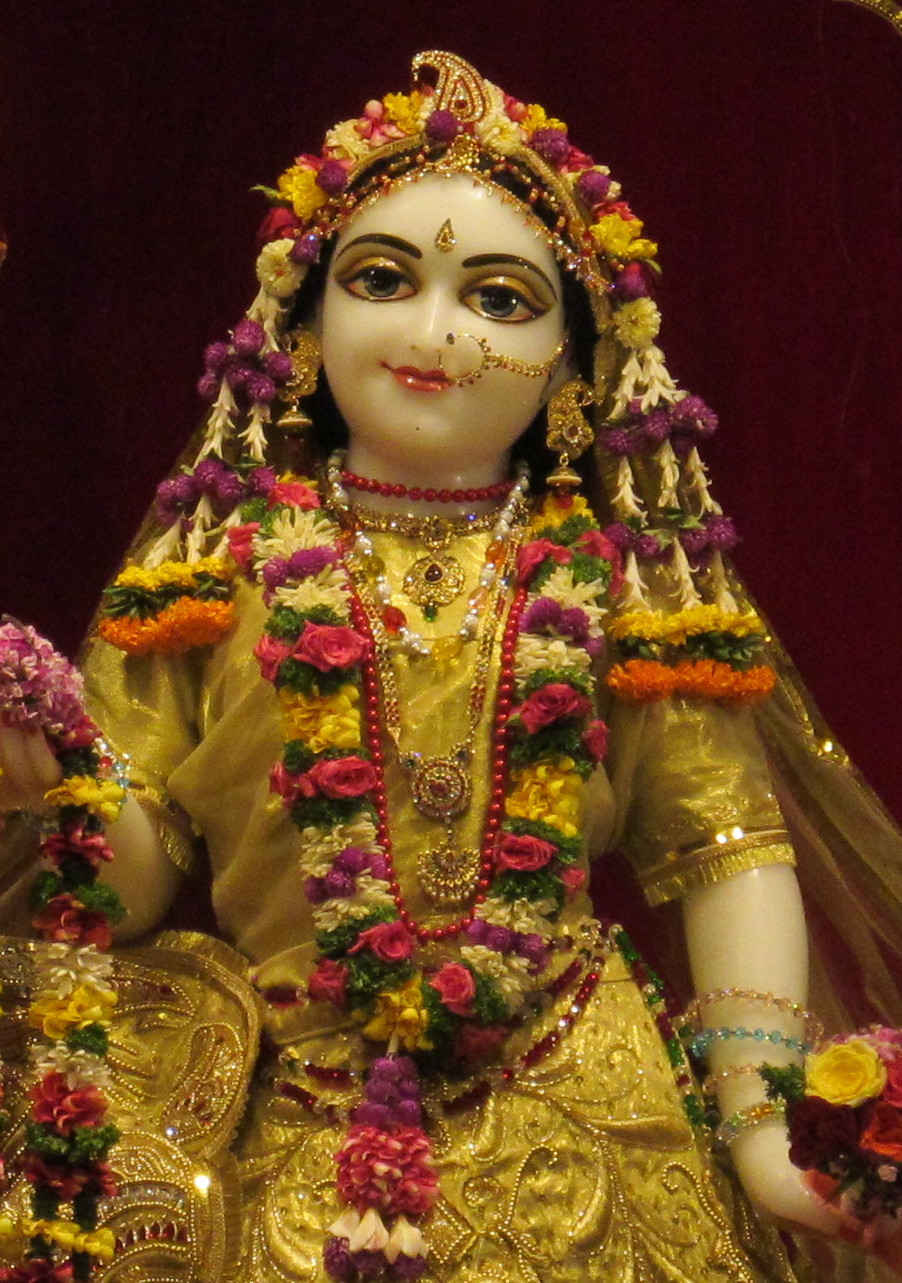
राधा: परम भक्त और श्रीकृष्ण की दिव्य संगिनी
ह्लादिनी शक्ति के स्वरूप श्रीराधा के गहन तत्व, वैष्णव धर्म में उनके आध्यात्मिक महत्व और श्रीकृष्ण के प्रति उनकी अनन्य भक्ति की गहराई को जानें।
एफ़िलिएट प्रकटीकरण: सनातन हिंदू अमेज़न एसोसिएट्स प्रोग्राम और CueLinks एफ़िलिएट नेटवर्क (मिंत्रा और फ्लिपकार्ट) में भाग लेता है। इस पृष्ठ पर एफ़िलिएट लिंक हैं: यदि आप क्लिक करके खरीदते हैं तो हमें एक छोटा कमीशन मिलता है, आप पर बिना किसी अतिरिक्त लागत के। अमेज़न एसोसिएट के रूप में हम पात्र खरीद से कमाते हैं। पूरा प्रकटीकरण।
परिचय
विभिन्न शास्त्रों में राधा का उल्लेख भिन्न-भिन्न रूपों में मिलता है। यद्यपि वे 'ब्रह्मवैवर्त पुराण' और 'पद्म पुराण' के केंद्र में हैं, परंतु उनकी उपस्थिति मध्यकालीन संत-कवियों, जैसे 'गीत गोविंद' में जयदेव की काव्य और धर्मशास्त्रीय रचनाओं में सबसे जीवंत रूप से अनुभव की जाती है। इन ग्रंथों में राधा और कृष्ण के संबंध को 'रस'—दिव्य लीला के सौंदर्य और आध्यात्मिक अमृत के दृष्टिकोण से चित्रित किया गया है। ब्रज में उनके जीवन, बरसाना में उनके बाल्यकाल और वृंदावन के वनों में उनकी शाश्वत रासलीला की गाथाएं लाखों साधकों की भक्ति साधना का आधार हैं।
राधा को समझना 'अचिन्त्य भेदाभेद' के सिद्धांत—एक ही समय में अकल्पनीय एकत्व और भिन्नता को समझना है। वे तत्वतः श्रीकृष्ण के साथ अभिन्न हैं, फिर भी 'रस' या दिव्य भाव के आस्वादन के लिए स्वरूप में भिन्न हैं। राधा के बिना श्रीकृष्ण को अपूर्ण माना जाता है; वे 'श्याम' हैं और राधा वह प्रकाश हैं जो उनके सौंदर्य को आलोकित करती हैं। 'राधा' नाम की उत्पत्ति संस्कृत के 'राध्' धातु से हुई है, जिसका अर्थ है आराधना करना, प्रसन्न करना या मनाना। अतः, वे ही हैं जो पूर्ण पवित्रता के साथ परमात्मा की आराधना करने की शक्ति प्रदान करती हैं।
सांस्कृतिक रूप से, राधा 'परकीया रस' के आदर्श का प्रतिनिधित्व करती हैं—एक ऐसा प्रेम जो केवल परमात्मा की सेवा के लिए सामाजिक बंधनों और सांसारिक दायित्वों से परे चला जाता है। यह लौकिक अर्थों में कोई सांसारिक प्रेम संबंध नहीं है, बल्कि ईश्वर के प्रति जीवात्मा के पूर्ण समर्पण का एक आध्यात्मिक रूपक है। उनका अस्तित्व 'गोपी भाव' का एक आदर्श प्रस्तुत करता है, जो चेतना की वह सर्वोच्च अवस्था है जहां भक्त अपने व्यक्तिगत अहंकार को भुलाकर दिव्य सेवा का साधन बन जाता है। भारत के पावन भूगोल में, उनकी उपस्थिति ब्रजभूमि को पवित्र करती है, जिससे वृंदावन शाश्वत आध्यात्मिक विरह और मिलन की भूमि बन जाता है।
महत्व
दार्शनिक रूप से, राधा 'शक्ति' (ऊर्जा) का प्रतिनिधित्व करती हैं और श्रीकृष्ण 'शक्तिमान' (ऊर्जा के स्वामी) का प्रतिनिधित्व करते हैं। जिस प्रकार अग्नि से उसके ताप को, अथवा चंद्रमा से उसकी चांदनी को अलग नहीं किया जा सकता, उसी प्रकार राधा को श्रीकृष्ण से अलग नहीं किया जा सकता। उनका महत्व 'साधना' (आध्यात्मिक अभ्यास) के संकल्प तक विस्तृत है, जहां अंतिम लक्ष्य 'राधा-भाव' को विकसित करना है—हृदय की वह अवस्था जहां प्रत्येक विचार, शब्द और कर्म परमात्मा के सुख के लिए समर्पित हो। इसे भक्ति-योग का सर्वोच्च स्वरूप माना जाता है।
सांस्कृतिक और अनुष्ठानिक संदर्भ में, राधा की पूजा श्रीकृष्ण की पूजा से अभिन्न है। यही कारण है कि अधिकांश मंदिरों में, विशेष रूप से इस्कॉन (ISKCON) परंपरा और पुष्टिमार्ग में, उनकी 'राधा-कृष्ण' के रूप में युगल उपासना की जाती है। उनके प्राकट्य दिवस के रूप में मनाया जाने वाला 'राधाष्टमी' का पर्व वैष्णव पंचांग का एक प्रमुख उत्सव है, जो संकीर्तन, उपवास और भक्तिमय गायन के साथ मनाया जाता है। उनके महत्व को समझना साधकों को 'वरदान मांगने' के भाव से हटाकर 'शुद्ध प्रेम संबंध स्थापित करने' की ओर अग्रसर करता है।
इसके अतिरिक्त, राधा जगन्माता की करुणा का प्रतीक हैं। जहां श्रीकृष्ण न्यायाधीश और पालनकर्ता हैं, वहीं राधा को परम कृपालु मध्यस्थ के रूप में देखा जाता है। ऐसा माना जाता है कि श्रीकृष्ण भक्त की पुकार तभी सुनते हैं जब राधा उनके लिए संस्तुति करती हैं। इसलिए, कई परंपराओं में मंत्र की शुरुआत 'राधे-राधे' से होती है, जिससे उनके नाम का स्मरण करके परमेश्वर तक पहुंचने का मार्ग सुगम हो सके। इस प्रकार उनका महत्व तात्त्विक (ईश्वर के स्वरूप से संबंधित) और मुक्तिपरक (मोक्ष के मार्ग से संबंधित) दोनों है।
शुभ समय
अपना सटीक शुभ समय जानें अपने शहर और तिथि के लिए शुभ मुहूर्त और चौघड़िया देखें।
आवश्यक सामग्री
तैयारी के चरण
- 1पूजा वेदी और आस-पास के स्थान को भली-भांति स्वच्छ करें।
- 2शारीरिक और मानसिक शुद्धि के लिए स्नान करें।
- 3स्वच्छ, अधिमानतः पारंपरिक वस्त्र धारण करें।
- 4राधारानी की दिव्य ऊर्जा से जुड़ने के लिए संकल्प लें।
- 5पुष्प, धूप और नैवेद्य (भोग) की सामग्री पहले से तैयार कर लें।
चरण
- 1पवित्र वातावरण निर्मित करने के लिए घी का दीपक और धूपबत्ती प्रज्वलित करें।
- 2राधा और कृष्ण के विग्रह अथवा चित्र पर चंदन का तिलक लगाएं।
- 3समर्पण के प्रतीक स्वरूप उनके श्रीचरणों में ताजे पुष्प अर्पित करें।
- 4एकाग्रता और भक्ति भाव से महामंत्र अथवा विशिष्ट राधा मंत्रों का जप करें।
- 5भजन-कीर्तन गाते हुए दक्षिणावर्त (घड़ी की दिशा में) दीपक घुमाकर आरती करें।
- 6कृतज्ञता व्यक्त करते हुए तैयार किए गए फल और मिष्ठान्न का भोग लगाएं।
- 7प्रणाम के साथ अनुष्ठान का समापन करें और पूजा में हुई किसी भी त्रुटि के लिए क्षमा याचना करें।
मंत्र
Radha Gayatri Mantra
ॐ राधायै विद्महे कृष्णप्रियायै धीमहि तन्नो राधा प्रचोदयात्
Om Radhayai Vidmahe Krishna-priyayai Dhimahi Tanno Radha Prachodayat
अर्थ: Om, let us meditate on Radha, the beloved of Krishna. May that Radha inspire and illuminate our intellect.
Radha Naam Japa
राधे राधे
Radhe Radhe
अर्थ: O Radha, O Radha (An invocation of her presence and grace).
Mahamantra (Relation to Radha)
हरे कृष्ण हरे कृष्ण कृष्ण कृष्ण हरे हरे, हरे राम हरे राम राम राम हरे हरे
Hare Krishna Hare Krishna Krishna Krishna Hare Hare, Hare Rama Hare Rama Rama Rama Hare Hare
अर्थ: The call to the energies of the Lord (Hare refers to Hara/Radha) to engage the soul in His service.
दिशानिर्देश
- •दिन भर ब्रह्मचर्य और विचारों की पवित्रता बनाए रखें।
- •केवल सात्विक भोजन ही ग्रहण करें (प्याज, लहसुन अथवा मांसाहार का पूर्ण त्याग करें)।
- •प्रार्थना और भजन में समय व्यतीत करने के लिए उपवास के दौरान कम से कम सोएं।
- •वाद-विवाद अथवा कटु वचनों से बचें।
करें
- ✓गहन भाव और प्रेम के साथ राधा नाम का जप करें।
- ✓राधा रानी की दिव्य लीलाओं की कथाओं का श्रवण व पठन करें।
- ✓श्रीकृष्ण और राधा को तुलसी दल अर्पित करें।
- ✓समस्त जीवों के प्रति करुणा और दया का भाव रखें।
न करें
- ✗भोग और पूजा में अशुद्ध अथवा बासी सामग्रियों का प्रयोग न करें।
- ✗पूजा के समय सांसारिक या व्यर्थ की चर्चा न करें।
- ✗अशांत, विचलित या अनादरपूर्ण मन से पूजा न करें।
- ✗उनके उत्सव के दिनों में तामसिक भोजन से पूरी तरह दूर रहें।
सामान्य गलतियाँ
- •पूजा को बिना 'भाव' (प्रेम) के केवल एक यांत्रिक अनुष्ठान मान लेना।
- •केवल श्रीकृष्ण पर ध्यान केंद्रित करना और राधा (ह्लादिनी शक्ति) के महत्व की उपेक्षा करना।
- •भोग अर्पण में असात्विक सामग्रियों का उपयोग करना।
- •पूजा स्थल की स्वच्छता और पवित्रता की अनदेखी करना।
क्षेत्रीय विविधताएँ
- •ब्रज (मथुरा/वृंदावन) में राधा रानी की उपासना में 'मानसी सेवा' (मानसिक सेवा) पर विशेष बल दिया जाता है।
- •गौड़ीय वैष्णव परंपरा में, राधा को साधक की आत्मा के लिए ध्यान का सर्वोच्च आलंबन माना जाता है।
- •कुछ परंपराओं में, 'राधा कुंड' की परिक्रमा और तीर्थ अनुष्ठानों के माध्यम से उनकी आराधना की जाती है।
अक्सर पूछे जाने वाले प्रश्न
क्या राधा को श्रीकृष्ण से भिन्न देवी माना जाता है?▾
श्रीकृष्ण से पहले राधा का नाम क्यों जपा जाता है?▾
राधाष्टमी का क्या महत्व है?▾
लोकप्रिय टूल
संदर्भ और पारंपरिक टिप्पणियाँ
- •राधा के विस्तृत आध्यात्मिक और तात्विक उद्भव के लिए 'ब्रह्मवैवर्त पुराण' का संदर्भ लें।
- •जयदेव कृत 'गीत गोविंद' उनके दिव्य प्रेम संबंध का काव्यात्मक सार प्रस्तुत करता है।
- •राधा-तत्व की गहन दार्शनिक अंतर्दृष्टि के लिए वृंदावन के षड्गोस्वामियों की शिक्षाओं का अध्ययन करें।
Related Audio & Bhajans
एफ़िलिएट प्रकटीकरण: सनातन हिंदू अमेज़न एसोसिएट्स प्रोग्राम और CueLinks एफ़िलिएट नेटवर्क (मिंत्रा और फ्लिपकार्ट) में भाग लेता है। इस पृष्ठ पर एफ़िलिएट लिंक हैं: यदि आप क्लिक करके खरीदते हैं तो हमें एक छोटा कमीशन मिलता है, आप पर बिना किसी अतिरिक्त लागत के। अमेज़न एसोसिएट के रूप में हम पात्र खरीद से कमाते हैं। पूरा प्रकटीकरण।
Amazon.in पर पूजा सामग्री खरीदें
क्लिक करने पर Amazon.in खुलता है। कीमत और उपलब्धता बदल सकती है।
सभी पूजा वस्तुएँ देखेंअमेज़न एसोसिएट्स टैग: geekydevelope-21
फ्लिपकार्ट पर पूजा और त्योहारी सामग्री खरीदें
क्लिक करने पर हमारे एफ़िलिएट लिंक से फ्लिपकार्ट खुलता है। कीमत और उपलब्धता बदल सकती है।
फ्लिपकार्ट पर खरीदेंCueLinks प्रकाशक: 300371
मिंत्रा पर त्योहारी परिधान खरीदें
क्लिक करने पर हमारे एफ़िलिएट लिंक से मिंत्रा खुलता है। कीमत और उपलब्धता बदल सकती है।
CueLinks प्रकाशक: 300371
Need a website? Describe it, and AI builds it.
Perfect for a temple, pooja service, astrology practice or small shop. Tell the AI what you want — or drag and drop the classic way — and go live on your own web address in minutes with Sitova. Hosting, SEO, forms and analytics are all included.
- Build with AI or drag & drop
- Your domain + SEO built in
- Free forever plan
Opens sitova.site