
Dakor Krishna Temple — Comprehensive Ranchhodrai Darshan Guide
Discover the spiritual essence of Dakor's Ranchhodrai Temple. A detailed guide on the history, legends, darshan timings, and rituals of Lord Krishna in Dakor.
Affiliate disclosure: Sanatan Hindu participates in the Amazon Associates Programme and the CueLinks affiliate network (Myntra & Flipkart). This page contains affiliate links, if you click and buy, we earn a small commission at no extra cost to you. As an Amazon Associate we earn from qualifying purchases. Full disclosure.
Next Sharad Purnima
Monday, 26 October 2026· in 41 days
Set a reminder so you never miss Sharad Purnima.
Introduction
The history of the temple is deeply intertwined with the legends of the Puranas and the local folklore of the region. According to tradition, the deity arrived in Dakor through a series of divine interventions. One prominent legend tells of the deity being brought to this land to provide refuge to His devotees. The name 'Ranchhod' itself is significant; it refers to the one who 'leaves the battlefield' (Ran = battle, Chhod = leave). This name commemorates a specific episode in Krishna's life where, for the sake of preserving peace or fulfilling a specific divine play (Leela), He withdrew from a conflict. In the context of Dakor, it signifies His readiness to abandon worldly battles to attend to the call of His loving devotees.
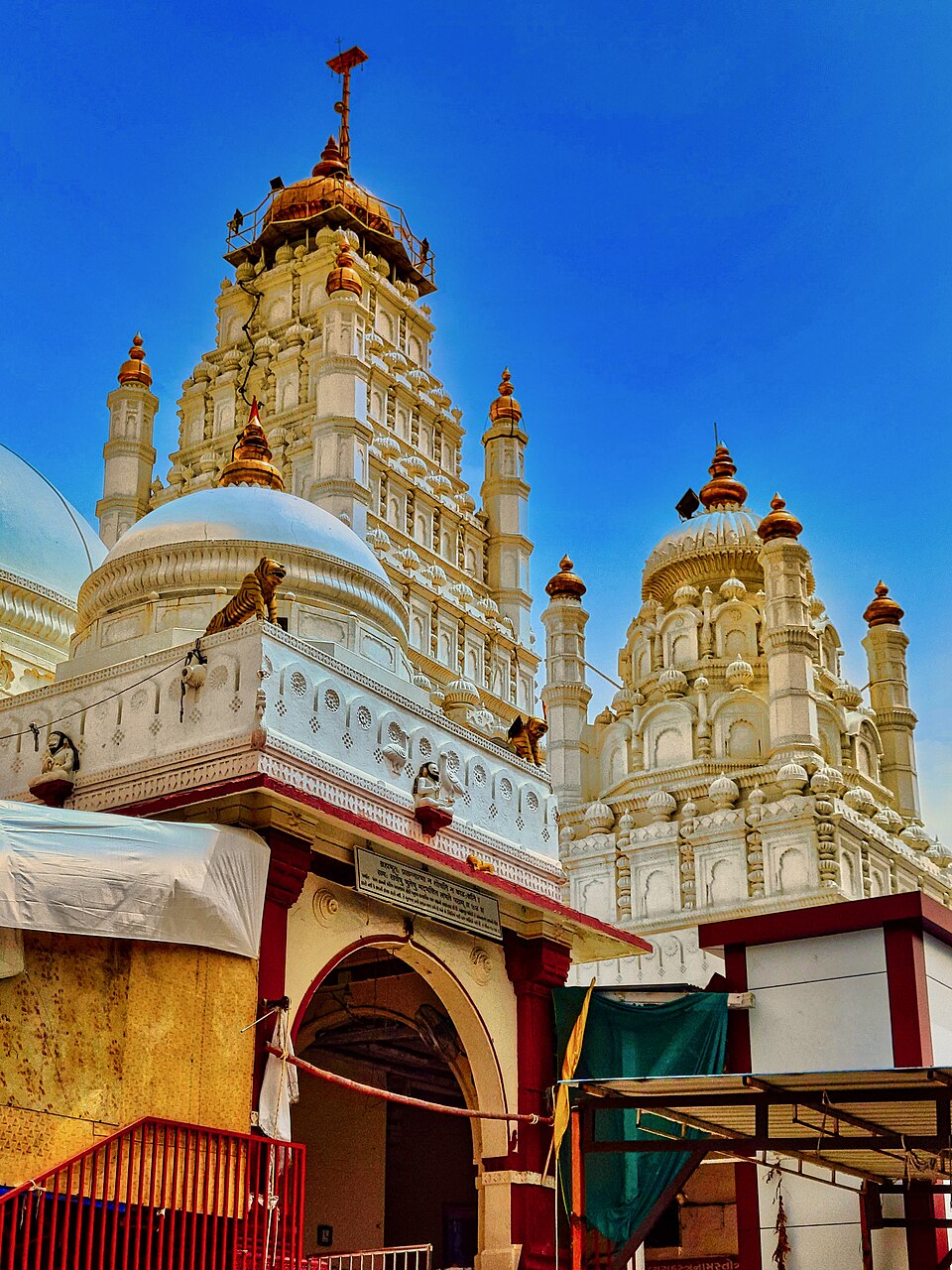
Spiritually, the temple serves as a bridge between the transcendental and the temporal. The atmosphere of Dakor is permeated with the scent of incense, the sound of rhythmic bells, and the melodic chants of 'Shree Krishna Sharanam Mamah.' The architecture, while reflecting various periods of renovation, maintains a sanctity that invites introspection. As a visitor enters the temple complex, one transitions from the mundane chaos of the world into a realm of divine grace. The temple is not just a place of worship but a center of culture, where the traditions of the Vaishnava Sampradayas are kept alive through daily rituals, bhajans, and festivals.
Understanding Dakor requires an appreciation for the 'Bhakti Marga' (the path of devotion). Unlike the intellectualized paths of Jnana Yoga, the experience at Dakor is deeply emotional and heart-centered. It is a place where the distinction between the worshipper and the worshipped begins to blur through the medium of intense love and surrender. Whether you are a lifelong devotee or a curious traveler, the Darshan of Ranchhodrai offers a profound encounter with the Divine, reminding us of the omnipresence of Krishna in every aspect of existence.
Significance
Symbolically, the deity Ranchhodrai represents the aspect of Krishna that is accessible and responsive to the needs of the common person. While some forms of Krishna emphasize His role as a cosmic ruler or a philosopher, the Dakor manifestation emphasizes His role as a friend, a protector, and a companion to the devotee. This accessibility is central to the 'Sakhya Bhava' (friendship with God) and 'Vatsalya Bhava' (parental love for God) practiced by many pilgrims. The ritual of Darshan at Dakor is seen as an exchange of energy—where the devotee offers their devotion and the Lord offers His 'Kripa' (grace).
Culturally, the temple acts as a nucleus for local traditions, music, and art. The 'Dakor-style' of devotional singing and the specific ways in which Prasad is distributed are part of a living heritage. The temple also holds immense astrological and seasonal importance. During major festivals like Janmashtami or Holi, the influx of pilgrims creates a collective spiritual energy that is palpable. For many families, a pilgrimage to Dakor is a rite of passage, a tradition passed down through generations to instill values of surrender and faith in younger members.
Scripturally, while the specific local history is rooted in regional oral traditions and sthalapuranas, the essence of the worship aligns with the Bhagavata Purana's descriptions of Krishna's multifaceted personality. The practice of performing Shringar (decoration), Bhog (food offering), and Aarti (light offering) at Dakor follows the ancient Vedic and Agamic traditions, ensuring that the connection to the primordial roots of Sanatana Dharma is maintained. To visit Dakor is to participate in a continuous stream of devotion that has flowed uninterrupted for centuries.
Auspicious Time
Find your exact auspicious time Check the shubh muhurat and choghadiya for your city and date.
Required Samagri (Materials)
Preparation Steps
- 1Take a bath and wear clean, traditional clothing (dhoti/saree preferred).
- 2Perform a brief mental purification by chanting 'Om Namo Bhagavate Vasudevaya'.
- 3Prepare the Prasad with devotion, ensuring it is pure (Sattvic).
- 4Check the temple timings in advance as they may vary during festivals or special occasions.
- 5Approach the temple with a sense of humility and 'Sharanagati' (surrender).
Steps
- 1Enter the temple complex with reverence and remove footwear at the designated area.
- 2Approach the main sanctum (Garbhagriha) and wait for your turn in the queue for Darshan.
- 3During the queue, engage in 'Japa' (repetition) of Krishna mantras to maintain focus.
- 4Upon reaching the deity, perform 'Darshan'—look into the eyes of Ranchhodrai with deep devotion.
- 5If permitted, offer flowers or Tulsi leaves at the feet of the Lord.
- 6Observe the Aarti if it coincides with your visit, participating in the rhythmic clapping and chanting.
- 7Receive the 'Prasad' from the temple authorities and consume it with respect.
- 8Circumambulate (Pradakshina) the temple if the space permits, moving in a clockwise direction.
Mantras
Moola Mantra
ॐ नमो भगवते वासुदेवाय
Om Namo Bhagavate Vasudevaya
Meaning: I bow to the Lord who dwells in all beings.
Krishna Beej Mantra
क्लीं कृष्णाय नमः
Kleem Krishnaya Namah
Meaning: Salutations to Lord Krishna, the attractor of all souls.
Dakor Special Chant
श्री रणछोड़राय की जय
Shree Ranchhodrai Ki Jai
Meaning: Victory to Lord Ranchhodrai!
Guidelines
- •Maintain a Sattvic diet (no onion, garlic, or non-vegetarian food) on days of visiting.
- •Observe silence (Mauna) or chant mantras during the journey to the temple.
- •Practice celibacy (Brahmacharya) if performing a specific penance during the visit.
- •Focus the mind entirely on the deity, avoiding worldly distractions.
Do's
Don'ts
- ✗Do not take photographs inside the inner sanctum if prohibited.
- ✗Avoid loud conversations or disruptive behavior.
- ✗Do not carry non-vegetarian food or intoxicants into the temple area.
- ✗Avoid touching the deity directly unless specifically instructed by a priest.
Common Mistakes to Avoid
- •Rushing through Darshan without actually connecting with the deity's presence.
- •Focusing more on the ritualistic aspect than the emotional connection (Bhakti).
- •Ignoring the temple's specific rules regarding footwear and photography.
- •Arriving too late for the main Aarti timings.
Regional Variations
- •In the Pushtimarg Sampradaya, the rituals follow the specific Ashtachap traditions.
- •Local Gujarati devotees may emphasize specific bhajans of Narsinh Mehta.
- •Some families may perform specific 'Mundan' or 'Annaprashan' ceremonies in the vicinity of Dakor.
Frequently Asked Questions
What is the best time to visit Dakor?▾
Why is the deity called Ranchhodrai?▾
Can I offer food to the Lord?▾
Popular Tools
References & Traditional Notes
- •The importance of Narsinh Mehta's compositions in the Dakor tradition.
- •The significance of Tulsi in Krishna worship as mentioned in the Padma Purana.
- •Note: Always follow the instructions of the temple administration regarding crowds and queues.
Affiliate disclosure: Sanatan Hindu participates in the Amazon Associates Programme and the CueLinks affiliate network (Myntra & Flipkart). This page contains affiliate links, if you click and buy, we earn a small commission at no extra cost to you. As an Amazon Associate we earn from qualifying purchases. Full disclosure.
Shop Samagri on Amazon.in
Clicking opens Amazon.in. Prices and availability may vary.
Browse all pooja itemsAmazon Associates tag: geekydevelope-21
Shop Pooja & Festive Essentials on Flipkart
Clicking opens Flipkart via our affiliate link. Prices and availability may vary.
Shop on FlipkartCueLinks Publisher: 300371
Shop Festive Wear on Myntra
Clicking opens Myntra via our affiliate link. Prices and availability may vary.
CueLinks Publisher: 300371