SanskarsNone

Solah Sanskar — Complete Guide to 16 Hindu Sacraments

Explore the significance and rituals of 16 Hindu sacraments

By Sanatan Hindu2 min readUpdated 8 August 2026Audio available
Share:

एफ़िलिएट प्रकटीकरण: सनातन हिंदू अमेज़न एसोसिएट्स प्रोग्राम और CueLinks एफ़िलिएट नेटवर्क (मिंत्रा और फ्लिपकार्ट) में भाग लेता है। इस पृष्ठ पर एफ़िलिएट लिंक हैं: यदि आप क्लिक करके खरीदते हैं तो हमें एक छोटा कमीशन मिलता है, आप पर बिना किसी अतिरिक्त लागत के। अमेज़न एसोसिएट के रूप में हम पात्र खरीद से कमाते हैं। पूरा प्रकटीकरण

Solah Sanskar — Complete Guide to 16 Hindu Sacraments

यह लेख अभी अंग्रेज़ी में उपलब्ध है। हिंदी अनुवाद के लिए नीचे बटन दबाएँ।

Introduction

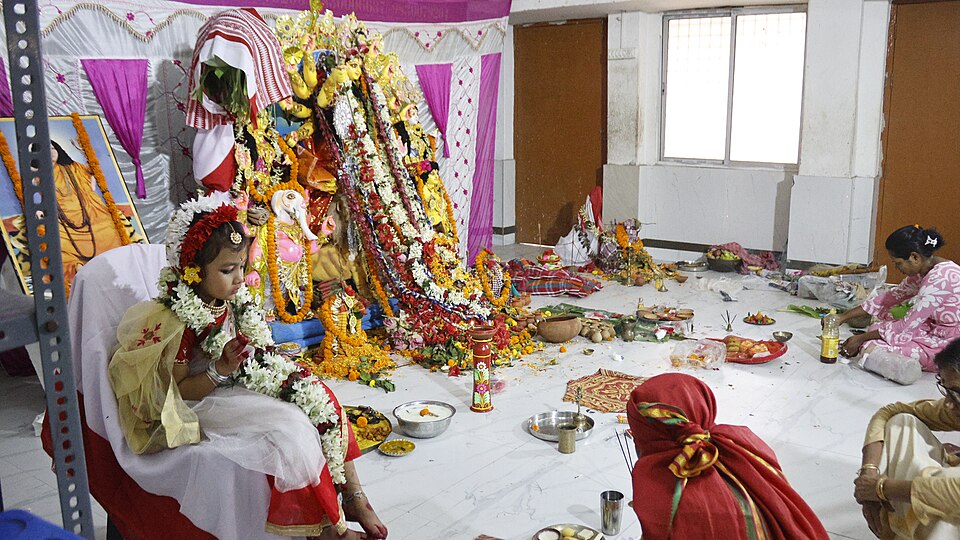
In Hinduism, the Solah Sanskar, or 16 sacraments, are a set of sacred rituals that mark important milestones in a person's life, from conception to death. These sacraments are designed to purify and uplift the individual, bringing them closer to their spiritual nature. The Solah Sanskar are an integral part of Hindu tradition and are considered essential for spiritual growth and development. The 16 sacraments are: Garbhadhana, Pumsavana, Simantonnayana, Jatakarma, Namakarana, Nishkramana, Annaprashana, Chudakarana, Karnavedha, Upanayana, Vedarambha, Keshanta, Samavartana, Vivaha, Vanaprastha, and Sannyasa. Each sacrament has its own unique significance and rituals, which vary depending on the region and tradition. In this article, we will delve into the world of Solah Sanskar, exploring their significance, rituals, and importance in Hindu tradition. The Solah Sanskar are a testament to the richness and diversity of Hindu culture, and their practice continues to be an essential part of Hindu life. By understanding and participating in these sacraments, individuals can deepen their spiritual practice and connect with their heritage. The sacraments are not just rituals, but a way of life, guiding individuals through the various stages of life, from birth to death, and beyond.

Significance

The Solah Sanskar are significant because they provide a framework for spiritual growth and development, helping individuals to navigate the various stages of life. They are a means of purifying and uplifting the individual, bringing them closer to their spiritual nature. The sacraments are also a way of connecting with one's heritage and tradition, and of passing on cultural and spiritual values to future generations. By participating in the Solah Sanskar, individuals can experience a sense of community and belonging, and can deepen their understanding of Hindu tradition and philosophy.

Auspicious Time

The best time to perform the Solah Sanskar varies depending on the sacrament and the individual's stage of life. For example, the Garbhadhana sacrament is typically performed during the third or fourth month of pregnancy, while the Upanayana sacrament is typically performed when a boy is between the ages of 8 and 12. The Vivaha sacrament, or marriage, can be performed at any time, but is typically performed when the individual is of marriageable age. It is essential to consult with a learned pandit or family elder to determine the best time to perform each sacrament.

Find your exact auspicious time Check the shubh muhurat and choghadiya for your city and date.

Required Samagri (Materials)

Ghee
Milk
Honey
Yogurt
Fruits
Flowers
Incense sticks
Candles
Holy water

Preparation Steps

  1. 1Purify the body and mind through meditation and prayer
  2. 2Gather the required materials and offerings
  3. 3Create a sacred space for the ritual
  4. 4Invite a learned pandit or family elder to perform the ritual

Ritual Steps

  1. 1Perform the ritual with devotion and intention
  2. 2Follow the instructions of the pandit or family elder
  3. 3Make the necessary offerings and prayers
  4. 4Participate in the ritual with an open heart and mind

Mantras

Gayatri Mantra

ॐ भूर्भुवः स्वः तात्सवितुर्वरेण्यं भर्गो देवस्य धीमहि धियो यो नः प्रचोदयात्

Om Bhur Bhuva Swaha Tatsavitr Varenyam Bhargo Devasya Dhimahi Dhiyo Yo Nah Prachodayat

Meaning: We meditate on the divine light of the sun, may it guide our intellect and inspire our actions

Om Shanti Mantra

ॐ शान्तिः शान्तिः शान्तिः

Om Shanti Shanti Shanti

Meaning: May there be peace, peace, peace

Do's

  • Participate in the ritual with devotion and intention
  • Follow the instructions of the pandit or family elder
  • Make the necessary offerings and prayers

Don'ts

  • Do not participate in the ritual with a closed heart or mind
  • Do not ignore the instructions of the pandit or family elder
  • Do not forget to make the necessary offerings and prayers

Common Mistakes to Avoid

  • Not following the instructions of the pandit or family elder
  • Not participating in the ritual with devotion and intention
  • Not making the necessary offerings and prayers

Regional Variations

  • The rituals and customs of the Solah Sanskar vary depending on the region and tradition
  • Some regions may have additional or modified sacraments
  • The rituals and customs may also vary depending on the individual's caste and social status

Frequently Asked Questions

What is the significance of the Solah Sanskar?
The Solah Sanskar are significant because they provide a framework for spiritual growth and development, helping individuals to navigate the various stages of life.
How do I participate in the Solah Sanskar?
To participate in the Solah Sanskar, it is essential to consult with a learned pandit or family elder, who can guide you through the rituals and customs of each sacrament.

References & Traditional Notes

  • The Solah Sanskar are described in the Grihya Sutras and the Dharmashastras
  • The rituals and customs of the Solah Sanskar vary depending on the region and tradition

Related Audio & Bhajans

Annaprashan Sanskar Hindu First Solid None

otherYouTube
Open on YouTube →
Lyrics

Sanatan Hindu Ekta Padyatra Song

otherchaman bihari ji maharaj
View Lyrics

sanatan hindu padyatra

otherYouTube
Open on YouTube →
Lyrics

Hinduism Gods and Godesses

otherYouTube
Open on YouTube →
Lyrics

Hindu festivals

otherYouTube
Open on YouTube →
Lyrics

Hindu Calendar and its Significance

otherYouTube
Open on YouTube →
Lyrics

Beej Mantra All Deities Various Hindu Deities

mantraYouTube
Open on YouTube →
Lyrics

Hindu devotional hymns

otherYouTube
Open on YouTube →
Lyrics

Hindu Mythology Vedic and Puranic

other
View Lyrics

Hindu mythology

otherYouTube
Open on YouTube →
Lyrics

एफ़िलिएट प्रकटीकरण: सनातन हिंदू अमेज़न एसोसिएट्स प्रोग्राम और CueLinks एफ़िलिएट नेटवर्क (मिंत्रा और फ्लिपकार्ट) में भाग लेता है। इस पृष्ठ पर एफ़िलिएट लिंक हैं: यदि आप क्लिक करके खरीदते हैं तो हमें एक छोटा कमीशन मिलता है, आप पर बिना किसी अतिरिक्त लागत के। अमेज़न एसोसिएट के रूप में हम पात्र खरीद से कमाते हैं। पूरा प्रकटीकरण

Amazon.in पर पूजा सामग्री खरीदें

क्लिक करने पर Amazon.in खुलता है। कीमत और उपलब्धता बदल सकती है।

सभी पूजा वस्तुएँ देखें

अमेज़न एसोसिएट्स टैग: geekydevelope-21

फ्लिपकार्ट पर पूजा और त्योहारी सामग्री खरीदें

क्लिक करने पर हमारे एफ़िलिएट लिंक से फ्लिपकार्ट खुलता है। कीमत और उपलब्धता बदल सकती है।

फ्लिपकार्ट पर खरीदें

CueLinks प्रकाशक: 300371

मिंत्रा पर त्योहारी परिधान खरीदें

क्लिक करने पर हमारे एफ़िलिएट लिंक से मिंत्रा खुलता है। कीमत और उपलब्धता बदल सकती है।

CueLinks प्रकाशक: 300371

Share:

दैनिक पंचांग व त्योहार अपडेट पाएँ

हमारे निःशुल्क न्यूज़लेटर से जुड़ें, कोई स्पैम नहीं, कभी भी अनसब्सक्राइब करें।