
Tehrvi and Pagdi Ceremony — Post-Funeral Rituals in Hinduism
Tehrvi and Pagdi Ceremony: Hindu post-funeral rituals, significance, steps, and mantras.
Affiliate disclosure: Sanatan Hindu participates in the Amazon Associates Programme and the CueLinks affiliate network (Myntra & Flipkart). This page contains affiliate links, if you click and buy, we earn a small commission at no extra cost to you. As an Amazon Associate we earn from qualifying purchases. Full disclosure.
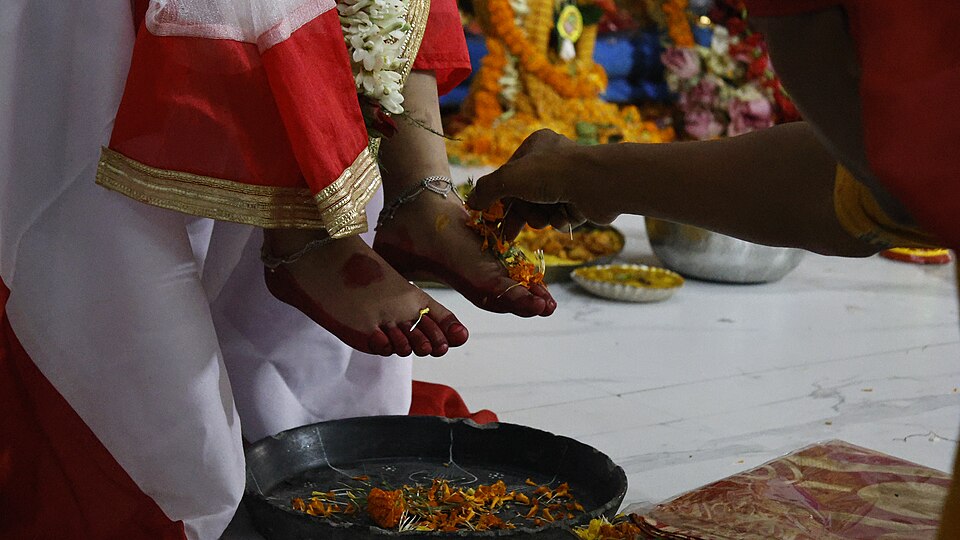
Introduction
Significance
Auspicious Time
Find your exact auspicious time Check the shubh muhurat and choghadiya for your city and date.
Required Samagri (Materials)
Preparation Steps
- 1cleaning and purifying the house
- 2preparing the food items
- 3arranging the flowers and incense sticks
- 4inviting relatives and friends
Ritual Steps
- 1performing the Tehrvi Ceremony by offering food and other items to the deceased person's soul
- 2performing the Pagdi Ceremony by giving the eldest son or a close relative a pagdi (turban) to symbolize their new role as the head of the family
- 3reciting mantras and performing aarti
- 4distributing prasad to the relatives and friends
Mantras
Tehrvi Mantra
ॐ शांति शांति शांति
Om Shanti Shanti Shanti
Meaning: Peace, peace, peace
Pagdi Mantra
ॐ नमः शिवाय
Om Namah Shivaya
Meaning: Salutations to Lord Shiva
Do's
- ✓performing the ceremonies with respect and devotion
- ✓inviting relatives and friends to participate in the ceremonies
- ✓distributing prasad to the participants
Don'ts
- ✗avoiding arguments and conflicts during the ceremonies
- ✗not using the ceremonies as an opportunity to settle scores or resolve disputes
- ✗not using the ceremonies for personal gain or benefit
Common Mistakes to Avoid
- •not performing the ceremonies with the required samagri
- •not following the correct vidhi
- •not reciting the mantras correctly
Regional Variations
- •in some regions, the Tehrvi Ceremony is performed on the 10th day after death
- •in some regions, the Pagdi Ceremony is performed on the 13th day after death
- •in some regions, the ceremonies are performed by a specific caste or community
Frequently Asked Questions
What is the significance of the Tehrvi and Pagdi Ceremony?▾
How are the Tehrvi and Pagdi Ceremony performed?▾
Popular Tools
References & Traditional Notes
- •the ceremonies are mentioned in the Hindu scriptures such as the Garuda Purana and the Manusmriti
- •the ceremonies are performed by Hindus all over the world, but the rituals may vary depending on the region and tradition
Related Audio & Bhajans
Affiliate disclosure: Sanatan Hindu participates in the Amazon Associates Programme and the CueLinks affiliate network (Myntra & Flipkart). This page contains affiliate links, if you click and buy, we earn a small commission at no extra cost to you. As an Amazon Associate we earn from qualifying purchases. Full disclosure.
Shop Samagri on Amazon.in
Clicking opens Amazon.in. Prices and availability may vary.
Browse all pooja itemsAmazon Associates tag: geekydevelope-21
Shop Pooja & Festive Essentials on Flipkart
Clicking opens Flipkart via our affiliate link. Prices and availability may vary.
Shop on FlipkartCueLinks Publisher: 300371
Shop Festive Wear on Myntra
Clicking opens Myntra via our affiliate link. Prices and availability may vary.
CueLinks Publisher: 300371
Need a website? Describe it, and AI builds it.
Perfect for a temple, pooja service, astrology practice or small shop. Tell the AI what you want — or drag and drop the classic way — and go live on your own web address in minutes with Sitova. Hosting, SEO, forms and analytics are all included.
- Build with AI or drag & drop
- Your domain + SEO built in
- Free forever plan
Opens sitova.site