Sacred PlacesGangaKumbh Mela

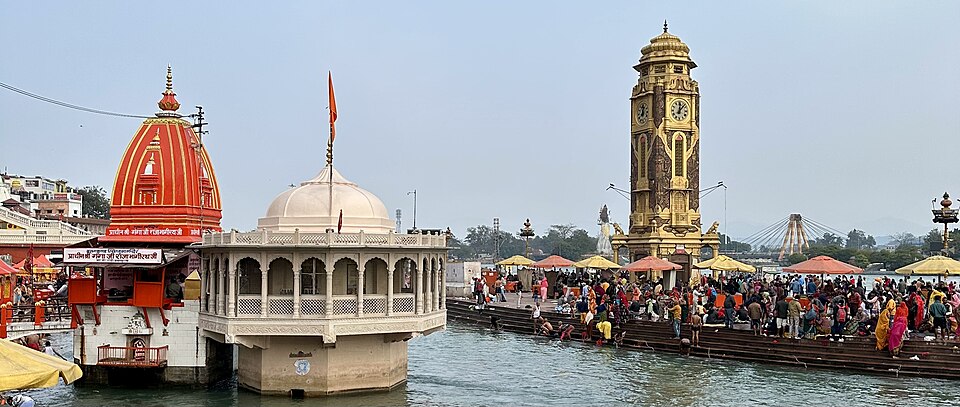
Har Ki Pauri Haridwar — Sacred Steps and Ganga Aarti

Discover the spiritual significance of Har Ki Pauri in Haridwar, the sacred Brahma Kund, and the divine experience of the evening Ganga Aarti.
By Sanatan Hindu2 min readUpdated 28 July 2026Audio available
Share:

एफ़िलिएट प्रकटीकरण: सनातन हिंदू अमेज़न एसोसिएट्स प्रोग्राम और CueLinks एफ़िलिएट नेटवर्क (मिंत्रा और फ्लिपकार्ट) में भाग लेता है। इस पृष्ठ पर एफ़िलिएट लिंक हैं—यदि आप क्लिक करके खरीदते हैं तो हमें एक छोटा कमीशन मिलता है, आप पर बिना किसी अतिरिक्त लागत के। अमेज़न एसोसिएट के रूप में हम पात्र खरीद से कमाते हैं। पूरा प्रकटीकरण

Har Ki Pauri Haridwar — Sacred Steps and Ganga Aarti

यह लेख अभी अंग्रेज़ी में उपलब्ध है। हिंदी अनुवाद के लिए नीचे बटन दबाएँ।

Introduction

Har Ki Pauri, situated in the holy city of Haridwar, is one of the most revered riverfronts in the Hindu world. Meaning 'Steps of the Lord,' this ghat is a focal point for millions of pilgrims who travel from across the globe to seek spiritual purification. The atmosphere is a mesmerizing blend of ancient Vedic traditions, rhythmic chanting, and the powerful, flowing presence of the holy river Ganga.
The ghat is not merely a physical structure but a spiritual gateway. It is believed that the energy present at Har Ki Pauri facilitates a direct connection between the devotee and the divine. Whether you are visiting for the solemnity of the early morning Snan (holy dip) or the spectacular evening Ganga Aarti, the experience is designed to cleanse the soul and elevate the consciousness.

Significance

The primary significance of Har Ki Pauri lies in the Brahma Kund, the most sacred spot on the ghats. According to Vedic mythology, during the Samudra Manthan (the churning of the cosmic ocean), drops of Amrit (the nectar of immortality) fell at this precise location. This makes the waters of the Brahma Kund eternally potent for spiritual liberation (Moksha). Taking a ritualistic bath here is believed to wash away accumulated karmic impurities and grant the seeker spiritual merit.

Best Time to Perform

The best times to visit are during the early morning (Brahmamuhurta) for the most peaceful Snan and sunrise, and in the evening (Sandhya Kaal) to witness the grand, rhythmic Ganga Aarti.

What You'll Need

Ganga Jal (Holy water)
Earthen diyas (lamps)
Cotton wicks
Pure Ghee or vegetable oil
Incense sticks (Agarbatti)
Fresh flower petals
Sandalwood paste (Chandan)
Leaf boats (Donas) for Deep Daan

Before You Begin

  1. 1Dress in modest, traditional clothing that respects the sanctity of the temple town.
  2. 2Perform personal cleansing (shaucha) before approaching the river.
  3. 3Maintain a meditative or prayerful state of mind during the journey to the ghat.
  4. 4Arrange for small leaf boats with candles or diyas if you intend to perform Deep Daan (offering of lights).

How to Perform Aarti

  1. 1Approach the Brahma Kund at Har Ki Pauri with reverence.
  2. 2Perform a ritualistic Snan (holy dip) in the Ganga, facing the direction of the river's flow, while chanting mantras.
  3. 3Offer prayers to the deity and the river, perhaps by applying Chandan to your forehead.
  4. 4Perform Deep Daan by lighting a diya in a leaf boat and gently releasing it into the river, visualizing your prayers being carried by the Ganga.
  5. 5Gather near the Aarti platform during the evening ceremony to witness the synchronized movement of lamps and chants.

Mantras

Ganga Mantra

गंगे च यमुने चैव गोदावरी सरस्वती। नर्मदे सिन्धु कावेरी जलेऽस्मिन् संनिधिं कुरु॥

Gange cha Yamune chaiva Godavari Saraswati | Narmade Sindhu Kaveri Jalesmin Sannidhim Kuru ||

Meaning: O Holy Ganga, Yamuna, Godavari, Saraswati, Narmada, Sindhu, and Kaveri; please reside in this water.

Ganga Aarti Verse 1

जय गंगे जय गंगे जय गंगे माता। भक्तान के दुःख हरने वाली माता॥

Jai Gange Jai Gange Jai Gange Mata | Bhaktān ke dukh harne waali Mata ||

Meaning: Victory to Mother Ganga, Victory to Mother Ganga! O Mother, you are the remover of the sufferings of your devotees.

Ganga Aarti Verse 2

करुणा की सागर तुम हो जननी। मुक्ति की राह दिखाती माँ भवानी॥

Karuna ki saagar tum ho janani | Mukti ki raah dikhaati Maa Bhavani ||

Meaning: You are the ocean of compassion, the divine Mother. You show the path to ultimate liberation, O Mother Bhavani.

Guidelines

  • Maintain strict vegetarianism (Sattvic diet) during the visit.
  • Practice celibacy (Brahmacharya) while on the pilgrimage.
  • Avoid speech that is harsh or unnecessary (Mauna or mindful speech).

Do's

  • Show utmost respect to the local priests and pilgrims.
  • Keep the river and the ghats clean by using designated bins.
  • Participate in the Aarti with focus and devotion.
  • Offer flowers and diyas with a pure intention.

Don'ts

  • Do not throw plastic, non-biodegradable items, or trash into the river.
  • Do not disturb the meditative atmosphere of other devotees.
  • Avoid wearing revealing or inappropriate clothing.
  • Do not attempt to swim in areas where the current is dangerously strong.

Common Mistakes to Avoid

  • Entering the water without checking the depth or current strength.
  • Treating the visit as a purely tourist excursion rather than a spiritual pilgrimage.
  • Neglecting the importance of cleanliness and hygiene before entering the holy river.

Regional Variations

  • While the main Aarti is standardized, specific Sampradayas (traditions) may have unique chants or rhythmic patterns.
  • Family traditions (Kulachara) may dictate specific types of offerings made at the ghat.
  • The timing of rituals may shift slightly depending on the lunar calendar (Tithi) as observed by local Pandits.

Frequently Asked Questions

Is it necessary to hire a priest for the puja?
While you can perform personal prayers and Snan independently, hiring a local Pandit can help in performing more detailed Vedic rituals or Sankalpa.
What is the best time to see the Ganga Aarti?
The evening Aarti at dusk is the most spectacular, but many devotees also prefer the peaceful morning Aarti at sunrise.

References & Traditional Notes

  • The rituals at Har Ki Pauri are deeply influenced by the Puranic traditions regarding the sanctity of the Ganga.
  • Local customs regarding the 'Deep Daan' are passed down through generations of families living in Haridwar.

Related Audio & Bhajans

Jai Gange Mata - Ganga Aarti

aartiTraditional
View Lyrics

Karva Chauth Vrat Sacred Fast Lord Shiva

otherYouTube
Open on YouTube →
Lyrics

Sacred threads

otherYouTube
Open on YouTube →
Lyrics

The Role of Sacred Texts in Hindu Spirituality

otherYouTube
Open on YouTube →
Lyrics

Sacred scriptures and texts

otherYouTube
Open on YouTube →
Lyrics

Sacred cities and temples

otherYouTube
Open on YouTube →
Lyrics

Sacred Sites in India

otherYouTube
Open on YouTube →
Lyrics

Haridwar

otherPs Polist
View Lyrics

Question & Answer In Haridwar

other
View Lyrics

Haridwar

otherYouTube
Open on YouTube →
Lyrics

एफ़िलिएट प्रकटीकरण: सनातन हिंदू अमेज़न एसोसिएट्स प्रोग्राम और CueLinks एफ़िलिएट नेटवर्क (मिंत्रा और फ्लिपकार्ट) में भाग लेता है। इस पृष्ठ पर एफ़िलिएट लिंक हैं—यदि आप क्लिक करके खरीदते हैं तो हमें एक छोटा कमीशन मिलता है, आप पर बिना किसी अतिरिक्त लागत के। अमेज़न एसोसिएट के रूप में हम पात्र खरीद से कमाते हैं। पूरा प्रकटीकरण

Amazon.in पर पूजा सामग्री खरीदें

क्लिक करने पर Amazon.in खुलता है। कीमत और उपलब्धता बदल सकती है।

सभी पूजा वस्तुएँ देखें

अमेज़न एसोसिएट्स टैग: geekydevelope-21

फ्लिपकार्ट पर पूजा और त्योहारी सामग्री खरीदें

क्लिक करने पर हमारे एफ़िलिएट लिंक से फ्लिपकार्ट खुलता है। कीमत और उपलब्धता बदल सकती है।

फ्लिपकार्ट पर खरीदें

CueLinks प्रकाशक: 300371

मिंत्रा पर त्योहारी परिधान खरीदें

क्लिक करने पर हमारे एफ़िलिएट लिंक से मिंत्रा खुलता है। कीमत और उपलब्धता बदल सकती है।

CueLinks प्रकाशक: 300371

Share:

दैनिक पंचांग व त्योहार अपडेट पाएँ

हमारे निःशुल्क न्यूज़लेटर से जुड़ें, कोई स्पैम नहीं, कभी भी अनसब्सक्राइब करें।