
वामन अवतार — वह बौना जिसने ब्रह्मांड को मापा
वामन अवतार की गहन कथा का अन्वेषण करें, जो भगवान विष्णु के पांचवें अवतार हैं, जिन्होंने राजा बलि से तीनों लोकों को अपने ब्रह्मांडीय रूप के माध्यम से पुनः प्राप्त किया।
एफ़िलिएट प्रकटीकरण: सनातन हिंदू अमेज़न एसोसिएट्स प्रोग्राम और CueLinks एफ़िलिएट नेटवर्क (मिंत्रा और फ्लिपकार्ट) में भाग लेता है। इस पृष्ठ पर एफ़िलिएट लिंक हैं: यदि आप क्लिक करके खरीदते हैं तो हमें एक छोटा कमीशन मिलता है, आप पर बिना किसी अतिरिक्त लागत के। अमेज़न एसोसिएट के रूप में हम पात्र खरीद से कमाते हैं। पूरा प्रकटीकरण।
परिचय
शास्त्रीय रूप से, वामन की कथा भागवत पुराण, विष्णु पुराण और विभिन्न उपनिषदों में विस्तार से वर्णित है। कहानी बलि से शुरू होती है, जो प्रह्लाद के पौत्र थे, विशाल यज्ञ करते हैं और स्वर्ग पर विजय प्राप्त करते हैं। उनकी भक्ति के बावजूद, बलि के अहंकार और ब्रह्मांड पर उनके पूर्ण नियंत्रण ने एक दिव्य हस्तक्षेप को आवश्यक बना दिया जो विनाशकारी के बजाय सूक्ष्म था। बौने रूप का चुनाव जानबूझकर किया गया था; यह राजा के सद्गुण का परीक्षण करने और अंततः बुद्धि और आध्यात्मिक समर्पण के माध्यम से ब्रह्मांड को पुनः प्राप्त करने के लिए एक रणनीतिक और प्रतीकात्मक मास्टरस्ट्रोक था, न कि खूनी युद्ध के माध्यम से।
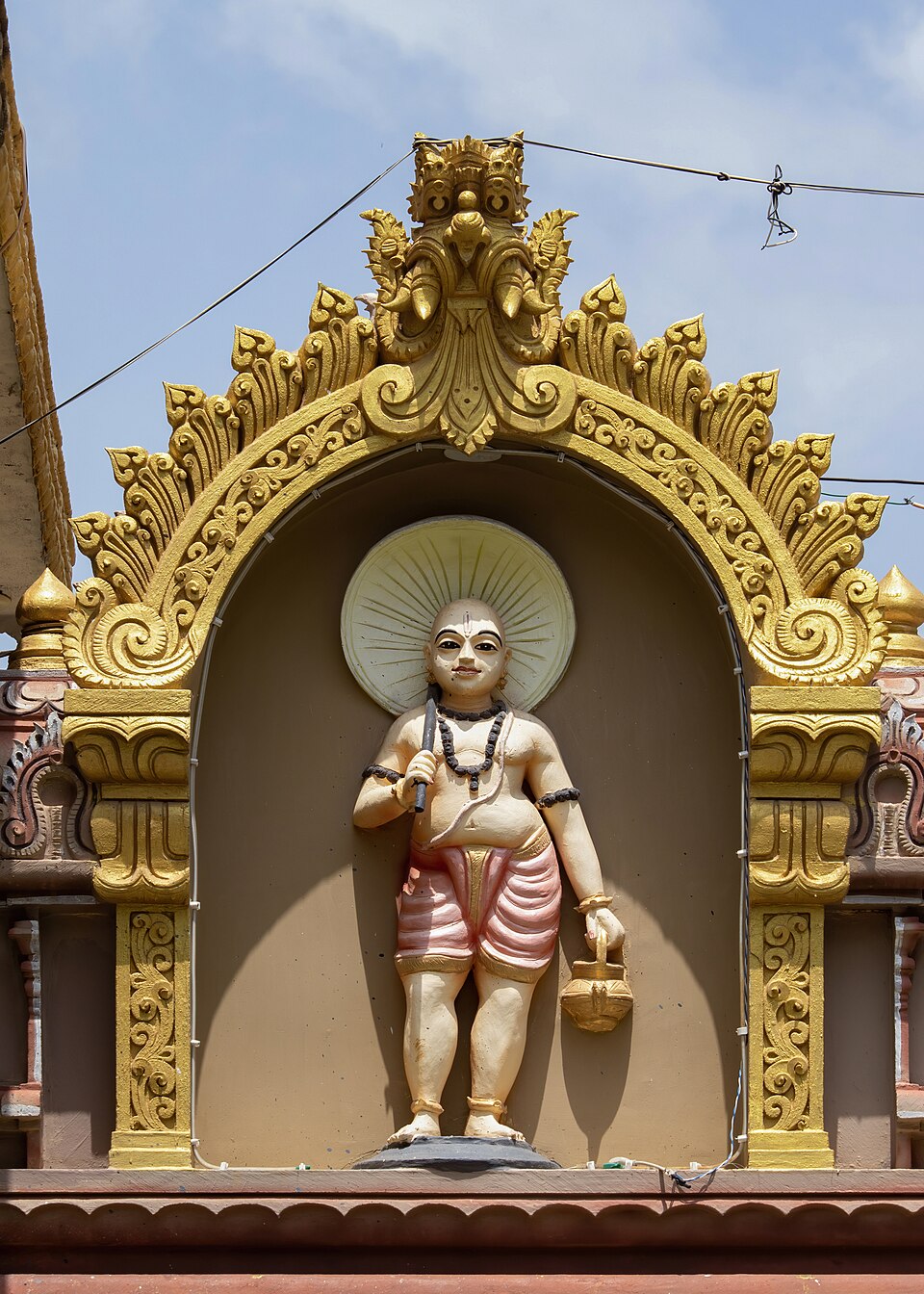
पुराणिक विवरणों के अनुसार, वामन एक भव्य अश्वमेध यज्ञ के दौरान राजा बलि के पास पहुंचे। एक युवा, तपस्वी ब्राह्मण के रूप में प्रच्छन्न, हाथ में लकड़ी की छतरी (छत्र) लिए हुए, उन्होंने केवल उतनी भूमि मांगी जितनी वे तीन कदमों में नाप सकें। राजा बलि के गुरु, शुक्राचार्य, ने आगंतुक की दिव्य प्रकृति को भांप लिया और राजा को वरदान न देने की चेतावनी दी, इसे विष्णु की एक चाल के रूप में पहचानते हुए। हालांकि, बलि, अपने वचन और दान के धर्म के प्रति अटूट प्रतिबद्धता से बंधे होने के कारण, चेतावनी को नजरअंदाज कर दिया और अनुरोध को स्वीकार कर लिया, जिससे बौने के ब्रह्मांडीय विस्तार का मंच तैयार हो गया।
यह अवतार हिंदू ब्रह्मांड विज्ञान में एक महत्वपूर्ण क्षण है, जो देवताओं के पास सत्ता की वापसी और इस सिद्धांत की स्थापना को चिह्नित करता है कि सबसे सदाचारी प्राणियों को भी विनम्र रहना चाहिए और दिव्य की परम सर्वोच्चता को पहचानना चाहिए। यह 'त्रिविक्रम' की कहानी है—जिसने तीनों लोकों पर विजय प्राप्त की—यह दर्शाता है कि दिव्य भौतिक रूप तक सीमित नहीं है, बल्कि एक सर्वव्यापी वास्तविकता है जो स्थान, समय और अस्तित्व से परे है।
महत्व
आध्यात्मिक रूप से, वामन की कथा 'अहंकार' (ego) और 'दान' (charity) की प्रकृति पर एक गहन सबक देती है। राजा बलि का पतन उनकी लालच नहीं, बल्कि उनकी दान देने की क्षमता पर सूक्ष्म गर्व था। वे मानते थे कि उनकी उदारता उनकी अपनी उपलब्धि है, यह भूलकर कि देने की क्षमता दिव्य का एक उपहार है। तीन कदम मांगकर, विष्णु ने बलि को उनकी सांसारिक संपत्ति की सीमाओं का सामना करने के लिए मजबूर किया। बलि के सिर पर तीसरा कदम रखने का कार्य अहंकार के दिव्य के प्रति पूर्ण समर्पण (शरणागति) का प्रतिनिधित्व करता है। कई वेदांत और वैष्णव परंपराओं में इस समर्पण को आध्यात्मिक प्राप्ति की उच्चतम अवस्था माना जाता है।
धर्म के संदर्भ में, वामन अवतार दर्शाता है कि ब्रह्मांडीय व्यवस्था के संरक्षण के लिए कभी-कभी अपरंपरागत साधनों की आवश्यकता होती है। हस्तक्षेप दंड नहीं बल्कि सुधार था। यह उजागर करता है कि सच्ची धार्मिकता एक ही साम्राज्य की समृद्धि के लिए नहीं, बल्कि संपूर्ण ब्रह्मांड के कल्याण के साथ संरेखित होनी चाहिए। वामन की अनुष्ठानिक स्मृति भक्तों को विनम्रता विकसित करने और यह समझने की याद दिलाती है कि सभी भौतिक संपत्ति क्षणिक है और अंततः दिव्य की है।
सांस्कृतिक और ज्योतिषीय रूप से, वामन के विषय अक्सर ग्रहों की गति और 'बलि प्रतिपदा' (दिवाली के अगले दिन) की अवधारणा से जुड़े होते हैं, जो बलि प्रतिपदा अवधि की शुरुआत को चिह्नित करता है। भारत के कई हिस्सों में, वामन के सबक को इस बात पर जोर देने के लिए मनाया जाता है कि सच्ची महानता समर्पण और भगवान की अनंत प्रकृति की पहचान में निहित है। अवतार 'अवतार' की अवधारणा के अग्रदूत के रूप में भी कार्य करता है जो ब्रह्मांडीय चक्र (संसार) के रक्षक के रूप में कार्य करता है, यह सुनिश्चित करते हुए कि देवताओं और असुरों के बीच संघर्ष जीवन के फलने-फूलने के लिए आवश्यक संतुलन को बनाए रखता है।
शुभ समय
अपना सटीक शुभ समय जानें अपने शहर और तिथि के लिए शुभ मुहूर्त और चौघड़िया देखें।
आवश्यक सामग्री
तैयारी के चरण
- 1पूजा क्षेत्र को साफ करें और सुनिश्चित करें कि यह विकर्षण से मुक्त है।
- 2अनुष्ठान स्नान करें और साफ, पारंपरिक कपड़े पहनें।
- 3एक साफ कपड़ा बिछाकर वेदी तैयार करें, अधिमानतः पीला या लाल।
- 4भगवान वामन की छवि या मूर्ति को केंद्र में रखें।
- 5सामग्री (प्रसाद) को देवता के बगल में व्यवस्थित रूप से रखें।
चरण
- 1आचमन: विष्णु के नामों का जप करते हुए तीन बार जल ग्रहण करके स्वयं को शुद्ध करें।
- 2संकल्प: पूजा के लिए अपना इरादा बताएं, आध्यात्मिक विकास और विनम्रता की इच्छा व्यक्त करते हुए।
- 3दीप प्रज्वलन: दिव्य प्रकाश की उपस्थिति को दर्शाने के लिए घी का दीपक जलाएं।
- 4ध्यान: छोटे ब्राह्मण बालक (वामन) और उनके बाद के ब्रह्मांडीय विस्तार (त्रिविक्रम) के रूप पर ध्यान करें।
- 5अभिषेक: यदि मूर्ति का उपयोग कर रहे हैं, तो जल, दूध या शहद से प्रतीकात्मक स्नान कराएं।
- 6अलंकार: देवता को चंदन (चंदन) और हल्दी (हल्दी) लगाएं।
- 7पुष्प अर्पण: श्रद्धा के साथ ताजे फूल चढ़ाएं।
- 8नैवेद्य: भोजन या अनाज चढ़ाएं, सभी भौतिक संपत्ति के समर्पण का प्रतीक।
- 9मंत्र जप: ध्यान के साथ वामन या विष्णु मंत्रों का पाठ करें।
- 10आरती: कपूर की लौ या दीपक के साथ अंतिम प्रार्थना करें, इसे दक्षिणावर्त घुमाते हुए।
- 11प्रदक्षिणा: सम्मान के संकेत के रूप में पूजा क्षेत्र की परिक्रमा करें।
- 12शांति पाठ: सार्वभौमिक शांति के लिए प्रार्थना के साथ समाप्त करें।
मंत्र
Vamana Gayatri Mantra
ॐ वामनाय विद्महे त्रीपादाय धीमहि तन्नो वामनः प्रचोदयात्
Om Vamanaya Vidmahe Tripadaya Dhimahi Tanno Vamanah Prachodayat
अर्थ: Om, Let us meditate on the Vamana Avatar. May the Three-Stepped Lord inspire and illuminate our intellect.
Vishnu Moola Mantra
ॐ नमो भगवते वासुदेवाय
Om Namo Bhagavate Vasudevaya
अर्थ: Salutations to the Lord who dwells in all beings.
दिशानिर्देश
- •पालन के दौरान मानसिक पवित्रता बनाए रखें और क्रोध से बचें।
- •शाकाहारी आहार का पालन करें, प्याज और लहसुन से परहेज करें।
- •यदि सख्त व्रत का पालन कर रहे हैं तो विशिष्ट अवधियों के लिए मौन (मौन) का अभ्यास करें।
- •बलि के सद्गुणों के प्रतिबिंब के रूप में दान (दान) के कार्यों पर ध्यान केंद्रित करें।
करें
- ✓जरूरतमंदों को भोजन या कपड़े दान करें।
- ✓भगवत पुराण से भगवान विष्णु के बारे में कहानियां पढ़ें।
- ✓सभी सामाजिक बातचीत में विनम्रता का अभ्यास करें।
- ✓पूर्ण समर्पण की भावना के साथ प्रार्थना करें।
न करें
- ✗अहंकारी तर्कों या घमंडी व्यवहार में शामिल न हों।
- ✗अशुद्ध विचारों या अव्यवस्थित परिवेश के साथ पूजा न करें।
- ✗पालन की अवधि के दौरान नशीले पदार्थों का सेवन करने से बचें।
- ✗आशीर्वाद मांगते समय दान के महत्व को नजरअंदाज न करें।
सामान्य गलतियाँ
- •अनुष्ठान को भौतिक लाभ के लिए एक मात्र लेनदेन के रूप में मानने के बजाय आध्यात्मिक समर्पण के रूप में न मानना।
- •'तीन कदमों' (चेतना की तीन अवस्थाएं: जाग्रत, स्वप्न और गहरी नींद) के प्रतीकात्मक अर्थ की उपेक्षा करना।
- •केवल 'बौने' पहलू पर ध्यान केंद्रित करना और 'त्रिविक्रम' (अनंत) सार को भूल जाना।
क्षेत्रीय विविधताएँ
- •दक्षिण भारत में, वामन की अक्सर वामन मूर्ति के रूप में मंदिरों में पूजा की जाती है, जो ब्रह्मांडीय व्यवस्था के रक्षक के रूप में उनकी भूमिका पर जोर देती है।
- •कुछ परंपराओं में, मौसमी परिवर्तनों के संक्रमण के दौरान भक्तों को समय की चक्रीय प्रकृति की याद दिलाने के लिए इस कहानी का उपयोग किया जाता है।
- •कुछ समुदाय बलि प्रतिपदा उत्सव के दौरान राजा की धार्मिकता का सम्मान करने के लिए विशिष्ट 'बलि पूजा' विविधताएं करते हैं।
अक्सर पूछे जाने वाले प्रश्न
विष्णु ने योद्धा रूप के बजाय बौना रूप क्यों लिया?▾
क्या राजा बलि को खलनायक माना जाता है?▾
त्रिविक्रम के 'तीन कदम' क्या हैं?▾
लोकप्रिय टूल
संदर्भ और पारंपरिक टिप्पणियाँ
- •प्राथमिक स्रोत: श्रीमद भागवतम, स्कंध 8।
- •द्वितीयक स्रोत: विष्णु पुराण।
- •नोट: त्रिविक्रम की अवधारणा वेदांत दर्शन में विष्णु की सर्वव्यापकता की समझ के लिए केंद्रीय है।
Related Audio & Bhajans
Story Prahlad Holika Symbol Victory Lord Vishnu story|mythology|festival
Gajendra Moksha Stotram (Lord Vishnu Mantra)
The role of gods and goddesses in Hinduism, including Lord Rama and Lord Vishnu
Lord Vishnu Had Only Ten Avatars, But Our Dosa
Paramasivan Kazhutthil
एफ़िलिएट प्रकटीकरण: सनातन हिंदू अमेज़न एसोसिएट्स प्रोग्राम और CueLinks एफ़िलिएट नेटवर्क (मिंत्रा और फ्लिपकार्ट) में भाग लेता है। इस पृष्ठ पर एफ़िलिएट लिंक हैं: यदि आप क्लिक करके खरीदते हैं तो हमें एक छोटा कमीशन मिलता है, आप पर बिना किसी अतिरिक्त लागत के। अमेज़न एसोसिएट के रूप में हम पात्र खरीद से कमाते हैं। पूरा प्रकटीकरण।
Amazon.in पर पूजा सामग्री खरीदें
क्लिक करने पर Amazon.in खुलता है। कीमत और उपलब्धता बदल सकती है।
सभी पूजा वस्तुएँ देखेंअमेज़न एसोसिएट्स टैग: geekydevelope-21
फ्लिपकार्ट पर पूजा और त्योहारी सामग्री खरीदें
क्लिक करने पर हमारे एफ़िलिएट लिंक से फ्लिपकार्ट खुलता है। कीमत और उपलब्धता बदल सकती है।
फ्लिपकार्ट पर खरीदेंCueLinks प्रकाशक: 300371
मिंत्रा पर त्योहारी परिधान खरीदें
क्लिक करने पर हमारे एफ़िलिएट लिंक से मिंत्रा खुलता है। कीमत और उपलब्धता बदल सकती है।
CueLinks प्रकाशक: 300371
Need a website? Describe it, and AI builds it.
Perfect for a temple, pooja service, astrology practice or small shop. Tell the AI what you want — or drag and drop the classic way — and go live on your own web address in minutes with Sitova. Hosting, SEO, forms and analytics are all included.
- Build with AI or drag & drop
- Your domain + SEO built in
- Free forever plan
Opens sitova.site