Sacred Texts & ScripturesKartikeya (SkandaMuruganSubrahmanyaShanmukha)Skanda Shashthi, Thaipusam, Vaikasi Visakam, Kartika Deepam

Skanda Purana — Largest Purana Summary and Kartikeya Stories

Comprehensive guide to Skanda Purana, the largest Mahapurana, its structure, key Kartikeya legends, spiritual significance, and worship practices.

By Sanatan Hindu3 min readUpdated 20 August 2026Audio available
Share:

एफ़िलिएट प्रकटीकरण: सनातन हिंदू अमेज़न एसोसिएट्स प्रोग्राम और CueLinks एफ़िलिएट नेटवर्क (मिंत्रा और फ्लिपकार्ट) में भाग लेता है। इस पृष्ठ पर एफ़िलिएट लिंक हैं: यदि आप क्लिक करके खरीदते हैं तो हमें एक छोटा कमीशन मिलता है, आप पर बिना किसी अतिरिक्त लागत के। अमेज़न एसोसिएट के रूप में हम पात्र खरीद से कमाते हैं। पूरा प्रकटीकरण

Skanda Purana — Largest Purana Summary and Kartikeya Stories

यह लेख अभी अंग्रेज़ी में उपलब्ध है। हिंदी अनुवाद के लिए नीचे बटन दबाएँ।

Introduction

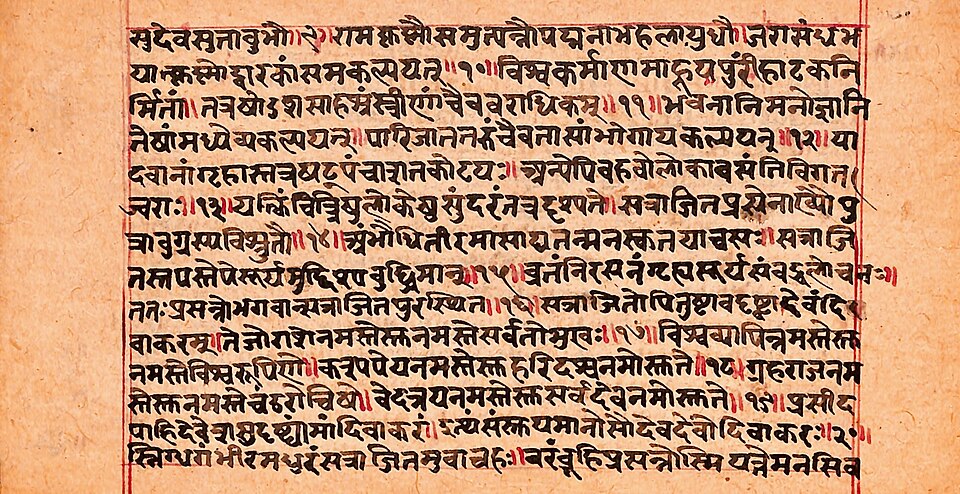
The Skanda Purana stands as the largest and one of the most voluminous of the eighteen Mahapuranas, comprising over 81,000 verses distributed across numerous khandas (sections) and upakhandas (sub-sections). This monumental Sanskrit text derives its name from Skanda, the divine commander of the celestial armies, more popularly known as Kartikeya, Murugan, Subrahmanya, or Shanmukha — the six-faced son of Lord Shiva and Goddess Parvati. As a Mahapurana, it belongs to the class of smriti literature that expounds Vedic truths through narrative, cosmology, geography, ritual instruction, and theological discourse, making it an encyclopedic repository of Hindu dharma, particularly within the Shaiva and Kaumara traditions. The Purana's composition is traditionally attributed to the sage Vyasa, who is said to have compiled it alongside the other Puranas at the dawn of the present Kali Yuga, though its current form reflects centuries of accretion, regional interpolation, and manuscript transmission across the Indian subcontinent.

Significance

The spiritual significance of the Skanda Purana is manifold, operating at the levels of theology, pilgrimage, ritual, and personal devotion. At its theological core, the text establishes Skanda as the embodiment of divine knowledge (jnana), spiritual power (shakti), and the destroyer of ignorance (avidya) — symbolized by his victory over the asura Tarakasura, who represents the ego-bound forces that obstruct liberation. The Purana's extensive glorification of tirthas (pilgrimage sites), particularly in the Kashi Khanda, Reva Khanda, and Prabhasa Khanda, maps the sacred geography of India, providing scriptural sanction for the sanctity of rivers like Narmada, Ganga, and Sarasvati, and sites such as Kashi, Kedarnath, Rameswaram, and the six abodes of Murugan (Arupadai Veedu) in Tamil Nadu. For the practitioner, hearing or reading the Skanda Purana — especially during the sacred month of Kartika (October–November) or on Skanda Shashthi — is considered highly meritorious, yielding phala (fruits) such as purification of sins, fulfillment of righteous desires, protection from malefic planetary influences (particularly Mars/Mangala, over whom Skanda presides), and ultimately, progress toward moksha. The text itself declares in the Mahatmya sections that even listening to a single verse with faith bestows the merit of performing great yajnas. Culturally, the Skanda Purana has shaped temple architecture, festival calendars, and regional traditions across India — from the grand Skanda Shashthi celebrations in Tamil Nadu and Kerala to the Narmada Parikrama in central India, and the worship of Kartikeya as the patron deity of the Tamil language and Sangam literature. Its narratives have inspired classical dance, sculpture, and folk traditions, while its ritual sections (paddhatis) guide daily worship, samskaras, and vratas in countless households and mathas.

Auspicious Time

For study/recitation: Brahma Muhurta (4:00–6:00 AM) daily; especially auspicious during Kartika month (Oct–Nov), Skanda Shashthi (6th day of waxing moon in Kartika/Aippasi), Vaikasi Visakam (May–June), and Thai Pusam (Jan–Feb). For Skanda Shashthi vrat: six consecutive days starting from Pratipada after Deepavali Amavasya.

Find your exact auspicious time Check the shubh muhurat and choghadiya for your city and date.

Required Samagri (Materials)

Skanda Purana text (Sanskrit or translation)
Clean seat (asana) facing east or north
Lamp (deepam) with ghee or sesame oil
Incense (dhupa)
Flowers (preferably red oleander, jasmine, or lotus)
Fruits (banana, pomegranate, mango)
Naivedya (sweet pongal, panchamritam, or fruits)
Rudraksha mala (108 beads) for japa
Water in copper/brass vessel (achamana)
Vibhuti (sacred ash) and kumkum

Preparation Steps

  1. 1Bathe and wear clean, preferably white or saffron clothing
  2. 2Clean the puja area and arrange altar with image/yantra of Kartikeya (Vel, peacock, six-faced form)
  3. 3Light the lamp and incense; offer achamana (sipping water) and pranayama
  4. 4Invoke Guru parampara and Ganesha for obstacle removal
  5. 5Set sankalpa (intention) for study/recitation/vrat with date, tithi, nakshatra, gotra
  6. 6Place the Skanda Purana text on a raised, clean platform (not directly on floor)

Steps

  1. 1Begin with Ganesha mantra: 'Om Gam Ganapataye Namaha' (3 times)
  2. 2Recite Guru stotram and Shiva-Shakti invocation: 'Om Namah Shivaya' (11 times)
  3. 3Offer pushpanjali (handful of flowers) to the deity while chanting Skanda's names
  4. 4Read/listen to one adhyaya (chapter) or a set number of verses daily with attention and bhavana
  5. 5After reading, offer naivedya and perform arati with camphor or ghee lamp
  6. 6Circumambulate (pradakshina) 3 times clockwise; offer namaskara (prostration)
  7. 7Distribute prasadam to family/guests; consume as divine grace
  8. 8If observing Skanda Shashthi vrat: fast (nirjala or phalahara), recite Kanda Shashthi Kavacham daily, maintain silence (mauna) as much as possible
  9. 9Conclude vrat on 7th day (Saptami) with special puja, feeding brahmins/children, and charity (dana)

Mantras

Skanda Moola Mantra

ॐ शरवणभवाय नमः

Om Sharavanabhavaya Namaha

Meaning: Salutations to the one born in the reed forest (Sharavana), the primordial seed of divine power.

Kartikeya Gayatri Mantra

ॐ तत्पुरुषाय विद्महे महासेनाय धीमहि तन्नः स्कन्दः प्रचोदयात्

Om Tatpurushaya Vidmahe Mahasenaya Dhimahi Tannah Skandah Prachodayat

Meaning: We meditate on the Supreme Person, the Great Commander; may Skanda inspire and illumine our intellect.

Shadakshara Mantra (Six-syllable Murugan Mantra)

ॐ सा र वा ना ब व

Om Sa Ra Va Na Ba Va

Meaning: The six-syllable essence of Murugan: Sa (Saravana), Ra (Ravana-destroyer), Va (Valli's lord), Na (Nakshatra-lord), Ba (Bhaktavatsala), Va (Vajra-vel holder).

Kanda Shashthi Kavacham (Opening Verse)

ஐம்புகழ் முத்து ஐந்து தோற்றன் ஐந்து முகமுடையான் அருமுகன்

Aimpugazh Muthu Aindhu Thotran Aindhu Mugamudaiyan Arumugan

Meaning: The five-fold praised, pearl-like one, the five-faced lord who manifested in five ways, the six-faced Arumugan (Tamil invocation from Kanda Shashthi Kavacham).

Skanda Prarthana (from Skanda Purana, Kashi Khanda)

स्कन्दं कुमारं सेनापतिं च षण्मुखं तं नमामि शरणं प्रपद्ये

Skandam Kumaram Senapatim Cha Shanmukham Tam Namami Sharanam Prapadye

Meaning: I bow to Skanda, the eternal youth, commander of armies, the six-faced one; I surrender to him as my refuge.

Guidelines

  • Observe celibacy (brahmacharya) during vrat period
  • Fast from sunrise to sunset (nirjala or phalahara: fruits, milk, water only)
  • Avoid onion, garlic, meat, alcohol, tobacco, and tamasic foods
  • Sleep on floor or mat; avoid luxurious bedding
  • Maintain purity of speech: avoid gossip, lies, harsh words
  • Perform puja at prescribed times (dawn, noon, dusk)
  • Read/recite Skanda Purana or Kanda Shashthi Kavacham daily
  • Offer dana (charity) on concluding day: food, clothes, books, or money to deserving persons

Do's

  • Approach the text with shraddha (faith) and bhakti (devotion)
  • Pronounce Sanskrit verses correctly; learn from a guru if possible
  • Maintain external and internal purity (shaucha) before handling the text
  • Share the merit (punya) of reading with ancestors and all beings
  • Observe Skanda Shashthi vrat with discipline and joy, not as burden
  • Visit a Murugan temple during the vrat if feasible
  • Wear vibhuti and rudraksha as reminders of the divine

Don'ts

  • Do not place the Purana on the floor, near feet, or in impure places
  • Do not read during menstruation (as per traditional smriti; consult family elder)
  • Do not interrupt recitation for casual conversation
  • Do not consume prasadam before offering to deity
  • Do not criticize other deities or traditions while studying this Shaiva text
  • Do not undertake vrat if physically unwell without medical advice
  • Do not treat the text as mere literature — it is a living scripture

Common Mistakes to Avoid

  • Skipping the invocation (Ganesha/Guru) and jumping straight to reading
  • Reading mechanically without contemplation (manana) on the meaning
  • Confusing Skanda Purana with other Puranas (e.g., Shiva Purana) in citation
  • Neglecting the tirtha-mahatmya sections which are central to the text's purpose
  • Observing vrat externally (food only) without internal discipline (speech, thought)
  • Using translated versions without verifying authenticity of the translation

Regional Variations

  • Tamil Nadu: Kanda Shashthi Kavacham (Tamil) recited instead of Sanskrit Purana; Arupadai Veedu pilgrimage emphasized
  • Kerala: Skanda Purana reading during Mandala season (Nov–Jan); Subrahmanya temples like Haripad, Payyanur central
  • Maharashtra/Gujarat: Narmada Parikrama guided by Reva Khanda; Skanda as Mallikarjuna in some folk traditions
  • North India: Kartika month reading of Kashi Khanda; Skanda worship merged with Hanuman in some akharas
  • Sri Lanka: Kataragama festival (Esala) draws from Skanda Purana lore; Vedda and Buddhist syncretism
  • Malaysia/Singapore/Diaspora: Thaipusam kavadi attam as living enactment of Skanda's victory; Purana discourses in Tamil/English

Frequently Asked Questions

Is the Skanda Purana only for Tamils or South Indians?
No. While Kartikeya/Murugan is especially beloved in Tamil Nadu and among the Tamil diaspora, the Skanda Purana is a pan-Indian Mahapurana. Its khandas cover tirthas across the subcontinent — Kashi, Narmada, Prabhasa, Ayodhya, Badari, and more. It is studied and revered in Shaiva mathas, Vedic pathashalas, and households from Kashmir to Kanyakumari.
Can women read the Skanda Purana or observe Skanda Shashthi vrat?
Yes. Scriptural study and vratas are open to all varnas and genders in the bhakti tradition. Traditional smriti texts may restrict Vedic recitation during menstruation, but Purana-parayana (recitation of Puranas) is generally permitted for women at all times. Many women observe Skanda Shashthi with great devotion. Consult your family guru for your sampradaya's guidance.
What is the difference between Skanda Purana and Kanda Puranam?
The Skanda Purana is the Sanskrit Mahapurana (81,000+ verses). The Kanda Puranam is a medieval Tamil rendition by Kachiappa Sivachariyar (14th century), based on the Sanskrit text but enriched with Tamil bhakti poetry and local lore. Both are authoritative in their linguistic and cultural spheres.
Which khanda of Skanda Purana should a beginner start with?
The Kashi Khanda (glory of Varanasi) and the Shankara Samhita (dialogue between Shiva and Parvati on Skanda's birth and deeds) are excellent starting points. For Tamil devotees, the Kanda Shashthi Kavacham and Tirumurukarruppatai (Sangam literature) are more accessible entryways.
Does Skanda Purana mention the six abodes (Arupadai Veedu) of Murugan?
The specific list of six temples (Tiruttani, Swamimalai, Palani, Tiruchendur, Tirupparankunram, Pazhamudircholai) is crystallized in later Tamil tradition (Nakkirar's Tirumurukarruppatai, 2nd century CE). The Skanda Purana's Tamil-sthala sections and the Kanda Puranam elaborate these sites, but the Sanskrit text focuses more on pan-Indian tirthas.

References & Traditional Notes

  • Skanda Purana (Sanskrit) — critical editions: Venkateshvara Press (Bombay), Motilal Banarsidass (Delhi), and the ongoing Skanda Purana Project (French Institute of Pondicherry / EFEO)
  • Kanda Puranam by Kachiappa Sivachariyar (Tamil) — published by Saiva Siddhanta Mutt, Chidambaram
  • Kanda Shashthi Kavacham by Devaraya Swamigal (Tamil, 19th century) — widely recited during Skanda Shashthi
  • Tirumurukarruppatai by Nakkirar (Sangam Tamil, 2nd century CE) — earliest extant Murugan bhakti poem
  • Skanda Shashthi Mahotsava manuals from Tiruchendur, Palani, and Kataragama temples
  • Ananda Tandava (Shaiva Siddhanta) and Kumara Tantra (Kaumara Agama) for ritual context
  • Scholarly works: R. C. Hazra (Studies in the Puranic Records), Gregory Bailey (Skanda Purana translations), Fred Clothey (Murugan studies)

Related Audio & Bhajans

Ov Moi Omm - Kāvya Puranas

other
View Lyrics

Puranas

otherYouTube
Open on YouTube →
Lyrics

Skanda Purana

otherShruti Gupta
View Lyrics

Skanda Purana - Khandam 8 (of 8) - Ambika Khanda - All 183 Adhyayas - Audio by P R Iyer

other
View Lyrics

Skanda Purana

otherYouTube
Open on YouTube →
Lyrics

Stories

otherMridul Anil
View Lyrics

Stories from the Mahabharata

otherYouTube
Open on YouTube →
Lyrics

Lord Brahma stories

otherYouTube
Open on YouTube →
Lyrics

Largest Temple

otherYouTube
Open on YouTube →
Lyrics

viShNu-purANa-taylor

other
View Lyrics

एफ़िलिएट प्रकटीकरण: सनातन हिंदू अमेज़न एसोसिएट्स प्रोग्राम और CueLinks एफ़िलिएट नेटवर्क (मिंत्रा और फ्लिपकार्ट) में भाग लेता है। इस पृष्ठ पर एफ़िलिएट लिंक हैं: यदि आप क्लिक करके खरीदते हैं तो हमें एक छोटा कमीशन मिलता है, आप पर बिना किसी अतिरिक्त लागत के। अमेज़न एसोसिएट के रूप में हम पात्र खरीद से कमाते हैं। पूरा प्रकटीकरण

Amazon.in पर पूजा सामग्री खरीदें

क्लिक करने पर Amazon.in खुलता है। कीमत और उपलब्धता बदल सकती है।

सभी पूजा वस्तुएँ देखें

अमेज़न एसोसिएट्स टैग: geekydevelope-21

फ्लिपकार्ट पर पूजा और त्योहारी सामग्री खरीदें

क्लिक करने पर हमारे एफ़िलिएट लिंक से फ्लिपकार्ट खुलता है। कीमत और उपलब्धता बदल सकती है।

फ्लिपकार्ट पर खरीदें

CueLinks प्रकाशक: 300371

मिंत्रा पर त्योहारी परिधान खरीदें

क्लिक करने पर हमारे एफ़िलिएट लिंक से मिंत्रा खुलता है। कीमत और उपलब्धता बदल सकती है।

CueLinks प्रकाशक: 300371

Share:

दैनिक पंचांग व त्योहार अपडेट पाएँ

हमारे निःशुल्क न्यूज़लेटर से जुड़ें, कोई स्पैम नहीं, कभी भी अनसब्सक्राइब करें।