
27 Nakshatras: A Complete Guide to the Lunar Mansions, Deities, and Cosmic Significance
Explore the profound wisdom of the 27 Nakshatras. A deep dive into the lunar mansions, their presiding deities, planetary rulers, and astrological significance.
Affiliate disclosure: Sanatan Hindu participates in the Amazon Associates Programme and the CueLinks affiliate network (Myntra & Flipkart). This page contains affiliate links, if you click and buy, we earn a small commission at no extra cost to you. As an Amazon Associate we earn from qualifying purchases. Full disclosure.
Introduction
The origins of Nakshatra science are deeply embedded in the Vedas, specifically mentioned in the Rigveda, where they are described as the 'starry mansions' that provide a framework for time and space. Mythologically, the Nakshatras are often personified as the 27 daughters of Daksha Prajapati, who were married to Chandra, the Moon God. This celestial marriage symbolizes the union between the lunar consciousness (the mind/Manas) and the various qualities, energies, and cosmic forces represented by each mansion. Each daughter brings a unique temperament, blessing, or curse, reflecting the multifaceted nature of the human experience.
Beyond simple categorization, the Nakshatras act as a cosmic blueprint. They are not merely points in the sky but are living energies. Each Nakshatra is governed by a presiding deity (Devata), a ruling planet (Graha), and possesses specific characteristics (Guna) such as stability, movement, or nourishment. These influences shape everything from an individual's personality and temperament to their life purpose, karmic lessons, and even their physical constitution. By studying the Nakshatras, a practitioner of Jyotish seeks to decode the complex language of the stars to align human life with the divine order (Rta).
In a broader cultural and spiritual context, the Nakshatras are essential for determining auspicious timings (Muhurta) for significant life events, including weddings, housewarmings, and spiritual initiations. They dictate the timing of festivals, the cycles of agriculture, and the movements of the deities. For the seeker of spiritual growth, understanding one's Janma Nakshatra (birth star) is the first step toward self-realization, as it reveals the underlying patterns of the soul's journey through various incarnations.
Significance
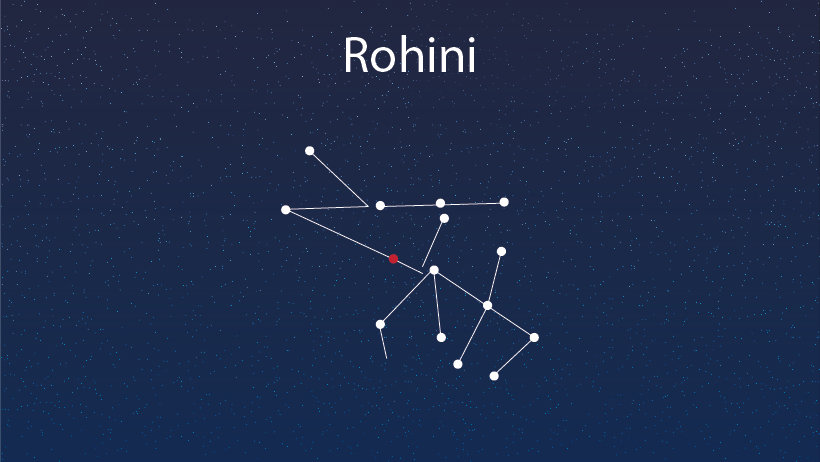
Spiritually, each Nakshatra is a portal to a specific divine energy. By meditating on the deity of one's birth Nakshatra, a practitioner can tap into specific qualities. For example, someone born under Ashwini might seek to harness the healing energies of the Ashwini Kumaras, while someone born under Rohini might focus on the creative and nourishing qualities of Prajapati. This connection allows for a personalized path of Sadhana (spiritual practice), where the individual works in harmony with their innate cosmic resonance rather than against it.
Culturally, the Nakshatras are the heartbeat of the Hindu calendar. The timing of many important rituals and festivals is determined by the position of the Moon within specific Nakshatras. For instance, certain Siddha Nakshatras are considered highly auspicious for spiritual empowerment and gaining esoteric knowledge. The concept of 'Nakshatra Bala' (the strength of a star) is used to determine the success of various endeavors, ensuring that human action is synchronized with the macrocosmic flow of energy.
Furthermore, the Nakshatras provide a more granular level of detail than the Rashi (Sign) system. While a Rashi tells us the broad environment, the Nakshatra tells us the specific flavor of the experience. It explains why two people born under the same zodiac sign may have vastly different temperaments, motivations, and life paths. They provide the 'micro-climate' of the soul, offering profound insights into the karma that one has brought into this lifetime and the specific tools available for its resolution.
Auspicious Time
Find your exact auspicious time Check the shubh muhurat and choghadiya for your city and date.
Required Samagri (Materials)
Preparation Steps
- 1Determine your birth details (Date, Time, Place) to find your Janma Nakshatra.
- 2Acquire a reliable Vedic Astrology software or a physical Panchang.
- 3Quiet the mind through breathing exercises to prepare for the study of cosmic energies.
Steps
- 1Step 1: Identify your Janma Nakshatra (the star where the Moon was at birth).
- 2Step 2: Identify your Charana (quarter) within that Nakshatra to understand the specific Pada influence.
- 3Step 3: Research the presiding Deity (Devata) of your Nakshatra.
- 4Step 4: Learn the ruling Graha (planet) associated with that Nakshatra.
- 5Step 5: Meditate on the qualities of the deity to align your consciousness with your stellar archetype.
Mantras
General Nakshatra Alignment Mantra
ॐ नमो भगवते [Deity Name]ाय नमः
Om Namo Bhagavate [Deity Name]aya Namah
Meaning: Salutations to the Divine [Deity Name].
Guidelines
- •When performing Nakshatra-specific Sadhana, maintain mental purity.
- •Observe dietary restrictions appropriate to the deity (e.g., Satvic diet).
Do's
- ✓Respect the specific qualities of each Nakshatra.
- ✓Use a Panchang to verify current Nakshatra positions.
- ✓Perform charity according to the Nakshatra's ruling planet.
Don'ts
- ✗Do not dismiss the subtle influences of Nakshatras in favor of only Rashi.
- ✗Do not attempt complex Nakshatra rituals without proper guidance or understanding of the deity.
Common Mistakes to Avoid
- •Focusing only on the Moon and ignoring the Nakshatra's ruling planet.
- •Confusing the Nakshatra with the Rashi (Zodiac Sign).
- •Ignoring the importance of the Nakshatra Pada (quarter).
Regional Variations
- •South Indian traditions may place different emphasis on certain Nakshatra-based Muhurtas compared to North Indian traditions.
- •Vedic astrology calculation methods (Ayanamsa) can vary slightly between traditions (Lahiri vs. Raman, etc.), affecting Nakshatra boundaries.
Frequently Asked Questions
What is the difference between Rashi and Nakshatra?▾
Can I change my Nakshatra?▾
Popular Tools
References & Traditional Notes
- •Consult the Brihat Parashara Hora Shastra for classical definitions.
- •Note that different traditions may list slightly different deities for certain Nakshatras.
- •Always use the Lahiri Ayanamsa for standard Vedic calculations.
Related Audio & Bhajans
Affiliate disclosure: Sanatan Hindu participates in the Amazon Associates Programme and the CueLinks affiliate network (Myntra & Flipkart). This page contains affiliate links, if you click and buy, we earn a small commission at no extra cost to you. As an Amazon Associate we earn from qualifying purchases. Full disclosure.
Shop Samagri on Amazon.in
Clicking opens Amazon.in. Prices and availability may vary.
Browse all pooja itemsAmazon Associates tag: geekydevelope-21
Shop Pooja & Festive Essentials on Flipkart
Clicking opens Flipkart via our affiliate link. Prices and availability may vary.
Shop on FlipkartCueLinks Publisher: 300371
Shop Festive Wear on Myntra
Clicking opens Myntra via our affiliate link. Prices and availability may vary.
CueLinks Publisher: 300371
Need a website? Describe it, and AI builds it.
Perfect for a temple, pooja service, astrology practice or small shop. Tell the AI what you want — or drag and drop the classic way — and go live on your own web address in minutes with Sitova. Hosting, SEO, forms and analytics are all included.
- Build with AI or drag & drop
- Your domain + SEO built in
- Free forever plan
Opens sitova.site