Sacred PlacesGangaNone

Alaknanda River — From Satopanth to Devprayag

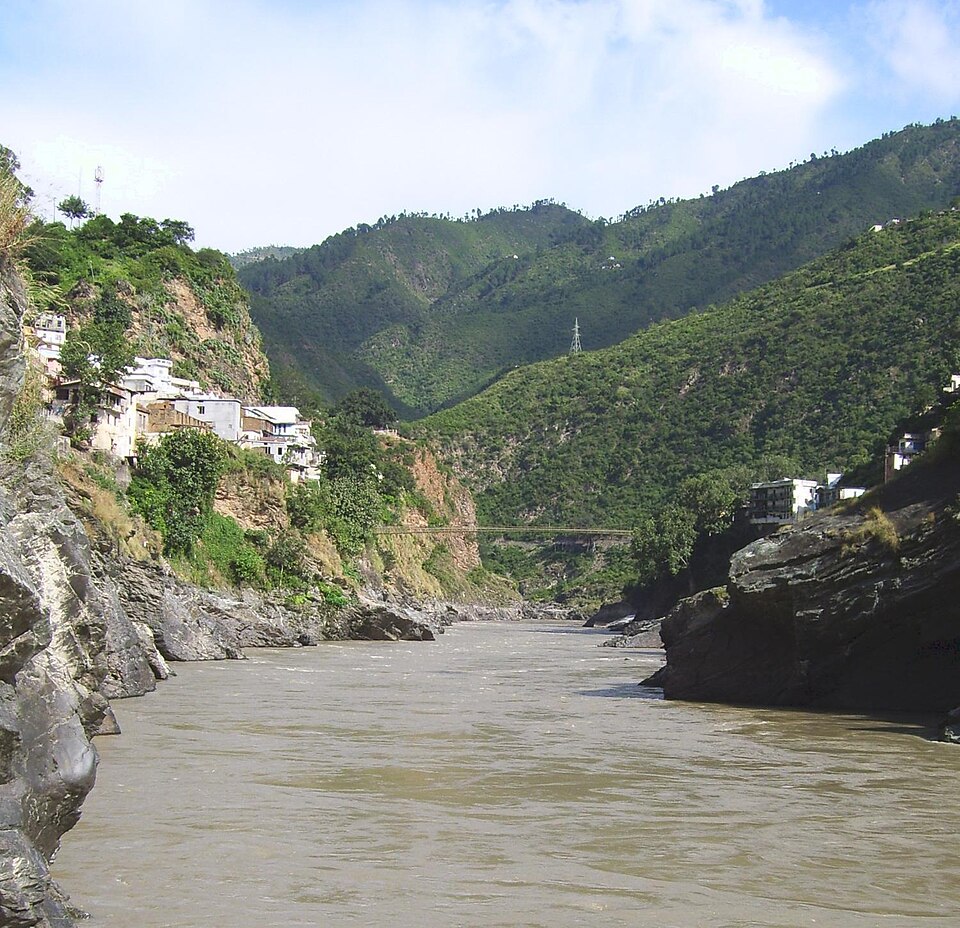
Originating from Satopanth, Alaknanda River merges with Bhagirathi at Devprayag, creating the Ganges River.
By Sanatan Hindu6 min readUpdated 12 August 2026Audio available
Share:

Affiliate disclosure: Sanatan Hindu participates in the Amazon Associates Programme and the CueLinks affiliate network (Myntra & Flipkart). This page contains affiliate links, if you click and buy, we earn a small commission at no extra cost to you. As an Amazon Associate we earn from qualifying purchases. Full disclosure.

Alaknanda River — From Satopanth to Devprayag

Introduction

The Alaknanda River is one of the two primary sources of the Ganges River, the most sacred river in Hinduism. It originates from the Satopanth glacier, which is situated below the Satopanth peak in the Garhwal Himalayas, Uttarakhand, India. The significance of the Alaknanda River is deeply rooted in Hindu mythology and is mentioned in several ancient Hindu scriptures, including the Mahabharata and the Skanda Purana. In these scriptures, the Alaknanda River is described as a sacred river that has the power to purify the soul and bring spiritual enlightenment to those who bathe in its waters or offer prayers on its banks. The Alaknanda River flows through several sacred places, including Badrinath, one of the four Char Dham pilgrimage sites in Uttarakhand, and Joshimath, a significant pilgrimage center in the region. The river's journey from Satopanth to Devprayag, where it merges with the Bhagirathi River, is considered a sacred pilgrimage route by many Hindus. Along its banks, several temples, ashrams, and sacred sites are located, making it a spiritually significant region. The Alaknanda River's origin and journey are steeped in legend and mythology. According to one legend, the river was brought to earth by the sage Agastya, who is said to have meditated for many years in the Satopanth region. Another legend states that the river is a manifestation of the goddess Ganga, who descended from heaven to purify the earth. These legends and myths contribute to the river's spiritual significance and attract thousands of pilgrims and devotees to its banks every year. The cultural and spiritual context of the Alaknanda River is deeply intertwined with the broader Hindu tradition. The river is considered a symbol of spiritual growth, self-purification, and liberation. Its waters are believed to have healing properties, and many people bathe in the river to cleanse their bodies and souls. The Alaknanda River's significance extends beyond its spiritual importance, as it also plays a crucial role in the region's ecosystem and supports a wide range of flora and fauna. The river's basin is home to several endangered species, including the snow leopard, the Himalayan black bear, and the musk deer. The Alaknanda River's journey from Satopanth to Devprayag is a testament to the region's natural beauty and spiritual significance. The river flows through narrow gorges, deep valleys, and picturesque villages, offering breathtaking views and opportunities for spiritual reflection. As the river approaches Devprayag, it merges with the Bhagirathi River, creating the Ganges River, which then flows through the plains of India, nourishing millions of people and supporting a wide range of agricultural and industrial activities. The confluence of the Alaknanda and Bhagirathi rivers at Devprayag is a sacred site, and many people come to this place to offer prayers, bathe in the river, and perform rituals. The significance of the Alaknanda River is not limited to its spiritual importance; it also plays a crucial role in the region's economy and ecology. The river supports a wide range of agricultural activities, including farming, horticulture, and animal husbandry. The river's waters are also used for drinking, irrigation, and hydroelectric power generation. In conclusion, the Alaknanda River is a sacred and culturally significant river that originates from the Satopanth glacier and flows through several sacred places before merging with the Bhagirathi River at Devprayag. Its spiritual significance is deeply rooted in Hindu mythology, and it attracts thousands of pilgrims and devotees to its banks every year. The river's cultural and spiritual context is intertwined with the broader Hindu tradition, and it plays a crucial role in the region's ecosystem, economy, and ecology.

Significance

The Alaknanda River is considered sacred in Hinduism, and its significance extends beyond its spiritual importance. The river is believed to have the power to purify the soul and bring spiritual enlightenment to those who bathe in its waters or offer prayers on its banks. The river's waters are also believed to have healing properties, and many people come to the river to bathe and cleanse their bodies and souls. The Alaknanda River's spiritual significance is deeply rooted in Hindu mythology, and it is mentioned in several ancient Hindu scriptures, including the Mahabharata and the Skanda Purana. According to these scriptures, the river is a manifestation of the goddess Ganga, who descended from heaven to purify the earth. The river's origin and journey are steeped in legend and mythology, and its cultural and spiritual context is intertwined with the broader Hindu tradition. The Alaknanda River plays a crucial role in the region's ecosystem, supporting a wide range of flora and fauna, including several endangered species. The river's basin is home to several sacred sites, including Badrinath, one of the four Char Dham pilgrimage sites in Uttarakhand, and Joshimath, a significant pilgrimage center in the region. The river's journey from Satopanth to Devprayag is a testament to the region's natural beauty and spiritual significance, and it attracts thousands of pilgrims and devotees to its banks every year. The confluence of the Alaknanda and Bhagirathi rivers at Devprayag is a sacred site, and many people come to this place to offer prayers, bathe in the river, and perform rituals. The significance of the Alaknanda River is not limited to its spiritual importance; it also plays a crucial role in the region's economy and ecology. The river supports a wide range of agricultural activities, including farming, horticulture, and animal husbandry. The river's waters are also used for drinking, irrigation, and hydroelectric power generation. In Hindu astrology, the Alaknanda River is associated with the planet Jupiter, which is considered a benefic planet that brings good fortune and prosperity. The river's spiritual significance is also associated with the concept of karma, which is the idea that an individual's actions have consequences in this life and the next. The Alaknanda River is believed to have the power to cleanse the soul of past sins and bring spiritual enlightenment to those who bathe in its waters or offer prayers on its banks. The river's cultural and spiritual context is also associated with the concept of dharma, which is the idea that individuals have a duty to follow a certain path or way of life. The Alaknanda River is believed to be a symbol of dharma, and its waters are considered sacred because they are believed to have the power to purify the soul and bring spiritual enlightenment. In conclusion, the Alaknanda River is a sacred and culturally significant river that plays a crucial role in the region's ecosystem, economy, and ecology. Its spiritual significance is deeply rooted in Hindu mythology, and it attracts thousands of pilgrims and devotees to its banks every year. The river's cultural and spiritual context is intertwined with the broader Hindu tradition, and it is considered a symbol of spiritual growth, self-purification, and liberation.

Best Time to Perform

The best time to visit the Alaknanda River is from May to June and from September to November, when the weather is pleasant and the river's water levels are relatively low.

Find your exact auspicious time Check the shubh muhurat and choghadiya for your city and date.

Required Samagri (Materials)

Comfortable clothing and shoes
Water bottle
Sunscreen
First-aid kit
Camera

Preparation Steps

  1. 1Check the weather forecast before visiting the river
  2. 2Wear comfortable clothing and shoes
  3. 3Bring a water bottle and stay hydrated
  4. 4Apply sunscreen and wear a hat to protect yourself from the sun

Step-by-Step Vidhi

  1. 1Start your journey from Satopanth and follow the river's course to Devprayag
  2. 2Visit the sacred sites along the river, including Badrinath and Joshimath
  3. 3Take a dip in the river at Devprayag and offer prayers
  4. 4Explore the surrounding region and enjoy the natural beauty of the Himalayas

Mantras

Ganga Stuti

गंगा स्तुति

Ganga Stuti

Meaning: Hymn to the Ganges River

Alaknanda Stuti

अलकनंदा स्तुति

Alaknanda Stuti

Meaning: Hymn to the Alaknanda River

Vrat Rules

  • Take a dip in the river at dawn
  • Offer prayers and perform rituals
  • Fast or eat only satvik food
  • Avoid non-vegetarian food and intoxicants

Do's

  • Respect the river and its surroundings
  • Follow the rules and regulations of the sacred sites
  • Be mindful of your actions and their impact on the environment

Don'ts

  • Do not litter or pollute the river
  • Do not harm or disturb the wildlife
  • Do not engage in any activity that may disrupt the peace and tranquility of the surroundings

Common Mistakes to Avoid

  • Not respecting the river and its surroundings
  • Not following the rules and regulations of the sacred sites
  • Not being mindful of your actions and their impact on the environment

Regional Variations

  • The Alaknanda River is considered sacred in Hinduism, but its significance and cultural context may vary across different regions and communities

Frequently Asked Questions

What is the best time to visit the Alaknanda River?
The best time to visit the Alaknanda River is from May to June and from September to November, when the weather is pleasant and the river's water levels are relatively low.
What are the rules for taking a dip in the river?
Take a dip in the river at dawn, offer prayers and perform rituals, fast or eat only satvik food, and avoid non-vegetarian food and intoxicants.

References & Traditional Notes

  • The Alaknanda River is mentioned in several ancient Hindu scriptures, including the Mahabharata and the Skanda Purana

Related Audio & Bhajans

Jai Gange Mata - Ganga Aarti

aartiTraditional
View Lyrics

Guligat Dhoka (From "Zapuk Zupuk")

otherRavindra Khomne
View Lyrics

Chuttamalle - Bengali Version (From "Chuttamalle - Bengali Version")

otherAnindita Chatterjee
View Lyrics

River Narmada Aarti River Narmada

aartiYouTube
Open on YouTube →
Lyrics

Eswaran Hinduvalla (From "Postmane Kananilla")

otherK.J. Yesudas
View Lyrics

Needhaya Raadha Rama (From "Pooja")

otherP. Susheela
View Lyrics

US lets autonomous vehicle bypass human-driver safety rules

other
View Lyrics

Madira (From "Rahu Ketu")

otherAbhinav Shekhar
View Lyrics

Hanuman Chalisa (From "Hanuman Chalisa - Zee Music Devotional")

otherSanjeev-Ajay
View Lyrics

Entha (From "Vande Devi Vande")

otherVid Sandya
View Lyrics

Affiliate disclosure: Sanatan Hindu participates in the Amazon Associates Programme and the CueLinks affiliate network (Myntra & Flipkart). This page contains affiliate links, if you click and buy, we earn a small commission at no extra cost to you. As an Amazon Associate we earn from qualifying purchases. Full disclosure.

Shop Samagri on Amazon.in

Clicking opens Amazon.in. Prices and availability may vary.

Browse all pooja items

Amazon Associates tag: geekydevelope-21

Shop Pooja & Festive Essentials on Flipkart

Clicking opens Flipkart via our affiliate link. Prices and availability may vary.

Shop on Flipkart

CueLinks Publisher: 300371

Shop Festive Wear on Myntra

Clicking opens Myntra via our affiliate link. Prices and availability may vary.

CueLinks Publisher: 300371

Share:

Get the daily panchang & festival updates

Join our free newsletter, no spam, unsubscribe anytime.