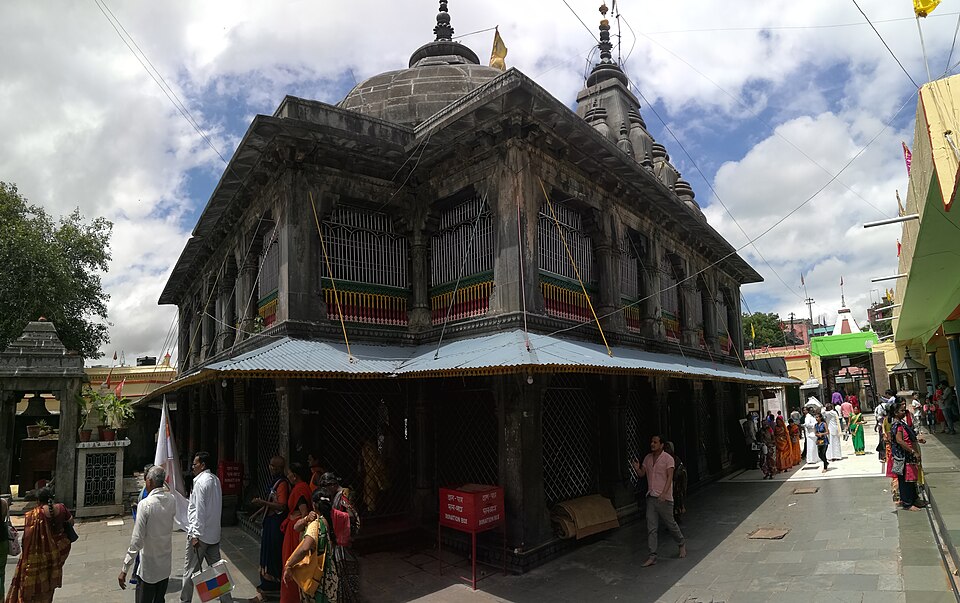
The Gaya Vishnupad Temple, situated in Gaya, Bihar, is one of the most revered sites in Hinduism for performing Pind Daan and Pitru Tarpan. These rituals are crucial for paying homage to one's ancestors and ensuring their peaceful journey to the afterlife. According to Hindu scriptures, particularly the Garuda Purana and the Mahabharata, the performance of Pind Daan and Pitru Tarpan in Gaya is considered highly auspicious and beneficial. The temple, dedicated to Lord Vishnu, is believed to have been built on the spot where Lord Vishnu's footprint is said to have been imprinted, hence the name Vishnupad. This temple has been a significant pilgrimage site for centuries, attracting devotees from all over the world who come to offer prayers and perform rituals for their ancestors. The story behind the temple's origin and significance is deeply rooted in Hindu mythology. It is said that Lord Rama, along with his wife Sita and brother Lakshmana, visited Gaya to perform the Shraddha ceremony for his father, King Dasharatha. The act of performing Pind Daan in Gaya is believed to bring peace to the souls of the deceased and is considered an essential duty of the living towards their ancestors. Moreover, the temple's connection to Lord Vishnu emphasizes the importance of spiritual growth and the pursuit of moksha. The rituals performed at the Gaya Vishnupad Temple are not just a means of honoring one's ancestors but also a way of acknowledging the cycle of life and death. By performing these rituals, devotees seek to ensure that their ancestors attain liberation and that they themselves can break free from the cycle of rebirth. The significance of the Gaya Vishnupad Temple extends beyond the performance of Pind Daan and Pitru Tarpan. It symbolizes the eternal bond between the living and the dead, highlighting the responsibilities of the living towards their ancestors and the importance of respecting and honoring those who have come before us. In Hindu tradition, the concept of 'pitru' or ancestors is deeply revered, and the rituals at Gaya are a testament to this reverence. The temple serves as a reminder of the transient nature of life and the need to live in harmony with the natural and spiritual worlds. The rituals and ceremonies performed at the Gaya Vishnupad Temple are steeped in tradition and are guided by ancient scriptures and customs. Understanding the significance and the proper method of performing these rituals is essential for those who wish to honor their ancestors and seek spiritual growth. The temple's atmosphere, filled with devotion and a sense of community, provides a unique opportunity for spiritual reflection and growth. For many, the experience of performing Pind Daan and Pitru Tarpan at the Gaya Vishnupad Temple is a once-in-a-lifetime event, filled with emotions, spiritual awakening, and a deeper connection to their heritage. The temple's historical and cultural significance, combined with its religious importance, makes it a place of pilgrimage that attracts visitors from diverse backgrounds. As a site of immense spiritual and cultural importance, the Gaya Vishnupad Temple continues to inspire and guide generations in their quest for spiritual enlightenment and their duty towards their ancestors. In the context of Hindu spirituality, the temple represents a bridge between the world of the living and the realm of the ancestors, facilitating a connection that transcends the boundaries of life and death. The rituals and practices associated with the temple are a manifestation of the enduring bond between the living and the dead, emphasizing the importance of tradition, heritage, and spiritual continuity. The Gaya Vishnupad Temple, with its rich history and profound spiritual significance, stands as a testament to the timeless wisdom and practices of Hinduism, guiding devotees on their journey towards spiritual growth and liberation.
Significance
The significance of the Gaya Vishnupad Temple and the rituals of Pind Daan and Pitru Tarpan can be understood on multiple levels, including spiritual, religious, cultural, and astrological. Spiritually, these rituals are considered essential for the liberation of the soul of the deceased, ensuring that they attain peace and do not suffer in the afterlife. The act of performing Pind Daan is believed to help in the journey of the soul, providing it with the necessary sustenance and support. On a religious level, the rituals performed at the Gaya Vishnupad Temple are in accordance with ancient Hindu scriptures, which outline the importance of honoring one's ancestors and performing the necessary rites for their liberation. The temple's association with Lord Vishnu adds a deeper layer of significance, as it emphasizes the pursuit of spiritual growth and the attainment of moksha. Culturally, the Gaya Vishnupad Temple is a symbol of the rich heritage and traditions of Hinduism, representing the continuity of practices and beliefs that have been passed down through generations. Astrologically, the performance of Pind Daan and Pitru Tarpan is believed to have a positive impact on the living, helping to mitigate the effects of ancestral curses or unresolved karma. The rituals are also considered beneficial for those seeking to improve their spiritual and material well-being, as they are believed to bring blessings from the ancestors. The deeper symbolism behind the rituals at the Gaya Vishnupad Temple relates to the concept of 'shraddha' or faith, which is a fundamental aspect of Hindu spirituality. The act of performing Pind Daan and Pitru Tarpan with faith and devotion is believed to create a powerful bond between the living and the dead, facilitating a process of mutual benefit and growth. The benefits of performing these rituals are manifold, ranging from spiritual liberation for the deceased to peace, prosperity, and good fortune for the living. In the broader context of Hindu rituals and practices, the Gaya Vishnupad Temple occupies a unique position, serving as a focal point for the observance of ancestral rites and the pursuit of spiritual enlightenment. The temple's significance is further underscored by its association with various Hindu festivals and rituals, which are observed with great fervor and devotion. The performance of Pind Daan and Pitru Tarpan during these festivals is considered particularly auspicious, as it is believed to amplify the benefits and create a more profound impact on the spiritual journey of both the living and the dead. In conclusion, the Gaya Vishnupad Temple and the rituals of Pind Daan and Pitru Tarpan are deeply intertwined with the spiritual, religious, cultural, and astrological fabric of Hinduism, representing a vital aspect of Hindu tradition and practice. The significance of these rituals extends beyond the individual, contributing to the collective well-being and spiritual growth of the community, and emphasizing the importance of respecting and honoring one's heritage and ancestors. The Gaya Vishnupad Temple, as a site of immense spiritual and cultural importance, continues to inspire and guide devotees on their journey towards spiritual enlightenment, serving as a powerful symbol of the enduring bond between the living and the dead. The temple's rich history, combined with its profound spiritual significance, makes it a place of pilgrimage that attracts visitors from diverse backgrounds, all of whom are united by their quest for spiritual growth and their desire to honor their ancestors. As a testament to the timeless wisdom and practices of Hinduism, the Gaya Vishnupad Temple stands as a beacon of hope and guidance, illuminating the path towards spiritual liberation and enlightenment. The rituals and practices associated with the temple are a manifestation of the enduring bond between the living and the dead, emphasizing the importance of tradition, heritage, and spiritual continuity. By performing Pind Daan and Pitru Tarpan at the Gaya Vishnupad Temple, devotees can ensure that their ancestors attain peace and liberation, while also contributing to their own spiritual growth and well-being. The significance of the Gaya Vishnupad Temple and the rituals of Pind Daan and Pitru Tarpan is a reminder of the importance of respecting and honoring one's heritage and ancestors, and of the need to live in harmony with the natural and spiritual worlds. The temple's atmosphere, filled with devotion and a sense of community, provides a unique opportunity for spiritual reflection and growth, guiding devotees on their journey towards spiritual enlightenment and liberation.
Best Time to Perform
The best time to perform Pind Daan and Pitru Tarpan at the Gaya Vishnupad Temple is during the Pitru Paksha, which typically falls in the month of September or October. However, the rituals can be performed at any time of the year, and it is recommended to consult with a pandit or priest to determine the most auspicious time.
Preparation Steps
1Bath in the Phalgu River
2Wear clean clothes
3Perform the ritual with faith and devotion
4Follow the instructions of the pandit or priest
5Offer prayers and mantras
Step-by-Step Vidhi
1The ritual begins with a bath in the Phalgu River, followed by wearing clean clothes.
2The devotee then proceeds to the Vishnupad Temple, where they offer prayers and perform the ritual of Pind Daan.
3The ritual involves the offering of pind (rice balls) to the ancestors, which is believed to provide them with sustenance and support on their journey.
4The devotee also offers til (sesame seeds), kala til (black sesame seeds), akshat (unbroken rice), flowers, fruits, ghee (clarified butter), milk, and honey as part of the ritual.
5The ritual is performed with the guidance of a pandit or priest, who recites mantras and prayers to invoke the ancestors and seek their blessings.
Mantras
Pind Daan Mantra
ॐ पितृभ्यः प्रेतभ्यः पिशाचभ्यः सर्वभूतेभ्यः नमः
Om pitribhyah pretbhayah pishachbhayah sarvabhutebhyah namah
Meaning: Salutations to the ancestors, the departed souls, and all beings.
Pitru Tarpan Mantra
ॐ पितृभ्यः नमः स्वधा नमः
Om pitribhyah namah swadha namah
Meaning: Salutations to the ancestors, and to the all-pervading energy that nourishes them.
Vrat Rules
•The ritual of Pind Daan and Pitru Tarpan should be performed with faith and devotion.
•The devotee should follow the instructions of the pandit or priest.
•The ritual should be performed during the Pitru Paksha, or at any other time of the year as determined by the pandit or priest.
Do's
✓Perform the ritual with faith and devotion.
✓Follow the instructions of the pandit or priest.
✓Offer prayers and mantras with sincerity and respect.
Don'ts
✗Do not perform the ritual without proper guidance and instruction.
✗Do not neglect to offer prayers and mantras with sincerity and respect.
✗Do not disregard the importance of faith and devotion in the performance of the ritual.
Common Mistakes to Avoid
•Neglecting to perform the ritual with faith and devotion.
•Failing to follow the instructions of the pandit or priest.
•Disregarding the importance of offering prayers and mantras with sincerity and respect.
Regional Variations
•The ritual of Pind Daan and Pitru Tarpan may vary depending on the region and community.
•The specific mantras and prayers used may differ.
•The timing and duration of the ritual may also vary.
Frequently Asked Questions
What is the significance of performing Pind Daan and Pitru Tarpan at the Gaya Vishnupad Temple?▾
The performance of Pind Daan and Pitru Tarpan at the Gaya Vishnupad Temple is considered highly auspicious and beneficial, as it is believed to bring peace and liberation to the ancestors and blessings to the living.
What is the best time to perform Pind Daan and Pitru Tarpan?▾
The best time to perform Pind Daan and Pitru Tarpan is during the Pitru Paksha, which typically falls in the month of September or October. However, the rituals can be performed at any time of the year, and it is recommended to consult with a pandit or priest to determine the most auspicious time.