Sacred PlacesGangaKumbh Mela

Godavari River — Dakshin Ganga Pilgrimage Sites

Explore the sacred Godavari River, known as Dakshin Ganga, and its significant pilgrimage sites in Hinduism.

By Sanatan Hindu18 min readUpdated 11 August 2026Audio available
Share:

Affiliate disclosure: Sanatan Hindu participates in the Amazon Associates Programme and the CueLinks affiliate network (Myntra & Flipkart). This page contains affiliate links, if you click and buy, we earn a small commission at no extra cost to you. As an Amazon Associate we earn from qualifying purchases. Full disclosure.

Godavari River — Dakshin Ganga Pilgrimage Sites

Introduction

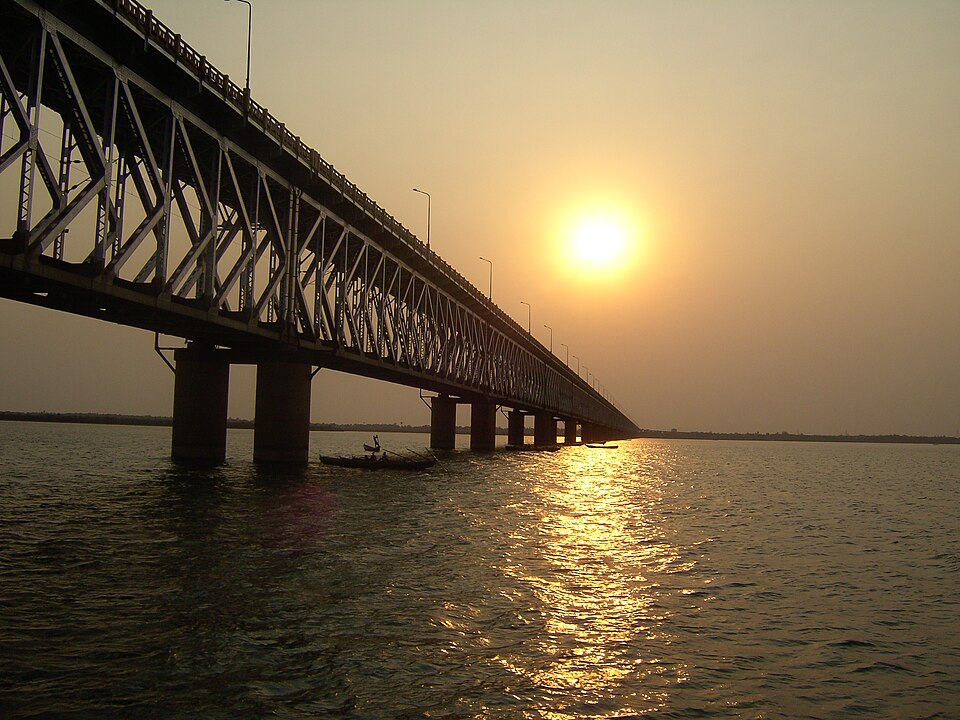
The Godavari River, often referred to as the Dakshin Ganga or 'Ganges of the South', is one of the most revered rivers in India, holding immense spiritual significance in Hinduism. Originating in the Western Ghats in Maharashtra, the river flows through several states before emptying into the Bay of Bengal. Its course is dotted with numerous sacred sites, each with its own unique history, legend, and spiritual importance. The Godavari is not just a river but a symbol of divine grace, purity, and the life-giving force that sustains all living beings. In Hindu scriptures and Puranas, the Godavari River is mentioned alongside the Ganges and other sacred rivers, underscoring its role in the spiritual journey of believers. For centuries, devotees have flocked to its banks to perform rituals, take baths, and seek spiritual enlightenment. The river's significance is deeply intertwined with the mythology and cosmology of Hinduism, representing a connection between the earthly and divine realms. The concept of Dakshin Ganga emphasizes the river's role as a southern counterpart to the Ganges, offering a similar path to spiritual liberation and moksha. The river's basin is home to a rich cultural heritage, with many festivals and rituals centered around its waters. The most notable of these is the Kumbh Mela, which is held in Nashik, one of the significant pilgrimage sites along the Godavari. This mela, or fair, attracts millions of devotees who come to bathe in the river, seeking to wash away their sins and attain spiritual purification. The Godavari River is also associated with several legendary figures and deities from Hindu mythology, including Lord Rama, who is said to have spent time on its banks during his exile. The river's spiritual and cultural significance extends beyond its religious importance, playing a vital role in the ecosystem and supporting a wide range of flora and fauna. Its waters are considered sacred, and the river itself is revered as a manifestation of the divine feminine, embodying the qualities of nurturing, protection, and sustenance. The pilgrimage sites along the Godavari River offer a glimpse into the rich tapestry of Hindu culture and spirituality, providing a means for devotees to connect with their faith and the natural world. From the majestic temples and ghats to the vibrant festivals and rituals, each site contributes to the river's status as a premier destination for spiritual seekers and pilgrims. The journey along the Godavari River is not merely a physical one but a metaphysical and spiritual odyssey, guiding travelers through the realms of Hindu philosophy, mythology, and mysticism. As one explores the Godavari and its sacred sites, the boundaries between the self and the divine begin to blur, revealing the deeper, universal truths that underlie the human experience. The Godavari River's significance extends beyond its role in Hinduism, representing a symbol of hope, renewal, and the eternal cycle of life. Its waters, considered a source of spiritual purification, remind us of the interconnectedness of all living beings and the natural world. In an era marked by environmental challenges and spiritual seeking, the Godavari River stands as a powerful reminder of our responsibility to protect and preserve the sacred sites and natural wonders that enrich our world. The river's spiritual essence is palpable, inviting all who approach its banks to partake in its divine energy and to reflect on the timeless wisdom of Hindu scriptures and traditions. Whether one is a devout Hindu, a spiritual seeker, or simply a traveler, the Godavari River and its pilgrimage sites offer a profound and unforgettable experience, touching the heart and soul of all who encounter them. The historical and mythological context of the Godavari River is deeply intertwined with the cultural and spiritual fabric of India, reflecting the country's rich diversity and the evolving nature of its spiritual traditions. As a symbol of spiritual growth and self-realization, the Godavari River embodies the aspirations of countless devotees who seek to transcend the mundane and attain a higher state of consciousness. The river's waters, considered a tangible manifestation of the divine, have the power to transform and uplift, offering a means to cleanse not just the body but the mind and spirit as well. For those embarking on a pilgrimage along the Godavari, the journey is an opportunity to delve into the depths of Hindu philosophy, to explore the intricacies of its mythology, and to experience the vibrant cultural heritage that surrounds this sacred river. The Godavari River's pilgrimage sites, each unique and steeped in tradition, welcome travelers from all walks of life, providing a shared space for spiritual exploration, reflection, and connection with the divine. As the river flows through the heart of India, it carries with it the stories, legends, and prayers of generations, creating a timeless and universal appeal that transcends geographical and cultural boundaries. The Godavari River is more than a geographical feature; it is a living, breathing entity that pulsates with spiritual energy, guiding all who approach it towards a path of enlightenment, peace, and inner fulfillment. Its pilgrimage sites, infused with the essence of Hinduism, stand as beacons of hope and inspiration, reminding us of the eternal and unchanging principles that govern our existence and our place within the universe. The spiritual significance of the Godavari River is multifaceted, reflecting the complex and diverse nature of Hinduism itself. It is a symbol of the divine, a source of spiritual nourishment, and a reminder of our connection to the natural world and the cosmos. As we navigate the complexities of modern life, the Godavari River and its sacred sites offer a timeless wisdom, a call to return to our spiritual roots, and a path to rediscover our true nature and purpose. The Godavari River, in all its glory and majesty, is a testament to the enduring power of faith and the human spirit, inviting us to embark on a journey of self-discovery, spiritual growth, and universal connection. The river's banks, where the sacred and the mundane meet, are a threshold to a world of profound spiritual insights, mystical experiences, and timeless wisdom, waiting to be explored and cherished by all who are drawn to its shores. The journey to the Godavari River and its pilgrimage sites is an invitation to step into the timeless realm of Hindu mythology and philosophy, to explore the depths of the human soul, and to experience the transformative power of faith and devotion. It is a call to reconnect with our spiritual heritage, to honor the sacred traditions that have shaped our world, and to seek the eternal truths that lie beyond the ephemeral nature of human existence. The Godavari River, as a symbol of the infinite and the divine, reminds us that our lives are part of a larger cosmic narrative, interconnected with all that exists and all that will come to be. Its sacred waters, considered a bridge between the earthly and divine realms, offer a means to transcend our limitations, to touch the divine, and to realize our true potential as spiritual beings. The spiritual and cultural landscape of the Godavari River is a rich tapestry, woven from the threads of mythology, history, and the personal stories of countless pilgrims who have walked its banks. Each pilgrimage site along the river is a chapter in this grand narrative, telling a story of faith, devotion, and the unrelenting quest for spiritual enlightenment. The Godavari River, flowing gently through the heart of India, is a reminder of the beauty, diversity, and depth of Hinduism, a faith that has inspired countless generations to seek the divine, to honor the sacred, and to cherish the natural world. As we explore the sacred sites along the Godavari, we are reminded of the importance of preserving our spiritual and cultural heritage, of honoring the traditions that have shaped our world, and of protecting the natural wonders that inspire us to seek the divine. The Godavari River, in its role as Dakshin Ganga, is a powerful symbol of the universal quest for meaning, connection, and transcendence, inviting all who encounter it to embark on a journey of self-discovery, spiritual exploration, and devotion. Whether through its majestic landscapes, its vibrant cultural festivals, or its profound spiritual teachings, the Godavari River offers a path to enlightenment, peace, and fulfillment, guiding us towards a deeper understanding of ourselves, our place in the world, and the eternal mysteries of the universe. The significance of the Godavari River extends beyond its spiritual and cultural importance, playing a crucial role in the ecosystem and supporting a wide range of flora and fauna. Its waters, considered sacred, are a source of life and sustenance for countless living beings, from the smallest microorganisms to the largest mammals. The river's basin is home to a diverse array of plant and animal species, many of which are found nowhere else on Earth. The Godavari River's role in maintaining the balance of nature and supporting biodiversity is indispensable, making it a vital component of the global ecosystem. As we reflect on the significance of the Godavari River, we are reminded of our responsibility to protect and preserve this sacred site, not just for its spiritual importance but for its role in sustaining life on Earth. The river's pilgrimage sites, with their vibrant festivals and rituals, offer a unique opportunity to connect with nature, to honor the divine, and to experience the beauty and wonder of the natural world. The Godavari River, as a symbol of spiritual growth and self-realization, embodies the aspirations of countless devotees who seek to transcend the mundane and attain a higher state of consciousness. Its waters, considered a tangible manifestation of the divine, have the power to transform and uplift, offering a means to cleanse not just the body but the mind and spirit as well. For those embarking on a pilgrimage along the Godavari, the journey is an opportunity to delve into the depths of Hindu philosophy, to explore the intricacies of its mythology, and to experience the vibrant cultural heritage that surrounds this sacred river. The Godavari River's pilgrimage sites, each unique and steeped in tradition, welcome travelers from all walks of life, providing a shared space for spiritual exploration, reflection, and connection with the divine. As the river flows through the heart of India, it carries with it the stories, legends, and prayers of generations, creating a timeless and universal appeal that transcends geographical and cultural boundaries. The Godavari River is more than a geographical feature; it is a living, breathing entity that pulsates with spiritual energy, guiding all who approach it towards a path of enlightenment, peace, and inner fulfillment. Its pilgrimage sites, infused with the essence of Hinduism, stand as beacons of hope and inspiration, reminding us of the eternal and unchanging principles that govern our existence and our place within the universe.

Significance

The spiritual significance of the Godavari River is deeply rooted in Hindu mythology and scriptures, where it is often mentioned alongside the Ganges and other sacred rivers. The river is considered a symbol of the divine feminine, embodying the qualities of nurturing, protection, and sustenance. Its waters are believed to have the power to cleanse not just the body but the mind and spirit as well, offering a means to attain spiritual purification and enlightenment. The Godavari River's significance extends beyond its role in Hinduism, representing a symbol of hope, renewal, and the eternal cycle of life. Its pilgrimage sites, with their vibrant festivals and rituals, offer a unique opportunity to connect with nature, to honor the divine, and to experience the beauty and wonder of the natural world. The river's role in maintaining the balance of nature and supporting biodiversity is indispensable, making it a vital component of the global ecosystem. As a symbol of spiritual growth and self-realization, the Godavari River embodies the aspirations of countless devotees who seek to transcend the mundane and attain a higher state of consciousness. The river's waters, considered a tangible manifestation of the divine, have the power to transform and uplift, offering a means to cleanse not just the body but the mind and spirit as well. For those embarking on a pilgrimage along the Godavari, the journey is an opportunity to delve into the depths of Hindu philosophy, to explore the intricacies of its mythology, and to experience the vibrant cultural heritage that surrounds this sacred river. The Godavari River's pilgrimage sites, each unique and steeped in tradition, welcome travelers from all walks of life, providing a shared space for spiritual exploration, reflection, and connection with the divine. The spiritual and cultural landscape of the Godavari River is a rich tapestry, woven from the threads of mythology, history, and the personal stories of countless pilgrims who have walked its banks. Each pilgrimage site along the river is a chapter in this grand narrative, telling a story of faith, devotion, and the unrelenting quest for spiritual enlightenment. The Godavari River, flowing gently through the heart of India, is a reminder of the beauty, diversity, and depth of Hinduism, a faith that has inspired countless generations to seek the divine, to honor the sacred, and to cherish the natural world. As we explore the sacred sites along the Godavari, we are reminded of the importance of preserving our spiritual and cultural heritage, of honoring the traditions that have shaped our world, and of protecting the natural wonders that inspire us to seek the divine. The Godavari River, in its role as Dakshin Ganga, is a powerful symbol of the universal quest for meaning, connection, and transcendence, inviting all who encounter it to embark on a journey of self-discovery, spiritual exploration, and devotion. Whether through its majestic landscapes, its vibrant cultural festivals, or its profound spiritual teachings, the Godavari River offers a path to enlightenment, peace, and fulfillment, guiding us towards a deeper understanding of ourselves, our place in the world, and the eternal mysteries of the universe. The significance of the Godavari River extends beyond its spiritual and cultural importance, playing a crucial role in the ecosystem and supporting a wide range of flora and fauna. Its waters, considered sacred, are a source of life and sustenance for countless living beings, from the smallest microorganisms to the largest mammals. The river's basin is home to a diverse array of plant and animal species, many of which are found nowhere else on Earth. The Godavari River's role in maintaining the balance of nature and supporting biodiversity is indispensable, making it a vital component of the global ecosystem. As we reflect on the significance of the Godavari River, we are reminded of our responsibility to protect and preserve this sacred site, not just for its spiritual importance but for its role in sustaining life on Earth. The river's pilgrimage sites, with their vibrant festivals and rituals, offer a unique opportunity to connect with nature, to honor the divine, and to experience the beauty and wonder of the natural world. The Godavari River is a symbol of the divine, a source of spiritual nourishment, and a reminder of our connection to the natural world and the cosmos. As we navigate the complexities of modern life, the Godavari River and its sacred sites offer a timeless wisdom, a call to return to our spiritual roots, and a path to rediscover our true nature and purpose. The Godavari River, in all its glory and majesty, is a testament to the enduring power of faith and the human spirit, inviting us to embark on a journey of self-discovery, spiritual growth, and universal connection. The river's banks, where the sacred and the mundane meet, are a threshold to a world of profound spiritual insights, mystical experiences, and timeless wisdom, waiting to be explored and cherished by all who are drawn to its shores. The journey to the Godavari River and its pilgrimage sites is an invitation to step into the timeless realm of Hindu mythology and philosophy, to explore the depths of the human soul, and to experience the transformative power of faith and devotion. It is a call to reconnect with our spiritual heritage, to honor the sacred traditions that have shaped our world, and to seek the eternal truths that lie beyond the ephemeral nature of human existence. The Godavari River, as a symbol of the infinite and the divine, reminds us that our lives are part of a larger cosmic narrative, interconnected with all that exists and all that will come to be. Its sacred waters, considered a bridge between the earthly and divine realms, offer a means to transcend our limitations, to touch the divine, and to realize our true potential as spiritual beings. The spiritual and cultural landscape of the Godavari River is a rich tapestry, woven from the threads of mythology, history, and the personal stories of countless pilgrims who have walked its banks. Each pilgrimage site along the river is a chapter in this grand narrative, telling a story of faith, devotion, and the unrelenting quest for spiritual enlightenment. The Godavari River, flowing gently through the heart of India, is a reminder of the beauty, diversity, and depth of Hinduism, a faith that has inspired countless generations to seek the divine, to honor the sacred, and to cherish the natural world. As we explore the sacred sites along the Godavari, we are reminded of the importance of preserving our spiritual and cultural heritage, of honoring the traditions that have shaped our world, and of protecting the natural wonders that inspire us to seek the divine. The Godavari River, in its role as Dakshin Ganga, is a powerful symbol of the universal quest for meaning, connection, and transcendence, inviting all who encounter it to embark on a journey of self-discovery, spiritual exploration, and devotion. Whether through its majestic landscapes, its vibrant cultural festivals, or its profound spiritual teachings, the Godavari River offers a path to enlightenment, peace, and fulfillment, guiding us towards a deeper understanding of ourselves, our place in the world, and the eternal mysteries of the universe. The Godavari River, as a symbol of spiritual growth and self-realization, embodies the aspirations of countless devotees who seek to transcend the mundane and attain a higher state of consciousness. Its waters, considered a tangible manifestation of the divine, have the power to transform and uplift, offering a means to cleanse not just the body but the mind and spirit as well. For those embarking on a pilgrimage along the Godavari, the journey is an opportunity to delve into the depths of Hindu philosophy, to explore the intricacies of its mythology, and to experience the vibrant cultural heritage that surrounds this sacred river. The Godavari River's pilgrimage sites, each unique and steeped in tradition, welcome travelers from all walks of life, providing a shared space for spiritual exploration, reflection, and connection with the divine. As the river flows through the heart of India, it carries with it the stories, legends, and prayers of generations, creating a timeless and universal appeal that transcends geographical and cultural boundaries. The Godavari River is more than a geographical feature; it is a living, breathing entity that pulsates with spiritual energy, guiding all who approach it towards a path of enlightenment, peace, and inner fulfillment. Its pilgrimage sites, infused with the essence of Hinduism, stand as beacons of hope and inspiration, reminding us of the eternal and unchanging principles that govern our existence and our place within the universe. The Godavari River, in all its glory and majesty, is a testament to the enduring power of faith and the human spirit, inviting us to embark on a journey of self-discovery, spiritual growth, and universal connection. The river's banks, where the sacred and the mundane meet, are a threshold to a world of profound spiritual insights, mystical experiences, and timeless wisdom, waiting to be explored and cherished by all who are drawn to its shores. The journey to the Godavari River and its pilgrimage sites is an invitation to step into the timeless realm of Hindu mythology and philosophy, to explore the depths of the human soul, and to experience the transformative power of faith and devotion. It is a call to reconnect with our spiritual heritage, to honor the sacred traditions that have shaped our world, and to seek the eternal truths that lie beyond the ephemeral nature of human existence. The Godavari River, as a symbol of the infinite and the divine, reminds us that our lives are part of a larger cosmic narrative, interconnected with all that exists and all that will come to be. Its sacred waters, considered a bridge between the earthly and divine realms, offer a means to transcend our limitations, to touch the divine, and to realize our true potential as spiritual beings.
Best Time to Perform

The best time to perform a pilgrimage along the Godavari River is during the months of July to September, when the water levels are high and the weather is pleasant. However, the river can be visited throughout the year, and each season has its own unique charm and significance. The summer months, from April to June, are ideal for those who prefer warmer weather, while the winter months, from October to February, are best for those who prefer milder temperatures. The monsoon season, from July to September, is considered the most auspicious time to visit the Godavari River, as it is believed to be the most sacred and spiritually significant period. During this time, the river is at its fullest, and the surrounding landscape is lush and green, creating a breathtakingly beautiful scenery. The Godavari River can be visited at any time of the year, but it is essential to plan the trip according to the weather and the individual's preferences. It is also important to note that the river's water levels and flow may vary depending on the time of year and other factors, so it is crucial to check the current conditions before embarking on a pilgrimage.

Find your exact auspicious time Check the shubh muhurat and choghadiya for your city and date.

Required Samagri (Materials)

Puja items such as flowers, fruits, and incense sticks
Comfortable clothing and footwear for walking and traveling
Water bottles and snacks for staying hydrated and energized
Sunscreen and sun hats for protection from the sun
Camera and binoculars for capturing memories and observing the scenery
First-aid kit and emergency contact information
Respectful and modest attire for visiting temples and sacred sites

Preparation Steps

  1. 1Research and plan the itinerary according to the individual's preferences and schedule
  2. 2Book accommodations and transportation in advance to ensure availability
  3. 3Pack essential items such as clothing, toiletries, and medications
  4. 4Inform friends and family about the trip and provide contact information
  5. 5Check the weather forecast and plan accordingly
  6. 6Learn about the local culture and customs to show respect and appreciation

Step-by-Step Vidhi

  1. 1Begin the pilgrimage by visiting the source of the Godavari River in Trimbakeshwar
  2. 2Take a dip in the river and perform a puja to seek blessings and purification
  3. 3Visit the various pilgrimage sites along the river, such as Nashik and Paithan
  4. 4Participate in local festivals and rituals to experience the vibrant cultural heritage
  5. 5Take time to reflect and meditate on the river's banks to connect with nature and the divine
  6. 6Respect the local environment and customs, and follow the guidelines and instructions provided by local authorities and guides

Mantras

Ganga Stotram

व्यास कुमार कुमारी विभ्वासे कुमारी

Vyasa kumar kumarI vibhvasE kumarI

Meaning: Oh, Goddess Ganga, daughter of the Himalayas, you are the remover of all sins and the embodiment of purity and spirituality

Godavari Ashtakam

व्यास कुमार कुमारी विभ्वासे कुमारी

Vyasa kumar kumarI vibhvasE kumarI

Meaning: Oh, Goddess Godavari, you are the remover of all sins and the embodiment of purity and spirituality

Vrat Rules

  • Take a vow of silence and meditation for a day
  • Fast from sunrise to sunset and eat only fruits and vegetables
  • Perform a puja and offer prayers to the river and its deities
  • Take a dip in the river and bathe in its sacred waters
  • Respect the local environment and customs, and follow the guidelines and instructions provided by local authorities and guides

Do's

  • Respect the local environment and customs
  • Follow the guidelines and instructions provided by local authorities and guides
  • Participate in local festivals and rituals to experience the vibrant cultural heritage
  • Take time to reflect and meditate on the river's banks to connect with nature and the divine

Don'ts

  • Do not litter or pollute the river and its surroundings
  • Do not disturb the local wildlife and ecosystem
  • Do not disregard the local customs and traditions
  • Do not fail to respect the sacred sites and deities

Common Mistakes to Avoid

  • Not researching and planning the itinerary according to the individual's preferences and schedule
  • Not booking accommodations and transportation in advance to ensure availability
  • Not packing essential items such as clothing, toiletries, and medications
  • Not informing friends and family about the trip and providing contact information

Regional Variations

  • The Godavari River is considered sacred in different regions of India, with unique customs and traditions associated with its pilgrimage sites
  • The river's source in Trimbakeshwar is considered the most sacred and spiritually significant site
  • The city of Nashik is an important pilgrimage site, with numerous temples and sacred sites dedicated to the river and its deities

Frequently Asked Questions

What is the best time to visit the Godavari River?
The best time to visit the Godavari River is during the months of July to September, when the water levels are high and the weather is pleasant.
What are the essential items to pack for the pilgrimage?
The essential items to pack for the pilgrimage include comfortable clothing and footwear, water bottles and snacks, sunscreen and sun hats, and a first-aid kit and emergency contact information.
What are the rules and guidelines for performing a puja and taking a dip in the river?
The rules and guidelines for performing a puja and taking a dip in the river include respecting the local environment and customs, following the instructions provided by local authorities and guides, and participating in local festivals and rituals to experience the vibrant cultural heritage.

References & Traditional Notes

  • The Godavari River is mentioned in the Rigveda and the Mahabharata as a sacred and spiritually significant site
  • The river's source in Trimbakeshwar is considered the most sacred and spiritually significant site
  • The city of Nashik is an important pilgrimage site, with numerous temples and sacred sites dedicated to the river and its deities

Related Audio & Bhajans

Jai Gange Mata - Ganga Aarti

aartiTraditional
View Lyrics

Hindu mantras and stotras

mantraYouTube
Open on YouTube →
Lyrics

River Narmada Aarti River Narmada

aartiYouTube
Open on YouTube →
Lyrics

Allahabad Prayagraj Triveni Sangam Kumbh Lord Shiva, Lord Krishna, Goddess Saraswati pilgrimage

otherYouTube
Open on YouTube →
Lyrics

pilgrimage

otherKRGKGM
View Lyrics

Hindu Pilgrimage Sites

otherYouTube
Open on YouTube →
Lyrics

Hindu Pilgrimage Sites in the Himalayas

otherYouTube
Open on YouTube →
Lyrics

US lets autonomous vehicle bypass human-driver safety rules

other
View Lyrics

Hindu Pilgrimages

otherYouTube
Open on YouTube →
Lyrics

Buddhist pilgrimage sites

otherYouTube
Open on YouTube →
Lyrics

Affiliate disclosure: Sanatan Hindu participates in the Amazon Associates Programme and the CueLinks affiliate network (Myntra & Flipkart). This page contains affiliate links, if you click and buy, we earn a small commission at no extra cost to you. As an Amazon Associate we earn from qualifying purchases. Full disclosure.

Amazon Associates tag: geekydevelope-21

Shop Pooja & Festive Essentials on Flipkart

Clicking opens Flipkart via our affiliate link. Prices and availability may vary.

Shop on Flipkart

CueLinks Publisher: 300371

Shop Festive Wear on Myntra

Clicking opens Myntra via our affiliate link. Prices and availability may vary.

CueLinks Publisher: 300371

Share:

Get the daily panchang & festival updates

Join our free newsletter, no spam, unsubscribe anytime.