
Kamadhenu: The Divine Mother and the Sacred Wish-Fulfilling Cow of Hindu Tradition
Explore the profound spiritual significance, legends, and symbolism of Kamadhenu, the divine wish-fulfilling cow in Hindu mythology and Vedic tradition.
Affiliate disclosure: Sanatan Hindu participates in the Amazon Associates Programme and the CueLinks affiliate network (Myntra & Flipkart). This page contains affiliate links, if you click and buy, we earn a small commission at no extra cost to you. As an Amazon Associate we earn from qualifying purchases. Full disclosure.
Next Diwali
Sunday, 8 November 2026· in 21 days
Set a reminder so you never miss Diwali.
Introduction
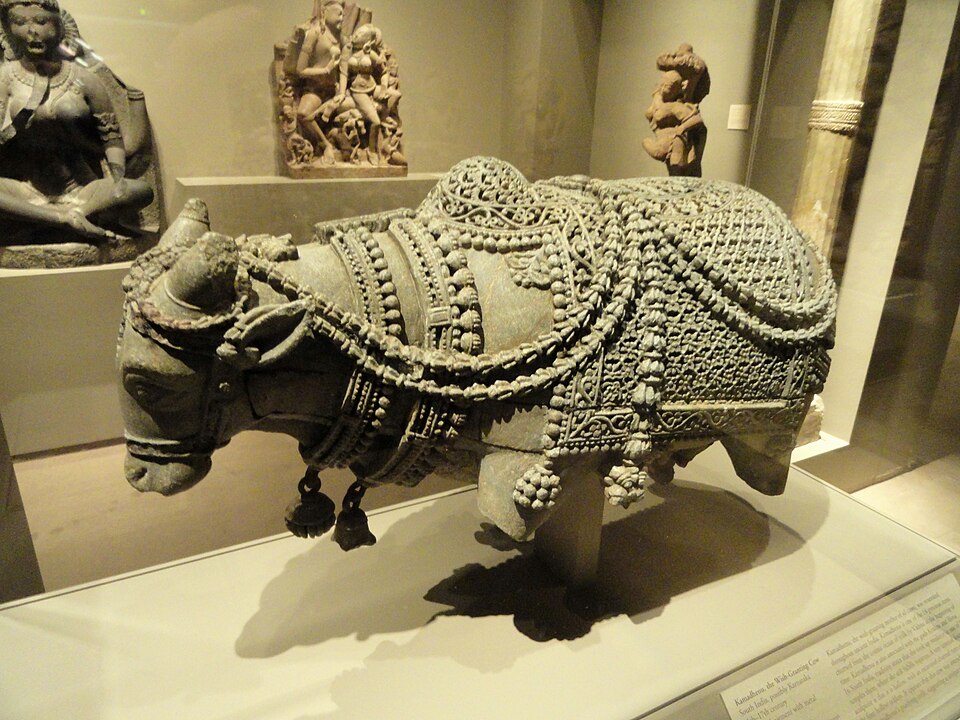
According to the Puranas, Kamadhenu's origin is deeply tied to the 'Samudra Manthan' or the Churning of the Ocean of Milk. As the Devas (gods) and Asuras (demons) churned the primordial ocean to attain Amrita (the nectar of immortality), various divine objects emerged from the depths. Among these treasures was Kamadhenu, a miraculous cow capable of fulfilling any desire of those who approached her with pure intent. Her emergence signifies that abundance is a natural byproduct of cosmic balance and divine effort. She is often depicted as a multi-dimensional being, sometimes described as having the face of a beautiful woman, the wings of a bird, and the tail of a peacock, symbolizing her connection to all realms of existence.
Beyond her physical manifestation, Kamadhenu is spiritually understood as the 'Mother of all Cows' and a personification of the Earth goddess (Prithvi). She represents the concept of 'Prakriti'—the primal nature that provides everything necessary for survival without expectation of return. To the practitioner of Sanatana Dharma, honoring Kamadhenu is not just about seeking material wealth, but about acknowledging the interconnectedness of all life and expressing gratitude to the natural world that sustains us. She is a symbol of the selfless nature of the divine, providing milk, ghee, and sustenance to the universe.
In many household traditions, the reverence for Kamadhenu translates into the sacred treatment of all cows (Go-seva). The cow is seen as a living manifestation of the divine feminine and a repository of all the deities. By serving the cow, a devotee is believed to be serving the entire pantheon of gods. Kamadhenu thus serves as a bridge between the mundane physical needs of humanity and the lofty spiritual aspirations of the soul, reminding us that the path to enlightenment is paved with compassion, nourishment, and respect for all sentient beings.
Significance
In the context of Hindu ritualism, Kamadhenu is intrinsically linked to the concept of 'Go-shakti' or the spiritual power residing in the cow. The milk, curd, ghee, and dung of the cow are considered 'Panchagavya'—five sacred elements that are essential for purification in Vedic rituals. Therefore, the reverence for Kamadhenu is the foundation of almost every major Sanskar (rite of passage) and Yajna (sacrificial ritual) in Hinduism. Her presence ensures that the ritual is sanctified and that the offerings reach the divine realms effectively. She is the sustainer of the Vedic tradition itself.
Astrologically and cosmically, Kamadhenu is associated with the nurturing aspects of the Moon and Venus, influencing themes of abundance, fertility, and domestic harmony. In many Vedic interpretations, she is seen as the protector of the household, guarding against scarcity and spiritual dryness. Her worship is believed to bring 'Aishwarya' (divine prosperity) and 'Shanti' (peace) to a family, transforming a mere dwelling into a sacred space filled with positive vibrations.
Culturally, the veneration of Kamadhenu has shaped the agrarian and social structures of India for millennia. It has fostered a culture of non-violence (Ahimsa) and profound respect for animals. The cow is treated as a member of the family, and the service of the cow is considered one of the highest forms of 'Dharma'. This reverence is not merely a superstition but a deep-seated ecological and spiritual understanding that the health of humanity is inextricably linked to the well-being of the animals and the environment that nourish us.
Best Time to Perform
Find your exact auspicious time Check the shubh muhurat and choghadiya for your city and date.
Required Samagri (Materials)
Preparation Steps
- 1Clean the area or altar where the worship will take place.
- 2Take a ritual bath (Snana) to ensure physical and mental purity.
- 3Wear clean, preferably traditional clothing.
- 4Arrange the flowers, incense, and lamp in a designated space.
- 5Set a calm and meditative intention (Sankalpa) for the pooja.
Step-by-Step Vidhi
- 1Deepa Prajvalan: Light the oil lamp or ghee diya to invoke the presence of light and divinity.
- 2Sankalpa: Hold a small amount of water in your right hand and state your intention—whether it is for prosperity, peace, or gratitude.
- 3Abhisheka: If using an idol, gently bathe the deity with milk and water, symbolizing the washing away of karmic impurities.
- 4Alankara: Apply Tilak (Kumkum and Haldi) to the deity and offer fresh flowers.
- 5Dhupa and Deepa: Offer incense sticks and camphor to purify the atmosphere with sacred scents.
- 6Naivedya: Offer fresh fruits, sweets, or milk as a gesture of gratitude for the nourishment provided by the divine.
- 7Kamadhenu Mantra Japa: Recite the sacred mantras with focus and devotion.
- 8Aarti: Perform the aarti while circling the lamp around the deity, singing hymns of praise.
- 9Pradakshina: Walk around the altar in a clockwise direction as a mark of respect.
- 10Shanti Path: Conclude with a prayer for universal peace and the well-being of all living creatures.
Mantras
Kamadhenu Gayatri Mantra
ॐ कामधेनवे विद्महे गैया रूपिण्यै धीमहि तन्नो गोवधुः प्रचोदयात्।
Om Kamadhenave Vidmahe Gaiya Rupinyai Dhimahi Tanno Govadhuh Prachodayat
Meaning: Om, let us meditate on the divine Kamadhenu, who takes the form of a cow. May that celestial cow guide our intellect towards righteousness.
Shrimad Go-Mantra
ॐ नमो भगवते कामधेन्यै सर्वकामप्रदायिन्यै नमः॥
Om Namo Bhagavate Kamadhenyay Sarva-Kama-Pradayinyai Namah
Meaning: Salutations to the Divine Kamadhenu, the fulfiller of all desires and needs.
Do's
- ✓Offer fresh, pure milk and ghee during rituals.
- ✓Show kindness and respect to actual cows if possible.
- ✓Maintain a feeling of gratitude (Kritagyata) throughout the practice.
- ✓Keep the worship space clean and fragrant.
Don'ts
- ✗Do not perform the ritual with a restless or angry mind.
- ✗Avoid consuming non-vegetarian food or intoxicants on the day of worship.
- ✗Do not show cruelty to any animal, especially cows.
- ✗Do not perform the pooja in an untidy or disrespectful manner.
Common Mistakes to Avoid
- •Treating the ritual as a mere mechanical transaction for material gain rather than a spiritual connection.
- •Neglecting the importance of 'Bhava' (devotional emotion) in favor of complex rituals.
- •Forgetting that the reverence for Kamadhenu extends to the physical care of real cows in the community.
Regional Variations
Frequently Asked Questions
Is Kamadhenu a specific goddess or a concept?▾
Can I worship Kamadhenu if I don't have an idol?▾
What is the main benefit of worshipping Kamadhenu?▾
Popular Tools
References & Traditional Notes
- •References can be found in the Bhagavata Purana and the Vishnu Purana regarding the Samudra Manthan.
- •Traditional practitioners emphasize that the quality of the 'Bhava' (devotion) is more important than the quantity of offerings.
- •Note that different Sampradayas may have slightly different mantras for the invocation of the Divine Cow.
Related Audio & Bhajans
Sanatan Hindu Ekta Padyatra Song
Halima Al Balushi ' One Traditional Oman. How Customs Differ Throughout The Sultanate
Affiliate disclosure: Sanatan Hindu participates in the Amazon Associates Programme and the CueLinks affiliate network (Myntra & Flipkart). This page contains affiliate links, if you click and buy, we earn a small commission at no extra cost to you. As an Amazon Associate we earn from qualifying purchases. Full disclosure.
Shop Samagri on Amazon.in
Clicking opens Amazon.in. Prices and availability may vary.
Browse all pooja itemsAmazon Associates tag: geekydevelope-21
Shop Pooja & Festive Essentials on Flipkart
Clicking opens Flipkart via our affiliate link. Prices and availability may vary.
Shop on FlipkartCueLinks Publisher: 300371
Shop Festive Wear on Myntra
Clicking opens Myntra via our affiliate link. Prices and availability may vary.
CueLinks Publisher: 300371
Need a website? Describe it, and AI builds it.
Perfect for a temple, pooja service, astrology practice or small shop. Tell the AI what you want — or drag and drop the classic way — and go live on your own web address in minutes with Sitova. Hosting, SEO, forms and analytics are all included.
- Build with AI or drag & drop
- Your domain + SEO built in
- Free forever plan
Opens sitova.site