Sacred PlacesShivaMahamaham festival

Kumbakonam Temples — City of Temples Complete Guide

Discover the spiritual significance of Kumbakonam temples, a city in Tamil Nadu known for its numerous sacred sites.

By Sanatan Hindu5 min readUpdated 3 August 2026Audio available
Share:

Affiliate disclosure: Sanatan Hindu participates in the Amazon Associates Programme and the CueLinks affiliate network (Myntra & Flipkart). This page contains affiliate links, if you click and buy, we earn a small commission at no extra cost to you. As an Amazon Associate we earn from qualifying purchases. Full disclosure.
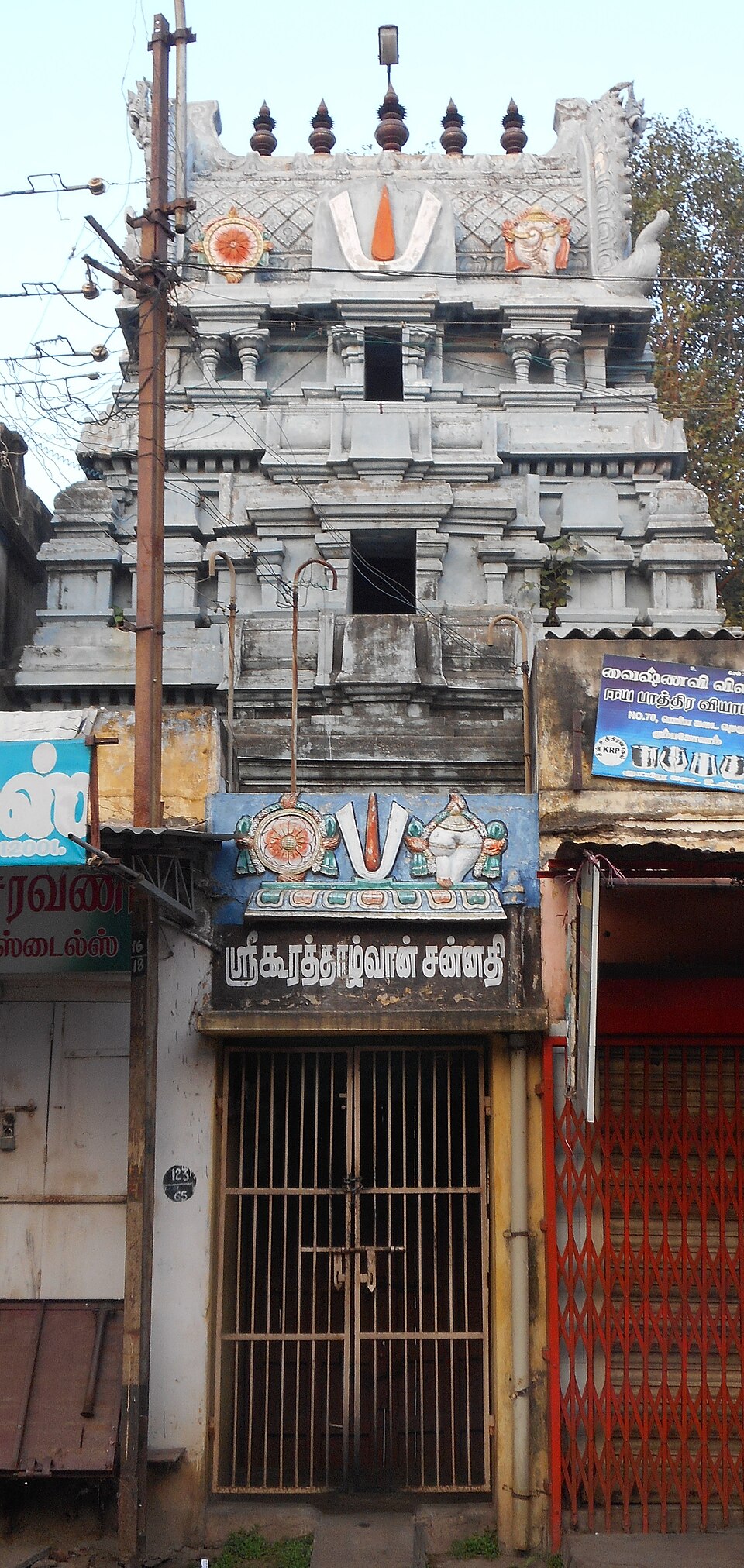
Kumbakonam Temples — City of Temples Complete Guide

Next Onam

Wednesday, 23 September 2026· in 50 days

Set a reminder so you never miss Onam.

Introduction

Kumbakonam, a city in the Tamil Nadu state of India, is renowned for its rich cultural and spiritual heritage, earning it the sobriquet 'City of Temples.' This ancient city has been a significant pilgrimage site for centuries, attracting devotees from all over the world. The city's spiritual landscape is dotted with numerous temples, each with its unique history, architectural style, and religious significance. The origin of Kumbakonam's prominence in Hinduism can be traced back to the Puranas, which describe the city as a sacred place where the gods once walked among mortals. One of the most notable legends associated with Kumbakonam is the story of the pot (Kumbha) of the divine nectar (Amrit), which gave the city its name. According to mythological accounts, during the Samudra Manthan, the churning of the ocean, the pot of nectar was kept in this city, and hence it was named Kumbakonam. The city's spiritual and cultural importance is deeply intertwined with the Mahamaham festival, which is celebrated once every 12 years and attracts millions of devotees. This festival is a testament to the city's enduring spiritual legacy and its ability to bring people together in the pursuit of spiritual enlightenment. The temples of Kumbakonam are not just places of worship but also serve as centers of learning, art, and culture. They are adorned with intricate carvings, sculptures, and paintings that depict scenes from Hindu mythology and the everyday life of the people. These temples have been built over the centuries, with each dynasty leaving its mark on the architectural style and the religious practices of the city. For instance, the Chola dynasty, which ruled much of southern India from the 3rd century BCE to the 13th century CE, was instrumental in the construction of many of Kumbakonam's most famous temples, including the Sarangapani Temple and the Kumbeswarar Temple. The city's temples are dedicated to a variety of deities, including Lord Shiva, Lord Vishnu, and Lord Ganesha, reflecting the diverse religious traditions that have flourished in the region. Each temple has its unique rituals and customs, which are observed with great fervor by the devotees. The city's spiritual significance extends beyond its temples, with the Kaveri River, which flows through Kumbakonam, being considered sacred. The river is believed to have healing properties and is an integral part of the city's spiritual landscape. The broader spiritual and cultural context of Kumbakonam is one of inclusivity and diversity, with people from all walks of life coming together to celebrate the city's rich heritage. The city's temples, festivals, and traditions serve as a reminder of the importance of spirituality in everyday life and the need to preserve our cultural legacy for future generations. In conclusion, Kumbakonam is a city that embodies the essence of Hindu spirituality, with its numerous temples, sacred river, and rich cultural heritage. The city's significance extends beyond its religious importance, with its temples serving as centers of art, culture, and learning. As a place of pilgrimage, Kumbakonam offers a unique spiritual experience, one that is deeply rooted in tradition and yet inclusive of all who seek to experience its divine presence.

Significance

The significance of Kumbakonam temples lies in their spiritual, cultural, and historical importance. Spiritually, these temples are considered to be the abodes of the gods, where devotees can experience the divine presence and seek blessings. The temples are believed to possess sacred energies that can transform the lives of those who visit them. Culturally, the temples of Kumbakonam are a testament to the city's rich heritage, with their intricate carvings, sculptures, and paintings depicting scenes from Hindu mythology. Historically, the temples have played a significant role in the city's development, with many of them being built during the reign of powerful dynasties such as the Cholas and the Nayaks. The temples have also been centers of learning, with many of them housing ancient manuscripts and scriptures. The deeper symbolism of Kumbakonam's temples lies in their representation of the harmony between the human and divine worlds. The temples are believed to be the bridges between the earthly and heavenly realms, facilitating communication between humans and gods. The benefits of visiting these temples are numerous, with devotees believing that they can attain spiritual enlightenment, peace, and prosperity. The phala (fruits) of observing the rituals and customs of these temples are also believed to be plentiful, with devotees seeking to fulfill their desires and achieve their goals. The place of Kumbakonam's temples in the ritual calendar is significant, with many of them being associated with important festivals and celebrations. For instance, the Mahamaham festival, which is celebrated once every 12 years, is a major event in the city's spiritual calendar, attracting millions of devotees from all over the world. Scriptural and Puranic references to Kumbakonam's temples can be found in ancient texts such as the Mahabharata and the Puranas, which describe the city as a sacred place where the gods once walked among mortals. The city's spiritual significance is also reflected in its association with many saints and sages, who have visited the city and attained spiritual enlightenment. In conclusion, the significance of Kumbakonam temples lies in their spiritual, cultural, and historical importance, with each temple representing a unique aspect of the city's rich heritage. The temples are believed to possess sacred energies that can transform the lives of those who visit them, and their deeper symbolism lies in their representation of the harmony between the human and divine worlds. The benefits of visiting these temples are numerous, and their place in the ritual calendar is significant, with many of them being associated with important festivals and celebrations.

Best Time to Perform

The best time to visit Kumbakonam temples is during the early morning hours, when the temples are less crowded and the atmosphere is more serene.

Find your exact auspicious time Check the shubh muhurat and choghadiya for your city and date.

Required Samagri (Materials)

Flowers
Fruits
Coconuts
Incense sticks
Camphor

Preparation Steps

  1. 1Take a bath before visiting the temple
  2. 2Wear clean and modest clothes
  3. 3Bring offerings such as flowers and fruits
  4. 4Be prepared to wait in line during peak hours

Step-by-Step Vidhi

  1. 1Enter the temple and bow down to the deity
  2. 2Offer flowers and fruits to the deity
  3. 3Light incense sticks and camphor
  4. 4Perform a pradakshina (circumambulation) around the temple

Mantras

Om Shri Kumbeswaraya Namaha

ओं श्री कुम्बेश्वराय नमः

Om Shri Kumbeswaraya Namaha

Meaning: Salutations to Lord Kumbeswara

Om Shri Sarangapaniye Namaha

ओं श्री सरंगपाणिये नमः

Om Shri Sarangapaniye Namaha

Meaning: Salutations to Lord Sarangapani

Vrat Rules

  • Fast from dawn to dusk
  • Avoid non-vegetarian food
  • Avoid alcohol and tobacco
  • Meditate and chant mantras

Do's

  • Respect the temple and its deities
  • Follow the temple rules and regulations
  • Be kind to the temple staff and other devotees
  • Make generous donations to the temple

Don'ts

  • Do not enter the temple with shoes on
  • Do not touch the deity or the temple walls
  • Do not take pictures or videos inside the temple
  • Do not litter or make noise inside the temple

Common Mistakes to Avoid

  • Not following the temple rules and regulations
  • Not respecting the temple and its deities
  • Not being kind to the temple staff and other devotees
  • Not making generous donations to the temple

Regional Variations

  • The temples in Kumbakonam have different customs and traditions than the temples in other parts of India
  • The temples in Kumbakonam are known for their unique architectural style
  • The temples in Kumbakonam have a strong emphasis on the worship of Lord Shiva

Frequently Asked Questions

What is the best time to visit Kumbakonam temples?
The best time to visit Kumbakonam temples is during the early morning hours, when the temples are less crowded and the atmosphere is more serene.
What are the required samagri for visiting Kumbakonam temples?
The required samagri for visiting Kumbakonam temples include flowers, fruits, coconuts, incense sticks, and camphor.

References & Traditional Notes

  • The Mahabharata
  • The Puranas
  • The Agamas

Related Audio & Bhajans

Introduction

otherSadhana Sargam
View Lyrics

Karva Chauth Vrat Sacred Fast Lord Shiva

otherYouTube
Open on YouTube →
Lyrics

Allahabad Prayagraj Triveni Sangam Kumbh Lord Shiva, Lord Krishna, Goddess Saraswati pilgrimage

otherYouTube
Open on YouTube →
Lyrics

Hindu temples

otherYouTube
Open on YouTube →
Lyrics

Panch Kedar temples

otherYouTube
Open on YouTube →
Lyrics

Lord Shiva Temples in India

otherYouTube
Open on YouTube →
Lyrics

Hindu temples in Tamil Nadu

otherYouTube
Open on YouTube →
Lyrics

Temples

otherEvi.Relax
View Lyrics

Sacred cities and temples

otherYouTube
Open on YouTube →
Lyrics

Lord Shiva's Cosmic Dance

otherYouTube
Open on YouTube →
Lyrics

Affiliate disclosure: Sanatan Hindu participates in the Amazon Associates Programme and the CueLinks affiliate network (Myntra & Flipkart). This page contains affiliate links, if you click and buy, we earn a small commission at no extra cost to you. As an Amazon Associate we earn from qualifying purchases. Full disclosure.

Shop Samagri on Amazon.in

Clicking opens Amazon.in. Prices and availability may vary.

Browse all pooja items

Amazon Associates tag: geekydevelope-21

Shop Pooja & Festive Essentials on Flipkart

Clicking opens Flipkart via our affiliate link. Prices and availability may vary.

Shop on Flipkart

CueLinks Publisher: 300371

Shop Festive Wear on Myntra

Clicking opens Myntra via our affiliate link. Prices and availability may vary.

CueLinks Publisher: 300371

Share:

Get the daily panchang & festival updates

Join our free newsletter, no spam, unsubscribe anytime.