Sacred PlacesShivaNone

Manikarnika Ghat — The Eternal Cremation Ground of Kashi

Explore the spiritual significance of Manikarnika Ghat in Varanasi, a sacred site for Hindu cremation rituals.

By Sanatan Hindu6 min readUpdated 30 July 2026Audio available
Share:

Affiliate disclosure: Sanatan Hindu participates in the Amazon Associates Programme and the CueLinks affiliate network (Myntra & Flipkart). This page contains affiliate links, if you click and buy, we earn a small commission at no extra cost to you. As an Amazon Associate we earn from qualifying purchases. Full disclosure.
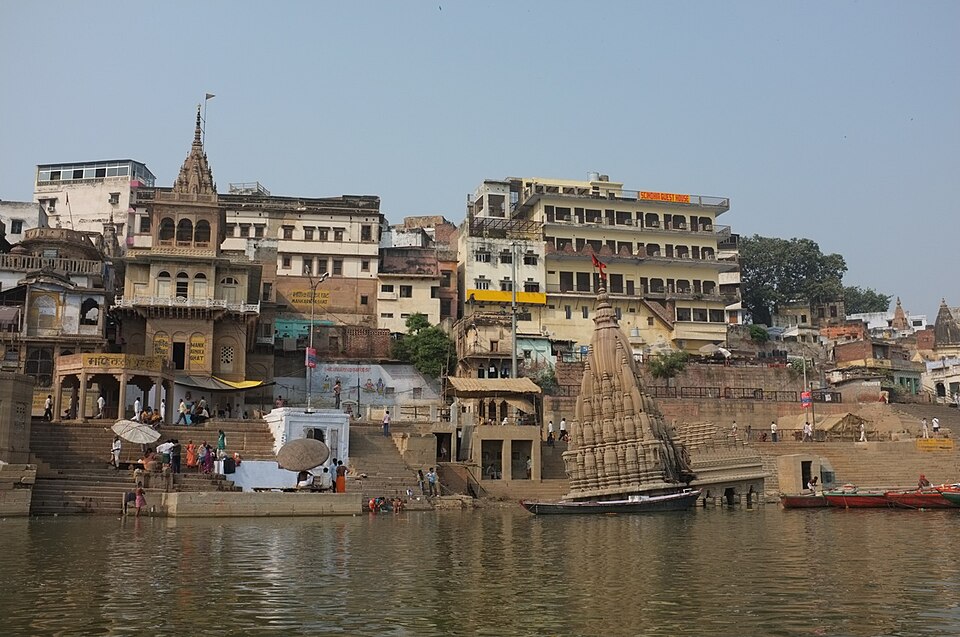
Manikarnika Ghat — The Eternal Cremation Ground of Kashi

Introduction

Manikarnika Ghat, situated on the banks of the sacred Ganges River in Varanasi, is one of the most revered and oldest ghats in India. It is believed to be the place where the goddess Parvati's earrings (manikarnika) fell, hence the name. This ghat has been a significant site for Hindu cremation rituals for centuries, attracting millions of devotees and sadhus (Hindu monks) every year. The ghat is associated with the liberation of the soul (moksha) and is considered a sacred place for the attainment of nirvana. According to Hindu mythology, Lord Shiva himself resides at this ghat, guiding the souls to the afterlife. The history of Manikarnika Ghat dates back to the 5th century BC, and it has been an integral part of Hindu culture and tradition since then. The ghat is not only a place for cremation but also a hub for spiritual and philosophical discussions among sadhus and devotees. The presence of several temples, including the Manikarnika Temple, dedicated to Lord Shiva and the goddess Parvati, adds to the spiritual significance of the ghat. The ghat is also known for its unique tradition of burning corpses 24 hours a day, 365 days a year, which is believed to symbolize the cycle of life and death. The cremation rituals performed at Manikarnika Ghat are considered to be a sacred duty (dharma) and are believed to bring liberation to the deceased. The ghat is also a significant tourist destination, attracting people from all over the world who come to witness the unique culture and traditions of Hinduism. Despite the somber nature of the ghat, it is a place of great spiritual energy and is considered a must-visit destination for anyone interested in exploring the depths of Hinduism. The ghat is also a testament to the Hindu belief in the cycle of life and death, where death is not seen as an end but as a transition to a new life. The rituals and traditions associated with Manikarnika Ghat are a reflection of the Hindu philosophy of detachment and the impermanence of life. The ghat is a place where one can witness the raw emotion of human loss, but also the acceptance and the celebration of life. The significance of Manikarnika Ghat extends beyond its role as a cremation ground; it is a symbol of the eternal cycle of life and death, and the human quest for liberation and self-realization. In the following sections, we will delve deeper into the significance, rituals, and traditions associated with Manikarnika Ghat, and explore its importance in Hindu culture and spirituality. The ghat is a place of great spiritual energy, and its significance can be understood by exploring its history, mythology, and cultural context. The ghat has been a part of Hindu tradition for centuries and has been mentioned in several ancient scriptures, including the Rigveda and the Mahabharata. The ghat is also associated with several mythological stories, including the story of Lord Shiva and the goddess Parvati, which adds to its spiritual significance. The ghat is a place where one can experience the raw energy of Hindu spirituality and witness the unique culture and traditions of Hinduism. The ghat is a must-visit destination for anyone interested in exploring the depths of Hinduism and understanding the significance of death and the afterlife in Hindu culture.

Significance

The significance of Manikarnika Ghat can be understood by exploring its spiritual, cultural, and historical context. The ghat is considered a sacred place for the attainment of moksha, and the cremation rituals performed here are believed to bring liberation to the deceased. The ghat is also a symbol of the eternal cycle of life and death, and the human quest for self-realization. The ghat is associated with several mythological stories, including the story of Lord Shiva and the goddess Parvati, which adds to its spiritual significance. The ghat is also a place of great spiritual energy, and its significance can be understood by exploring its history, mythology, and cultural context. The ghat has been a part of Hindu tradition for centuries and has been mentioned in several ancient scriptures, including the Rigveda and the Mahabharata. The ghat is a place where one can experience the raw energy of Hindu spirituality and witness the unique culture and traditions of Hinduism. The significance of Manikarnika Ghat extends beyond its role as a cremation ground; it is a symbol of the eternal cycle of life and death, and the human quest for liberation and self-realization. The ghat is a place where one can witness the raw emotion of human loss, but also the acceptance and the celebration of life. The rituals and traditions associated with Manikarnika Ghat are a reflection of the Hindu philosophy of detachment and the impermanence of life. The ghat is a place where one can understand the Hindu concept of karma and the cycle of birth and death. The ghat is also a place where one can experience the unique culture and traditions of Hinduism, including the rituals and customs associated with death and the afterlife. The significance of Manikarnika Ghat can be understood by exploring its spiritual, cultural, and historical context, and by witnessing the unique culture and traditions of Hinduism. The ghat is a must-visit destination for anyone interested in exploring the depths of Hinduism and understanding the significance of death and the afterlife in Hindu culture. The ghat is a place of great spiritual energy, and its significance can be understood by exploring its history, mythology, and cultural context. The ghat has been a part of Hindu tradition for centuries and has been mentioned in several ancient scriptures, including the Rigveda and the Mahabharata. The ghat is a symbol of the eternal cycle of life and death, and the human quest for liberation and self-realization. The ghat is a place where one can experience the raw energy of Hindu spirituality and witness the unique culture and traditions of Hinduism. The significance of Manikarnika Ghat extends beyond its role as a cremation ground; it is a symbol of the eternal cycle of life and death, and the human quest for liberation and self-realization. The ghat is a place where one can understand the Hindu concept of karma and the cycle of birth and death. The ghat is also a place where one can experience the unique culture and traditions of Hinduism, including the rituals and customs associated with death and the afterlife. The ghat is a must-visit destination for anyone interested in exploring the depths of Hinduism and understanding the significance of death and the afterlife in Hindu culture. The ghat is a place of great spiritual energy, and its significance can be understood by exploring its history, mythology, and cultural context.

Auspicious Time

The best time to visit Manikarnika Ghat is during the early morning or late evening when the sun is not too harsh. The ghat is open 24 hours a day, but it is recommended to visit during the cooler hours to avoid the heat and the crowds.

Find your exact auspicious time Check the shubh muhurat and choghadiya for your city and date.

Required Samagri (Materials)

flowers
incense sticks
candles
prasad

Preparation Steps

  1. 1take a bath before visiting the ghat
  2. 2wear clean clothes
  3. 3bring offerings for the deity
  4. 4be respectful of the surroundings and the people

Steps

  1. 1arrive at the ghat and take a dip in the Ganges River
  2. 2offer flowers and prayers to the deity
  3. 3light incense sticks and candles
  4. 4perform aarti and offer prasad to the deity
  5. 5take a moment of silence to reflect on the significance of the ghat

Mantras

Manikarnika Ghat Aarti

मणिकर्णिका घाट आरती

Manikarnika Ghat Aarti

Meaning: Aarti for Manikarnika Ghat

Shiva Mantra

ॐ नमः शिवाय

Om Namah Shivaya

Meaning: Salutations to Lord Shiva

Ganga Mantra

ॐ गंगे मात्रे नमः

Om Gange Matre Namaha

Meaning: Salutations to Mother Ganga

Guidelines

  • take a vow of silence for a day
  • fast for a day
  • perform a puja at the ghat
  • offer donations to the poor

Do's

  • be respectful of the surroundings and the people
  • follow the rules and traditions of the ghat
  • offer prayers and donations to the deity
  • take a moment of silence to reflect on the significance of the ghat

Don'ts

  • do not litter or pollute the ghat
  • do not disturb the peace and tranquility of the ghat
  • do not take pictures or videos without permission
  • do not touch or handle the sacred objects and offerings

Common Mistakes to Avoid

  • not following the rules and traditions of the ghat
  • not being respectful of the surroundings and the people
  • not offering prayers and donations to the deity
  • not taking a moment of silence to reflect on the significance of the ghat

Regional Variations

  • the rituals and traditions associated with Manikarnika Ghat vary from region to region
  • the ghat is considered a sacred place in Hinduism, but the rituals and customs associated with it may differ from one region to another

Frequently Asked Questions

What is the significance of Manikarnika Ghat?
Manikarnika Ghat is a sacred place in Hinduism where the cremation rituals are performed. It is believed to be the place where the goddess Parvati's earrings fell, and it is associated with several mythological stories.
What are the rules and traditions associated with Manikarnika Ghat?
The rules and traditions associated with Manikarnika Ghat include taking a bath before visiting the ghat, wearing clean clothes, bringing offerings for the deity, and being respectful of the surroundings and the people.
What are the benefits of visiting Manikarnika Ghat?
The benefits of visiting Manikarnika Ghat include attaining liberation, understanding the cycle of life and death, and experiencing the unique culture and traditions of Hinduism.

References & Traditional Notes

  • the ghat is mentioned in several ancient scriptures, including the Rigveda and the Mahabharata
  • the ghat is associated with several mythological stories, including the story of Lord Shiva and the goddess Parvati

Related Audio & Bhajans

Hinduism Gods and Godesses

otherYouTube
Open on YouTube →
Lyrics

Introduction

otherSadhana Sargam
View Lyrics

Karva Chauth Vrat Sacred Fast Lord Shiva

otherYouTube
Open on YouTube →
Lyrics

Allahabad Prayagraj Triveni Sangam Kumbh Lord Shiva, Lord Krishna, Goddess Saraswati pilgrimage

otherYouTube
Open on YouTube →
Lyrics

Parental care in Hinduism

otherYouTube
Open on YouTube →
Lyrics

Significance of Lakshmi and Saraswati in Hinduism

otherYouTube
Open on YouTube →
Lyrics

Hinduism and culture

otherYouTube
Open on YouTube →
Lyrics

Jyotirlingas in Hinduism

otherYouTube
Open on YouTube →
Lyrics

Lord Shiva Temples in India

otherYouTube
Open on YouTube →
Lyrics

Puja and worship rituals in Hinduism

otherYouTube
Open on YouTube →
Lyrics

Affiliate disclosure: Sanatan Hindu participates in the Amazon Associates Programme and the CueLinks affiliate network (Myntra & Flipkart). This page contains affiliate links, if you click and buy, we earn a small commission at no extra cost to you. As an Amazon Associate we earn from qualifying purchases. Full disclosure.

Shop Samagri on Amazon.in

Clicking opens Amazon.in. Prices and availability may vary.

Browse all pooja items

Amazon Associates tag: geekydevelope-21

Shop Pooja & Festive Essentials on Flipkart

Clicking opens Flipkart via our affiliate link. Prices and availability may vary.

Shop on Flipkart

CueLinks Publisher: 300371

Shop Festive Wear on Myntra

Clicking opens Myntra via our affiliate link. Prices and availability may vary.

CueLinks Publisher: 300371

Share:

Get the daily panchang & festival updates

Join our free newsletter, no spam, unsubscribe anytime.