
Muktinath Temple Nepal — Vishnu Shrine and Moksha Dham
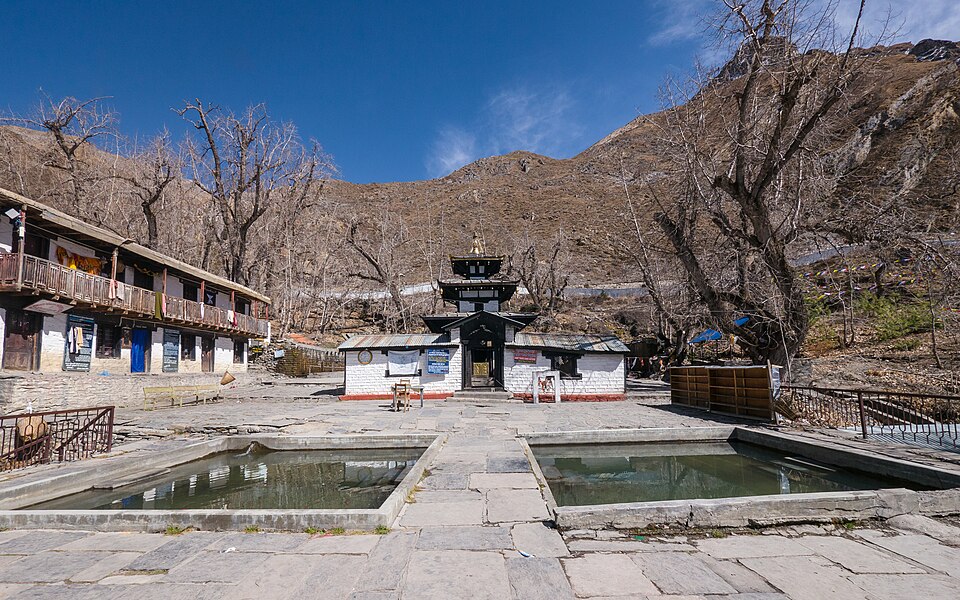
Discover the spiritual significance of Muktinath Temple in Nepal, a sacred Mukti Kshetra dedicated to Lord Vishnu and Lord Shiva for attaining Moksha.
Affiliate disclosure: Sanatan Hindu participates in the Amazon Associates Programme and the CueLinks affiliate network (Myntra & Flipkart). This page contains affiliate links, if you click and buy, we earn a small commission at no extra cost to you. As an Amazon Associate we earn from qualifying purchases. Full disclosure.
Next Kartik Purnima
Tuesday, 24 November 2026· in 76 days
Set a reminder so you never miss Kartik Purnima.
Introduction
The sanctuary is deeply significant for Vaishnavas, who worship the deity as Lord Vishnu, and for Shaivites, who revere the site as a manifestation of Lord Shiva. The landscape itself is characterized by the miraculous 108 brass water sprouts (Kunds) and the eternal flame that burns amidst water, symbolizing the union of elemental forces and the divine presence. For many, a pilgrimage to Muktinath is a life-defining journey of purification and surrender.
Significance
Auspicious Time
Find your exact auspicious time Check the shubh muhurat and choghadiya for your city and date.
Required Samagri (Materials)
Preparation Steps
- 1Perform physical purification (Snana) at your home or local river before starting the journey.
- 2Set a Sankalpa (solemn vow or intention) regarding your spiritual goal at the temple.
- 3Prepare for high-altitude conditions by ensuring physical health and acclimatization.
- 4Maintain a state of mental stillness through meditation prior to arrival.
Steps
- 1Perform the sacred ablution (Snana) by bathing under the 108 water sprouts in the Muktinath Kund.
- 2Circumambulate (Parikrama) the main shrine in a clockwise direction while chanting sacred mantras.
- 3Approach the deity with humility and offer flowers, sandalwood paste, and incense.
- 4Offer prayers to the eternal flame (Jwala) as a symbol of witnessing the divine light.
- 5Sit in silent meditation (Dhyana) near the sanctum to absorb the site's spiritual energy.
- 6Receive the Prasadam and blessings from the temple priests (Pandits).
Mantras
Vishnu Mantra
ॐ नमो भगवते वासुदेवाय
Om Namo Bhagavate Vasudevaya
Meaning: I bow to the Lord who lives in all hearts (Lord Vishnu).
Shiva Mantra
ॐ नमः शिवाय
Om Namah Shivaya
Meaning: Adoration to Lord Shiva, the auspicious one.
Gayatri Mantra
ॐ भूर्भुवः स्वः तत्सवितुर्वरेण्यं भर्गो देवस्य धीमहि धियो यो नः प्रचोदयात्
Om Bhur Bhuvah Svah, Tat Savitur Varenyam, Bhargo Devasya Dhimahi, Dhiyo Yo Nah Prachodayat
Meaning: We meditate on the glory of the Creator; may He illuminate our intellect.
Guidelines
- •Adhere to a Sattvic diet (no meat, onion, garlic, or alcohol) during the pilgrimage.
- •Practice Brahmacharya (celibacy) to maintain spiritual energy.
- •Observe silence (Mauna) during specific times of prayer and circumambulation.
- •Maintain regular daily prayers (Sandhyavandanam) if part of your tradition.
Do's
- ✓Show utmost respect to the local priests and the sanctity of the temple.
- ✓Offer prayers with a focused and pure mind.
- ✓Carry yourself with humility and compassion toward other pilgrims.
- ✓Perform the holy bath with deep reverence.
Don'ts
- ✗Do not wear footwear inside the inner sanctum area.
- ✗Do not engage in loud, boisterous, or disrespectful behavior.
- ✗Do not consume non-vegetarian food or intoxicants in the sacred vicinity.
- ✗Do not litter or disturb the natural sanctity of the mountain environment.
Common Mistakes to Avoid
- •Treating the pilgrimage as a mere tourist excursion rather than a spiritual journey.
- •Neglecting the physical preparation required for the high-altitude environment.
- •Approaching the ritual without a clear Sankalpa (intention).
Regional Variations
- •Vaishnava Sampradayas emphasize the worship of Vishnu and use Tulsi in offerings.
- •Shaiva Sampradayas emphasize the worship of Shiva and use Bael leaves.
- •Tibetan Buddhist practitioners treat the site as a sacred place for Guru Rinpoche and perform Vajrayana-based rituals.
- •Local Mustang communities may include unique mountain-specific offerings and customs.
Frequently Asked Questions
Is Muktinath only for Hindus?▾
How hard is the trek to Muktinath?▾
Can I visit the temple during any season?▾
Popular Tools
References & Traditional Notes
- •Scriptural notes: The Puranas highlight Muktinath as a place where the distinction between Vishnu and Shiva dissolves.
- •Household Practice: Many families perform a small 'Muktinath Puja' at home using images of the deity if they cannot make the physical pilgrimage.
- •The 108 water sprouts are symbolically linked to the 108 names of the Divine and the cleansing of the 108 sins.
Related Audio & Bhajans
Om Namo Bhagavate Vasudevaya
Story Prahlad Holika Symbol Victory Lord Vishnu story|mythology|festival
Gajendra Moksha Stotram (Lord Vishnu Mantra)
Padham Vedichi
Vishnu Gayatri Mantra 108 Upanishads Vishnu Mantra
Char Dham Yatra
Affiliate disclosure: Sanatan Hindu participates in the Amazon Associates Programme and the CueLinks affiliate network (Myntra & Flipkart). This page contains affiliate links, if you click and buy, we earn a small commission at no extra cost to you. As an Amazon Associate we earn from qualifying purchases. Full disclosure.
Shop Samagri on Amazon.in
Clicking opens Amazon.in. Prices and availability may vary.
Browse all pooja itemsAmazon Associates tag: geekydevelope-21
Shop Pooja & Festive Essentials on Flipkart
Clicking opens Flipkart via our affiliate link. Prices and availability may vary.
Shop on FlipkartCueLinks Publisher: 300371
Shop Festive Wear on Myntra
Clicking opens Myntra via our affiliate link. Prices and availability may vary.
CueLinks Publisher: 300371