
Poila Boishakh — Bengali New Year Celebration
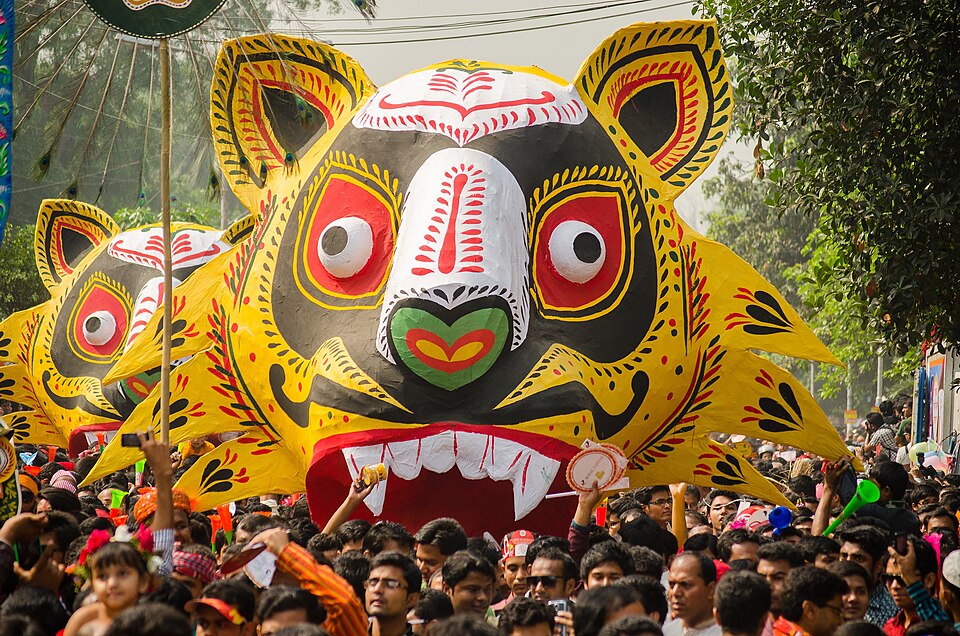
Poila Boishakh, the Bengali New Year, is a significant festival in Bengal, marking new beginnings and renewal.
Affiliate disclosure: Sanatan Hindu participates in the Amazon Associates Programme and the CueLinks affiliate network (Myntra & Flipkart). This page contains affiliate links, if you click and buy, we earn a small commission at no extra cost to you. As an Amazon Associate we earn from qualifying purchases. Full disclosure.
Next Bengali New Year
Thursday, 15 April 2027· in 179 days
Set a reminder so you never miss Bengali New Year.
Introduction
Significance
When to Celebrate
Find your exact auspicious time Check the shubh muhurat and choghadiya for your city and date.
What You'll Need
How to Prepare
- 1Clean and decorate the house
- 2Prepare traditional food
- 3Wear new clothes
- 4Perform puja and rituals
- 5Exchange gifts
- 6Participate in cultural events
How to Celebrate
- 1Wake up early in the morning and take a bath
- 2Wear new clothes and apply tilak on the forehead
- 3Perform puja and rituals, offering prayers to Lord Ganesha and Goddess Lakshmi
- 4Prepare and distribute prasad, such as sweets and fruits
- 5Participate in cultural events, such as music and dance performances
- 6Exchange gifts and well-wishes with family and friends
Mantras
Ganesh Mantra
गणेशमंगलमूर्तये
Ganeshamangalmoortaye
Meaning: Salutations to Lord Ganesha, the remover of obstacles
Lakshmi Mantra
श्रीमहालक्ष्म्यै नमः
Shreemahalakshmyai Namah
Meaning: Salutations to Goddess Lakshmi, the goddess of wealth and prosperity
Observance Rules
- •Wake up early in the morning and perform puja and rituals
- •Fast or eat only vegetarian food throughout the day
- •Avoid non-vegetarian food and liquor
- •Participate in cultural events and festivities
Do's
- ✓Wear new clothes and apply tilak on the forehead
- ✓Prepare and distribute prasad, such as sweets and fruits
- ✓Participate in cultural events, such as music and dance performances
- ✓Exchange gifts and well-wishes with family and friends
Don'ts
- ✗Avoid non-vegetarian food and liquor
- ✗Do not engage in any violent or aggressive activities
- ✗Do not neglect the poor and the needy
Common Mistakes to Avoid
- •Not waking up early in the morning to perform puja and rituals
- •Not wearing new clothes and applying tilak on the forehead
- •Not participating in cultural events and festivities
Regional Variations
- •In Bengal, the festivities are known as Poila Boishakh, while in other parts of India, they are known as Vishu or Ugadi
- •The rituals and customs may vary depending on the region and community
- •The festival is celebrated with great enthusiasm and fervor in Bengal, while in other parts of India, it may be celebrated with more subdued festivities
Frequently Asked Questions
What is the significance of Poila Boishakh?▾
What are the rituals and customs associated with Poila Boishakh?▾
Popular Tools
References & Traditional Notes
- •The festival is mentioned in the ancient Hindu scriptures, such as the Puranas and the Mahabharata
- •The rituals and customs associated with Poila Boishakh have been passed down through generations and are an integral part of Bengali culture and tradition
Related Audio & Bhajans
Lord Ganesha
Poila Boishakh Bengali New Year Lord Ganesha and Goddess Lakshmi festival
Affiliate disclosure: Sanatan Hindu participates in the Amazon Associates Programme and the CueLinks affiliate network (Myntra & Flipkart). This page contains affiliate links, if you click and buy, we earn a small commission at no extra cost to you. As an Amazon Associate we earn from qualifying purchases. Full disclosure.
Shop Samagri on Amazon.in
Clicking opens Amazon.in. Prices and availability may vary.
Browse all pooja itemsAmazon Associates tag: geekydevelope-21
Shop Pooja & Festive Essentials on Flipkart
Clicking opens Flipkart via our affiliate link. Prices and availability may vary.
Shop on FlipkartCueLinks Publisher: 300371
Shop Festive Wear on Myntra
Clicking opens Myntra via our affiliate link. Prices and availability may vary.
CueLinks Publisher: 300371
Need a website? Describe it, and AI builds it.
Perfect for a temple, pooja service, astrology practice or small shop. Tell the AI what you want — or drag and drop the classic way — and go live on your own web address in minutes with Sitova. Hosting, SEO, forms and analytics are all included.
- Build with AI or drag & drop
- Your domain + SEO built in
- Free forever plan
Opens sitova.site