
Seva (Selfless Service) — Karma Yoga in Daily Life
Comprehensive guide to Seva as Karma Yoga: meaning, scriptural basis, daily practice, mantras, and spiritual significance in Hindu tradition.
Affiliate disclosure: Sanatan Hindu participates in the Amazon Associates Programme and the CueLinks affiliate network (Myntra & Flipkart). This page contains affiliate links, if you click and buy, we earn a small commission at no extra cost to you. As an Amazon Associate we earn from qualifying purchases. Full disclosure.
Next Ram Navami
Thursday, 15 April 2027· in 147 days
Set a reminder so you never miss Ram Navami.
Introduction
Significance
Auspicious Time
Find your exact auspicious time Check the shubh muhurat and choghadiya for your city and date.
Required Samagri (Materials)
Preparation Steps
- 1Begin each day with a brief meditation or prayer dedicating all actions to the Divine (Ishvara-pranidhana)
- 2Set a clear sankalpa (resolve): 'May all my thoughts, words, and deeds today be offered as seva to the Lord in all beings'
- 3Cultivate awareness of the Divine presence in every person you will encounter
- 4Release expectations of gratitude, praise, or specific outcomes
- 5Identify genuine needs in your family, workplace, community, or environment
- 6Prepare any practical materials needed (food, medicine, teaching aids, cleaning supplies, etc.)
- 7Invoke the grace of your guru, ishta-devata, or the Universal Self for strength and purity of motive
Steps
- 1Upon waking, offer the day to the Divine: 'Karacharana kritam va kaya karma...' (whatever I do with body, speech, mind...)
- 2Throughout the day, maintain the bhava (feeling) that you are an instrument (nimitta) — the Doer is the Divine
- 3When serving food, see the recipient as Narayana (God) — practice Narayana-seva or Daridra-Narayana-seva
- 4In professional work, apply 'Karmanye vadhikaraste ma phaleshu kadachana' — focus on excellence of effort, not fruits
- 5Serve family members with the same reverence as temple deities — parents as Pitri-Devo Bhava, guests as Atithi-Devo Bhava
- 6Offer skills, knowledge, or labor to community projects without seeking leadership roles or credit
- 7Practice 'invisible seva' — anonymous acts of kindness, cleaning shared spaces, helping strangers silently
- 8When fatigue or resentment arises, pause, breathe, and reconnect with your sankalpa
- 9Before sleeping, review the day: Where did ego enter? Where was grace felt? Offer both to the Divine
- 10Regularly participate in organized seva through temples, ashrams, NGOs, or community groups to sustain inspiration
Mantras
Karma Yoga Dedication Mantra (Bhagavad Gita 2.47)
कर्मण्येवाधिकारस्ते मा फलेषु कदाचन। मा कर्मफलहेतुर्भूर्मा ते सङ्गोऽस्त्वकर्मणि॥
Karmaṇyevādhikāraste mā phaleṣu kadācana. Mā karmaphalheturbhūrmā te saṅgo'stvakarmaṇi.
Meaning: You have a right to perform your prescribed duty, but you are not entitled to the fruits of action. Never consider yourself the cause of the results of your activities, and never be attached to not doing your duty.
Universal Welfare Prayer (Lokah Samastah Sukhino Bhavantu)
लोकाः समस्ताः सुखिनो भवन्तु।
Lokāḥ samastāḥ sukhino bhavantu.
Meaning: May all beings in all worlds be happy and free. May my thoughts, words, and actions contribute to that happiness and freedom for all.
Offering All Actions to the Divine (Bhagavad Gita 9.27)
यत्करोषि यदश्नासि यज्जुहोषि ददासि यत्। यत्तपस्यसि कौन्तेय तत्कुरुष्व मदर्पणम्॥
Yat karoṣi yad aśnāsi yaj juhoṣi dadāsi yat. Yat tapasyasi kaunteya tat kuruṣva madarpaṇam.
Meaning: Whatever you do, whatever you eat, whatever you offer in sacrifice, whatever you give, and whatever austerities you perform — do that, O son of Kunti, as an offering to Me.
Guru Seva Mantra (Guru Gita / Traditional)
गुरुर्ब्रह्मा गुरुर्विष्णुः गुरुर्देवो महेश्वरः। गुरुः साक्षात् परब्रह्म तस्मै श्रीगुरवे नमः॥
Gurur brahmā gurur viṣṇuḥ gurur devo maheśvaraḥ. Guruḥ sākṣāt paraṁ brahma tasmai śrī gurave namaḥ.
Meaning: The Guru is Brahma, the Guru is Vishnu, the Guru is Shiva (Maheshvara). The Guru is verily the Supreme Brahman. To that Guru, I offer my salutations.
Prayer for Pure Intention (Traditional Seva Sankalpa)
ॐ तत्सत्। सर्वे भवन्तु सुखिनः सर्वे सन्तु निरामयाः। सर्वे भद्राणि पश्यन्तु मा कश्चिद् दुःखभाग् भवेत्॥ ॐ शान्तिः शान्तिः शान्तिः॥
Oṁ tat sat. Sarve bhavantu sukhinaḥ sarve santu nirāmayāḥ. Sarve bhadrāṇi paśyantu mā kaścid duḥkhabhāg bhavet. Oṁ śāntiḥ śāntiḥ śāntiḥ.
Meaning: Om, That is the Truth. May all be happy, may all be free from illness, may all see auspiciousness, may none suffer. Om, peace, peace, peace.
Guidelines
- •Maintain strict silence about your seva — never speak of it to gain merit or praise (guhya-seva is highest)
- •Never refuse an opportunity to serve when capacity exists, unless it violates dharma or causes harm
- •Do not discriminate in service — serve the 'low' and 'high' alike, seeing the same Atman in all
- •Accept no monetary compensation for seva offered as spiritual practice; professional work is separate
- •Observe cleanliness (shaucha) of body, speech, and mind as prerequisite for effective seva
- •Fast from criticism, gossip, and judgment while engaged in seva — these pollute the offering
- •Regularly examine motives: 'Am I serving to be seen, or to serve?' Adjust accordingly
- •Honor the dignity of those served — never create dependency or undermine self-respect
Do's
- ✓Serve with joy (ananda) — the Gita says 'yogaḥ karmasu kauśalam' (yoga is skill in action); skill includes attitude
- ✓Start small and consistent — daily humble acts outweigh occasional grand gestures
- ✓Involve family members, especially children, to cultivate seva-samskara (impressions of service)
- ✓Seek guidance from elders or guru on appropriate forms of seva for your stage of life (ashrama)
- ✓Document lessons learned (privately) to deepen self-awareness and improve future service
- ✓Support organizations with transparent governance and alignment with dharmic values
- ✓Practice ecological seva — planting trees, cleaning water bodies, reducing waste — as worship of Bhumi Devi
- ✓Offer seva to animals (go-seva, bird-feeding, shelter support) as recognized in tradition
Don'ts
- ✗Do not serve with expectation of spiritual 'brownie points' or better rebirth — this is subtle selfishness
- ✗Do not impose your idea of 'help' without consulting those affected — listen first
- ✗Do not neglect personal duties (svadharma) in the name of seva — balance is key
- ✗Do not publicize seva on social media for validation — this burns the merit (punya) instantly
- ✗Do not serve in ways that feed your ego — 'I am the great savior' — this strengthens bondage
- ✗Do not enable harmful behaviors (addiction, laziness, abuse) under guise of compassion
- ✗Do not judge other's seva as inferior — each serves according to capacity and karma
- ✗Do not burn out — sustainable seva requires self-care as service to the instrument (body/mind)
Common Mistakes to Avoid
- •Confusing seva with people-pleasing or codependency — true seva arises from strength, not neediness
- •Performing seva mechanically as a 'to-do list' without conscious offering (bhava) — becomes karma, not yoga
- •Serving only 'deserving' people — the Gita teaches serving all beings as the Self
- •Neglecting inner seva (mastering senses, purifying thoughts) while focusing only on outer acts
- •Using seva to avoid personal spiritual practice (sadhana) — both are needed
- •Measuring impact quantitatively — 'I fed 100 people' vs. 'I served with love'
- •Expecting recipients to be grateful or transformed — detachment from outcome is essential
- •Limiting seva to one's own community/caste/religion — contradicts 'Vasudhaiva Kutumbakam' (world is one family)
Regional Variations
- •In South India, temple seva (kainkaryam) includes elaborate rituals: flower weaving, lamp lighting, prasadam cooking, vahana seva during festivals
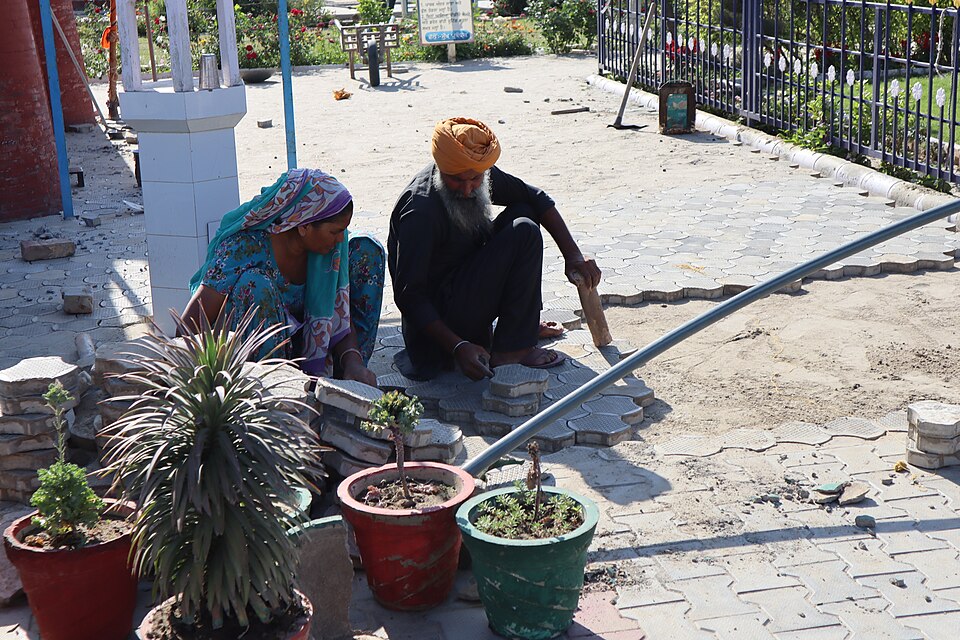
- •In North India, langar (free community kitchen) at Gurudwaras exemplifies institutionalized seva open to all regardless of faith
- •In Maharashtra, Varkari tradition emphasizes 'Nama-seva' (chanting) combined with service to pilgrims on vari (pilgrimage to Pandharpur)
- •In Bengal, Ramakrishna Mission pioneered organized social service (medical, educational, relief) as 'Shiva jnane jiva seva' (serving jiva as Shiva)
- •In Gujarat, Swaminarayan tradition emphasizes 'seva' as primary sadhana with massive volunteer networks for disaster relief
- •In Kerala, 'Annadanam' (food offering) at temples and homes is considered highest seva, often daily practice
- •In Himalayan regions, seva includes maintaining pilgrimage routes, serving sadhus, and preserving sacred ecology
- •Diaspora communities adapt seva to local contexts: food banks, tutoring, interfaith service, environmental cleanup
Frequently Asked Questions
Is seva only for renunciates or can householders practice it fully?▾
How is seva different from charity (dana)?▾
Can seva be done for non-Hindus or in secular settings?▾
What if I lack time for 'formal' seva due to work/family demands?▾
How do I know if my seva is truly selfless?▾
Are there specific deities associated with seva?▾
Can seva remove past karma?▾
Popular Tools
References & Traditional Notes
- •Bhagavad Gita Chapters 3 (Karma Yoga), 4 (Jnana-Karma-Sannyasa), 5 (Karma-Sannyasa), 9 (Raja-Vidya), 12 (Bhakti), 18 (Moksha-Sannyasa) — primary scriptural foundation
- •Upanishads: Isha Upanishad Verse 1 ('Ishavasyam idam sarvam' — all this is pervaded by the Lord), Katha Upanishad (Nachiketa's selfless quest)
- •Puranas: Bhagavata Purana (Prahlada's nine forms of bhakti including 'dasya' — service), Skanda Purana (glories of temple seva), Padma Purana (seva as highest dharma)
- •Ramayana: Hanuman's seva to Rama as paradigm; Bharata's seva to Rama's sandals; Shabari's offering of tasted fruits
- •Mahabharata: Vidura's teachings on seva to Dhritarashtra; Yudhishthira's service during exile; Karna's dana-seva
- •Dharma Shastras: Manusmriti (duties of four varnas as seva to society), Yajnavalkya Smriti (five great sacrifices/pancha-maha-yajna including service to guests, ancestors, beings)
- •Modern exemplars: Swami Vivekananda ('Shiva jnane jiva seva'), Sri Ramakrishna ('Serve jiva as Shiva'), Mahatma Gandhi (constructive program as karma yoga), Mata Amritanandamayi (embracing millions as seva), Chinmaya Mission, ISKCON Food for Life, Sewa International
- •Pancha Maha Yajna (Five Daily Sacrifices for householders): Deva Yajna (worship), Rishi Yajna (study), Pitri Yajna (ancestor rites), Bhuta Yajna (service to beings), Manushya Yajna (service to humans) — seva integrates all five
Related Audio & Bhajans
Affiliate disclosure: Sanatan Hindu participates in the Amazon Associates Programme and the CueLinks affiliate network (Myntra & Flipkart). This page contains affiliate links, if you click and buy, we earn a small commission at no extra cost to you. As an Amazon Associate we earn from qualifying purchases. Full disclosure.
Shop Samagri on Amazon.in
Clicking opens Amazon.in. Prices and availability may vary.
Browse all pooja itemsAmazon Associates tag: geekydevelope-21
Shop Pooja & Festive Essentials on Flipkart
Clicking opens Flipkart via our affiliate link. Prices and availability may vary.
Shop on FlipkartCueLinks Publisher: 300371
Shop Festive Wear on Myntra
Clicking opens Myntra via our affiliate link. Prices and availability may vary.
CueLinks Publisher: 300371
Need a website? Describe it, and AI builds it.
Perfect for a temple, pooja service, astrology practice or small shop. Tell the AI what you want — or drag and drop the classic way — and go live on your own web address in minutes with Sitova. Hosting, SEO, forms and analytics are all included.
- Build with AI or drag & drop
- Your domain + SEO built in
- Free forever plan
Opens sitova.site