
Shaligram — Sacred Stone of Lord Vishnu: Complete Guide to Worship, Significance, and Rituals
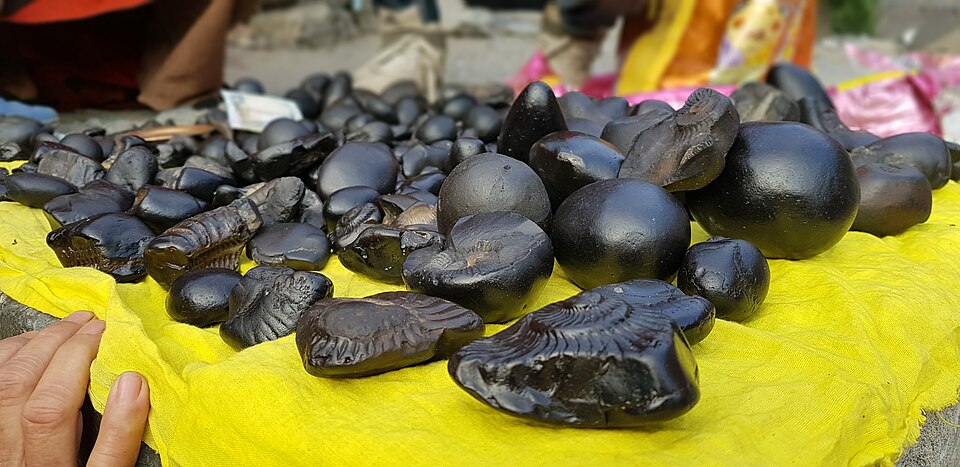
Comprehensive guide to Shaligram — the sacred ammonite fossil worshipped as Lord Vishnu's direct manifestation. Covers origin, types, puja vidhi, mantras, and spiritual significance.
Affiliate disclosure: Sanatan Hindu participates in the Amazon Associates Programme and the CueLinks affiliate network (Myntra & Flipkart). This page contains affiliate links, if you click and buy, we earn a small commission at no extra cost to you. As an Amazon Associate we earn from qualifying purchases. Full disclosure.
Next Janmashtami
Tuesday, 24 August 2027· in 343 days
Set a reminder so you never miss Janmashtami.
Introduction
Significance
Best Time to Perform
Find your exact auspicious time Check the shubh muhurat and choghadiya for your city and date.
Required Samagri (Materials)
Preparation Steps
- 1Take a bath and wear clean, preferably traditional clothing (dhoti for men, saree/suit for women).
- 2Clean the puja area thoroughly and draw a rangoli or kolam if customary.
- 3Place a clean cloth on the altar or puja platform.
- 4Arrange the Shaligram on a copper/silver plate or dedicated stand — never directly on the floor.
- 5Keep Tulsi plant or fresh Tulsi leaves ready — worship without Tulsi is considered incomplete.
- 6Prepare panchamrita fresh in a clean vessel.
- 7Fill kalash with water (preferably Gangajal mixed with clean water) and place mango leaves and coconut on top if doing elaborate puja.
- 8Light the ghee lamp and incense before beginning.
- 9Sit facing east or north in a comfortable posture (sukhasana or padmasana).
- 10Invoke Lord Ganesha first to remove obstacles, then your guru and chosen deity.
Step-by-Step Vidhi
- 1Begin with achamana: sip water from the right palm three times while chanting 'Om Kesavaya Namah', 'Om Narayanaya Namah', 'Om Madhavaya Namah' to purify body and mind.
- 2Perform pranayama and sankalpa: state your intention, name, gotra, and the purpose of worship (e.g., 'For the pleasure of Lord Vishnu and spiritual progress').
- 3Invoke Lord Ganesha with 'Om Gam Ganapataye Namah' and offer a flower, akshata, and modak or fruit.
- 4Invoke the Shaligram as Lord Vishnu: sprinkle water on the stone while chanting 'Om Apavitrah Pavitro Va Sarvavastham Gatopiva Yah Smaret Pundarikaksham Sa Bahyabhyantarah Shuchih' (purification mantra).
- 5Offer snana (bath): gently bathe the Shaligram with panchamrita using a spoon or conch, chanting Vishnu sahasranama or 'Om Namo Bhagavate Vasudevaya'. Then bathe with pure water (Gangajal). Wipe gently with a clean soft cloth.
- 6Offer vastra: place a small clean silk or cotton cloth on the Shaligram.
- 7Apply chandan tilak on the chakra markings of the Shaligram, then kumkum and haldi.
- 8Offer Tulsi leaves: place fresh Tulsi leaves on the Shaligram — this is mandatory. Chant 'Tulasyamrita Janmasi Sada Tvam Keshavapriya Keshavartham Chinomi Tvam Varada Bhava Shobhane'.
- 9Offer flowers (pushpam) at the feet of the Shaligram while chanting Vishnu names or 'Om Namo Narayanaya'.
- 10Offer dhoop (incense) and deepam (ghee lamp) with circular motions — 3, 5, or 7 times clockwise.
- 11Offer naivedya: place fruits, sweets, or cooked sattvic food before the Shaligram. Offer water in a spoon for 'pariseshana' (purification of offering).
- 12Perform aarti with camphor or ghee lamp, singing Vishnu aarti (e.g., 'Om Jai Jagdish Hare' or specific Shaligram aarti).
- 13Do pradakshina (circumambulation) 3 times clockwise if space permits, or mentally.
- 14Offer pushpanjali (handful of flowers) with prayers for forgiveness of errors (kshama prarthana): 'Mantrahinam Kriyahinam Bhaktihinam Janardana Yatpujitam Mayadevam Paripurnam Tadastu'.
- 15Distribute prasadam to family members and guests. The Shaligram remains on the altar for daily worship.
Mantras
Shaligram Invocation Mantra
ॐ नमो भगवते वासुदेवाय शालग्रामरूपिणे नमः
Om Namo Bhagavate Vasudevaya Shalagramarupine Namah
Meaning: Salutations to Lord Vasudeva (Vishnu) who manifests in the form of the Shaligram.
Tulsi Offering Mantra
तुलस्यमृतजन्मासि सदा त्वं केशवप्रिया । केशवार्थं चिनोमि त्वां वरदा भव शोभने ॥
Tulasyamrita Janmasi Sada Tvam Keshavapriya Keshavartham Chinomi Tvam Varada Bhava Shobhane
Meaning: O Tulsi, born of nectar, eternally beloved of Keshava (Vishnu). For Keshava's sake I pluck you; O beautiful one, bestow blessings.
Vishnu Moola Mantra
ॐ नमो नारायणाय
Om Namo Narayanaya
Meaning: Salutations to Lord Narayana (Vishnu), the Supreme Being who resides in all beings.
Vishnu Gayatri Mantra
ॐ नारायणाय विद्महे वासुदेवाय धीमहि तन्नो विष्णुः प्रचोदयात्
Om Narayanaya Vidmahe Vasudevaya Dhimahi Tanno Vishnuh Prachodayat
Meaning: We meditate on Narayana, contemplate on Vasudeva; may Vishnu inspire and illumine our intellect.
Shaligram Aarti (Traditional)
जय शालिग्राम प्रभु जय शालिग्राम । ब्रह्मादि सुर नर सेवा सुधाम् ॥
Jai Shaligram Prabhu Jai Shaligram Brahmmadi Sur Nara Seva Sudham
Meaning: Victory to Lord Shaligram! Victory to Lord Shaligram! You are the nectar served by Brahma, gods, and humans alike.
Purification Mantra (Before Puja)
ॐ अपवित्रः पवित्रो वा सर्वावस्थां गतोऽपि वा । यः स्मरेत् पुण्डरीकाक्षं स बाह्याभ्यन्तरः शुचिः ॥
Om Apavitrah Pavitro Va Sarvavastham Gatopiva Yah Smaret Pundarikaksham Sa Bahyabhyantarah Shuchih
Meaning: Whether pure or impure, in whatever state one may be, one who remembers the lotus-eyed Lord (Pundarikaksha) becomes pure both externally and internally.
Kshama Prarthana (Forgiveness Prayer)
मन्त्रहीनं क्रियाहीनं भक्तिहीनं जनार्दन । यत्पूजितं मया देव परिपूर्णं तदस्तु ते ॥
Mantrahinam Kriyahinam Bhaktihinam Janardana Yatpujitam Mayadevam Paripurnam Tadastu Te
Meaning: O Janardana (Vishnu), whatever worship I have performed without proper mantras, without proper ritual, without proper devotion — may it be considered complete by Your grace.
Do's
- ✓Worship Shaligram daily with Tulsi leaves — this is non-negotiable in all traditions.
- ✓Keep the Shaligram in a clean, elevated place on a copper/silver plate or stand.
- ✓Bathe the Shaligram daily with water (at minimum) and panchamrita on special occasions.
- ✓Offer only sattvic, vegetarian food as naivedya — preferably cooked without onion/garlic.
- ✓Chant Vishnu mantras, Vishnu Sahasranama, or Hari nama during worship.
- ✓Treat the Shaligram with utmost reverence — it is not a decorative object but the Lord Himself.
- ✓Consult your guru or family pandit for specific samskaras (like number of Shaligrams to keep).
- ✓Perform Tulsi Vivah (ceremonial marriage of Tulsi with Shaligram) in Kartika month as per tradition.
Don'ts
- ✗Never worship Shaligram without Tulsi leaves — it is considered incomplete and inauspicious.
- ✗Do not place Shaligram directly on the floor, ground, or unclean surface.
- ✗Never touch Shaligram with unwashed hands, after eating, or during menstrual cycle (as per traditional household rules — consult your tradition).
- ✗Do not offer non-vegetarian food, alcohol, onion, garlic, or stale food to Shaligram.
- ✗Never use chemical cleaners, soaps, or abrasives on the Shaligram — only water, panchamrita, and soft cloth.
- ✗Do not keep Shaligram in a closed box or dark cupboard — it should be in the open altar for daily darshan.
- ✗Avoid keeping broken or damaged Shaligrams for worship — they should be respectfully immersed in a river.
- ✗Do not buy/sell Shaligrams for profit — they are traditionally gifted or received from guru/elders.
Common Mistakes to Avoid
- •Treating Shaligram as a mere fossil or decorative stone rather than a living deity.
- •Skipping daily worship once initiated — nitya puja is a serious commitment in most traditions.
- •Using artificial or dried Tulsi instead of fresh leaves (fresh is mandatory).
- •Keeping too many Shaligrams without proper guidance — odd numbers (1, 3, 5) are generally prescribed for householders.
- •Neglecting the Tulsi plant — growing and caring for Tulsi is considered part of Shaligram seva.
- •Performing puja mechanically without bhava (devotion) and understanding.
- •Confusing Shaligram with other black stones (like Shiva linga) — they have distinct markings and worship methods.
- •Not following achamana and purification rituals before touching the Shaligram.
Regional Variations
- •In Gaudiya Vaishnavism (ISKCON/Bengal/Odisha): Emphasis on daily abhisheka with panchamrita, elaborate Tulsi seva, and chanting Hare Krishna mahamantra 16 rounds minimum. Shaligram worshipped as Damodara in Kartika.
- •In Sri Vaishnavism (Tamil Nadu/Karnataka/Andhra): Shaligram worship integrated with Divya Prabandham recitation, specific alankara (decoration) traditions, and adherence to Pancharatra Agama procedures. Often kept with Sri Devi and Bhu Devi.
- •In Madhva Sampradaya (Karnataka/Maharashtra): Strict adherence to Tantrasara and Jayatirtha's commentaries. Shaligram worshipped with specific mudras, Gayatri mantras, and naivedya offered only after rigorous purification.
- •In Pushtimarg (Gujarat/Rajasthan): Shaligram worshipped as Shri Nathji's svarupa; seva includes elaborate shringara (adornment), seasonal festivals, and offering of rich bhog (annakuta).
- •In Nepal (Muktinath region): Shaligrams collected directly from Gandaki; worship includes local Newar and Thakali traditions, Buddhist-Hindu syncretism at Muktinath temple, and pilgrimage rituals.
- •In North Indian households: Simplified daily puja with water, chandan, Tulsi, and aarti; emphasis on Ekadashi fasting and Vishnu Sahasranama parayana.
Frequently Asked Questions
Can women worship Shaligram during menstruation?▾
How many Shaligrams should a household keep?▾
How can I identify a genuine Shaligram?▾
What if my Shaligram breaks or gets damaged?▾
Can I gift a Shaligram to someone?▾
Is Shaligram worship mandatory for all Vaishnavas?▾
What is the significance of the different types of Shaligrams?▾
Popular Tools
References & Traditional Notes
- •Skanda Purana (Vaishnava Khanda) — detailed description of Shaligram mahatmya, types, and worship procedures.
- •Padma Purana (Uttara Khanda) — legend of Tulsi and Vishnu, origin of Shaligram from Gandaki River.
- •Garuda Purana — classification of Shaligrams and their specific phala (fruits).
- •Shaligram Kosha (by various authors) — encyclopedic texts cataloging 89+ types of Shaligrams with identification keys.
- •Tantrasara (Madhvacharya) — Madhva sampradaya procedures for Shaligram puja.
- •Hari Bhakti Vilasa (Sanatana Goswami/Gopala Bhatta Goswami) — Gaudiya Vaishnava guidelines for Shaligram seva.
- •Pancharatra Agamas (especially Parama Samhita, Lakshmi Tantra) — temple and home worship protocols.
- •Vishnu Sahasranama (Mahabharata, Anushasana Parva) — 1000 names chanted during Shaligram abhisheka.
- •Narayana Upanishad and Vishnu Sukta (Rig Veda) — Vedic foundations of Vishnu worship in iconic form.
- •Muktinath Mahatmya — regional text glorifying the Gandaki River and Shaligram Kshetra.
Related Audio & Bhajans
Tulsi Aarti
Vāṇī Of The Day 2018 12 29 Odia Eng, Maharaj Priyavrata, Svayambhuva Manu’s Desire, Lord Brahmā, Sun God Vivasvān Instructed To Vaivasvata Manu Instructed To Ikṣvāku, Patni Nivesi Putra Pāse Athavā Chalibo Sannyāse
Affiliate disclosure: Sanatan Hindu participates in the Amazon Associates Programme and the CueLinks affiliate network (Myntra & Flipkart). This page contains affiliate links, if you click and buy, we earn a small commission at no extra cost to you. As an Amazon Associate we earn from qualifying purchases. Full disclosure.
Shop Samagri on Amazon.in
Clicking opens Amazon.in. Prices and availability may vary.
Browse all pooja itemsAmazon Associates tag: geekydevelope-21
Shop Pooja & Festive Essentials on Flipkart
Clicking opens Flipkart via our affiliate link. Prices and availability may vary.
Shop on FlipkartCueLinks Publisher: 300371
Shop Festive Wear on Myntra
Clicking opens Myntra via our affiliate link. Prices and availability may vary.
CueLinks Publisher: 300371