Sacred PlacesShivaMahashivaratri

Thiruvanaikkaval Jambukeswarar — Pancha Bhoota Stalam Water

Discover the spiritual significance of Thiruvanaikkaval Jambukeswarar, a Pancha Bhoota Stalam dedicated to water

By Sanatan Hindu10 min readUpdated 4 August 2026Audio available
Share:

Affiliate disclosure: Sanatan Hindu participates in the Amazon Associates Programme and the CueLinks affiliate network (Myntra & Flipkart). This page contains affiliate links, if you click and buy, we earn a small commission at no extra cost to you. As an Amazon Associate we earn from qualifying purchases. Full disclosure.
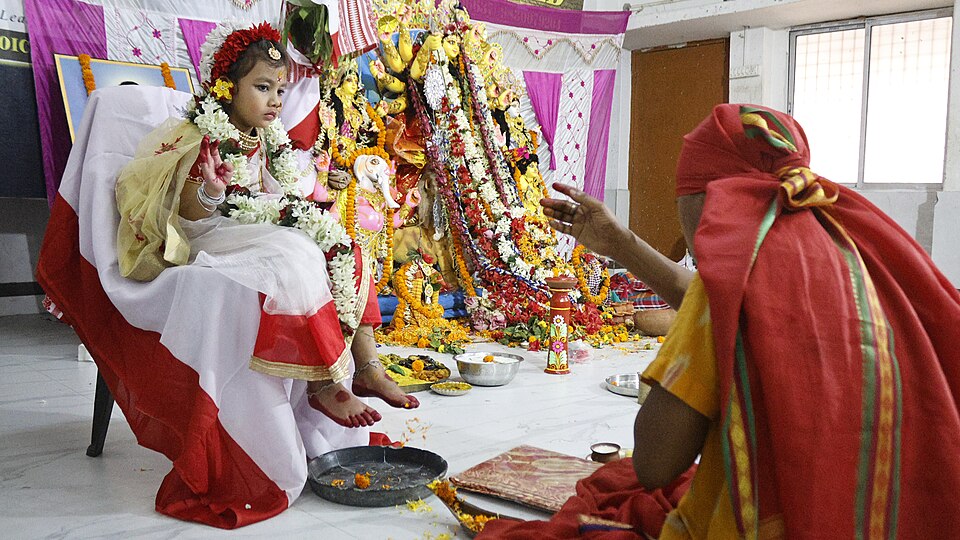
Thiruvanaikkaval Jambukeswarar — Pancha Bhoota Stalam Water

Introduction

Thiruvanaikkaval Jambukeswarar is one of the five Pancha Bhoota Stalams, which are sacred temples in Hinduism dedicated to the five elements of nature: earth, water, fire, air, and space. This particular temple is dedicated to the element of water, also known as Jala or Apas in Sanskrit. Located in the state of Tamil Nadu, India, Thiruvanaikkaval Jambukeswarar is a revered shrine that attracts devotees and spiritual seekers from all over the world. The temple is dedicated to Lord Shiva, who is worshipped as Jambukeswarar, and his consort, Goddess Parvati, who is worshipped as Akilandeswari. The temple's history dates back to the 7th century, and it is believed to have been built during the reign of the Pallava dynasty. According to legend, the temple was built by a Chola king who was a devotee of Lord Shiva. The king had a dream in which Lord Shiva instructed him to build a temple at the site where the river Kaveri flows. The king followed the lord's instructions and built the temple, which became a sacred place of worship for the people of the region. The temple's architecture is a testament to the rich cultural heritage of the region, with intricate carvings and sculptures that depict various mythological stories and legends. The temple's main shrine is dedicated to Lord Jambukeswarar, who is worshipped as a lingam, a symbol of the infinite and the divine. The lingam is believed to have been created by the goddess Parvati, who is said to have made it out of the earth. The temple also has a separate shrine dedicated to Goddess Akilandeswari, who is worshipped as a powerful deity who grants blessings and protection to her devotees. Thiruvanaikkaval Jambukeswarar is not only a sacred place of worship but also a symbol of the rich cultural and spiritual heritage of India. The temple's history, architecture, and mythology are all intertwined, making it a fascinating and inspiring place to visit. For devotees and spiritual seekers, the temple offers a unique opportunity to connect with the divine and experience the power of faith and devotion. The temple's spiritual significance is rooted in its connection to the element of water, which is considered a symbol of purification and renewal. In Hinduism, water is believed to have the power to purify the body, mind, and spirit, and is often used in rituals and ceremonies to cleanse and renew the individual. The temple's dedication to the element of water makes it a sacred place for those seeking spiritual growth and self-transformation. The temple's mythology and legends are also deeply connected to the element of water. According to legend, the temple was built on a site where a sacred spring emerged from the earth, which was believed to have healing properties. The spring is said to have been created by the goddess Parvati, who is worshipped as a powerful deity who grants blessings and protection to her devotees. The temple's connection to the element of water is also reflected in its architecture, with intricate carvings and sculptures that depict various mythological stories and legends related to water. The temple's spiritual significance is also rooted in its connection to the Pancha Bhoota Stalams, which are believed to represent the five elements of nature. The Pancha Bhoota Stalams are considered to be sacred places of worship, where devotees can connect with the divine and experience the power of faith and devotion. Thiruvanaikkaval Jambukeswarar is one of the most important Pancha Bhoota Stalams, and is considered to be a symbol of the spiritual and cultural heritage of India. The temple's spiritual significance is also reflected in its rituals and ceremonies, which are designed to promote spiritual growth and self-transformation. The temple's priests perform various rituals and ceremonies, including the daily puja, which is a ritual of worship and devotion. The daily puja is performed to promote spiritual growth and self-transformation, and is considered to be an essential part of the temple's spiritual practice. The temple also celebrates various festivals and ceremonies throughout the year, including the Mahashivaratri festival, which is a celebration of the divine union of Lord Shiva and Goddess Parvati. The festival is considered to be a sacred occasion, and is celebrated with great fervor and devotion by the temple's devotees. In addition to its spiritual significance, Thiruvanaikkaval Jambukeswarar is also a popular tourist destination, attracting visitors from all over the world. The temple's architecture, mythology, and legends are all fascinating and inspiring, making it a must-visit destination for anyone interested in Hinduism and Indian culture. The temple's spiritual significance is also reflected in its connection to the natural world, with the river Kaveri flowing nearby. The river is considered to be a sacred symbol of the divine, and is worshipped as a powerful deity who grants blessings and protection to her devotees. The temple's connection to the natural world is also reflected in its architecture, with intricate carvings and sculptures that depict various mythological stories and legends related to nature. The temple's spiritual significance is a testament to the rich cultural and spiritual heritage of India, and is a reminder of the importance of preserving and promoting our cultural and spiritual traditions. The temple's history, mythology, and legends are all intertwined, making it a fascinating and inspiring place to visit. For devotees and spiritual seekers, the temple offers a unique opportunity to connect with the divine and experience the power of faith and devotion. The temple's spiritual significance is also reflected in its connection to the community, with the temple playing an important role in the social and cultural life of the region. The temple's priests and devotees are actively involved in various charitable and social activities, including education and healthcare. The temple's connection to the community is a testament to the importance of preserving and promoting our cultural and spiritual traditions, and is a reminder of the need to promote social and cultural harmony. In conclusion, Thiruvanaikkaval Jambukeswarar is a sacred place of worship that offers a unique opportunity to connect with the divine and experience the power of faith and devotion. The temple's spiritual significance is rooted in its connection to the element of water, and is reflected in its architecture, mythology, and legends. The temple's rituals and ceremonies are designed to promote spiritual growth and self-transformation, and the temple's connection to the community is a testament to the importance of preserving and promoting our cultural and spiritual traditions.

Significance

The spiritual significance of Thiruvanaikkaval Jambukeswarar is rooted in its connection to the element of water, which is considered a symbol of purification and renewal. In Hinduism, water is believed to have the power to purify the body, mind, and spirit, and is often used in rituals and ceremonies to cleanse and renew the individual. The temple's dedication to the element of water makes it a sacred place for those seeking spiritual growth and self-transformation. The temple's mythology and legends are also deeply connected to the element of water, with the temple's history and architecture reflecting its connection to the divine. The temple's spiritual significance is also reflected in its connection to the Pancha Bhoota Stalams, which are believed to represent the five elements of nature. The Pancha Bhoota Stalams are considered to be sacred places of worship, where devotees can connect with the divine and experience the power of faith and devotion. Thiruvanaikkaval Jambukeswarar is one of the most important Pancha Bhoota Stalams, and is considered to be a symbol of the spiritual and cultural heritage of India. The temple's spiritual significance is also reflected in its rituals and ceremonies, which are designed to promote spiritual growth and self-transformation. The temple's priests perform various rituals and ceremonies, including the daily puja, which is a ritual of worship and devotion. The daily puja is performed to promote spiritual growth and self-transformation, and is considered to be an essential part of the temple's spiritual practice. The temple also celebrates various festivals and ceremonies throughout the year, including the Mahashivaratri festival, which is a celebration of the divine union of Lord Shiva and Goddess Parvati. The festival is considered to be a sacred occasion, and is celebrated with great fervor and devotion by the temple's devotees. The temple's spiritual significance is also reflected in its connection to the natural world, with the river Kaveri flowing nearby. The river is considered to be a sacred symbol of the divine, and is worshipped as a powerful deity who grants blessings and protection to her devotees. The temple's connection to the natural world is also reflected in its architecture, with intricate carvings and sculptures that depict various mythological stories and legends related to nature. The temple's spiritual significance is a testament to the rich cultural and spiritual heritage of India, and is a reminder of the importance of preserving and promoting our cultural and spiritual traditions. The temple's history, mythology, and legends are all intertwined, making it a fascinating and inspiring place to visit. For devotees and spiritual seekers, the temple offers a unique opportunity to connect with the divine and experience the power of faith and devotion. The temple's spiritual significance is also reflected in its connection to the community, with the temple playing an important role in the social and cultural life of the region. The temple's priests and devotees are actively involved in various charitable and social activities, including education and healthcare. The temple's connection to the community is a testament to the importance of preserving and promoting our cultural and spiritual traditions, and is a reminder of the need to promote social and cultural harmony. In Hinduism, the element of water is considered to be a symbol of spiritual growth and self-transformation. The temple's dedication to the element of water makes it a sacred place for those seeking spiritual growth and self-transformation. The temple's rituals and ceremonies are designed to promote spiritual growth and self-transformation, and the temple's connection to the natural world is a reminder of the importance of living in harmony with nature. The temple's spiritual significance is also reflected in its connection to the concept of karma, which is the idea that an individual's actions have consequences in this life and the next. The temple's rituals and ceremonies are designed to help individuals purify their karma and achieve spiritual growth and self-transformation. The temple's connection to the concept of karma is a testament to the importance of living a virtuous and righteous life, and is a reminder of the need to cultivate self-awareness and self-discipline. The temple's spiritual significance is also reflected in its connection to the concept of dharma, which is the idea that an individual has a duty to fulfill their obligations and responsibilities in life. The temple's rituals and ceremonies are designed to help individuals fulfill their dharma and achieve spiritual growth and self-transformation. The temple's connection to the concept of dharma is a testament to the importance of living a life of purpose and meaning, and is a reminder of the need to cultivate self-awareness and self-discipline. In conclusion, the spiritual significance of Thiruvanaikkaval Jambukeswarar is rooted in its connection to the element of water, and is reflected in its architecture, mythology, and legends. The temple's rituals and ceremonies are designed to promote spiritual growth and self-transformation, and the temple's connection to the community is a testament to the importance of preserving and promoting our cultural and spiritual traditions. The temple's spiritual significance is a reminder of the importance of living in harmony with nature, and is a testament to the importance of cultivating self-awareness and self-discipline. The temple's connection to the concepts of karma and dharma is a reminder of the importance of living a virtuous and righteous life, and is a testament to the importance of fulfilling one's obligations and responsibilities in life.

Best Time to Perform

The best time to visit Thiruvanaikkaval Jambukeswarar is during the festival of Mahashivaratri, which is celebrated in February or March. The festival is a celebration of the divine union of Lord Shiva and Goddess Parvati, and is considered to be a sacred occasion. The temple is also open throughout the year, and devotees can visit the temple at any time to worship and seek blessings.

Find your exact auspicious time Check the shubh muhurat and choghadiya for your city and date.

Required Samagri (Materials)

Flowers
Fruits
Incense sticks
Camphor
Ghee

Preparation Steps

  1. 1Take a bath before visiting the temple
  2. 2Wear clean and simple clothes
  3. 3Bring offerings of flowers, fruits, and incense sticks
  4. 4Perform a puja or ritual at the temple

Step-by-Step Vidhi

  1. 1Enter the temple and bow down to the deity
  2. 2Perform a puja or ritual at the temple
  3. 3Offer flowers, fruits, and incense sticks to the deity
  4. 4Take a prasad or blessing from the temple

Mantras

Om Namah Shivaya

ॐ नमः शिवाय

Om Namah Shivaya

Meaning: I bow to Lord Shiva

Om Jai Jai Jai Shiva

ॐ जय जय जय शिव

Om Jai Jai Jai Shiva

Meaning: Victory to Lord Shiva

Vrat Rules

  • Fast on Mondays
  • Wear simple and clean clothes
  • Avoid non-vegetarian food
  • Avoid alcohol and tobacco

Do's

  • Visit the temple with a pure heart and mind
  • Perform a puja or ritual at the temple
  • Offer flowers, fruits, and incense sticks to the deity
  • Take a prasad or blessing from the temple

Don'ts

  • Do not enter the temple with dirty or impure clothes
  • Do not consume non-vegetarian food or alcohol
  • Do not smoke or use tobacco
  • Do not litter or pollute the temple premises

Common Mistakes to Avoid

  • Not taking a bath before visiting the temple
  • Not wearing clean and simple clothes
  • Not performing a puja or ritual at the temple
  • Not offering flowers, fruits, and incense sticks to the deity

Regional Variations

  • In some regions, the temple is also known as Jambukeswarar Temple
  • In some regions, the festival of Mahashivaratri is celebrated with great fervor and devotion

Frequently Asked Questions

What is the best time to visit Thiruvanaikkaval Jambukeswarar?
The best time to visit Thiruvanaikkaval Jambukeswarar is during the festival of Mahashivaratri, which is celebrated in February or March.
What are the required samagri for visiting the temple?
The required samagri for visiting the temple include flowers, fruits, incense sticks, camphor, and ghee.

References & Traditional Notes

  • The temple is mentioned in the Tamil literature of the 7th century
  • The temple is considered to be one of the Pancha Bhoota Stalams
  • The temple is dedicated to the element of water

Related Audio & Bhajans

Daily Panchang Tuesday, March 2026

otherYouTube
Open on YouTube →
Lyrics

Introduction

otherSadhana Sargam
View Lyrics

Karva Chauth Vrat Sacred Fast Lord Shiva

otherYouTube
Open on YouTube →
Lyrics

Basant Panchami

otherAditya Nath
View Lyrics

Basant Panchami

otherYouTube
Open on YouTube →
Lyrics

Allahabad Prayagraj Triveni Sangam Kumbh Lord Shiva, Lord Krishna, Goddess Saraswati pilgrimage

otherYouTube
Open on YouTube →
Lyrics

Panchakarma

otherAyurveda Detox
View Lyrics

Ancient Medicine Today : Ayurveda and Panchakarma

other
View Lyrics

Panchakarma

otherYouTube
Open on YouTube →
Lyrics

Vasant Panchami

otherYouTube
Open on YouTube →
Lyrics

Affiliate disclosure: Sanatan Hindu participates in the Amazon Associates Programme and the CueLinks affiliate network (Myntra & Flipkart). This page contains affiliate links, if you click and buy, we earn a small commission at no extra cost to you. As an Amazon Associate we earn from qualifying purchases. Full disclosure.

Shop Samagri on Amazon.in

Clicking opens Amazon.in. Prices and availability may vary.

Browse all pooja items

Amazon Associates tag: geekydevelope-21

Shop Pooja & Festive Essentials on Flipkart

Clicking opens Flipkart via our affiliate link. Prices and availability may vary.

Shop on Flipkart

CueLinks Publisher: 300371

Shop Festive Wear on Myntra

Clicking opens Myntra via our affiliate link. Prices and availability may vary.

CueLinks Publisher: 300371

Share:

Get the daily panchang & festival updates

Join our free newsletter, no spam, unsubscribe anytime.