
Sacred PlacesVenkateswaraBrahmotsavam

Tirumala Seven Hills — Spiritual Significance of Saptagiri

Discover the spiritual significance of Tirumala Seven Hills, a sacred site in Hinduism

By Sanatan Hindu7 min readUpdated 8 August 2026Audio available
Share:

Affiliate disclosure: Sanatan Hindu participates in the Amazon Associates Programme and the CueLinks affiliate network (Myntra & Flipkart). This page contains affiliate links, if you click and buy, we earn a small commission at no extra cost to you. As an Amazon Associate we earn from qualifying purchases. Full disclosure.
Tirumala Seven Hills — Spiritual Significance of Saptagiri

Introduction

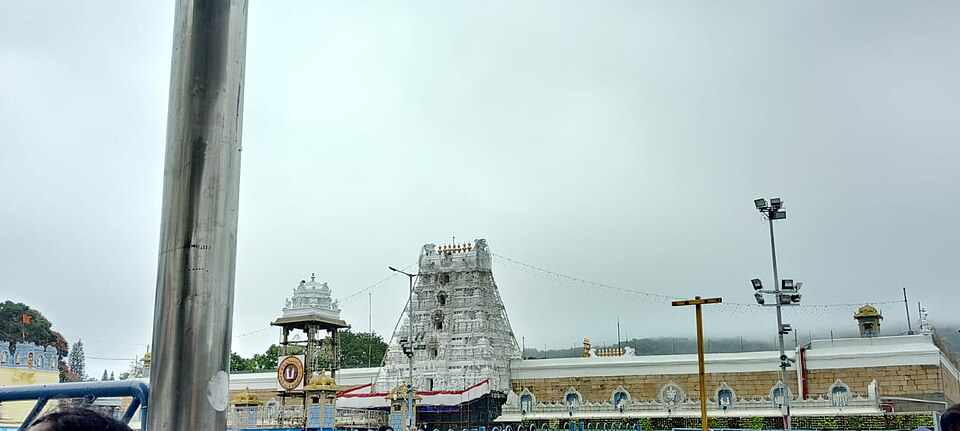
Tirumala, located in the Chittoor district of Andhra Pradesh, India, is one of the most revered pilgrimage sites in Hinduism. The town is home to the famous Venkateswara Temple, dedicated to Lord Vishnu, and is situated atop the Saptagiri, or Seven Hills. The Saptagiri hills are not only a natural wonder but also hold immense spiritual significance in Hinduism. According to the Puranas, the Saptagiri hills are the earthly manifestation of the seven hoods of the serpent Adisesha, the divine seat of Lord Vishnu. The hills are named after the seven sages, or Saptarishis, who are said to have meditated on the hills, seeking spiritual enlightenment. The spiritual significance of Tirumala Seven Hills is deeply rooted in Hindu mythology and scripture, with references to the site found in the Ramayana, Mahabharata, and Puranas. The site has been a major pilgrimage center for centuries, with devotees flocking to the Venkateswara Temple to seek the blessings of Lord Vishnu. The temple is renowned for its stunning architecture, beautiful sculptures, and intricate carvings, showcasing the rich cultural and artistic heritage of India. The spiritual atmosphere of Tirumala is palpable, with the sound of chanting, the fragrance of incense, and the warmth of the sun on the hills creating a sense of peace and tranquility. The Saptagiri hills are also home to several other temples, ashrams, and sacred sites, making it a unique and enriching spiritual experience for devotees. The hills are surrounded by lush forests, which are home to a variety of flora and fauna, adding to the natural beauty of the site. The spiritual significance of Tirumala Seven Hills is not limited to the temple or the hills alone but extends to the entire town, which is steeped in tradition and culture. The town is home to several festivals and celebrations throughout the year, which are an integral part of the spiritual experience. The most famous of these festivals is the Brahmotsavam, a nine-day celebration that takes place in September-October, which attracts millions of devotees from all over the world. The festival is a celebration of the divine marriage of Lord Vishnu and his consort, Goddess Lakshmi, and is marked by processions, music, and dance. The spiritual significance of Tirumala Seven Hills is a testament to the enduring power of faith and devotion in Hinduism. The site has been a source of inspiration and guidance for countless devotees over the centuries, and continues to be a major pilgrimage center, attracting millions of visitors each year. The Saptagiri hills are a reminder of the importance of spiritual growth and self-realization, and the need to seek a deeper connection with the divine. The hills are also a symbol of the harmony between nature and spirituality, highlighting the importance of preserving the natural environment and promoting ecological sustainability. In Hinduism, the Saptagiri hills are considered a sacred site, where the divine and the human meet. The hills are believed to be a threshold between the earthly and spiritual realms, and are said to possess the power to transform and transcend the human experience. The spiritual significance of Tirumala Seven Hills is a complex and multifaceted phenomenon, which cannot be reduced to a single definition or explanation. It is a lived experience, which can only be understood by immersing oneself in the spiritual atmosphere of the site. The site is a testament to the richness and diversity of Hinduism, and the importance of preserving and promoting the cultural and spiritual heritage of India.

Significance

The spiritual significance of Tirumala Seven Hills is deeply rooted in Hindu mythology and scripture. The site is believed to be the earthly manifestation of the divine, and is said to possess the power to transform and transcend the human experience. The Saptagiri hills are considered a sacred site, where the divine and the human meet, and are believed to be a threshold between the earthly and spiritual realms. The hills are also a symbol of the harmony between nature and spirituality, highlighting the importance of preserving the natural environment and promoting ecological sustainability. The spiritual significance of Tirumala Seven Hills is not limited to the temple or the hills alone but extends to the entire town, which is steeped in tradition and culture. The town is home to several festivals and celebrations throughout the year, which are an integral part of the spiritual experience. The most famous of these festivals is the Brahmotsavam, a nine-day celebration that takes place in September-October, which attracts millions of devotees from all over the world. The festival is a celebration of the divine marriage of Lord Vishnu and his consort, Goddess Lakshmi, and is marked by processions, music, and dance. The spiritual significance of Tirumala Seven Hills is a testament to the enduring power of faith and devotion in Hinduism. The site has been a source of inspiration and guidance for countless devotees over the centuries, and continues to be a major pilgrimage center, attracting millions of visitors each year. The Saptagiri hills are a reminder of the importance of spiritual growth and self-realization, and the need to seek a deeper connection with the divine. The hills are also a symbol of the importance of preserving and promoting the cultural and spiritual heritage of India. In Hinduism, the Saptagiri hills are considered a sacred site, where the divine and the human meet. The hills are believed to be a threshold between the earthly and spiritual realms, and are said to possess the power to transform and transcend the human experience. The spiritual significance of Tirumala Seven Hills is a complex and multifaceted phenomenon, which cannot be reduced to a single definition or explanation. It is a lived experience, which can only be understood by immersing oneself in the spiritual atmosphere of the site. The site is a testament to the richness and diversity of Hinduism, and the importance of preserving and promoting the cultural and spiritual heritage of India. The spiritual significance of Tirumala Seven Hills is also closely tied to the concept of darshan, or the act of seeing and being seen by the divine. In Hinduism, darshan is considered a powerful means of spiritual growth and self-realization, and is believed to possess the power to transform and transcend the human experience. The Saptagiri hills are considered a sacred site, where the divine and the human meet, and are believed to be a threshold between the earthly and spiritual realms. The hills are also a symbol of the importance of preserving and promoting the cultural and spiritual heritage of India. The spiritual significance of Tirumala Seven Hills is a reminder of the importance of spiritual growth and self-realization, and the need to seek a deeper connection with the divine. The hills are a testament to the enduring power of faith and devotion in Hinduism, and continue to be a major pilgrimage center, attracting millions of visitors each year. The Saptagiri hills are a complex and multifaceted phenomenon, which cannot be reduced to a single definition or explanation. It is a lived experience, which can only be understood by immersing oneself in the spiritual atmosphere of the site. The site is a testament to the richness and diversity of Hinduism, and the importance of preserving and promoting the cultural and spiritual heritage of India.

Best Time to Perform

The best time to visit Tirumala Seven Hills is during the Brahmotsavam festival, which takes place in September-October. However, the site can be visited throughout the year, and the best time to visit depends on personal preference and the purpose of the visit.

Find your exact auspicious time Check the shubh muhurat and choghadiya for your city and date.

Required Samagri (Materials)

Prasad
flowers
incense
camphor

Preparation Steps

  1. 1Take a bath before visiting the temple
  2. 2wear clean and simple clothes
  3. 3avoid eating non-vegetarian food
  4. 4avoid drinking alcohol

Step-by-Step Vidhi

  1. 1Reach the temple complex and take a ticket
  2. 2wait in the queue and proceed to the temple
  3. 3offer prayers and perform darshan
  4. 4take prasad and leave the temple

Mantras

Venkateswara Suprabhatam

શ્રી વેંકટેશ્વર સુપ્રભાતમ

Shri Venkateshwara Suprabhatam

Meaning: The morning prayer to Lord Venkateswara

Venkateswara Stuti

શ્રી વેંકટેશ્વર સ્તુતિ

Shri Venkateshwara Stuti

Meaning: The praise of Lord Venkateswara

Vrat Rules

  • Take a vow to visit the temple
  • fast for a day before visiting the temple
  • avoid eating non-vegetarian food
  • avoid drinking alcohol

Do's

  • Respect the temple rules and traditions
  • follow the instructions of the temple priests
  • offer prayers and perform darshan with devotion

Don'ts

  • Do not litter in the temple complex
  • do not touch the idols or the temple walls
  • do not use mobile phones or cameras inside the temple

Common Mistakes to Avoid

  • Not following the temple rules and traditions
  • not respecting the temple priests
  • not offering prayers and performing darshan with devotion

Regional Variations

  • The temple is also known as Tirupati Balaji in some regions
  • the festival of Brahmotsavam is celebrated differently in different regions

Frequently Asked Questions

What is the best time to visit Tirumala Seven Hills?
The best time to visit Tirumala Seven Hills is during the Brahmotsavam festival, which takes place in September-October.
What are the temple rules and traditions?
The temple rules and traditions include taking a bath before visiting the temple, wearing clean and simple clothes, avoiding non-vegetarian food, and avoiding drinking alcohol.

References & Traditional Notes

  • The temple is mentioned in the Puranas and the Mahabharata
  • the festival of Brahmotsavam is mentioned in the Puranas

Related Audio & Bhajans

Spiritual Journey

otherChrome Dreams Audio Series
View Lyrics

The Stages of Spiritual Growth

other
View Lyrics

Spiritual growth

otherYouTube
Open on YouTube →
Lyrics

Diwali Festival & Spirituality

other
View Lyrics

Hindu Spiritual Practices

otherYouTube
Open on YouTube →
Lyrics

Hindu spirituality

otherYouTube
Open on YouTube →
Lyrics

Spiritual benefits of reciting Aartis

aartiYouTube
Open on YouTube →
Lyrics

The Path to Spiritual Enlightenment

otherYouTube
Open on YouTube →
Lyrics

Spirituality

otherRuby Hill
View Lyrics

Spirituality and Personal Growth

otherYouTube
Open on YouTube →
Lyrics

Affiliate disclosure: Sanatan Hindu participates in the Amazon Associates Programme and the CueLinks affiliate network (Myntra & Flipkart). This page contains affiliate links, if you click and buy, we earn a small commission at no extra cost to you. As an Amazon Associate we earn from qualifying purchases. Full disclosure.

Shop Samagri on Amazon.in

Clicking opens Amazon.in. Prices and availability may vary.

Browse all pooja items

Amazon Associates tag: geekydevelope-21

Shop Pooja & Festive Essentials on Flipkart

Clicking opens Flipkart via our affiliate link. Prices and availability may vary.

Shop on Flipkart

CueLinks Publisher: 300371

Shop Festive Wear on Myntra

Clicking opens Myntra via our affiliate link. Prices and availability may vary.

CueLinks Publisher: 300371

Share:

Get the daily panchang & festival updates

Join our free newsletter, no spam, unsubscribe anytime.