
Triphala — The Ayurvedic Three-Fruit Formula: Benefits, Uses, and Spiritual Significance
Comprehensive guide to Triphala: the classic Ayurvedic rasayana of Amalaki, Bibhitaki, and Haritaki. Benefits, preparation, dosage, mantras, and spiritual significance.
Affiliate disclosure: Sanatan Hindu participates in the Amazon Associates Programme and the CueLinks affiliate network (Myntra & Flipkart). This page contains affiliate links, if you click and buy, we earn a small commission at no extra cost to you. As an Amazon Associate we earn from qualifying purchases. Full disclosure.
Next Dhanteras
Friday, 6 November 2026· in 18 days
Set a reminder so you never miss Dhanteras.
Introduction
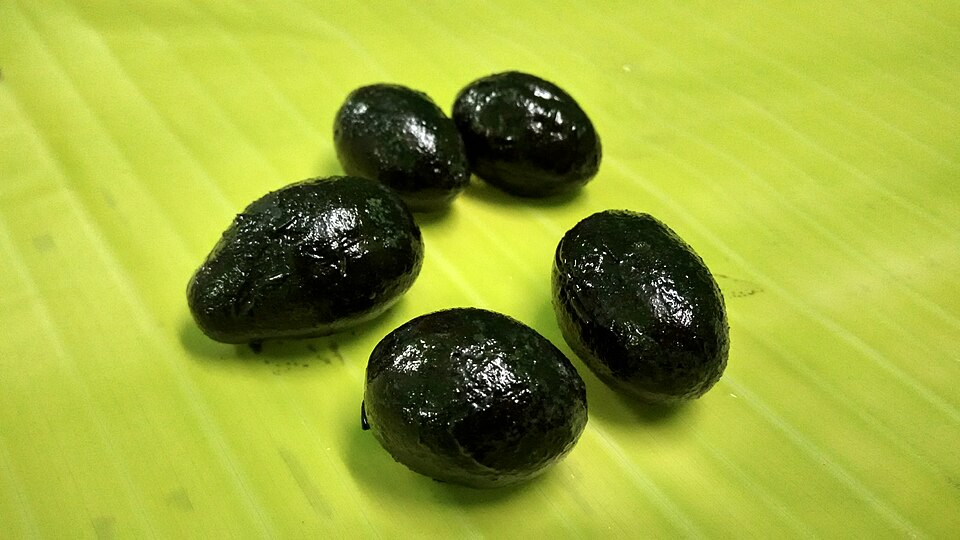
The legend of Triphala's origin is intimately woven into the cosmic narrative of Ayurveda's divine transmission. According to tradition, Ayurveda was revealed by Lord Brahma to the celestial physicians, the Ashwini Kumaras, who passed it to Indra, and from there to the great sages like Bharadvaja, Atreya, and Dhanvantari. The three fruits of Triphala are each associated with profound mythological and botanical significance. Amalaki, the Indian gooseberry, is said to have originated from the tears of Lord Vishnu during his meditation, earning it the title "Amrita-phala" (fruit of immortality) and making it sacred to Vishnu and Lakshmi. Bibhitaki, whose name means "that which keeps away disease" (bhibhiti = fear, aki = remover), is associated with the energy of Rudra/Shiva and is believed to have grown from the nectar spilled during the churning of the ocean (Samudra Manthan). Haritaki, revered as the "king of medicines" (Sarva-roga-nivarini), is said to have emerged from a drop of nectar from Indra's cup and is sacred to both Shiva and the goddess Nili. Together, these three fruits represent a complete cosmological mapping: Amalaki governs the Pitta principle (transformation, metabolism, fire), Haritaki governs Vata (movement, nervous system, space/air), and Bibhitaki governs Kapha (structure, lubrication, earth/water).
In the Charaka Samhita (Chikitsa Sthana 1.3), Triphala is described as a rasayana that "promotes longevity, enhances memory and intelligence, bestows freedom from disease, imparts luster to the skin, and strengthens the sense organs." The Sushruta Samhita emphasizes its role in wound healing (vrana ropana) and eye health (chakshushya), while the Ashtanga Hridayam of Vagbhata highlights its unique ability to gently cleanse the digestive tract without causing dependency or irritation — a rare quality among laxatives. Beyond its physical benefits, Triphala holds a special place in the daily dinacharya (daily routine) of Ayurvedic practitioners and yogis. It is traditionally taken at night before sleep to support the body's natural detoxification processes during the early morning hours (Brahma Muhurta), aligning with the body's circadian rhythms and the Ayurvedic understanding of agni (digestive fire) and ama (toxins). The formula's taste profile — containing five of the six tastes (rasas): sweet, sour, pungent, bitter, and astringent (lacking only salty) — ensures it stimulates all aspects of digestion and metabolism, making it a complete nutritional and therapeutic agent in itself.
The spiritual dimension of Triphala cannot be overstated. In the yogic and tantric traditions, the three fruits correspond to the three primary nadis (energy channels): Amalaki to Ida (lunar, cooling), Haritaki to Pingala (solar, heating), and Bibhitaki to Sushumna (central, balancing). Consuming Triphala with proper intention and mantra is considered a form of herbal sadhana (spiritual practice) that purifies not only the physical body but also the subtle body, preparing the practitioner for deeper meditation and pranayama. Many traditional Ayurvedic physicians (vaidyas) and spiritual lineages (sampradayas) teach specific mantras to be recited during the preparation, storage, and consumption of Triphala, invoking the healing intelligence of the plants and the divine physicians. This integration of botany, physiology, and spirituality exemplifies the holistic worldview of Sanatana Dharma, where medicine is not separate from dharma, and healing is a sacred act of aligning with cosmic order (rita). Today, as modern science validates Triphala's antioxidant, anti-inflammatory, antimicrobial, and adaptogenic properties through hundreds of peer-reviewed studies, the ancient wisdom of this three-fruit formula continues to bridge the timeless and the contemporary, offering a profound tool for health, longevity, and spiritual evolution.
Significance
In the context of daily sadhana, Triphala occupies a unique position as both a physical cleanser and a subtle purifier. The Ayurvedic texts emphasize that ama (undigested metabolic waste) accumulates not only in the gastrointestinal tract but also in the subtle channels (srotas) and the mind (manas), clouding perception and obstructing the flow of prana. Triphala's gentle scraping action (lekhana) on the intestinal walls is paralleled by its ability to "scrape" mental ama — confusion, lethargy, and emotional stagnation. The Charaka Samhita (Sutra Sthana 5.12) states that "the root cause of all disease is the impairment of agni," and Triphala is the quintessential agni-dipana (kindler of digestive fire) that restores the transformative capacity of body and mind. For the spiritual seeker, a clear agni translates to clear perception (pratyaksha), discriminative intellect (buddhi), and the capacity to assimilate not just food but spiritual teachings (shravana, manana, nididhyasana). Many guru lineages recommend Triphala as a foundational support for practitioners undertaking intensive sadhana, vratas (vows), or panchakarma, recognizing that physical purity (shaucha) is the first niyama of Patanjali's Yoga Sutras and the gateway to higher practices.
Astrologically (Jyotisha), the three fruits of Triphala are associated with key planetary energies that influence health and destiny. Amalaki, rich in vitamin C and cooling in nature, is linked to the Moon (Chandra) and Venus (Shukra), governing rasa dhatu (plasma/lymph), emotional wellbeing, and reproductive health. Haritaki, with its heating, penetrating, and nervine qualities, resonates with Mercury (Budha) and the Sun (Surya), governing majja dhatu (nervous tissue), intellect, and vitality. Bibhitaki, astringent and drying, corresponds to Saturn (Shani) and Mars (Mangala), governing asthi dhatu (bone), structural integrity, and detoxification. Consuming Triphala regularly is thus seen as a form of graha shanti (planetary pacification), harmonizing the navagraha influences on the body-mind complex. In many traditional households, Triphala is prepared and consumed on specific days — particularly Saturdays (Shani's day) for Bibhitaki's Saturnine cleansing, Mondays (Chandra's day) for Amalaki's lunar nourishment, and Wednesdays (Budha's day) for Haritaki's mercurial clarity — aligning the herbal practice with the cosmic rhythm.
Culturally, Triphala has been a staple of the Indian kitchen and home pharmacy for millennia, transcending regional, sectarian, and socioeconomic boundaries. In South India, it is commonly prepared as a decoction (kashayam) with honey and ghee; in North India, as a churna (powder) taken with warm water; in Maharashtra and Gujarat, as a component of traditional digestive formulations like Hingvashtak. The great saint-poets of the Bhakti movement, including Tukaram and Kabir, referenced Triphala in their abhangas and dohas as a metaphor for the threefold path of devotion, knowledge, and action. In the temple traditions of Tamil Nadu and Kerala, Triphala is offered as naivedya (food offering) to deities like Dhanvantari (the divine physician) and Vishnu in his form as Vaidyanatha (Lord of Physicians), and the prasada is distributed to devotees for healing. The annual festival of Dhanvantari Jayanti (celebrated on Dhanteras, two days before Diwali) sees widespread preparation and distribution of Triphala in Ayurvedic institutions and temples across India, reinforcing its status as a sacred gift from the divine healer.
The phala (fruits/results) of regular Triphala use, as enumerated in the classical texts and validated by generations of practitioners, encompass the four purusharthas (aims of human life) in miniature: dharma (righteous living through health and clarity), artha (prosperity through sustained energy and productivity), kama (fulfillment through vitality and sensory acuity), and moksha (liberation through purification of the vehicle of consciousness). The Ashtanga Hridayam (Sutra Sthana 8.43) declares: "Triphala, when taken daily with honey and ghee, makes one live for a hundred years free from disease and aging." While this is clearly poetic hyperbole, it points to the rasayana ideal: not merely longevity, but healthy longevity (ayush) that serves as a foundation for spiritual realization. In the modern context, where digestive disorders, metabolic syndrome, and environmental toxicity are rampant, Triphala emerges as a timeless remedy that addresses the root causes of imbalance rather than merely suppressing symptoms. Its enduring relevance across three millennia testifies to the sophistication of Ayurvedic botanical wisdom and the perennial human need for integration — of body, mind, and spirit; of individual and cosmos; of the ancient and the now.
Auspicious Time
Find your exact auspicious time Check the shubh muhurat and choghadiya for your city and date.
Required Samagri (Materials)
Preparation Steps
- 1Source high-quality, organically grown, shade-dried fruits from a reputable Ayurvedic supplier or harvest sustainably if growing locally
- 2Ensure fruits are fully mature: Amalaki should be yellow-green and firm, Bibhitaki brownish-gray with characteristic ridges, Haritaki yellowish-brown with five longitudinal ridges
- 3Remove seeds from all three fruits (seeds have different properties and are used separately in some formulations)
- 4Dry the fruit pulp thoroughly in shade (not direct sun) until completely moisture-free — this may take 3-5 days depending on humidity
- 5Grind each fruit separately into a fine powder using a stone grinder (traditional) or stainless steel pulverizer (modern) to avoid heat generation
- 6Sift each powder through a fine mesh sieve (80-100 mesh) to ensure uniform particle size
- 7Weigh equal parts (1:1:1 ratio) of each powder by weight, not volume
- 8Mix thoroughly in a clean, dry vessel using a wooden spoon in a clockwise direction while chanting the preparation mantra
- 9Store in an airtight glass or ceramic container away from direct sunlight, moisture, and strong odors
- 10Label with preparation date and consume within 6-12 months for optimal potency
Steps
- 1Begin by washing hands and face, and sit in a clean, quiet space facing east or north
- 2Recite the Dhanvantari mantra or the Triphala preparation mantra to invoke healing intelligence
- 3Measure the desired dose: typically 3-5 grams (1/2 to 1 teaspoon) for maintenance, 5-10 grams for therapeutic cleansing
- 4Place the Triphala powder in a small clean bowl (katori)
- 5Add an equal or slightly larger amount of raw honey (madhu) — honey acts as an anupana (vehicle) that enhances penetration and balances the astringency
- 6Add a small amount of cow ghee (ghrita) — approximately 1/4 to 1/2 teaspoon — to lubricate the digestive tract and support tissue nourishment
- 7Mix thoroughly with a wooden spoon until a uniform paste forms — this mixing (mardana) potentiates the formula
- 8Add 50-100 ml of warm water (approximately 40-45°C / 105-115°F) and stir well
- 9Consume the mixture slowly, mindfully, with gratitude for the plants and the healing tradition
- 10Rinse the bowl with a little more warm water and drink to ensure no residue is wasted
- 11Sit quietly for 5-10 minutes after consumption, practicing gentle awareness of the abdominal region
- 12Avoid eating or drinking anything else for at least 30 minutes (ideally 1 hour) after taking Triphala
- 13Observe the effects on digestion, elimination, and energy over the following days and adjust dosage accordingly
- 14For long-term rasayana use, cycle: take for 40 days (one mandala), then pause for 2 weeks, then resume
Mantras
Dhanvantari Mantra for Herbal Preparation
ॐ नमो भगवते वासुदेवाय धन्वन्तरये अमृतकलशहस्ताय सर्वामयविनाशनाय त्रिलोकनाथाय श्रीमहाविष्णवे नमः
Om Namo Bhagavate Vasudevaya Dhanvantaraye Amrita-kalasha-hastaya Sarvamaya-vinashanaya Trilokanathaya Shri Mahavishnave Namah
Meaning: Salutations to Lord Vasudeva, Dhanvantari, who holds the pot of nectar, destroyer of all diseases, lord of the three worlds, the great Vishnu.
Triphala Blessing Mantra (Traditional Vaidya Mantra)
ॐ आमलकी विभीतकी हरितकी त्रिफला रसायनम् । सर्वरोगनिवारणम् दीर्घायुष्करम् परम् ॥
Om Amalaki Vibhitaki Haritaki Triphala Rasayanam | Sarva-roga-nivaranam Dirghayush-karam Param ||
Meaning: Om. Amalaki, Bibhitaki, Haritaki — the Triphala rejuvenative. Preventer of all diseases, bestower of long life, supreme.
Anupana Mantra (for Honey and Ghee)
ॐ मधु गृह्णामि मधु पिबामि मधु मे वाचि मधु मे हृदि मधु मे सर्वेन्द्रियेषु । घृतं गृह्णामि घृतं पिबामि घृतं मे तेजो घृतं मे बलम् घृतं मे आयुः ॥
Om Madhu Grihnami Madhu Pibami Madhu Me Vaci Madhu Me Hridi Madhu Me Sarvendriyeshu | Ghrtam Grihnami Ghrtam Pibami Ghrtam Me Tejo Ghrtam Me Balam Ghrtam Me Ayuh ||
Meaning: Om. I take honey, I drink honey. Honey in my speech, honey in my heart, honey in all my senses. I take ghee, I drink ghee. Ghee is my radiance, ghee is my strength, ghee is my life.
Agni Dipana Mantra (Kindling Digestive Fire)
ॐ अग्नये स्वाहा । अग्निं नमामि अग्निं आवाहयामि अग्निं प्रचोदयामि । जठराग्निं दीपयामि धात्वग्निं संवर्धयामि भूताग्निं संशोधयामि ॥
Om Agnaye Svaha | Agnim Namami Agnim Avahayami Agnim Pracodayami | Jatharagnim Dipayami Dhatvagnim Samvardhayami Bhutagnim Samshodhayaami ||
Meaning: Om. Salutations to Agni. I bow to Agni, I invoke Agni, I kindle Agni. I enkindle the digestive fire, I enhance the tissue fires, I purify the elemental fires.
Guidelines
- •Maintain a sattvic diet while using Triphala regularly — favor fresh, seasonal, vegetarian foods; avoid processed, fried, heavy, or incompatible food combinations (viruddha ahara)
- •Observe regular meal times and avoid snacking between meals to support agni
- •Practice moderate exercise (vyayama) daily — walking, yoga asanas — to stimulate circulation and elimination
- •Ensure adequate sleep (7-8 hours) and wake during Brahma Muhurta for optimal detoxification
- •Avoid alcohol, tobacco, and recreational drugs during therapeutic Triphala use
- •For women: reduce or pause dosage during menstruation; consult a vaidya during pregnancy and lactation
- •Maintain mental purity (manas shaucha) through meditation, prayer, or mindful awareness
- •Follow seasonal routines (ritucharya) — adjust dosage and anupana according to the season
Do's
- ✓Start with a low dose (1-2 grams) and gradually increase based on tolerance and response
- ✓Use warm water (not cold, not boiling) as the vehicle for consumption
- ✓Take with honey and ghee for rasayana (rejuvenation) benefits
- ✓Take with warm water only for stronger cleansing/laxative effect
- ✓Stay well-hydrated throughout the day to support elimination
- ✓Consume fresh, cooked meals with digestive spices (ginger, cumin, coriander, fennel)
- ✓Practice abdominal breathing or gentle yoga twists to support intestinal motility
- ✓Store Triphala in a cool, dark, dry place in glass or ceramic
- ✓Consult a qualified Ayurvedic practitioner for personalized dosage and duration
- ✓Monitor bowel movements — aim for 1-2 well-formed evacuations daily
Don'ts
- ✗Do not take Triphala with cold water or cold milk — this impairs digestion and may cause bloating
- ✗Do not exceed 10-12 grams per day without professional guidance
- ✗Do not use continuously for more than 3-4 months without a break (cycling prevents dependency)
- ✗Do not take if experiencing severe diarrhea, dysentery, or acute abdominal pain
- ✗Do not give to children under 12 without a vaidya's prescription
- ✗Do not use during pregnancy without expert supervision (Haritaki can stimulate uterine contractions)
- ✗Do not combine with strong pharmaceutical laxatives or blood thinners without medical advice
- ✗Do not use metal spoons or containers for mixing (reacts with tannins)
- ✗Do not expose powder to moisture, sunlight, or heat — degrades active compounds
- ✗Do not expect instant results — Triphala works gradually and cumulatively
Common Mistakes to Avoid
- •Using volume measurements (teaspoons) instead of weight for the 1:1:1 ratio — fruits have different densities
- •Buying pre-mixed Triphala of unknown age or quality — potency degrades significantly after 12 months
- •Taking Triphala immediately after a heavy meal — it should be taken on empty stomach or 1+ hours post-meal
- •Using boiling water — destroys heat-sensitive vitamin C (abundant in Amalaki) and volatile compounds
- •Skipping the honey and ghee for long-term use — this can cause excessive drying (vata aggravation)
- •Expecting it to work like a stimulant laxative (e.g., senna) — Triphala is a tonic laxative, not a purgative
- •Not adjusting dosage for constitution: Vata types need more ghee/honey, Pitta types need more honey/cool water, Kapha types benefit from less anupana
- •Ignoring the need for dietary and lifestyle support — Triphala is not a substitute for proper diet
- •Using Triphala as a weight-loss quick fix — it supports metabolism but is not a magic bullet
- •Discontinuing abruptly after long-term use — taper gradually over 1-2 weeks
Regional Variations
- •South India (Kerala/Tamil Nadu): Often prepared as Triphala Kashayam (decoction) by boiling 10g powder in 160ml water reduced to 40ml, taken with honey; used in Panchakarma preparatory phase (purvakarma)
- •North India: Commonly used as churna (powder) with warm water; combined with Trikatu (ginger, black pepper, long pepper) for Kapha conditions
- •Maharashtra/Gujarat: Triphala Ghrita (medicated ghee) prepared by cooking Triphala decoction with ghee — used for eye disorders, rejuvenation, and as nasal drops (nasya)
- •Bengal/Odisha: Triphala combined with Madhu (honey) and Pippali (long pepper) as a respiratory tonic (Kasa-Shwasa-Hara)
- •Ayurvedic Hospitals: Standardized extracts (tablets/capsules) with guaranteed tannin/gallate content; used in research protocols
- •Siddha Tradition (Tamil Nadu): Known as 'Triphala Chooranam'; sometimes includes a fourth ingredient (e.g., dried ginger) as 'Chaturphala'
- •Unani Medicine: Known as 'Itrifal'; used in formulations like Itrifal Ustukhuddus for brain and nerve health
- •Western Herbalism: Often encapsulated; standardized to 40% tannins; marketed for detox, digestion, and antioxidant support
Frequently Asked Questions
Can I take Triphala every day for life?▾
What is the difference between Triphala powder and Triphala tablets/capsules?▾
Is Triphala safe during pregnancy?▾
Can Triphala help with weight loss?▾
Why does Triphala taste so astringent and bitter?▾
Can I give Triphala to my children?▾
How do I know if my Triphala is good quality?▾
Can Triphala interact with medications?▾
Popular Tools
References & Traditional Notes
- •Charaka Samhita, Chikitsa Sthana 1.3 (Rasayana chapter) — Triphala as supreme rasayana
- •Sushruta Samhita, Chikitsa Sthana 27-30 — Triphala in wound healing and eye diseases
- •Ashtanga Hridayam, Sutra Sthana 8.43 — Daily Triphala with honey/ghee for longevity
- •Bhavaprakasha Nighantu, Haritakyadi Varga — Detailed properties of each fruit
- •Sharangdhara Samhita, Madhyama Khanda 6 — Preparation methods for churna and kashaya
- •Yoga Ratnakara, Rasayana Prakarana — Triphala formulations for specific conditions
- •Dravyaguna Vijnana (P.V. Sharma) — Comprehensive pharmacognosy of the three fruits
- •Ayurvedic Pharmacopoeia of India (API), Part I, Vol. 1 — Official quality standards
- •Clinical studies: PMID 26283816 (antioxidant), PMID 28713412 (gut microbiome), PMID 30622514 (metabolic syndrome)
- •Traditional note: In many guru-shishya paramparas, the first batch of Triphala prepared by a student is offered to the guru and Dhanvantari before personal use
Related Audio & Bhajans
Formula
Affiliate disclosure: Sanatan Hindu participates in the Amazon Associates Programme and the CueLinks affiliate network (Myntra & Flipkart). This page contains affiliate links, if you click and buy, we earn a small commission at no extra cost to you. As an Amazon Associate we earn from qualifying purchases. Full disclosure.
Shop Samagri on Amazon.in
Clicking opens Amazon.in. Prices and availability may vary.
Browse all pooja itemsAmazon Associates tag: geekydevelope-21
Shop Pooja & Festive Essentials on Flipkart
Clicking opens Flipkart via our affiliate link. Prices and availability may vary.
Shop on FlipkartCueLinks Publisher: 300371
Shop Festive Wear on Myntra
Clicking opens Myntra via our affiliate link. Prices and availability may vary.
CueLinks Publisher: 300371
Need a website? Describe it, and AI builds it.
Perfect for a temple, pooja service, astrology practice or small shop. Tell the AI what you want — or drag and drop the classic way — and go live on your own web address in minutes with Sitova. Hosting, SEO, forms and analytics are all included.
- Build with AI or drag & drop
- Your domain + SEO built in
- Free forever plan
Opens sitova.site