
Tula Rashi (Libra) — Characteristics, Ruling Planet and Remedies
Complete guide to Libra (Tula) zodiac: traits, Venus rulership, mantras, remedies, and practical tips for balance and prosperity.
Affiliate disclosure: Sanatan Hindu participates in the Amazon Associates Programme and the CueLinks affiliate network (Myntra & Flipkart). This page contains affiliate links, if you click and buy, we earn a small commission at no extra cost to you. As an Amazon Associate we earn from qualifying purchases. Full disclosure.
Next Sharad Purnima
Monday, 26 October 2026· in 8 days
Set a reminder so you never miss Sharad Purnima.
Introduction
Significance
Auspicious Time
Find your exact auspicious time Check the shubh muhurat and choghadiya for your city and date.
Required Samagri (Materials)
Preparation Steps
- 1Clean the puja area and spread the white cloth.
- 2Place the Shukra Yantra or Lakshmi image on a raised platform.
- 3Arrange the samagri items neatly around the deity.
- 4Light the ghee lamp and incense.
- 5Sit facing east or north in a comfortable posture.
- 6Take a few deep breaths and set a sankalpa (intention) for balance, harmony, and prosperity.
Steps
- 1Invoke Lord Ganesha with the mantra 'Om Gan Ganapataye Namah' to remove obstacles.
- 2Offer water (achaman) to the deity, then sprinkle akshata.
- 3Apply sandalwood paste to the Yantra/image and offer white flowers.
- 4Present the kheer or sweets as naivedya.
- 5Chant the Shukra Beej Mantra 'Om Shum Shukraya Namah' 108 times using a rudraksha mala.
- 6Recite the Shukra Stotra (e.g., 'Shukra Kavacham') once.
- 7Perform aarti with the ghee lamp, moving it in a clockwise circle.
- 8Distribute the prasad (sweet) to family members and consume a portion yourself.
- 9Conclude with a prayer for universal harmony: 'Sarve Bhavantu Sukhinah'.
Mantras
Shukra Beej Mantra
ॐ शुं शुक्राय नमः
Om Shum Shukraya Namah
Meaning: Salutations to Shukra (Venus), the bestower of beauty, love, and prosperity.
Shukra Gayatri Mantra
ॐ भगवते शुक्राय विद्महे भृगुपुत्राय धीमहि तन्नो शुक्रः प्रचोदयात्
Om Bhagavate Shukraya Vidmahe Bhriguputraya Dhimahi Tanno Shukrah Prachodayat
Meaning: We meditate on the divine Shukra, son of Bhrigu; may he illumine our intellect.
Lakshmi Ashtakam (First Verse)
नमस्ते स्तुते देवि लोकानां जननी शुभे । शुक्रप्रिये सर्वकामदे देवि नमोऽस्तु ते ॥
Namaste Stute Devi Lokanam Janani Shubhe . Shukrapriye Sarvakamade Devi Namoastu Te ||
Meaning: Salutations to you, Goddess Lakshmi, mother of the worlds, beloved of Shukra, fulfiller of all desires.
Guidelines
- •Observe a partial fast on Friday: consume only fruits, milk, and water; avoid grains, salt, and non‑vegetarian food.
- •Maintain celibacy and speak truthfully throughout the day.
- •Perform the Shukra puja during the Shukra Hora (approximately 1.5 hours after sunrise).
- •Donate white clothes, rice, or sugar to the needy after the puja.
- •Avoid cutting hair or nails on the vrat day.
Do's
- ✓Wear light‑colored (preferably white or pastel) clothing on Fridays.
- ✓Practice daily meditation or pranayama to cultivate inner balance.
- ✓Engage in artistic activities — music, painting, dance — to honor Venus.
- ✓Maintain harmonious relationships; practice active listening and compromise.
- ✓Keep a small Shukra Yantra in the workspace for prosperity.
Don'ts
- ✗Do not indulge in excessive luxury, alcohol, or sensual pleasures.
- ✗Avoid arguments, litigation, or harsh speech, especially on Fridays.
- ✗Do not wear black or dark red on Shukravara.
- ✗Refrain from borrowing or lending money on Friday.
- ✗Do not neglect the vrat if committed; consistency yields results.
Common Mistakes to Avoid
- •Chanting the mantra mechanically without focus or devotion.
- •Using impure or stale offerings (e.g., wilted flowers).
- •Skipping the sankalpa, which aligns the ritual with personal intent.
- •Performing the puja at an inauspicious time (e.g., during Rahu Kaal).
- •Expecting immediate material results without inner transformation.
Regional Variations
- •In South India, the Shukra Vrat includes offering 'Thengai Paal' (coconut milk) and chanting the 'Shukra Ashtottara Shatanamavali'.
- •In Maharashtra, families prepare 'Shira' (sweet semolina) and offer it to Goddess Lakshmi on Fridays.
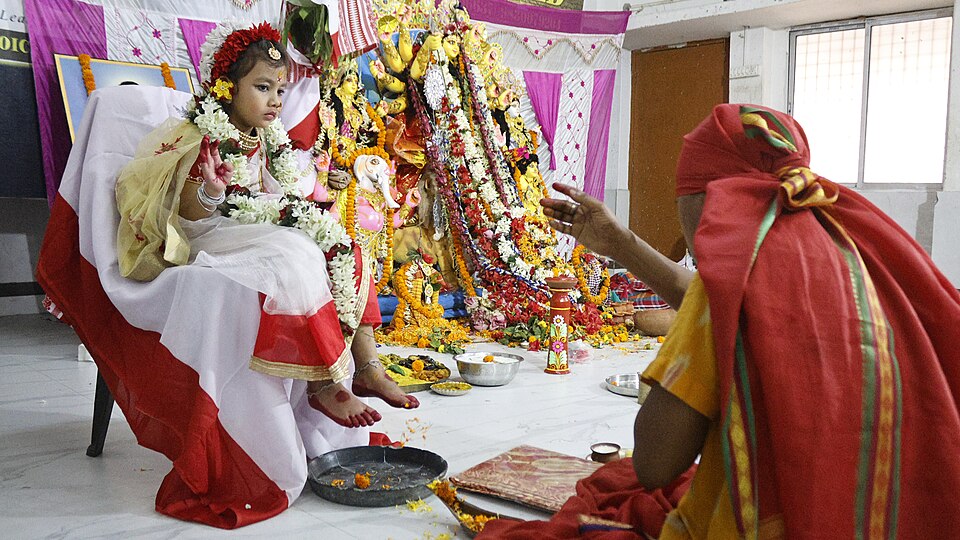
- •In Bengal, the 'Shukra Puja' is combined with 'Lakshmi Puja' during the autumnal Sharad Purnima.
- •In Gujarat, devotees visit the Shukra Temple at Siddhpur and perform 'Abhishek' with milk and honey.
- •In North India, the 'Shukra Graha Shanti' homa is performed by priests using specific samagri like 'Shukra Bhasma'.
Frequently Asked Questions
Can anyone perform Shukra remedies, or only those with Tula Rashi?▾
What if Friday falls on a major festival or eclipse?▾
Is wearing a diamond (Heera) recommended for strengthening Venus?▾
How many Fridays should one observe the Shukra Vrat for noticeable results?▾
Can the Shukra Beej Mantra be chanted silently?▾
Popular Tools
References & Traditional Notes
- •Brihat Parashara Hora Shastra, Chapter 3 – Rashi characteristics.
- •Jaimini Sutras, Adhyaya 1 – Karakas and planetary rulerships.
- •Skanda Purana, Shukra Mahatmya – Glories of Venus worship.
- •Shukra Kavacham (from the Tantra Sara) – Protective hymn for Venus.
- •Lakshmi Ashtakam (from the Padma Purana) – Invocation of Goddess Lakshmi, consort of Vishnu and beloved of Shukra.
Related Audio & Bhajans
Affiliate disclosure: Sanatan Hindu participates in the Amazon Associates Programme and the CueLinks affiliate network (Myntra & Flipkart). This page contains affiliate links, if you click and buy, we earn a small commission at no extra cost to you. As an Amazon Associate we earn from qualifying purchases. Full disclosure.
Shop Samagri on Amazon.in
Clicking opens Amazon.in. Prices and availability may vary.
Browse all pooja itemsAmazon Associates tag: geekydevelope-21
Shop Pooja & Festive Essentials on Flipkart
Clicking opens Flipkart via our affiliate link. Prices and availability may vary.
Shop on FlipkartCueLinks Publisher: 300371
Shop Festive Wear on Myntra
Clicking opens Myntra via our affiliate link. Prices and availability may vary.
CueLinks Publisher: 300371
Need a website? Describe it, and AI builds it.
Perfect for a temple, pooja service, astrology practice or small shop. Tell the AI what you want — or drag and drop the classic way — and go live on your own web address in minutes with Sitova. Hosting, SEO, forms and analytics are all included.
- Build with AI or drag & drop
- Your domain + SEO built in
- Free forever plan
Opens sitova.site