
Tulsi Plant — Sacred Basil Worship and Spiritual Benefits
Explore the profound spiritual significance, legends, and daily worship rituals of the sacred Tulsi plant (Holy Basil) in Hindu tradition and Vedic culture.
Affiliate disclosure: Sanatan Hindu participates in the Amazon Associates Programme and the CueLinks affiliate network (Myntra & Flipkart). This page contains affiliate links, if you click and buy, we earn a small commission at no extra cost to you. As an Amazon Associate we earn from qualifying purchases. Full disclosure.
Introduction
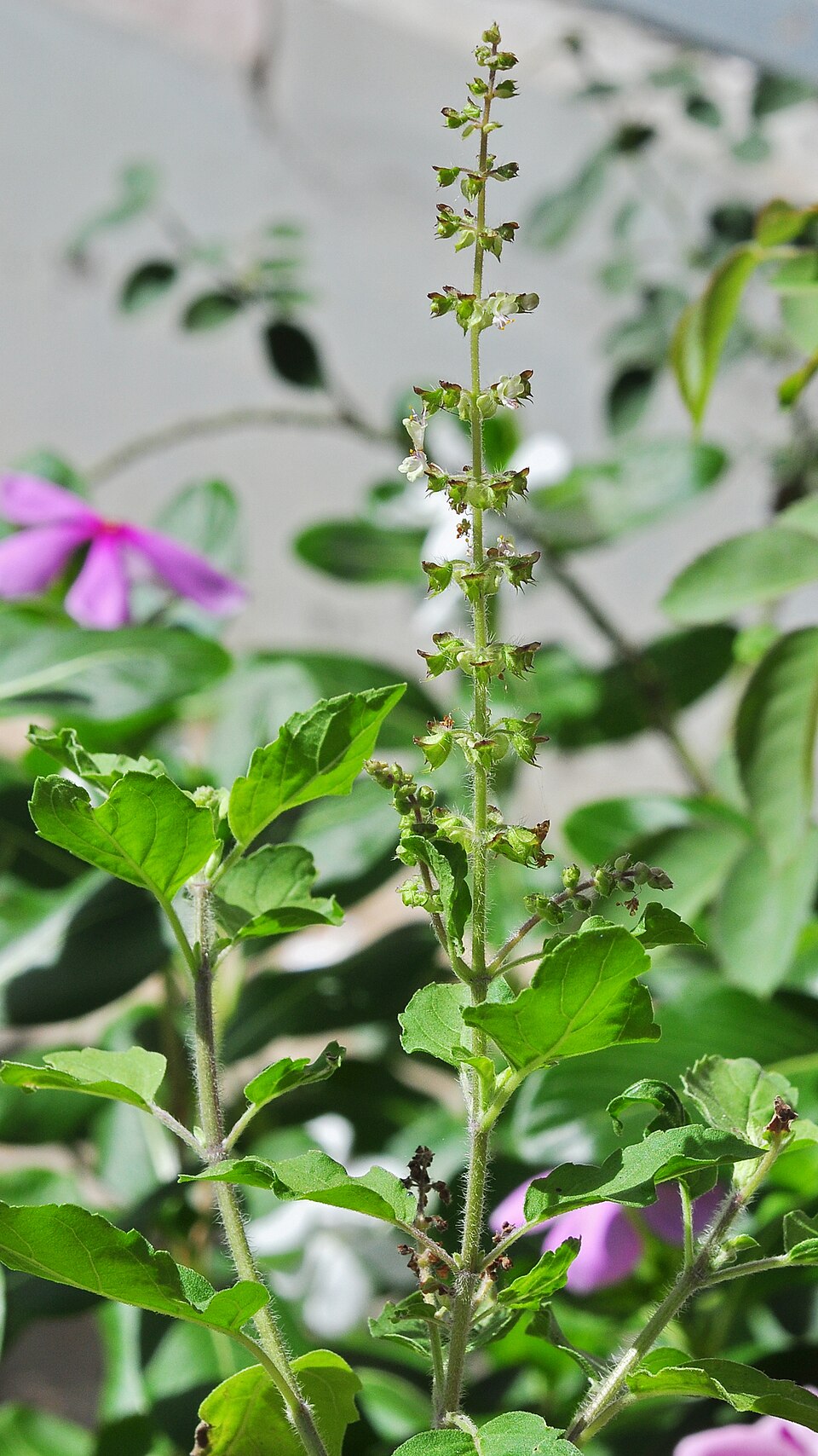
According to various Puranas, particularly the Padma Purana and the Brahmavaivarta Purana, the origin of Tulsi is steeped in celestial drama and profound devotion. One of the most prominent legends tells of Vrinda, a pious woman whose devotion to Lord Vishnu was so intense that it moved the heavens. Through a series of complex divine plays involving complex relationships between deities, Vrinda was transformed into the Tulsi plant. This transformation ensured that her devotion would remain eternal and that she would forever be inseparable from Lord Vishnu, as he accepts no offering, including his favorite bhog (food), without a single leaf of Tulsi.
In the Vedic worldview, Tulsi represents the 'Shakti' or the feminine energy that complements the preservation aspect of Vishnu. She is seen as a bridge between the material and the spiritual realms. The plant is not merely a physical object but a spiritual entity that governs the 'Prana' (life force) of a household. Culturally, the Tulsi Vrindavan—a specially constructed pedestal in the courtyard—serves as a focal point for daily meditation, prayer, and the rhythm of domestic life, marking the transition from the mundane to the sacred each morning and evening.
For a newcomer, understanding Tulsi requires looking beyond the botanical. It is a symbol of purity (Sattva), protection, and unconditional love. Whether it is through the medicinal science of Ayurveda, which recognizes its purifying properties, or the spiritual science of Tantra and Bhakti, Tulsi remains a central figure in the tapestry of Sanatana Dharma. Her presence is a reminder of the interconnectedness of nature, humanity, and the Divine, teaching us that the sacred can be found in the very soil of our own courtyards.
Significance
In the realm of Ayurveda, Tulsi is hailed as the 'Queen of Herbs.' Its significance is not just symbolic but physiological. It is recognized for its adaptogenic properties, helping the body manage stress, and its ability to purify the air and blood. This intersection of 'Chikitsa' (healing) and 'Adhyatma' (spirituality) is a key feature of Hindu tradition; a healthy body is seen as a necessary vessel for a healthy spirit. Thus, tending to the Tulsi plant is both a ritual act and an act of maintaining one's biological sanctity.
Astrologically, Tulsi is often associated with the mitigation of negative planetary influences, particularly those affecting the household's peace and prosperity. In many traditions, the health of the Tulsi plant is seen as a mirror to the spiritual health and harmony of the family living within the home. A thriving plant signifies a home filled with 'Sattva' (purity), while a declining plant may suggest an imbalance in the household's energetic or emotional state.
Culturally, the ritual of 'Tulsi Vivah'—the symbolic marriage of Tulsi to Lord Vishnu (in his Krishna avatar)—marks the beginning of the Hindu wedding season. This ceremony bridges the gap between the botanical world and human social customs, celebrating the union of the devotee and the Divine. Through these various lenses, Tulsi emerges as a multidimensional entity that sustains the physical, mental, and spiritual well-being of the practitioner, serving as a constant companion on the path to righteousness (Dharma).
Best Time to Perform
Find your exact auspicious time Check the shubh muhurat and choghadiya for your city and date.
Required Samagri (Materials)
Preparation Steps
- 1Ensure the Tulsi plant is clean and free of dried leaves or debris.
- 2Clean the Tulsi Vrindavan (the pedestal) with water.
- 3Prepare the lamp with fresh ghee or oil and a cotton wick.
- 4Wash your hands and face to attain physical and mental purity.
- 5Sit in a meditative posture facing East or North.
Step-by-Step Vidhi
- 1Approach the Tulsi plant with a calm and respectful mind.
- 2Gently sprinkle water around the base of the plant (circumambulation/Parikrama) while chanting 'Om Namo Bhagavate Vasudevaya'.
- 3Light the Deepak (lamp) and the incense, symbolizing the removal of ignorance and the offering of light.
- 4Apply a small amount of Chandan (sandalwood paste) and Kumkum to the stem or the pedestal of the plant.
- 5Offer fresh flowers to the plant as a gesture of love and devotion.
- 6Perform 'Aarti' by circling the lamp around the plant in a clockwise direction.
- 7Sit in silence for a few moments to absorb the peaceful energy of the plant.
- 8Offer a simple prayer or a mantra, expressing gratitude to the Divine presence within the plant.
Mantras
Tulsi Pranam Mantra
वृंदायै तुलसीदेव्यै प्रियायै केशवस्य च। कृष्णभक्तिप्रदे देवि सत्यवत्यै नमो नमः॥
Vrindayai Tulasi-devyai priyayai keshavasya cha | Krishna-bhakti-prade devi satyavatyai namo namah ||
Meaning: O Tulsi Devi, the beloved of Lord Keshav (Vishnu), the giver of devotion to Lord Krishna, the embodiment of truth, I bow to you again and again.
Tulsi Gayatri Mantra
ॐ तुळ्स्यै विद्महे विष्णुप्रियायै धीमहि तन्नो तुलसी प्रचोदयात्॥
Om Tulsyai Vidmahe Vishnu-priyayai Dhimahi Tanno Tulasi Prachodayat ||
Meaning: Om, let us meditate on the sacred Tulsi, the beloved of Vishnu. May that Holy Basil inspire and illuminate our intellect.
Do's
- ✓Water the plant daily with devotion.
- ✓Circumambulate (Parikrama) the plant clockwise.
- ✓Keep the area around the Tulsi plant clean and well-lit.
- ✓Use natural and organic fertilizers for the plant.
- ✓Offer light (Deepam) every evening.
Don'ts
- ✗Do not pluck leaves during the night (Ratri).
- ✗Do not pluck leaves on Ekadashi, Sunday, or during eclipses.
- ✗Do not step near or over the Tulsi plant.
- ✗Do not use chemical pesticides or harsh soaps on the plant.
- ✗Do not allow the plant to dry up; if it dies, replace it with a new one with respect.
Common Mistakes to Avoid
- •Plucking leaves for medicinal use on prohibited days like Sunday or Ekadashi.
- •Neglecting the plant's hygiene or allowing the surroundings to become cluttered.
- •Performing worship with a distracted or disrespectful mindset.
- •Using impure water or vessels for offering.
Regional Variations
- •In North India, Tulsi Vivah is a grand community event involving the marriage of Tulsi to Shaligram.
- •In South India, Tulsi is often kept in a specialized stone structure called a 'Tulasi Thara'.
- •In certain Bengali traditions, Tulsi worship is deeply integrated with Vaishnavism practices.
- •Some traditions emphasize offering only Tulsi leaves to Lord Vishnu, while others treat the whole plant as a deity.
Frequently Asked Questions
Is it okay to pluck Tulsi leaves for tea?▾
What should I do if my Tulsi plant dies?▾
Why shouldn't we pluck leaves at night?▾
Popular Tools
References & Traditional Notes
- •Refer to the Padma Purana for detailed legends of Vrinda.
- •Consult Ayurvedic texts like Charaka Samhita for the medicinal applications of Tulsi.
- •Note that specific rituals may change based on whether your family follows Sri Vaishnava, Gaudiya Vaishnava, or other traditions.
Related Audio & Bhajans
Spiritual Journey
Tulsi Aarti
Hanumanji Ki Aarti - Goswami Tulsidas
The Stages of Spiritual Growth
Benefits
Diwali Festival & Spirituality
Affiliate disclosure: Sanatan Hindu participates in the Amazon Associates Programme and the CueLinks affiliate network (Myntra & Flipkart). This page contains affiliate links, if you click and buy, we earn a small commission at no extra cost to you. As an Amazon Associate we earn from qualifying purchases. Full disclosure.
Shop Samagri on Amazon.in
Clicking opens Amazon.in. Prices and availability may vary.
Browse all pooja itemsAmazon Associates tag: geekydevelope-21
Shop Pooja & Festive Essentials on Flipkart
Clicking opens Flipkart via our affiliate link. Prices and availability may vary.
Shop on FlipkartCueLinks Publisher: 300371
Shop Festive Wear on Myntra
Clicking opens Myntra via our affiliate link. Prices and availability may vary.
CueLinks Publisher: 300371