
Tulsidas Ke Dohe: Selected Divine Verses and Their Spiritual Meanings
Discover the profound wisdom of Goswami Tulsidas through selected Dohe and Bhajan verses. Learn the spiritual significance, meanings, and daily recitation tips.
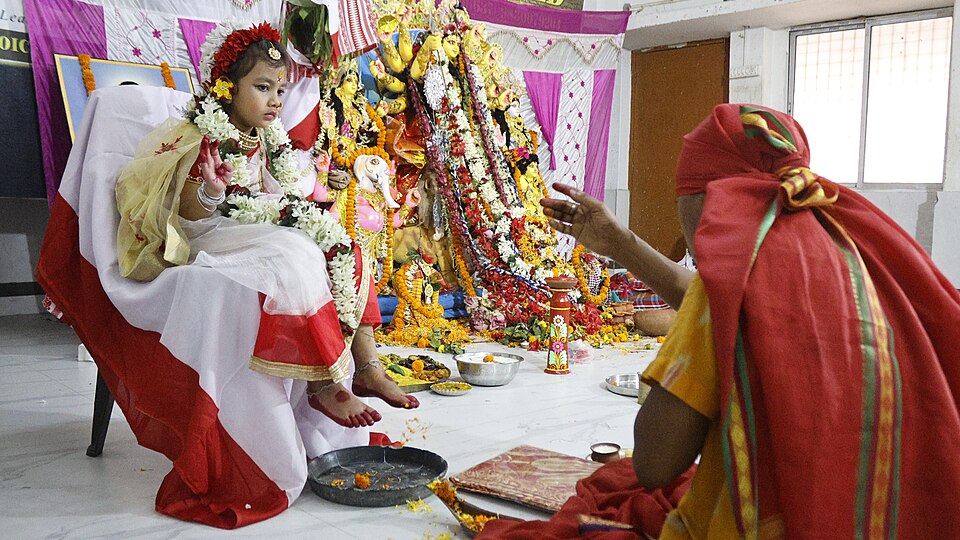
Next Ram Navami
Thursday, 15 April 2027· in 173 days
Set a reminder so you never miss Ram Navami.
Introduction
This collection of selected Dohe (couplets) serves as a spiritual guide, offering timeless wisdom on ethics, human behavior, and the path to divine grace. These verses are not merely poetic compositions; they are meditative tools designed to purify the mind and align the soul with the divine.
Significance
Best Time to Recite
Find your exact auspicious time Check the shubh muhurat and choghadiya for your city and date.
How to Recite
- 1Sit comfortably on your Asana in a stable posture like Sukhasana or Padmasana.
- 2Close your eyes and take a few deep breaths to center your attention.
- 3Offer a brief silent prayer to Lord Ganesha to remove obstacles and to your Guru for guidance.
- 4Recite each Dohe slowly and clearly, focusing on the sound and the resonance of the words.
- 5After reciting a verse, pause for a moment to contemplate its deep meaning in your heart.
- 6Conclude the session by offering a simple prayer of gratitude and asking for the strength to practice the teachings.
Mantras
Doha on Compassion and Dharma
दया धर्म का मूल है, पाप मूल अभिमान। काम क्रोध मद लोभ का, जब होवे निदान॥
Daya dharma ka mool hai, paap mool abhiman. Kaam krodh mad lobh ka, jab hove nidaan.
Meaning: Compassion is the very root of righteousness (Dharma); pride is the root of sin. Lust, anger, vanity, and greed are the ultimate outcomes of losing one's sense of compassion.
Doha on the Name of Rama
राम नाम मनिदीप धरु, जीह देहरी द्वार। तुलसी भीतर बाहरहुँ, जो चाहसि उजिआर॥
Ram naam manideep dharu, jeeh dehari dwaar. Tulsi bhitar baherahu, jo chaahasi ujiyaar.
Meaning: Place the jewel-lamp of Rama's name on the threshold of your tongue. If you desire spiritual light both within your soul and in the outer world, let His name guide you.
Doha on the Value of Devotion
तुलसी मीत सब जगु उपजा, राम नाम अनमोल। जो कोउ देवे सुकोमल, वही मिले न मोल॥
Tulsi meet sab jagu upaja, Ram naam anmol. Jo kou deve sukomal, vahi mile na mol.
Meaning: Tulsidas says the entire world has been created, but the name of Rama is priceless. No matter how much one offers in terms of worldly riches, its true value can never be matched.
Do's
- ✓Chant with 'Bhava' (deep emotional devotion).
- ✓Focus on the correct pronunciation of the words.
- ✓Try to apply the wisdom of the Dohe to your real-life situations.
- ✓Sit in a quiet, clean environment.
Don'ts
- ✗Do not recite the verses in a rushed or mechanical manner.
- ✗Do not recite while your mind is wandering or distracted by worldly thoughts.
- ✗Avoid performing the recitation with a sense of ego or showing off to others.
Common Mistakes to Avoid
- •Ignoring the meaning and treating the recitation as mere rote memorization.
- •Incorrect pronunciation which can alter the spiritual vibration of the verse.
- •Performing the ritual in a cluttered or unhygienic space.
Frequently Asked Questions
Who was Goswami Tulsidas?▾
Can I recite these Dohe if I don't know Sanskrit?▾
How many Dohe should I recite daily?▾
Popular Tools
References & Traditional Notes
- •Tulsidas's works are considered part of the 'Bhakti Kavya' tradition.
- •Traditional scholars emphasize that 'Satsang' (association with truth/saints) is most effective when accompanied by the study of these verses.
- •The pronunciation of Avadhi-based verses should ideally be guided by a teacher or experienced practitioner.
Related Audio & Bhajans
Spiritual Journey
Rama Navami
Hanumanji Ki Aarti - Goswami Tulsidas
The Stages of Spiritual Growth
Diwali Festival & Spirituality
Shop Pooja & Festive Essentials on Flipkart
Clicking opens Flipkart via our affiliate link. Prices and availability may vary.
Shop on FlipkartCueLinks Publisher: 300371
Shop Festive Wear on Myntra
Clicking opens Myntra via our affiliate link. Prices and availability may vary.
CueLinks Publisher: 300371
Need a website? Describe it, and AI builds it.
Perfect for a temple, pooja service, astrology practice or small shop. Tell the AI what you want — or drag and drop the classic way — and go live on your own web address in minutes with Sitova. Hosting, SEO, forms and analytics are all included.
- Build with AI or drag & drop
- Your domain + SEO built in
- Free forever plan
Opens sitova.site