
Vastu Shastra for Pooja Room: Ideal Direction, Placement, and Sacred Principles
Discover the essential Vastu Shastra principles for designing a sacred Pooja room, covering ideal directions, deity placement, and spiritual significance.
Affiliate disclosure: Sanatan Hindu participates in the Amazon Associates Programme and the CueLinks affiliate network (Myntra & Flipkart). This page contains affiliate links, if you click and buy, we earn a small commission at no extra cost to you. As an Amazon Associate we earn from qualifying purchases. Full disclosure.
Next Diwali
Sunday, 8 November 2026· in 64 days
Set a reminder so you never miss Diwali.
Introduction
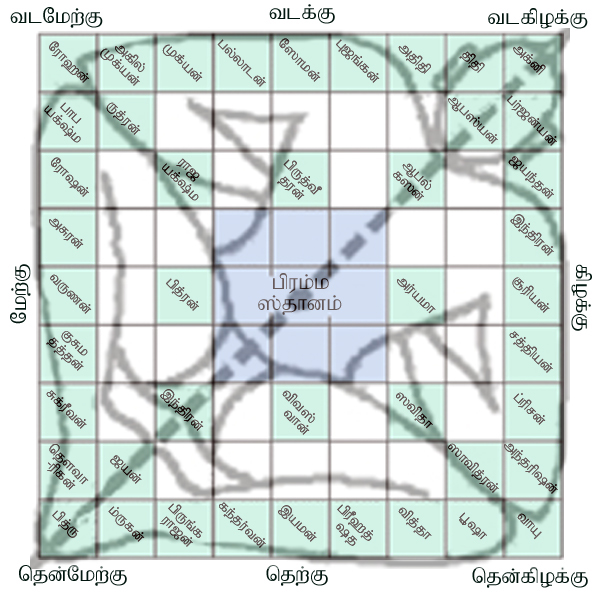
Historically, the Vastu Purusha Mandala—a metaphysical planning tool—describes how energies flow through a space. The Pooja room acts as the energetic nucleus of the home. Just as the heart pumps blood to the body, the Pooja room is believed to circulate spiritual vibrations to all other rooms. Scriptural texts like the Mayamata and Manasara emphasize that the direction and construction of a prayer space can profoundly influence the mental peace, prosperity, and spiritual progress of the inhabitants.
In the Vedic worldview, space is not empty; it is filled with deities associated with different directions (Dikpalas). For instance, Ishana (the Northeast) is governed by Shiva and is considered the most sacred corner. By aligning the prayer room with these directional energies, one creates a resonance between the individual soul (Atman) and the universal consciousness (Brahman). This alignment facilitates easier meditation, more effective prayers, and a deeper connection to the divine.
For a newcomer, understanding Vastu for a Pooja room means recognizing that the physical layout is a bridge to the metaphysical. It is about creating a 'Tirthasthan' (a holy place) within the domestic sphere. Whether it is a small wall-mounted shelf or a dedicated room, the principles of cleanliness, orientation, and energy flow remain constant across various Sampradayas (traditions), though the specific idols or rituals may change according to family lineage.
Significance
From an astrological perspective, the Pooja room is often linked to the placement of Jupiter (Guru), the planet of wisdom, spirituality, and expansion. By placing the temple in the Northeast (Ishanya Kon), one invites the benevolent energies of Jupiter and the elemental purity of Water and Air. This alignment is believed to mitigate the malefic effects of other planetary positions and foster a sense of 'Sattva' (purity/goodness) in the household. The fruit (Phala) of such an arrangement includes mental clarity, reduced domestic friction, and a heightened state of consciousness during daily worship.
Culturally, the Pooja room serves as the anchor for family values. It is where Sanskaras (rites of passage) are often initiated and where generations gather for festivals. A Vastu-compliant space ensures that this focal point remains a source of positive energy rather than a source of 'Vastu Dosha' (architectural imbalance), which is traditionally thought to cause stagnation or health issues. By respecting these ancient guidelines, practitioners demonstrate reverence for the cosmic order (Rta).
Furthermore, the symbolism of the Pooja room reflects the microcosm of the universe. The placement of the deity facing East or North symbolizes the rising sun and the pursuit of knowledge. The use of light (Deepam) and incense (Dhupa) in a properly oriented space is meant to purify the 'Akasha' (ether) element, making the atmosphere conducive to 'Dhyana' (meditation). Thus, the Vastu of a Pooja room is an essential component of a holistic Vedic lifestyle, bridging the gap between the physical dwelling and the spiritual journey.
Auspicious Time
Find your exact auspicious time Check the shubh muhurat and choghadiya for your city and date.
Required Samagri (Materials)
Preparation Steps
- 1Clean the designated area thoroughly to remove all dust and negativity.
- 2Ensure the walls are painted in light, soothing colors like white, light yellow, or cream.
- 3Avoid placing the Pooja room under a staircase or adjacent to a bathroom.
- 4Prepare the 'Asana' (seating area) for the deities using clean silk or cotton cloths.
- 5Arrange the lighting so that it does not create harsh shadows during prayer.
Steps
- 1Directional Alignment: Locate the Northeast (Ishanya) corner of the house/room.
- 2Placement of Idols: Place the idols such that they face East or West, allowing the devotee to face East or North while praying.
- 3Lighting the Lamp: Light the Diya/Deepam first, symbolizing the removal of ignorance.
- 4Offering Incense: Light the incense to purify the air and engage the sense of smell.
- 5Chanting: Recite the Ishta Devata mantra or Gayatri Mantra to invoke divine presence.
- 6Aarti: Perform the Aarti with a circular motion, expressing gratitude and devotion.
- 7Prasad Distribution: Offer sanctified food (Prasad) to the deities and then to the family members.
Mantras
Gayatri Mantra
ॐ भूर्भुवः स्वः तत्सवितुर्वरेण्यं भर्गो देवस्य धीमहि धियो यो नः प्रचोदयात्॥
Om Bhur Bhuvah Svah, Tat Savitur Varenyam, Bhargo Devasya Dhimahi, Dhiyo Yo Nah Prachodayat
Meaning: We meditate on the glory of that Being who has produced this universe; may He enlighten our minds.
Guidelines
- •Maintain strict cleanliness (Shaucham) before entering the space.
- •Avoid wearing dark or black clothing during intense prayer sessions.
- •Ensure that all offerings are fresh and untainted.
Do's
- ✓Use light colors for the room walls.
- ✓Keep the Pooja area well-lit and ventilated.
- ✓Place idols in a way that they are not touching the wall directly.
- ✓Use natural scents like sandalwood, jasmine, or rose.
Don'ts
- ✗Do not place the Pooja room in the South direction.
- ✗Avoid keeping broken idols or cracked photographs.
- ✗Do not keep heavy storage or junk in the Pooja room.
- ✗Never place the temple under a bedroom or directly above a toilet.
Common Mistakes to Avoid
- •Using the same room for storage and prayer.
- •Placing idols of fierce deities (like Ugra Narasimha) in a domestic setting without specific guidance.
- •Neglecting the cleaning of the lamp, leading to soot buildup.
- •Facing South while praying (unless specific traditions dictate otherwise).
Regional Variations
Frequently Asked Questions
Can I have a Pooja room in an apartment?▾
Which direction should I face while praying?▾
What color is best for a Pooja room?▾
Popular Tools
References & Traditional Notes
- •Consult the 'Mayamata' for specific structural dimensions.
- •Family traditions (Kulachara) may override general Vastu rules; always prioritize lineage guidance.
- •The placement of water (Kalash) should always be in the Northeast of the temple setup.
Related Audio & Bhajans
Navagraha Pooja
Sampoona Diwali Poojan Vidhi
Why Apply Chandan Sandalwood Tilak Lord Ganesha, Goddess Mahalakshmi pooja
23 07 08 Claire Vastu Shastra
Vishnu Gayatri Mantra 108 Upanishads Vishnu Mantra
Affiliate disclosure: Sanatan Hindu participates in the Amazon Associates Programme and the CueLinks affiliate network (Myntra & Flipkart). This page contains affiliate links, if you click and buy, we earn a small commission at no extra cost to you. As an Amazon Associate we earn from qualifying purchases. Full disclosure.
Shop Samagri on Amazon.in
Clicking opens Amazon.in. Prices and availability may vary.
Browse all pooja itemsAmazon Associates tag: geekydevelope-21
Shop Pooja & Festive Essentials on Flipkart
Clicking opens Flipkart via our affiliate link. Prices and availability may vary.
Shop on FlipkartCueLinks Publisher: 300371
Shop Festive Wear on Myntra
Clicking opens Myntra via our affiliate link. Prices and availability may vary.
CueLinks Publisher: 300371