
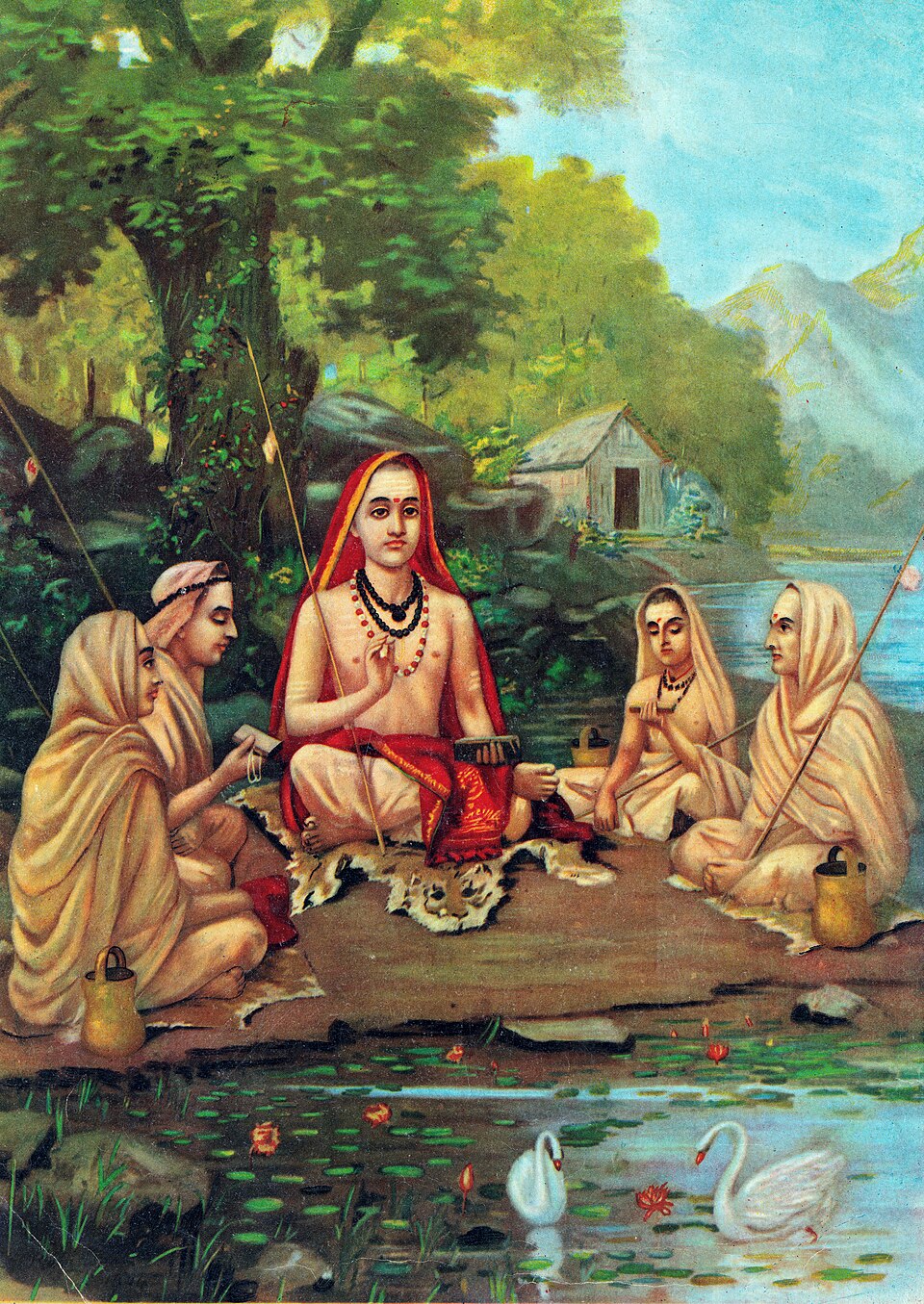
Advaita Vedanta: The Non-Duality Philosophy of Adi Shankaracharya
Explore the profound teachings of Advaita Vedanta, a philosophy of non-duality by Adi Shankaracharya
Affiliate disclosure: Sanatan Hindu participates in the Amazon Associates Programme and the CueLinks affiliate network (Myntra & Flipkart). This page contains affiliate links, if you click and buy, we earn a small commission at no extra cost to you. As an Amazon Associate we earn from qualifying purchases. Full disclosure.
Introduction
Significance
Best Time to Perform
Find your exact auspicious time Check the shubh muhurat and choghadiya for your city and date.
Required Samagri (Materials)
Preparation Steps
- 1Establish a regular practice of meditation and contemplation
- 2Study the scriptures and commentaries of Adi Shankaracharya
- 3Cultivate a sense of detachment and non-identification with the ego and worldly desires
- 4Seek guidance from a qualified guru or spiritual guide
Step-by-Step Vidhi
- 1Begin by cultivating a sense of humility and openness, recognizing the limitations of one's current understanding
- 2Engage in self-inquiry, questioning the nature of the self and reality
- 3Study the scriptures and commentaries, seeking to deepen one's understanding of the non-dual nature of existence
- 4Practice meditation and contemplation, focusing on the cultivation of wisdom and the realization of the true nature of the self
Mantras
Tat Tvam Asi
तत् त्वम् असि
Tat tvam asi
Meaning: You are That, or the ultimate reality is your true nature
Aham Brahmasmi
अहं ब्रह्मास्मि
Aham brahmasmi
Meaning: I am Brahman, or the ultimate reality is my true nature
Vrat Rules
- •Maintain a sense of detachment and non-attachment to worldly desires and possessions
- •Cultivate a sense of compassion and kindness towards all living beings
- •Engage in self-inquiry and contemplation on a regular basis
- •Seek guidance from a qualified guru or spiritual guide
Do's
- ✓Approach the study and practice of Advaita Vedanta with humility and an open mind
- ✓Cultivate a sense of discipline and commitment to one's spiritual practice
- ✓Seek to deepen one's understanding of the non-dual nature of existence
- ✓Engage in selfless service and acts of kindness towards others
Don'ts
- ✗Do not approach the study and practice of Advaita Vedanta with a sense of arrogance or intellectual pride
- ✗Do not become overly attached to worldly desires and possessions
- ✗Do not neglect one's spiritual practice and self-inquiry
- ✗Do not harm or cause suffering to any living being
Common Mistakes to Avoid
- •Becoming overly intellectual or dogmatic in one's approach to Advaita Vedanta
- •Neglecting the importance of self-inquiry and contemplation
- •Becoming attached to worldly desires and possessions
- •Failing to cultivate a sense of compassion and kindness towards all living beings
Regional Variations
- •The emphasis on devotion and bhakti in Southern India
- •The focus on tantra and ritual practice in certain traditions of Eastern India
- •The stress on self-inquiry and contemplation in the teachings of Ramana Maharshi
- •The incorporation of elements from other philosophical traditions, such as Buddhism and Jainism
Frequently Asked Questions
What is the ultimate goal of Advaita Vedanta?▾
How can one begin to study and practice Advaita Vedanta?▾
Popular Tools
References & Traditional Notes
- •The Upanishads
- •The Bhagavad Gita
- •The Brahma Sutras
- •The commentaries of Adi Shankaracharya
Related Audio & Bhajans
None
Affiliate disclosure: Sanatan Hindu participates in the Amazon Associates Programme and the CueLinks affiliate network (Myntra & Flipkart). This page contains affiliate links, if you click and buy, we earn a small commission at no extra cost to you. As an Amazon Associate we earn from qualifying purchases. Full disclosure.
Shop Samagri on Amazon.in
Clicking opens Amazon.in. Prices and availability may vary.
Browse all pooja itemsAmazon Associates tag: geekydevelope-21
Shop Pooja & Festive Essentials on Flipkart
Clicking opens Flipkart via our affiliate link. Prices and availability may vary.
Shop on FlipkartCueLinks Publisher: 300371
Shop Festive Wear on Myntra
Clicking opens Myntra via our affiliate link. Prices and availability may vary.
CueLinks Publisher: 300371
Need a website? Describe it, and AI builds it.
Perfect for a temple, pooja service, astrology practice or small shop. Tell the AI what you want — or drag and drop the classic way — and go live on your own web address in minutes with Sitova. Hosting, SEO, forms and analytics are all included.
- Build with AI or drag & drop
- Your domain + SEO built in
- Free forever plan
Opens sitova.site