
Vishishtadvaita — Ramanujacharya's Qualified Non-Dualism
Explore Vishishtadvaita, Ramanujacharya's philosophy of qualified non-dualism, and its significance in Hinduism.
Affiliate disclosure: Sanatan Hindu participates in the Amazon Associates Programme and the CueLinks affiliate network (Myntra & Flipkart). This page contains affiliate links, if you click and buy, we earn a small commission at no extra cost to you. As an Amazon Associate we earn from qualifying purchases. Full disclosure.
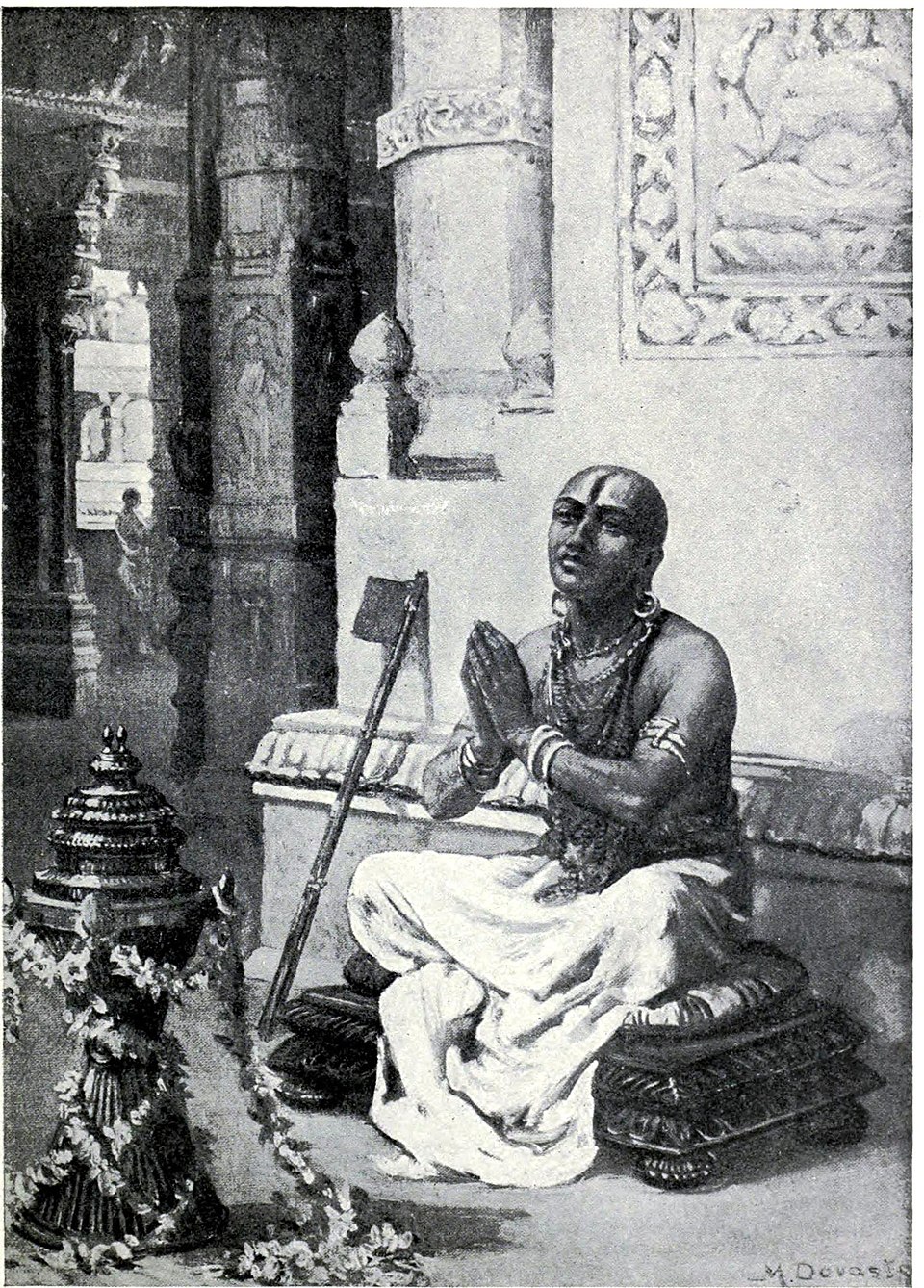
Introduction
Significance
Best Time to Perform
Find your exact auspicious time Check the shubh muhurat and choghadiya for your city and date.
Required Samagri (Materials)
Preparation Steps
- 1Find a quiet and peaceful space for study and reflection
- 2Gather the necessary texts and materials
- 3Set aside dedicated time for study and reflection
- 4Approach the study with an open and receptive mind
Step-by-Step Vidhi
- 1Begin by reading and reflecting on the Bhagavad Gita, Upanishads, and Brahma Sutras
- 2Study the key concepts and principles of Vishishtadvaita, such as the nature of Brahman, the relationship between the individual self and the divine, and the path to liberation
- 3Reflect on the practical applications of the philosophy, such as the cultivation of virtues, the development of a devotional attitude, and the pursuit of self-realization
- 4Engage in regular meditation and contemplation, using techniques such as mantra repetition, visualization, and mindfulness to deepen your understanding and connection with the philosophy
Mantras
The Mahavakya of the Upanishads
तत् त्वम् असि
Tat Tvam Asi
Meaning: That Thou Art
The Bhagavad Gita's Central Message
सर्वधर्मान् परित्यज्य मामेकं शरणं व्रज
Sarva-dharman parityajya ma ekam sharanam vraja
Meaning: Abandon all dharmas and take refuge in me alone
Vrat Rules
- •Study and reflect on the philosophy with an open and receptive mind
- •Cultivate virtues such as compassion, humility, and wisdom
- •Develop a devotional attitude and surrender to the divine
Do's
- ✓Approach the study with humility and respect
- ✓Engage in regular meditation and contemplation
- ✓Cultivate a sense of detachment and non-attachment
Don'ts
- ✗Do not approach the study with a closed or biased mind
- ✗Do not neglect the importance of devotion and self-surrender
- ✗Do not forget to cultivate virtues and develop a sense of compassion and empathy
Common Mistakes to Avoid
- •Misunderstanding the concept of qualified non-dualism
- •Neglecting the importance of devotion and self-surrender
- •Failing to cultivate virtues and develop a sense of compassion and empathy
Regional Variations
- •The philosophy is studied and practiced in various regions of India, with different emphasis and interpretations
- •The philosophy is also studied and practiced in other parts of the world, with adaptations and modifications to suit local cultures and traditions
Frequently Asked Questions
What is the central message of Vishishtadvaita?▾
How does Vishishtadvaita differ from other philosophical systems?▾
Popular Tools
References & Traditional Notes
- •The Bhagavad Gita
- •The Upanishads
- •The Brahma Sutras
- •The works of Ramanujacharya
Related Audio & Bhajans
Affiliate disclosure: Sanatan Hindu participates in the Amazon Associates Programme and the CueLinks affiliate network (Myntra & Flipkart). This page contains affiliate links, if you click and buy, we earn a small commission at no extra cost to you. As an Amazon Associate we earn from qualifying purchases. Full disclosure.
Shop Samagri on Amazon.in
Clicking opens Amazon.in. Prices and availability may vary.
Browse all pooja itemsAmazon Associates tag: geekydevelope-21
Shop Pooja & Festive Essentials on Flipkart
Clicking opens Flipkart via our affiliate link. Prices and availability may vary.
Shop on FlipkartCueLinks Publisher: 300371
Shop Festive Wear on Myntra
Clicking opens Myntra via our affiliate link. Prices and availability may vary.
CueLinks Publisher: 300371
Need a website? Describe it, and AI builds it.
Perfect for a temple, pooja service, astrology practice or small shop. Tell the AI what you want — or drag and drop the classic way — and go live on your own web address in minutes with Sitova. Hosting, SEO, forms and analytics are all included.
- Build with AI or drag & drop
- Your domain + SEO built in
- Free forever plan
Opens sitova.site