
Banyan Tree (Vata Vriksha) — The Immortal Tree and Its Sacred Worship
Explore the profound spiritual significance of the Banyan Tree (Vata Vriksha) in Hinduism, its connection to Lord Shiva and Vishnu, and sacred worship rituals.
Affiliate disclosure: Sanatan Hindu participates in the Amazon Associates Programme and the CueLinks affiliate network (Myntra & Flipkart). This page contains affiliate links, if you click and buy, we earn a small commission at no extra cost to you. As an Amazon Associate we earn from qualifying purchases. Full disclosure.
Next Guru Purnima
Sunday, 18 July 2027· in 268 days
Set a reminder so you never miss Guru Purnima.
Introduction
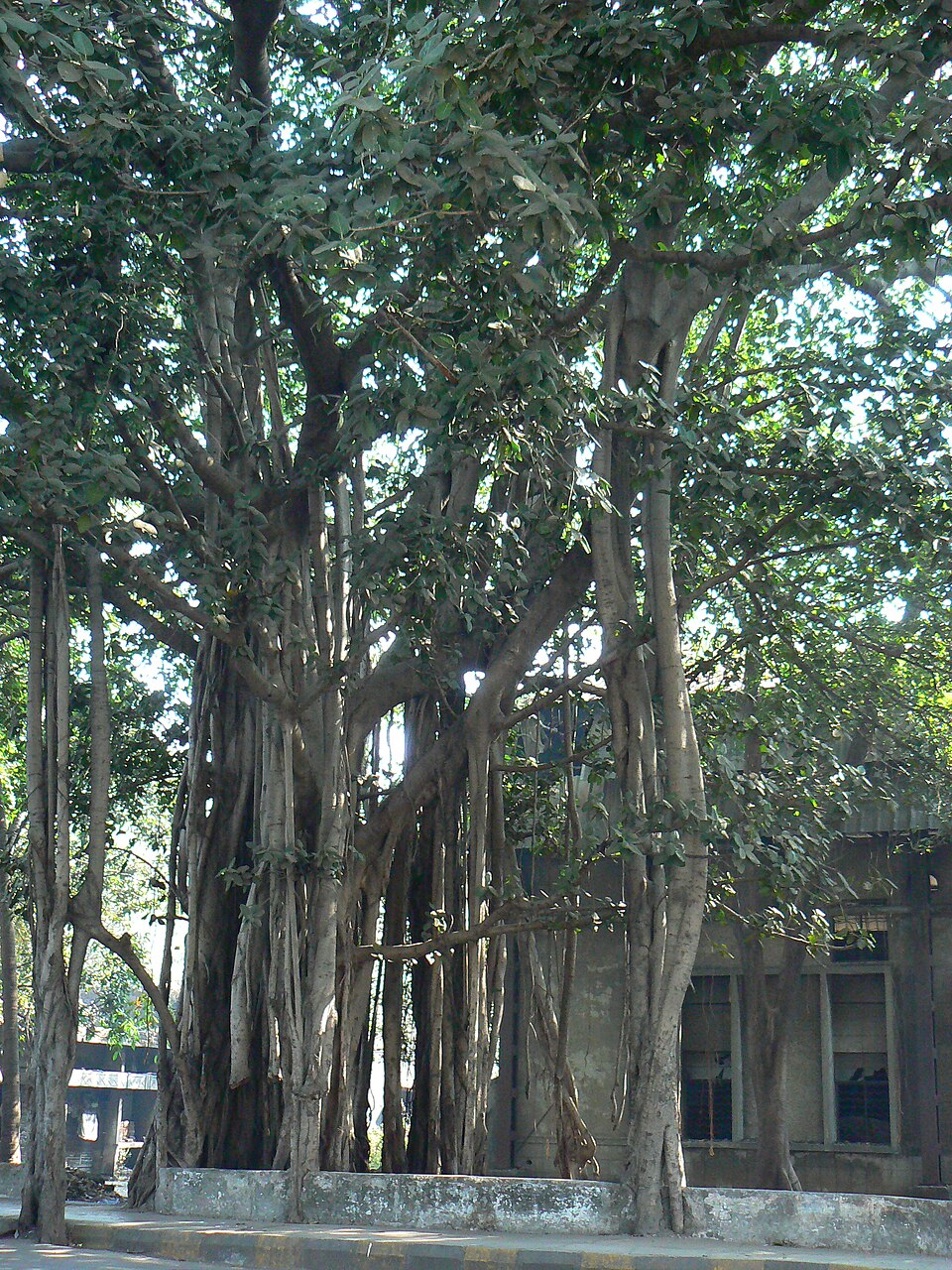
Scriptural references, including the Bhagavad Gita and various Puranas, often use the imagery of a cosmic tree to describe the structure of the universe. The Vata Vriksha is deeply intertwined with the Divine. It is often seen as a seat for Lord Shiva, representing his role as the eternal witness, and is also associated with Lord Vishnu, symbolizing the sustenance and preservation of the cosmos. The shade provided by its massive canopy is often likened to the protective grace of the Divine, offering refuge to all living beings without discrimination. This makes the tree a living temple, a place where the veil between the mundane and the spiritual is perceived to be thin.
In Hindu mythology, the Banyan is often linked to the concept of 'Samsara'—the cycle of birth, death, and rebirth. Just as the tree produces new roots that become new trunks, the soul undergoes continuous incarnations. However, the tree also represents the ultimate goal of Moksha (liberation), as its stability and permanence offer a focal point for meditation and spiritual grounding. Many ancient rishis and yogis are said to have attained higher states of consciousness while meditating under the vast, cooling shade of these sacred giants.
Culturally, the Vata Vriksha is a cornerstone of village life and community spiritual practice. It serves as a gathering place for discourse, a sanctuary for weary travelers, and a sacred site for seasonal festivals. From the worship of the tree by married women seeking longevity for their husbands (Vata Savitri) to the complex rituals performed during solar eclipses, the Banyan tree is woven into the very fabric of Indian social and spiritual identity. Understanding its worship requires recognizing that one is not just honoring a tree, but the life force (Prana) that flows through all of creation.
Significance
In terms of deity associations, the Banyan is uniquely versatile. It is considered a manifestation of Lord Shiva in his form as the eternal, unchanging consciousness. Simultaneously, because of its role in providing shade and life-sustaining oxygen, it is venerated as a form of Vishnu or even Devi (the Mother Goddess). This intersection of Shiva, Vishnu, and Shakti within a single biological entity makes the Vata Vriksha a 'Sarva-Devata'—a tree that contains all gods. For many devotees, circumambulating (Pradakshina) the tree is equivalent to visiting a grand temple containing the entire pantheon.
Astrologically, the Banyan tree is often associated with the planet Jupiter (Guru), representing wisdom, expansion, and prosperity. Worshiping the Vata Vriksha is believed to mitigate the malefic effects of planetary alignments and can help strengthen one's 'Dharma' (righteous path). For those seeking stability in their lives—be it emotional, financial, or spiritual—the tree's grounded nature provides a symbolic and energetic anchor.
Furthermore, the 'phala' or fruits of observing Vata Vriksha worship are considered immense. It is believed to bestow longevity (Ayush), protection from sudden calamities, and the fulfillment of deep-seated desires. In the context of household traditions, specifically the Vata Savitri Vrat, the tree is worshipped to ensure the well-being and long life of the spouse. This practice emphasizes the sanctity of marital bonds and the power of feminine devotion (Shakti) in maintaining the cosmic and domestic order.
Best Time to Perform
Find your exact auspicious time Check the shubh muhurat and choghadiya for your city and date.
Required Samagri (Materials)
Preparation Steps
- 1Identify a clean and sacred Banyan tree, preferably one that is not being harmed or cut.
- 2Clean the area around the base of the tree to ensure a respectful environment.
- 3Take a bath and wear clean clothes to maintain ritual purity.
- 4Prepare the Samagri (ritual items) and place them on a clean cloth near the tree.
Step-by-Step Vidhi
- 1Approach the tree with a calm and meditative mind, offering initial salutations (Pranam) to the tree and the deities residing within it.
- 2Sprinkle water at the base of the tree to purify the ground.
- 3Apply Chandan (sandalwood paste) and Kumkum to the main trunk of the tree as a mark of respect.
- 4Light the Diya (lamp) and Agarbatti (incense) to create a sacred atmosphere.
- 5Offer fresh flowers and fruits to the tree.
- 6Perform Pradakshina (circumambulation) by walking clockwise around the tree, ideally seven times, while chanting mantras or silent prayers.
- 7While walking, you may tie a sacred thread (Mauli) around the trunk, symbolizing your vow or prayer for protection and longevity.
- 8Sit in silent meditation under the shade of the tree for a few moments to connect with the stillness of nature.
- 9Conclude the ritual by offering a final prayer and distributing the Naivedya (offered food) to others or consuming it as Prasad.
Mantras
Vata Vriksha Pranam Mantra
ॐ वटवृक्षाय नमः
Om Vata-vrikshaya Namah
Meaning: Salutations to the sacred Banyan Tree.
Shiva/Vishnu Connection Mantra
ॐ नमो भगवते वातवृक्षाय सर्वदेवाय सर्वविघ्नहराय नमः
Om Namo Bhagavate Vata-vrikshaya Sarva-devaya Sarva-vighna-haraya Namah
Meaning: Salutations to the Divine Banyan Tree, who is the embodiment of all gods and the remover of all obstacles.
Do's
- ✓Perform Pradakshina in a clockwise direction.
- ✓Use natural and organic offerings like flowers and sandalwood.
- ✓Maintain silence or chant softly while performing the ritual.
- ✓Ensure the area around the tree remains clean after the ritual.
Don'ts
- ✗Do not cut, break, or harm any part of the Banyan tree.
- ✗Do not throw trash or non-biodegradable items near the tree.
- ✗Avoid performing the ritual while in a state of anger or intense grief.
- ✗Do not use artificial or plastic flowers for offerings.
Common Mistakes to Avoid
- •Walking anti-clockwise during Pradakshina.
- •Performing the ritual with a distracted or disrespectful mindset.
- •Failing to clean the area after offering items like incense or flowers.
- •Neglecting the importance of intention (Bhava) and focusing only on the physical ritual.
Regional Variations
- •In South India, the tree is often worshipped with specific garlands and coconut offerings.
- •In North India, the Vata Savitri Vrat is widely celebrated by married women specifically for husband's longevity.
- •In some tribal traditions, the tree is seen as a direct dwelling of local forest deities rather than mainstream Puranic gods.
Frequently Asked Questions
Can I worship a Banyan tree in my backyard?▾
Why is the Banyan tree called 'Akshaya Vat'?▾
What is the significance of tying a thread around the tree?▾
Popular Tools
References & Traditional Notes
- •The sanctity of the Banyan is mentioned in the Skanda Purana.
- •The concept of the 'Ashvattha' tree is central to the Upanishads.
- •Note: Always respect local environmental laws and community customs regarding sacred groves.
Related Audio & Bhajans
Banyan Tree Vata Vriksha Immortal Lord Shiva, Lord Vishnu, and Devi pooja
Affiliate disclosure: Sanatan Hindu participates in the Amazon Associates Programme and the CueLinks affiliate network (Myntra & Flipkart). This page contains affiliate links, if you click and buy, we earn a small commission at no extra cost to you. As an Amazon Associate we earn from qualifying purchases. Full disclosure.
Shop Samagri on Amazon.in
Clicking opens Amazon.in. Prices and availability may vary.
Browse all pooja itemsAmazon Associates tag: geekydevelope-21
Shop Pooja & Festive Essentials on Flipkart
Clicking opens Flipkart via our affiliate link. Prices and availability may vary.
Shop on FlipkartCueLinks Publisher: 300371
Shop Festive Wear on Myntra
Clicking opens Myntra via our affiliate link. Prices and availability may vary.
CueLinks Publisher: 300371
Need a website? Describe it, and AI builds it.
Perfect for a temple, pooja service, astrology practice or small shop. Tell the AI what you want — or drag and drop the classic way — and go live on your own web address in minutes with Sitova. Hosting, SEO, forms and analytics are all included.
- Build with AI or drag & drop
- Your domain + SEO built in
- Free forever plan
Opens sitova.site