
Sacred PlacesChamundaNavaratri celebrations

Chamunda Devi Temple Kangra — History and Significance

Discover the history, significance, and spiritual importance of Chamunda Devi Temple in Kangra, Himachal Pradesh.

By Sanatan Hindu9 min readUpdated 10 August 2026Audio available
Share:

Affiliate disclosure: Sanatan Hindu participates in the Amazon Associates Programme and the CueLinks affiliate network (Myntra & Flipkart). This page contains affiliate links, if you click and buy, we earn a small commission at no extra cost to you. As an Amazon Associate we earn from qualifying purchases. Full disclosure.
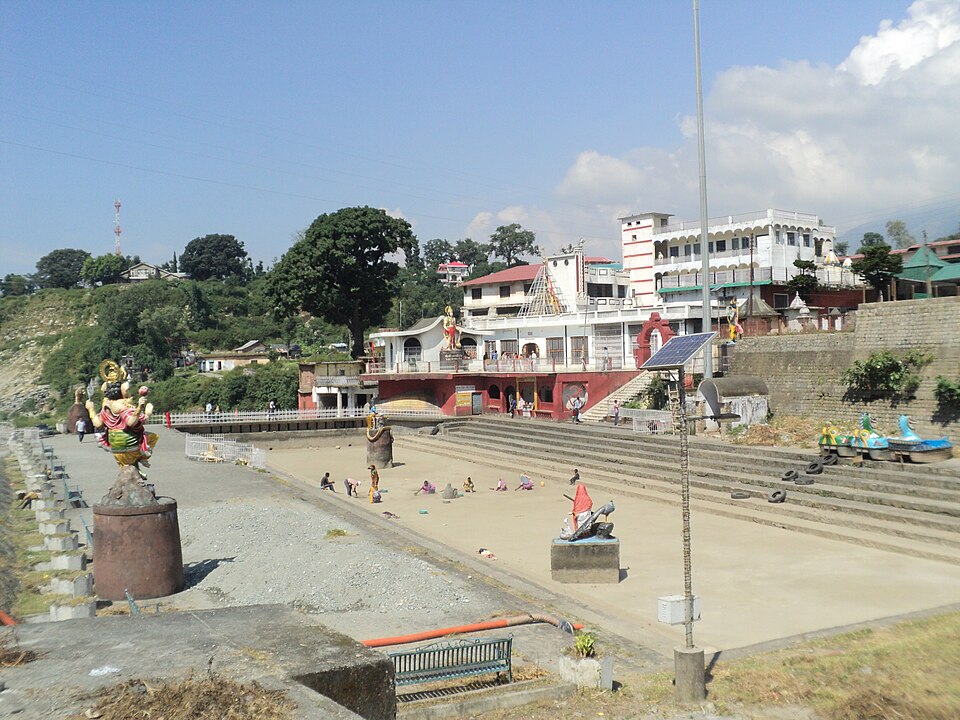
Chamunda Devi Temple Kangra — History and Significance

Introduction

The Chamunda Devi Temple, situated in the picturesque Kangra district of Himachal Pradesh, is one of the most revered and ancient shrines in India. This temple is dedicated to Goddess Chamunda, a fierce form of Goddess Durga, who is believed to be the embodiment of female power and strength. The temple's history dates back to the 16th century when it was built by a local king, and since then, it has been a significant pilgrimage site for devotees from all over the world. According to the legend, Goddess Chamunda was born from the eyebrow of Goddess Durga to slay the demons Chanda and Munda, and the temple is said to be the place where the goddess rested after the battle. The temple's architecture is a beautiful blend of Indian and Mughal styles, with intricate carvings and sculptures that depict the stories of the goddess and other mythological figures. The temple complex also houses several other shrines and temples, including those dedicated to Lord Shiva, Lord Ganesha, and Goddess Kali. The Chamunda Devi Temple is not only a significant religious site but also a testament to the rich cultural and historical heritage of the region. The temple's strategic location, perched on a hilltop, offers breathtaking views of the surrounding landscape, making it a popular destination for tourists and devotees alike. The temple's history and significance are deeply rooted in the Puranic and scriptural traditions of Hinduism, and it is believed to be one of the 51 Shakti Peethas, where the goddess's body parts are said to have fallen. The temple's spiritual significance extends beyond its historical and cultural importance, as it is believed to be a place of great spiritual power and energy, where devotees can experience the divine presence of the goddess. The temple's priests and pundits perform various rituals and ceremonies throughout the year, including the famous Navaratri celebrations, which attract thousands of devotees from all over the world. The temple's significance is also reflected in its association with the goddess's various forms and attributes, such as her role as a protector, a destroyer of evil, and a symbol of feminine power. The temple's history and significance are a testament to the enduring power of faith and devotion, and it continues to be an important pilgrimage site for devotees of the goddess. The temple's cultural and historical significance is also reflected in its association with various local festivals and traditions, such as the Chaitra Navaratri and the Ashwin Navaratri, which are celebrated with great fervor and enthusiasm. The temple's spiritual significance is also reflected in its role as a center of learning and spiritual growth, where devotees can come to seek the goddess's blessings and guidance. The temple's priests and pundits offer various services, including puja, archana, and homam, which are believed to bring peace, prosperity, and spiritual growth to the devotees. The temple's significance extends beyond its spiritual and cultural importance, as it is also a popular tourist destination, attracting thousands of visitors every year. The temple's stunning architecture, beautiful surroundings, and rich history make it a must-visit destination for anyone interested in history, culture, and spirituality. The temple's significance is also reflected in its association with various mythological stories and legends, such as the story of the goddess's battle with the demons Chanda and Munda, which is depicted in various sculptures and paintings throughout the temple complex. The temple's history and significance are a testament to the power of faith and devotion, and it continues to be an important pilgrimage site for devotees of the goddess. The temple's cultural and historical significance is also reflected in its association with various local traditions and customs, such as the worship of the goddess during the Navaratri celebrations, which is believed to bring good fortune and prosperity to the devotees. The temple's spiritual significance is also reflected in its role as a center of spiritual growth and self-realization, where devotees can come to seek the goddess's blessings and guidance. The temple's priests and pundits offer various services, including meditation, yoga, and spiritual counseling, which are believed to bring peace, prosperity, and spiritual growth to the devotees. The temple's significance extends beyond its spiritual and cultural importance, as it is also a popular destination for those seeking solace, comfort, and peace in a chaotic world. The temple's stunning architecture, beautiful surroundings, and rich history make it a must-visit destination for anyone interested in history, culture, and spirituality. The temple's history and significance are a testament to the enduring power of faith and devotion, and it continues to be an important pilgrimage site for devotees of the goddess. The temple's cultural and historical significance is also reflected in its association with various local festivals and traditions, such as the Chaitra Navaratri and the Ashwin Navaratri, which are celebrated with great fervor and enthusiasm. The temple's spiritual significance is also reflected in its role as a center of learning and spiritual growth, where devotees can come to seek the goddess's blessings and guidance. The temple's priests and pundits offer various services, including puja, archana, and homam, which are believed to bring peace, prosperity, and spiritual growth to the devotees.

Significance

The Chamunda Devi Temple is of great spiritual significance, as it is believed to be a place of great spiritual power and energy. The temple is dedicated to Goddess Chamunda, who is revered as a fierce form of Goddess Durga, and is believed to be the embodiment of female power and strength. The temple's significance extends beyond its spiritual importance, as it is also a popular tourist destination, attracting thousands of visitors every year. The temple's stunning architecture, beautiful surroundings, and rich history make it a must-visit destination for anyone interested in history, culture, and spirituality. The temple's cultural and historical significance is also reflected in its association with various local festivals and traditions, such as the Chaitra Navaratri and the Ashwin Navaratri, which are celebrated with great fervor and enthusiasm. The temple's spiritual significance is also reflected in its role as a center of learning and spiritual growth, where devotees can come to seek the goddess's blessings and guidance. The temple's priests and pundits offer various services, including puja, archana, and homam, which are believed to bring peace, prosperity, and spiritual growth to the devotees. The temple's significance is also reflected in its association with the goddess's various forms and attributes, such as her role as a protector, a destroyer of evil, and a symbol of feminine power. The temple's history and significance are a testament to the enduring power of faith and devotion, and it continues to be an important pilgrimage site for devotees of the goddess. The temple's cultural and historical significance is also reflected in its association with various mythological stories and legends, such as the story of the goddess's battle with the demons Chanda and Munda, which is depicted in various sculptures and paintings throughout the temple complex. The temple's significance extends beyond its spiritual and cultural importance, as it is also a popular destination for those seeking solace, comfort, and peace in a chaotic world. The temple's stunning architecture, beautiful surroundings, and rich history make it a must-visit destination for anyone interested in history, culture, and spirituality. The temple's spiritual significance is also reflected in its role as a center of spiritual growth and self-realization, where devotees can come to seek the goddess's blessings and guidance. The temple's priests and pundits offer various services, including meditation, yoga, and spiritual counseling, which are believed to bring peace, prosperity, and spiritual growth to the devotees. The temple's significance is also reflected in its association with various local traditions and customs, such as the worship of the goddess during the Navaratri celebrations, which is believed to bring good fortune and prosperity to the devotees. The temple's cultural and historical significance is also reflected in its association with various local festivals and traditions, such as the Chaitra Navaratri and the Ashwin Navaratri, which are celebrated with great fervor and enthusiasm. The temple's spiritual significance is also reflected in its role as a center of learning and spiritual growth, where devotees can come to seek the goddess's blessings and guidance. The temple's priests and pundits offer various services, including puja, archana, and homam, which are believed to bring peace, prosperity, and spiritual growth to the devotees. The temple's significance extends beyond its spiritual and cultural importance, as it is also a popular destination for those seeking solace, comfort, and peace in a chaotic world. The temple's stunning architecture, beautiful surroundings, and rich history make it a must-visit destination for anyone interested in history, culture, and spirituality. The temple's history and significance are a testament to the enduring power of faith and devotion, and it continues to be an important pilgrimage site for devotees of the goddess. The temple's cultural and historical significance is also reflected in its association with various local traditions and customs, such as the worship of the goddess during the Navaratri celebrations, which is believed to bring good fortune and prosperity to the devotees. The temple's spiritual significance is also reflected in its role as a center of spiritual growth and self-realization, where devotees can come to seek the goddess's blessings and guidance. The temple's priests and pundits offer various services, including meditation, yoga, and spiritual counseling, which are believed to bring peace, prosperity, and spiritual growth to the devotees. The temple's significance is also reflected in its association with various mythological stories and legends, such as the story of the goddess's battle with the demons Chanda and Munda, which is depicted in various sculptures and paintings throughout the temple complex. The temple's significance extends beyond its spiritual and cultural importance, as it is also a popular destination for those seeking solace, comfort, and peace in a chaotic world. The temple's stunning architecture, beautiful surroundings, and rich history make it a must-visit destination for anyone interested in history, culture, and spirituality.

Best Time to Perform

The best time to visit the Chamunda Devi Temple is during the Navaratri celebrations, which take place twice a year, in the months of March-April and September-October. During this time, the temple is decorated with beautiful flowers, lights, and decorations, and the atmosphere is filled with devotion and fervor. The temple is also open throughout the year, and devotees can visit it at any time to seek the goddess's blessings and guidance.

Find your exact auspicious time Check the shubh muhurat and choghadiya for your city and date.

Required Samagri (Materials)

flowers
fruits
coconuts
incense sticks
camphor
ghee
honey

Preparation Steps

  1. 1take a bath and wear clean clothes
  2. 2fast or eat a light meal before visiting the temple
  3. 3bring offerings such as flowers, fruits, and coconuts
  4. 4be prepared to wait in line and follow the temple rules and regulations

Step-by-Step Vidhi

  1. 1enter the temple and take a deep bow to the goddess
  2. 2offer flowers, fruits, and coconuts to the goddess
  3. 3light incense sticks and camphor to purify the atmosphere
  4. 4perform a puja or archana to the goddess
  5. 5take a prasad or blessing from the goddess

Mantras

Chamunda Devi Mantra

चामुंडा देवी मंत्र

chaamunda devi mantra

Meaning: This mantra is believed to bring peace, prosperity, and spiritual growth to the devotees.

Durga Mantra

दुर्गा मंत्र

durga mantra

Meaning: This mantra is believed to bring protection, strength, and courage to the devotees.

Navaratri Mantra

नवरात्रि मंत्र

navaratri mantra

Meaning: This mantra is believed to bring good fortune, prosperity, and spiritual growth to the devotees during the Navaratri celebrations.

Do's

  • respect the temple rules and regulations
  • follow the instructions of the temple priests and pundits
  • bring offerings such as flowers, fruits, and coconuts to the goddess

Don'ts

  • do not enter the temple with shoes or footwear
  • do not touch or handle the temple idols or artifacts
  • do not take pictures or videos inside the temple

Common Mistakes to Avoid

  • not following the temple rules and regulations
  • not respecting the temple priests and pundits
  • not bringing offerings to the goddess

Regional Variations

  • the temple is also known as the Chamunda Nandikeshwar Dham in some regions
  • the temple is believed to be one of the 51 Shakti Peethas in some regions
  • the temple is associated with various local festivals and traditions in different regions

Frequently Asked Questions

What is the best time to visit the Chamunda Devi Temple?
The best time to visit the Chamunda Devi Temple is during the Navaratri celebrations, which take place twice a year, in the months of March-April and September-October.
What are the required samagri for the puja or archana?
The required samagri for the puja or archana include flowers, fruits, coconuts, incense sticks, camphor, ghee, and honey.
What are the preparation steps for visiting the temple?
The preparation steps for visiting the temple include taking a bath and wearing clean clothes, fasting or eating a light meal before visiting the temple, bringing offerings such as flowers, fruits, and coconuts, and being prepared to wait in line and follow the temple rules and regulations.

References & Traditional Notes

  • the temple is mentioned in the Puranas and other Hindu scriptures
  • the temple is believed to be one of the 51 Shakti Peethas
  • the temple is associated with various local festivals and traditions

Related Audio & Bhajans

Akshardham Temple Delhi Darshan Swaminarayan

otherYouTube
Open on YouTube →
Lyrics

Border Temple

otherYouTube
Open on YouTube →
Lyrics

The History

otherVijay Siddharth
View Lyrics

The history and cultural significance of the Puri Jagannath Temple

otherYouTube
Open on YouTube →
Lyrics

Om Hreem Shreem Kleem Bhagavati Maheshwari Annapurne Swaha 108 Times _ Goddess Annapurna Devi Mantra

otherPowerofmantra
View Lyrics

Kalpeshwar Temple

otherYouTube
Open on YouTube →
Lyrics

Hindu temples

otherYouTube
Open on YouTube →
Lyrics

Shirdi Sai Baba Temple

otherYouTube
Open on YouTube →
Lyrics

Temple

otherJasmin Walia
View Lyrics

Madhyamaheshwar Temple

otherYouTube
Open on YouTube →
Lyrics

Affiliate disclosure: Sanatan Hindu participates in the Amazon Associates Programme and the CueLinks affiliate network (Myntra & Flipkart). This page contains affiliate links, if you click and buy, we earn a small commission at no extra cost to you. As an Amazon Associate we earn from qualifying purchases. Full disclosure.

Shop Samagri on Amazon.in

Clicking opens Amazon.in. Prices and availability may vary.

Browse all pooja items

Amazon Associates tag: geekydevelope-21

Shop Pooja & Festive Essentials on Flipkart

Clicking opens Flipkart via our affiliate link. Prices and availability may vary.

Shop on Flipkart

CueLinks Publisher: 300371

Shop Festive Wear on Myntra

Clicking opens Myntra via our affiliate link. Prices and availability may vary.

CueLinks Publisher: 300371

Share:

Get the daily panchang & festival updates

Join our free newsletter, no spam, unsubscribe anytime.