Yatras & PilgrimagesShivaYamunaGangaVishnuNone

Char Dham Yatra Planning — Complete Itinerary and Spiritual Guide

Plan your Char Dham Yatra with our comprehensive guide, covering itinerary, spiritual significance, and practical steps

By Sanatan Hindu6 min readUpdated 15 August 2026Audio available
Share:

Affiliate disclosure: Sanatan Hindu participates in the Amazon Associates Programme and the CueLinks affiliate network (Myntra & Flipkart). This page contains affiliate links, if you click and buy, we earn a small commission at no extra cost to you. As an Amazon Associate we earn from qualifying purchases. Full disclosure.
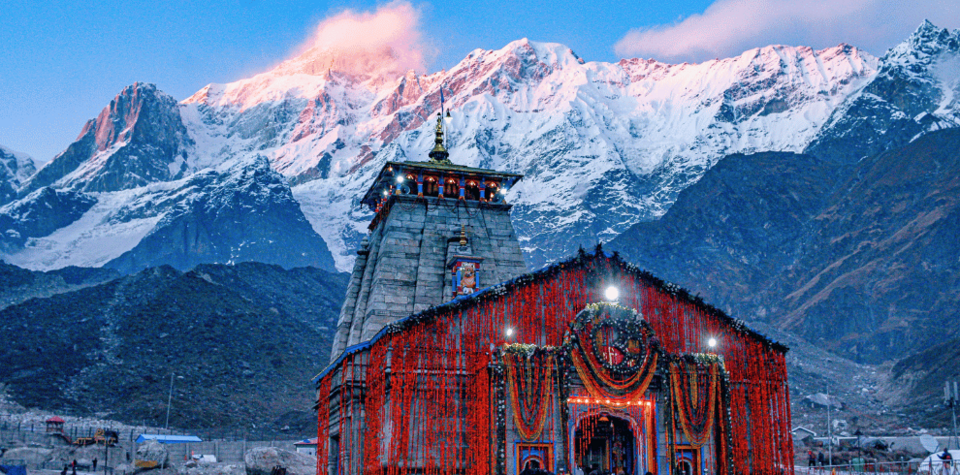
Char Dham Yatra Planning — Complete Itinerary and Spiritual Guide

Introduction

The Char Dham Yatra, which translates to 'the journey to the four abodes,' is a sacred pilgrimage in Hinduism that takes devotees to four revered shrines in the Indian state of Uttarakhand. The pilgrimage sites include Yamunotri, Gangotri, Kedarnath, and Badrinath, each dedicated to a different deity and situated in the picturesque Himalayas. The Char Dham Yatra is considered one of the most sacred journeys in Hinduism, attracting millions of devotees from across the globe. According to Hindu scriptures, particularly the Puranas, these four sites are believed to be the earthly abodes of the divine, where the gods and goddesses reside. The Char Dham Yatra is not just a physical journey but a spiritual odyssey, where pilgrims seek to cleanse their souls, attain spiritual enlightenment, and experience the divine presence. The yatra is typically undertaken between the months of May and October, when the weather is favorable and the shrines are accessible. The journey is challenging, with steep mountain paths, rugged terrain, and unpredictable weather, but the scenic beauty, spiritual significance, and sense of community among pilgrims make it a truly transformative experience. The Char Dham Yatra has a rich history, with references to it found in ancient Hindu scriptures, such as the Mahabharata and the Skanda Purana. According to legend, the pilgrimage was first undertaken by the Pandavas, the five brothers from the epic Mahabharata, who sought to atone for their sins and attain spiritual liberation. Over time, the Char Dham Yatra has evolved into a major pilgrimage event, with thousands of devotees participating in it every year. The yatra is not just a religious event but also a cultural phenomenon, showcasing the diversity and richness of Indian culture. The pilgrimage sites are surrounded by picturesque villages, each with its unique culture, customs, and traditions. The Char Dham Yatra is an opportunity to experience the beauty of the Himalayas, the warmth of the local people, and the spiritual significance of the pilgrimage sites. In this article, we will provide a comprehensive guide to the Char Dham Yatra, covering the itinerary, spiritual significance, and practical steps to help you plan your journey. Whether you are a seasoned pilgrim or a first-time traveler, this guide will help you navigate the challenges and opportunities of the Char Dham Yatra. The Char Dham Yatra is a once-in-a-lifetime experience that can transform your life, broaden your perspective, and deepen your understanding of Hinduism and its rich cultural heritage. With its stunning natural beauty, rich cultural heritage, and spiritual significance, the Char Dham Yatra is an experience that will stay with you forever. As you embark on this journey, you will encounter breathtaking landscapes, picturesque villages, and sacred shrines, each with its unique history, mythology, and cultural significance. The Char Dham Yatra is a journey that will challenge you physically, emotionally, and spiritually, but it will also reward you with unforgettable experiences, lifelong memories, and a deeper connection with the divine. The yatra is a reminder that life is a journey, not a destination, and that the journey itself is the reward. As you walk the sacred paths, breathe the fresh mountain air, and immerse yourself in the spiritual energy of the pilgrimage sites, you will discover the true meaning of the Char Dham Yatra and the transformative power of faith, devotion, and self-discovery.

Significance

The Char Dham Yatra holds immense spiritual significance in Hinduism, as it is believed to be a journey to the earthly abodes of the divine. The four pilgrimage sites are dedicated to different deities, each with its unique mythology and cultural significance. Yamunotri, the first site, is dedicated to Goddess Yamuna, the goddess of the river Yamuna, who is revered as the symbol of purity, fertility, and spiritual growth. Gangotri, the second site, is dedicated to Goddess Ganga, the goddess of the river Ganges, who is revered as the symbol of spiritual purification, liberation, and self-discovery. Kedarnath, the third site, is dedicated to Lord Shiva, the destroyer of evil, who is revered as the symbol of spiritual transformation, self-realization, and liberation. Badrinath, the fourth site, is dedicated to Lord Vishnu, the preserver of the universe, who is revered as the symbol of spiritual growth, self-realization, and liberation. The Char Dham Yatra is believed to be a journey to the divine, where pilgrims can experience the presence of the gods and goddesses, attain spiritual enlightenment, and achieve liberation from the cycle of birth and death. The yatra is also believed to have a profound impact on the spiritual growth and self-realization of the pilgrims, as it provides an opportunity to reflect on their lives, reconnect with their inner selves, and rediscover their purpose and meaning. The Char Dham Yatra is a reminder that spirituality is not just a personal experience but also a communal one, as it brings together people from different backgrounds, cultures, and faiths, creating a sense of community, belonging, and shared purpose. The yatra is also an opportunity to experience the beauty of nature, the richness of Indian culture, and the diversity of Hindu traditions, making it a unique and unforgettable experience. According to Hindu scriptures, the Char Dham Yatra is believed to be a means of attaining spiritual liberation, as it provides an opportunity to purify the mind, body, and soul, and to connect with the divine. The yatra is also believed to have a positive impact on the environment, as it promotes eco-tourism, sustainable development, and environmental conservation. The Char Dham Yatra is a celebration of the human spirit, as it showcases the resilience, determination, and devotion of the pilgrims, who undertake the challenging journey to experience the divine and attain spiritual growth. The yatra is a reminder that life is a journey, not a destination, and that the journey itself is the reward. As pilgrims walk the sacred paths, they are reminded of the importance of living in the present, letting go of the past, and embracing the future with faith, hope, and devotion. The Char Dham Yatra is a journey that transforms lives, broadens perspectives, and deepens understanding, making it a once-in-a-lifetime experience that will stay with you forever.

Best Time to Perform

The best time to perform the Char Dham Yatra is between May and October, when the weather is favorable and the shrines are accessible.

Find your exact auspicious time Check the shubh muhurat and choghadiya for your city and date.

Required Samagri (Materials)

comfortable clothing and shoes
water bottle
first-aid kit
sunscreen
sunglasses
warm clothing
umbrella
raincoat

Preparation Steps

  1. 1book your accommodations in advance
  2. 2pack essential items
  3. 3check the weather forecast
  4. 4consult with a doctor if you have any health concerns
  5. 5inform your family and friends about your itinerary

Step-by-Step Vidhi

  1. 1start your journey from Haridwar or Rishikesh
  2. 2visit Yamunotri, Gangotri, Kedarnath, and Badrinath in sequence
  3. 3perform puja and darshan at each shrine
  4. 4take a dip in the sacred rivers
  5. 5offer prayers and donations
  6. 6respect the local culture and traditions

Mantras

Om Namah Shivaya

ॐ नमः शिवाय

Om Namah Shivaya

Meaning: I bow to Lord Shiva

Om Sri Ganeshaya Namaha

ॐ श्री गणेशाय नमः

Om Sri Ganeshaya Namaha

Meaning: I bow to Lord Ganesha

Om Sri Maha Lakshmiyei Namaha

ॐ श्री महालक्ष्मीयै नमः

Om Sri Maha Lakshmiyei Namaha

Meaning: I bow to Goddess Lakshmi

Vrat Rules

  • fasting is not mandatory but recommended
  • vegetarian diet is preferred
  • avoid non-vegetarian food and intoxicants
  • respect the local culture and traditions

Do's

  • respect the environment and local culture
  • follow the instructions of the tour guide
  • stay hydrated and take regular breaks
  • carry essential items and first-aid kit

Don'ts

  • do not litter or pollute the environment
  • do not touch or damage the shrines or idols
  • do not take pictures or videos inside the shrines
  • do not consume non-vegetarian food or intoxicants

Common Mistakes to Avoid

  • not booking accommodations in advance
  • not packing essential items
  • not checking the weather forecast
  • not respecting the local culture and traditions

Regional Variations

  • the yatra is undertaken in different sequences in different regions
  • the yatra is undertaken at different times of the year in different regions
  • the yatra has different cultural and traditional significance in different regions

Frequently Asked Questions

What is the best time to perform the Char Dham Yatra?
The best time to perform the Char Dham Yatra is between May and October, when the weather is favorable and the shrines are accessible.
What are the essential items to carry during the yatra?
The essential items to carry during the yatra include comfortable clothing and shoes, water bottle, first-aid kit, sunscreen, sunglasses, warm clothing, umbrella, and raincoat.
What are the vrat rules to be followed during the yatra?
The vrat rules to be followed during the yatra include fasting, vegetarian diet, and avoiding non-vegetarian food and intoxicants.

References & Traditional Notes

  • the Char Dham Yatra is mentioned in the Mahabharata and the Skanda Purana
  • the yatra is undertaken by millions of devotees every year
  • the yatra has a rich cultural and traditional significance in Hinduism

Related Audio & Bhajans

Spiritual Journey

otherChrome Dreams Audio Series
View Lyrics

Sanatan Hindu Ekta Padyatra Song

otherchaman bihari ji maharaj
View Lyrics

sanatan hindu padyatra

otherYouTube
Open on YouTube →
Lyrics

Akshardham Temple Delhi Darshan Swaminarayan

otherYouTube
Open on YouTube →
Lyrics

Rathyatra

otherChandreyee
View Lyrics

Rath Yatra Special 2023 রথযাত্রা স্পেশাল ননস্টপ Odia Jagannath Bhajan SB Popular Music( MP 3 160 K)

other
View Lyrics

Rath Yatra

otherYouTube
Open on YouTube →
Lyrics

The Stages of Spiritual Growth

other
View Lyrics

Spiritual growth

otherYouTube
Open on YouTube →
Lyrics

Diwali Festival & Spirituality

other
View Lyrics

Affiliate disclosure: Sanatan Hindu participates in the Amazon Associates Programme and the CueLinks affiliate network (Myntra & Flipkart). This page contains affiliate links, if you click and buy, we earn a small commission at no extra cost to you. As an Amazon Associate we earn from qualifying purchases. Full disclosure.

Shop Samagri on Amazon.in

Clicking opens Amazon.in. Prices and availability may vary.

Browse all pooja items

Amazon Associates tag: geekydevelope-21

Shop Pooja & Festive Essentials on Flipkart

Clicking opens Flipkart via our affiliate link. Prices and availability may vary.

Shop on Flipkart

CueLinks Publisher: 300371

Shop Festive Wear on Myntra

Clicking opens Myntra via our affiliate link. Prices and availability may vary.

CueLinks Publisher: 300371

Share:

Get the daily panchang & festival updates

Join our free newsletter, no spam, unsubscribe anytime.