
Grishneshwar Jyotirlinga: Sacred History, Significance, and Complete Pooja Guide
Explore the divine history, spiritual significance, and detailed pooja vidhi of Grishneshwar Jyotirlinga, the twelfth Jyotirlinga of Lord Shiva.
Affiliate disclosure: Sanatan Hindu participates in the Amazon Associates Programme and the CueLinks affiliate network (Myntra & Flipkart). This page contains affiliate links, if you click and buy, we earn a small commission at no extra cost to you. As an Amazon Associate we earn from qualifying purchases. Full disclosure.
Introduction
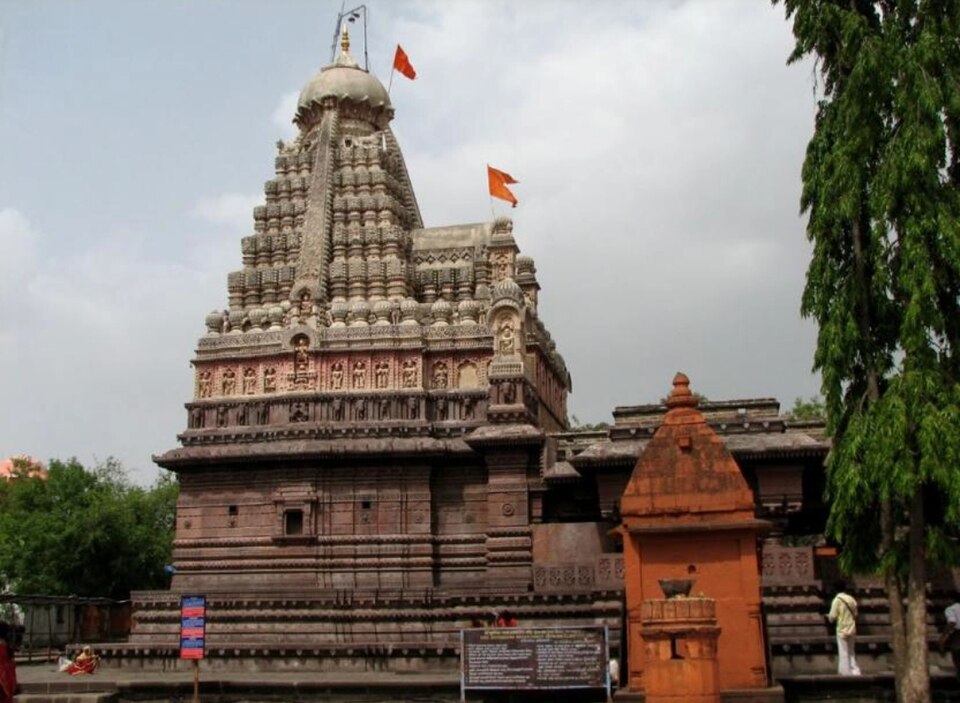
The temple is not merely a magnificent structure of stone and architecture; it is a repository of ancient legends, most notably the story of the devoted Ghushma. Her unwavering faith and the subsequent miracle performed by Lord Shiva to restore her son's life make this site a powerful symbol of ultimate devotion (Bhakti) and divine intervention.
Significance
Best Time to Perform
Find your exact auspicious time Check the shubh muhurat and choghadiya for your city and date.
Required Samagri (Materials)
Preparation Steps
- 1Perform a ritual bath (Snana) to ensure physical and mental purity before starting the pooja.
- 2Cleanse the pooja space or the altar with Gangajal to establish a sacred environment.
- 3Arrange all required Samagri (ritual items) in an orderly manner within reach.
- 4Light a lamp (Deepam) to signify the presence of divine light and focus.
- 5Set a calm and meditative intention (Sankalpa) for the worship.
Step-by-Step Vidhi
- 1Sankalpa: Take a small amount of water in your right palm and recite your name, lineage (Gotra), and your specific prayer or intention to Lord Shiva.
- 2Dhyana: Meditate upon the form of Lord Shiva as Grishneshwar, focusing on the light (Jyoti) of the Lingam.
- 3Panchamrita Abhishekam: Perform the ritual bathing of the Lingam in a specific sequence: first with Milk, then Curd, then Ghee, then Honey, and finally Sugar. This is known as Panchamrita Abhishekam.
- 4Shuddhodaka Snana: Rinse the Lingam thoroughly with pure water or Gangajal to clean the Panchamrita.
- 5Alankaram: Apply Sandalwood paste (Chandan) to the Lingam and offer fresh Bilva Patra and flowers.
- 6Naivedya: Offer seasonal fruits and sweets to the deity as a gesture of gratitude.
- 7Aarti: Perform the Aarti using a camphor or ghee lamp, singing hymns of praise to Shiva.
- 8Pradakshina: Walk around the sanctum sanctorum (Garbhagriha) in a clockwise direction (Pradakshina) to absorb the divine energy.
Mantras
Panchakshara Mantra
ॐ नमः शिवाय
Om Namah Shivaya
Meaning: I bow to Lord Shiva.
Mahamrityunjaya Mantra
ॐ त्र्यम्बकं यजामहे सुगन्धिं पुष्टिवर्धनम्। उर्वारुकमिव बन्धनान्मृत्योर्मुक्षीय माऽमृतात्॥
Om Tryambakam Yajamahe Sugandhim Pushti-Vardhanam | Urvarukamiva Bandhanan Mrityor Mukshiya Maamritat ||
Meaning: We worship the Three-eyed One (Lord Shiva) who is fragrant and nourishes all beings. May He liberate us from death, just as a ripe cucumber is effortlessly severed from the vine, and lead us to immortality.
Do's
- ✓Offer Bilva Patra with the smooth side facing the Lingam.
- ✓Maintain Ekagrata (one-pointed focus) during the chanting of mantras.
- ✓Show utmost respect to the temple priests and fellow devotees.
- ✓Perform Pradakshina in a clockwise direction.
Don'ts
- ✗Do not touch the Jyotirlinga with unclean hands.
- ✗Avoid wearing black or dark-colored clothing during the pooja; light or bright colors are preferred.
- ✗Do not consume non-vegetarian food or intoxicants on the day of worship.
- ✗Do not disturb others during their intense prayer or meditation.
Common Mistakes to Avoid
- •Using damaged or broken Bilva leaves; the leaves should be intact and whole.
- •Performing the Abhishekam too hurriedly without meditative focus.
- •Neglecting the Sankalpa, which is the foundation of any Vedic ritual.
- •Mixing the sequence of the Panchamrita offerings.
Regional Variations
- •In Maharashtra, local traditions often include specific offerings of coconut and seasonal local fruits.
- •South Indian traditions may follow a slightly different sequence in the Abhishekam process.
- •Certain Sampradayas may emphasize specific Vedic chants (Rigveda or Yajurveda) over simpler mantras.
Frequently Asked Questions
What is the legend behind Grishneshwar Jyotirlinga?▾
Is it mandatory to hire a priest for the pooja?▾
When is the best time to visit Grishneshwar?▾
Popular Tools
References & Traditional Notes
- •The temple follows the Bhumija style of architecture.
- •It is traditionally noted that the grace of Grishneshwar is particularly potent for those seeking relief from family troubles.
- •Always check with local temple authorities regarding specific rules for entering the inner sanctum.
Related Audio & Bhajans
Navagraha Pooja
Sampoona Diwali Poojan Vidhi
Introduction
Why Apply Chandan Sandalwood Tilak Lord Ganesha, Goddess Mahalakshmi pooja
Allahabad Prayagraj Triveni Sangam Kumbh Lord Shiva, Lord Krishna, Goddess Saraswati pilgrimage
Needhaya Raadha Rama (From "Pooja")
Affiliate disclosure: Sanatan Hindu participates in the Amazon Associates Programme and the CueLinks affiliate network (Myntra & Flipkart). This page contains affiliate links, if you click and buy, we earn a small commission at no extra cost to you. As an Amazon Associate we earn from qualifying purchases. Full disclosure.
Shop Samagri on Amazon.in
Clicking opens Amazon.in. Prices and availability may vary.
Browse all pooja itemsAmazon Associates tag: geekydevelope-21
Shop Pooja & Festive Essentials on Flipkart
Clicking opens Flipkart via our affiliate link. Prices and availability may vary.
Shop on FlipkartCueLinks Publisher: 300371
Shop Festive Wear on Myntra
Clicking opens Myntra via our affiliate link. Prices and availability may vary.
CueLinks Publisher: 300371