Hindu PhilosophyBrahmanNone

Kena Upanishad — Who Directs the Mind — Key Teachings

Explore the Kena Upanishad, a sacred Hindu scripture that delves into the nature of the ultimate reality and the self.

By Sanatan Hindu8 min readUpdated 13 August 2026Audio available
Share:

Affiliate disclosure: Sanatan Hindu participates in the Amazon Associates Programme and the CueLinks affiliate network (Myntra & Flipkart). This page contains affiliate links, if you click and buy, we earn a small commission at no extra cost to you. As an Amazon Associate we earn from qualifying purchases. Full disclosure.
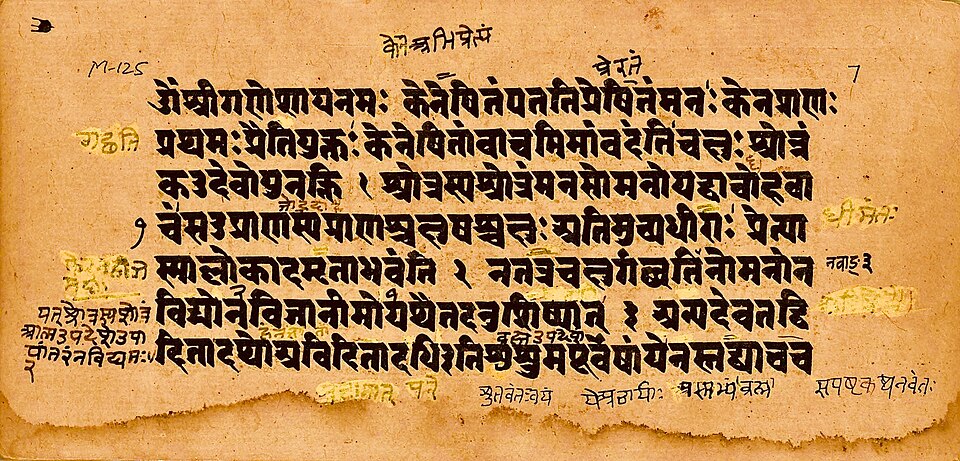
Kena Upanishad — Who Directs the Mind — Key Teachings

Introduction

The Kena Upanishad is one of the most revered and mystical scriptures in Hinduism, belonging to the Sama Veda. It is known for its profound inquiry into the nature of the ultimate reality, often referred to as Brahman, and the self or Atman. This Upanishad is unique in its approach, using a series of questions and dialogues to explore the deepest mysteries of existence. The text begins with a provocative question about who or what is the director of the mind, the senses, and the body, setting the stage for a profound exploration of the human condition and the ultimate reality. The Kena Upanishad is considered one of the ten major Upanishads and is highly revered for its philosophical and spiritual insights. Its teachings are not just philosophical musings but offer practical, spiritual guidance for those seeking to understand the true nature of reality and their place within it. The text is structured in a way that it poses questions that prompt the reader to reflect deeply on the nature of existence, encouraging a journey of self-discovery and understanding. The dialogue within the Upanishad involves several sages and their students, showcasing the traditional method of knowledge transmission in ancient India, where the teacher and student would engage in deep discussions to unravel the mysteries of the universe. The Kena Upanishad is also notable for its emphasis on the concept of 'Neti Neti' or 'not this, not that,' which is a method of describing the ultimate reality by negating all that is finite and transient, leading the seeker to the understanding that the truth is beyond human comprehension. This approach underscores the limitations of language and the futility of trying to define the infinite with finite terms. The significance of the Kena Upanishad extends beyond its philosophical teachings; it offers a path for spiritual seekers to delve into the depths of their own consciousness, seeking the answer to the question of who or what directs the mind. This journey inward is considered essential in Hindu spirituality, as it leads to self-realization and the attainment of moksha, or liberation from the cycle of birth and death. The teachings of the Kena Upanishad are timeless and universal, appealing to anyone interested in the profound questions of existence, regardless of their cultural or religious background. It invites readers to embark on a profound journey of discovery, challenging conventional thinking and encouraging a deeper understanding of the self and the universe. The text's emphasis on the importance of introspection, self-inquiry, and the pursuit of knowledge makes it a foundational work in the tradition of Advaita Vedanta, which is one of the most influential schools of thought in Hindu philosophy. The Kena Upanishad's exploration of the relationship between the individual self and the ultimate reality provides insights that are both profoundly philosophical and deeply personal, guiding the seeker towards a unified understanding of existence. In essence, the Kena Upanishad is not just a scripture but a spiritual guide that offers a pathway to understanding the mysteries of existence and achieving spiritual liberation. Its teachings are a testament to the richness and depth of Hindu philosophy, encouraging readers to explore the depths of their own consciousness and understand the interconnectedness of all things. The Upanishad's message of the unity of all existence and the potential for human beings to realize their true nature as being one with the ultimate reality is both uplifting and challenging, prompting the reader to reevaluate their place in the world and their understanding of the self. Through its teachings, the Kena Upanishad provides a framework for spiritual growth, self-realization, and the attainment of peace and liberation. It stands as a reminder of the enduring power of spiritual inquiry and the human quest for meaning and understanding. The Kena Upanishad, with its profound questions and insightful dialogues, remains a foundational text in Hindu spirituality, offering guidance and inspiration to spiritual seekers around the world. Its exploration of the human condition, the nature of reality, and the path to liberation continues to resonate with readers, making it a timeless and universal spiritual classic.

Significance

The significance of the Kena Upanishad lies in its profound exploration of the nature of reality and the self. It is a text that delves into the deepest mysteries of existence, posing fundamental questions about the ultimate reality and our understanding of it. The Upanishad's teachings are significant not only for their philosophical depth but also for their practical application in the pursuit of spiritual growth and self-realization. The text's emphasis on the importance of self-inquiry and the pursuit of knowledge makes it a foundational work in Hindu philosophy, particularly in the tradition of Advaita Vedanta. The Kena Upanishad's exploration of the relationship between the individual self and the ultimate reality provides insights that are both profoundly philosophical and deeply personal, guiding the seeker towards a unified understanding of existence. The text's teachings on the nature of the self and the ultimate reality are considered essential for achieving moksha, or liberation from the cycle of birth and death, which is one of the primary goals of Hindu spirituality. The Upanishad's message of the unity of all existence and the potential for human beings to realize their true nature as being one with the ultimate reality is both uplifting and challenging, prompting the reader to reevaluate their place in the world and their understanding of the self. The Kena Upanishad is also significant for its method of teaching, which involves posing questions and encouraging the reader to engage in self-inquiry. This approach makes the text highly interactive, inviting the reader to participate in the process of discovery and understanding. The Upanishad's use of the 'Neti Neti' approach, or the method of negation, is particularly noteworthy, as it underscores the limitations of language and the futility of trying to define the infinite with finite terms. This approach encourages the reader to move beyond conceptual thinking and to embrace the mystery of existence, leading to a deeper understanding of the self and the ultimate reality. The Kena Upanishad's teachings are not limited to philosophical musings but offer practical guidance for spiritual seekers. The text provides insights into the nature of the mind, the role of the senses, and the importance of introspection and self-awareness. It guides the reader on how to cultivate a deeper understanding of the self and how to achieve a state of inner peace and liberation. The Upanishad's emphasis on the importance of living a simple and virtuous life, free from the distractions of the world, is also noteworthy, as it provides a practical framework for spiritual growth and self-realization. In terms of its cultural and historical significance, the Kena Upanishad is considered one of the most important texts in Hindu scripture, alongside the Vedas and the Bhagavad Gita. Its teachings have influenced countless generations of spiritual seekers and have shaped the development of Hindu philosophy and spirituality. The Upanishad's exploration of the human condition, the nature of reality, and the path to liberation continues to resonate with readers, making it a timeless and universal spiritual classic. The Kena Upanishad's significance extends beyond the realm of Hinduism, as its teachings on the nature of reality, the self, and the path to liberation are universal and apply to all human beings, regardless of their cultural or religious background. Its message of unity, compassion, and the pursuit of knowledge is both timely and timeless, offering guidance and inspiration to spiritual seekers around the world. In conclusion, the Kena Upanishad is a text of profound significance, offering insights into the nature of reality, the self, and the path to liberation. Its teachings are both philosophical and practical, guiding the reader on a journey of self-discovery and understanding. The Upanishad's emphasis on the importance of self-inquiry, the pursuit of knowledge, and the cultivation of a deeper understanding of the self makes it a foundational work in Hindu philosophy and a timeless spiritual classic.

Best Time to Perform

The best time to study and reflect on the Kena Upanishad is during the early morning hours, when the mind is fresh and calm. This period is considered ideal for spiritual reflection and meditation, as it allows the individual to connect with their inner self and seek guidance from the text.

Find your exact auspicious time Check the shubh muhurat and choghadiya for your city and date.

Required Samagri (Materials)

A copy of the Kena Upanishad
A quiet and peaceful space for reflection and meditation
A journal for noting insights and reflections

Preparation Steps

  1. 1Find a quiet and peaceful space for reflection and meditation
  2. 2Set aside a specific time each day for studying and reflecting on the Kena Upanishad
  3. 3Prepare a journal for noting insights and reflections
  4. 4Approach the text with an open and receptive mind, free from preconceptions and biases

Step-by-Step Vidhi

  1. 1Begin by reading the Kena Upanishad slowly and carefully, allowing the words and phrases to sink deeply into your mind and heart
  2. 2As you read, pause to reflect on the meanings and implications of the text, allowing yourself to fully absorb the teachings
  3. 3Use your journal to note down insights, questions, and reflections that arise during your study
  4. 4Engage in meditation and self-inquiry, using the teachings of the Kena Upanishad as a guide for your spiritual practice
  5. 5Seek guidance from a qualified teacher or guru, if possible, to deepen your understanding of the text and its teachings

Mantras

Om Sahana Vavatu

ॐ सह नाववतु

Om Sahana Vavatu

Meaning: May God protect us both (the teacher and the student)

Om Shanti Shanti Shanti

ॐ शान्ति शान्ति शान्ति

Om Shanti Shanti Shanti

Meaning: May there be peace, peace, peace

Vrat Rules

  • Approach the study of the Kena Upanishad with a pure and receptive mind
  • Set aside a specific time each day for study and reflection
  • Avoid distractions and maintain a quiet and peaceful environment
  • Show respect and reverence for the text and its teachings

Do's

  • Approach the study of the Kena Upanishad with an open and receptive mind
  • Engage in regular meditation and self-inquiry
  • Seek guidance from a qualified teacher or guru
  • Maintain a journal for noting insights and reflections

Don'ts

  • Do not approach the study of the Kena Upanishad with a closed or biased mind
  • Avoid distractions and maintain a quiet and peaceful environment
  • Do not neglect the importance of self-inquiry and meditation
  • Do not forget to show respect and reverence for the text and its teachings

Common Mistakes to Avoid

  • Approaching the study of the Kena Upanishad with a closed or biased mind
  • Neglecting the importance of self-inquiry and meditation
  • Failing to maintain a quiet and peaceful environment
  • Not seeking guidance from a qualified teacher or guru

Regional Variations

  • The Kena Upanishad is studied and revered in various regions of India, with different traditions and interpretations
  • In some regions, the text is studied in conjunction with other Upanishads and scriptures
  • In other regions, the text is approached through the lens of a specific philosophical tradition, such as Advaita Vedanta

Frequently Asked Questions

What is the significance of the Kena Upanishad?
The Kena Upanishad is a sacred Hindu scripture that explores the nature of reality and the self, offering insights into the path to liberation and self-realization.
How should I approach the study of the Kena Upanishad?
Approach the study of the Kena Upanishad with an open and receptive mind, setting aside a specific time each day for study and reflection, and maintaining a quiet and peaceful environment.

References & Traditional Notes

  • The Kena Upanishad is mentioned in various Hindu scriptures and texts, including the Vedas and the Bhagavad Gita
  • The text is considered one of the most important Upanishads, alongside the Isa, Katha, and Mundaka Upanishads

Related Audio & Bhajans

The Stages of Spiritual Growth

other
View Lyrics

Spiritual growth

otherYouTube
Open on YouTube →
Lyrics

Brahman Ultimate Reality Brahman The Ultimate Reality Other

otherYouTube
Open on YouTube →
Lyrics

Exploring Sant Mat Teachings Found in the Hindu Scriptures Plus Several Other Sant Mat Related Topics

other
View Lyrics

Hindu scriptures

otherYouTube
Open on YouTube →
Lyrics

Vishnu Gayatri Mantra 108 Upanishads Vishnu Mantra

otherNeha Rajpal
View Lyrics

ఉపనిషత్ ఉద్యానవనం - 108 ఉపనిషత్తులు - వాల్యూమ్ – 4 of 6 by యేలేశ్వరపు హనుమ రామకృష్ణ Upanishad Udyanavanam – 108 Upanishads Volume – 4 of 6 by Yeleswarapu Hanuma RamaKrishna

other
View Lyrics

Upanishads

otherYouTube
Open on YouTube →
Lyrics

Self-Realization

otherShiatsu Zen
View Lyrics

Self-Realization

otherYouTube
Open on YouTube →
Lyrics

Affiliate disclosure: Sanatan Hindu participates in the Amazon Associates Programme and the CueLinks affiliate network (Myntra & Flipkart). This page contains affiliate links, if you click and buy, we earn a small commission at no extra cost to you. As an Amazon Associate we earn from qualifying purchases. Full disclosure.

Shop Samagri on Amazon.in

Clicking opens Amazon.in. Prices and availability may vary.

Browse all pooja items

Amazon Associates tag: geekydevelope-21

Shop Pooja & Festive Essentials on Flipkart

Clicking opens Flipkart via our affiliate link. Prices and availability may vary.

Shop on Flipkart

CueLinks Publisher: 300371

Shop Festive Wear on Myntra

Clicking opens Myntra via our affiliate link. Prices and availability may vary.

CueLinks Publisher: 300371

Share:

Get the daily panchang & festival updates

Join our free newsletter, no spam, unsubscribe anytime.