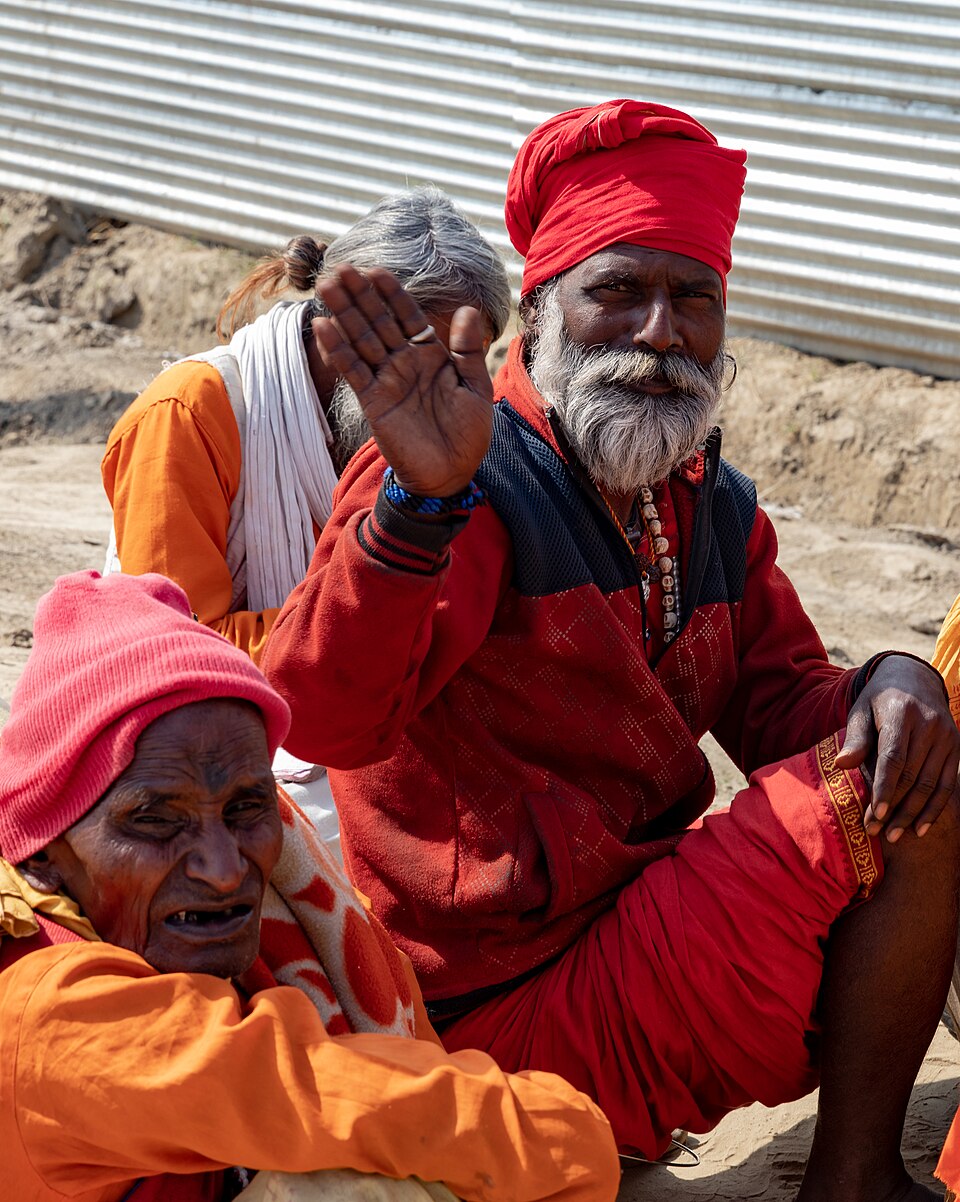
Kumbh Mela Pilgrimage — Significance, Bathing Dates and Complete Preparation Guide
Comprehensive guide to Kumbh Mela: spiritual significance, 2025 bathing dates, preparation steps, rituals, mantras, and practical tips for the world's largest peaceful gathering.
Affiliate disclosure: Sanatan Hindu participates in the Amazon Associates Programme and the CueLinks affiliate network (Myntra & Flipkart). This page contains affiliate links, if you click and buy, we earn a small commission at no extra cost to you. As an Amazon Associate we earn from qualifying purchases. Full disclosure.
Introduction
Significance
Auspicious Time
Find your exact auspicious time Check the shubh muhurat and choghadiya for your city and date.
Required Samagri (Materials)
Preparation Steps
- 1Register online on the official Kumbh Mela portal for pilgrim passes and accommodation allocation well in advance (3-6 months prior)
- 2Consult your family physician for a complete health check-up; obtain fitness certificate if required for senior citizens
- 3Book travel and accommodation early — prefer government-authorized camps, ashrams, or dharamshalas over private hotels for authenticity and safety
- 4Begin a sattvic diet 21 days before departure: avoid onion, garlic, meat, alcohol, tobacco; increase fruits, vegetables, dairy, whole grains
- 5Practice daily morning sadhana: 15-20 minutes of meditation, pranayama (Anulom Vilom, Bhramari), and gentle yoga to build stamina
- 6Memorize key mantras: Ganga Stotram, Snan Mantra, Gayatri Mantra, Mahamrityunjaya Mantra for continuous japa during the pilgrimage
- 7Prepare a 'Kumbh Kit' with all samagri items packed in waterproof compartments; label bags with name and contact
- 8Inform family members of detailed itinerary, camp location, and emergency contacts; share live location via phone
- 9Study the official Kumbh Mela map: identify your camp, nearest ghats, medical centers, police stations, lost-and-found, and exit routes
- 10Observe a partial fast (phalahar) or full fast on Ekadashi preceding departure for internal purification
- 11Seek blessings from your guru, family deity (kuladevata), and elders before leaving; perform a small havan at home for safe journey
- 12Download offline maps, Kumbh Mela official app, and emergency helpline numbers (112, 1091, local police control room)
Steps
- 1Arrive at your allocated camp/ashram at least one day before the major Shahi Snan to acclimatize and complete registration formalities
- 2Wake up at Brahma Muhurta (4:00-5:00 AM) on the bathing day; complete ablutions, brush teeth with neem datun or herbal paste
- 3Perform personal puja: light diya, offer incense, chant Guru Mantra, Gayatri Mantra (108 times), and pray for a safe and fruitful snan
- 4Wear clean bathing clothes; secure valuables in waterproof pouch around neck or in camp locker; carry only essential items to ghat
- 5Walk to the designated ghat calmly with fellow pilgrims; maintain silence or chant 'Har Har Gange' or 'Om Namah Shivaya'
- 6Before entering water, face the rising sun (if visible) and offer Arghya with copper lota: 'Om Suryaya Namah' x 7, praying for purification
- 7Enter the river slowly with reverence; do not push or rush. Stand in water up to chest level facing east or north
- 8Perform the ritual Snan: take three dips (or five/seven per tradition), submerging head completely each time while mentally offering sins and impurities to the sacred waters
- 9After each dip, recite the Snan Mantra: 'Gange cha Yamune chaiva Godavari Saraswati | Narmade Sindhu Kaveri jalesmin sannidhim kuru ||'
- 10Offer Tarpan (ancestral libation) with black sesame seeds and water facing south: 'Om Pitribhyo Namah' for departed ancestors
- 11Perform Shraddha or Pind Daan if prescribed by family tradition; consult attending pandits at designated ghat platforms
- 12Exit the river gently; wrap in dry towel immediately; change into dry clothes in designated changing areas (not on ghat steps)
- 13Proceed to nearby temple or ashram for darshan; offer prasad, dakshina, and seek blessings of resident saints
- 14Participate in or witness the Shahi Snan procession of akharas if timing permits — maintain respectful distance, do not obstruct
- 15Consume only sattvic food from trusted langars/ashrams; avoid street food; drink only boiled or packaged water
- 16Spend remaining day in satsang, katha, meditation, or seva (volunteer service) at camp; avoid idle gossip, arguments, photography in sensitive areas
- 17Before sunset, perform evening Sandhya Vandana; offer deep daan (floating diyas) on river if permitted by authorities
- 18Retire early; maintain celibacy (brahmacharya) and silence (mauna) as much as possible throughout the Kumbh stay
Mantras
Ganga Snan Mantra (Bathing Mantra for Sacred Rivers)
गङ्गे च यमुने चैव गोदावरि सरस्वति । नर्मदे सिन्धु कावेरि जलेऽस्मिन् सन्निधिं कुरु ॥
Gaṅge ca Yamune caiva Godāvari Sarasvati | Narmade Sindhu Kāveri jale'smin sannidhiṃ kuru ||
Meaning: O Ganga, Yamuna, Godavari, Saraswati, Narmada, Sindhu, and Kaveri — please make your divine presence felt in this water where I bathe.
Gayatri Mantra (Universal Illumination Mantra)
ॐ भूर्भुवः स्वः तत्सवितुर्वरेण्यं भर्गो देवस्य धीमहि धियो यो नः प्रचोदयात् ।
Oṃ bhūr bhuvaḥ svaḥ tat savitur vareṇyaṃ bhargo devasya dhīmahi dhiyo yo naḥ pracodayāt |
Meaning: We meditate on the glorious radiance of the Divine Sun (Savitur), who illuminates the three worlds (physical, astral, causal); may He inspire and enlighten our intellect.
Mahamrityunjaya Mantra (Conqueror of Death Mantra)
ॐ त्र्यम्बकं यजामहे सुगन्धिं पुष्टिवर्धनम् । उर्वारुकमिव बन्धनान्मृत्योर्मुक्षीय मामृतात् ॥
Oṃ tryambakaṃ yajāmahe sugandhiṃ puṣṭivardhanam | urvārukamiva bandhanān mṛtyormukṣīya māmṛtāt ||
Meaning: We worship the Three-Eyed Lord (Shiva), fragrant and nourisher of all beings; may He liberate us from the bondage of death like a ripe cucumber from its vine, granting us immortality.
Surya Arghya Mantra (Sun Offering Mantra)
ॐ सूर्याय नमः । ॐ आदित्याय नमः । ॐ भास्कराय नमः । ॐ दिवाकराय नमः ।
Oṃ Sūryāya namaḥ | Oṃ Ādityāya namaḥ | Oṃ Bhāskarāya namaḥ | Oṃ Divākarāya namaḥ |
Meaning: Salutations to Surya (the Sun), Aditya (son of Aditi), Bhaskara (illuminator), Divakara (maker of day) — the source of all life, light, and consciousness.
Pitri Tarpan Mantra (Ancestral Libation Mantra)
ॐ पितृभ्यो नमः । तृप्यन्तु मे पितरः सर्वे मातृभ्यश्च यथाक्रमम् ।
Oṃ pitṛbhyo namaḥ | Tṛpyantu me pitaraḥ sarve mātṛbhyaśca yathākramam |
Meaning: Salutations to the ancestors. May all my paternal and maternal ancestors be satisfied and blessed by this offering of water and sesame seeds.
Kumbh Mela Sankalpa Mantra (Statement of Intent)
ॐ अद्य ब्रह्मणो द्वितीये परार्धे श्रीश्वेतवाराहकल्पे वैवस्वतमन्वन्तरे अष्टाविंशतितमे कलियुगे कलि प्रथमे चरणे जम्बूद्वीपे भारतवर्षे भरतखण्डे पुण्यप्रदेशे [स्थाननाम] क्षेत्रे [नदीनाम] तीरे अस्मिन् पुण्यसमये कुम्भमहापर्वणि स्नानं करिष्ये ।
Oṃ adya brahmaṇo dvitīye parārdhe śrīśvetavārāhakalpe vaivasvatamanvantare aṣṭāviṃśatitame kaliyuge kali prathame caraṇe jambūdvīpe bhāratavarṣe bharatakhaṇḍe puṇyapradeśe [sthānanāma] kṣetre [nadīnāma] tīre asmin puṇyasamaye kumbhamahāparvaṇi snānaṃ kariṣye |
Meaning: In the second half of Brahma's life, in the Shweta Varaha Kalpa, Vaivasvata Manvantara, 28th Kali Yuga, first phase of Kali, in Jambudvipa, Bharatavarsha, Bharatakhand, sacred land of [place name], on the banks of [river name], at this auspicious time of the Kumbh Maha Parva, I resolve to perform the sacred bath.
Guidelines
- •Observe complete celibacy (brahmacharya) in thought, word, and deed throughout the Kumbh stay
- •Maintain a strict sattvic diet: no meat, fish, eggs, onion, garlic, alcohol, tobacco, or intoxicants
- •Fast on all Ekadashi days during the Kumbh period (nirjala or phalahar as per capacity)
- •Practice mauna (silence) for at least 2-3 hours daily, preferably during morning and evening sandhya
- •Sleep on the ground or simple mattress; avoid luxury bedding to cultivate humility and detachment
- •Bathe only in the sacred river during designated snan times; avoid showers in camp if possible
- •Wear simple, clean, modest clothing — preferably white, saffron, or yellow; avoid black, flashy, or tight garments
- •Refrain from entertainment: no movies, music, social media, games, or idle conversation
- •Offer daily dakshina (donation) to sadhus, Brahmins, and needy pilgrims as per capacity
- •Perform at least one act of selfless seva (service) daily: cleaning ghats, serving langar, guiding lost pilgrims, medical aid
Do's
- ✓Follow all instructions from mela administration, police, and volunteer marshals without argument
- ✓Carry your pilgrim ID card, medical info card, and emergency contacts at all times
- ✓Use only designated bathing ghats for your camp/sector; do not venture to crowded or unauthorized areas
- ✓Keep children, elderly, and differently-abled companions within arm's reach; use ID wristbands for them
- ✓Drink water frequently to stay hydrated; use oral rehydration salts in hot weather
- ✓Apply tilak (sandalwood, kumkum, vibhuti) on forehead after snan for spiritual protection
- ✓Respect all sadhus, saints, and fellow pilgrims regardless of sect, appearance, or background
- ✓Participate in mass aarti, kirtan, and satsang with devotion and discipline
- ✓Keep the ghats and camp area clean; use designated toilets and waste bins only
- ✓Help fellow pilgrims in distress; inform nearest police/medical booth immediately in emergencies
Don'ts
- ✗Do not push, shove, or rush during Shahi Snan — stampedes are the greatest danger; wait your turn patiently
- ✗Do not carry large bags, jewelry, expensive electronics, or cash beyond daily needs to the ghat
- ✗Do not enter the river if you cannot swim, during strong currents, or if water quality warnings are issued
- ✗Do not consume food or water from unverified street vendors; risk of cholera, typhoid, hepatitis is high
- ✗Do not photograph or video-record Naga sadhus, women bathing, or private rituals without explicit permission
- ✗Do not argue with police, volunteers, or other pilgrims; maintain equanimity in all situations
- ✗Do not litter the river with plastic, flowers, coconuts, clothes, or ritual materials — use designated collection points
- ✗Do not engage in political discussions, debates, or controversial topics; focus solely on spiritual practice
- ✗Do not leave the camp alone after dark; always move in groups with a flashlight
- ✗Do not ignore symptoms of illness (fever, diarrhea, chest pain, dizziness) — seek medical help immediately
Common Mistakes to Avoid
- •Arriving on the main Shahi Snan day without prior acclimatization, leading to exhaustion and health crises
- •Booking accommodation through unauthorized agents, resulting in fraud, poor facilities, or distant locations
- •Underestimating walking distances (5-15 km daily) and not preparing physically months in advance
- •Carrying insufficient warm clothing for pre-dawn bathing in January-February (temperatures can drop to 2-5°C)
- •Ignoring the official mela app and maps, getting lost in the massive temporary city (spread over 3000+ hectares)
- •Consuming heavy, tamasic food before or after snan, causing digestive distress during long waits
- •Failing to establish a meeting point and communication plan with companions in case of separation
- •Disregarding the specific astrological timing (muhurta) for snan and bathing at inauspicious times
- •Not carrying prescribed medications in original packaging with doctor's note for customs/security checks
- •Treating the Kumbh as a tourist spectacle rather than a sacred pilgrimage, missing the transformative opportunity
Regional Variations
- •Prayagraj Kumbh: Emphasis on Triveni Sangam snan; Kalpavas (month-long residence) tradition for householders; massive Naga sadhu processions from 13 akharas
- •Haridwar Kumbh: Focus on Har Ki Pauri ghat; strong Shaiva and Shakta traditions; Kanwar yatra overlap in some years; Ganga aarti is central
- •Nashik-Trimbakeshwar Kumbh: Centered on Godavari at Ramkund and Kushavarta; strong Vaishnava presence; Trimbakeshwar Jyotirlinga darshan integrated
- •Ujjain Kumbh (Simhastha): Held on Shipra river; Mahakaleshwar Jyotirlinga darshan is paramount; unique Vikram Samvat calendar traditions
- •South Indian traditions: Pilgrims from Tamil Nadu, Kerala, Karnataka often follow guru parampara-specific rituals; emphasis on Vishnu Sahasranama parayanam
- •Bengali and Eastern traditions: Strong Devi worship; Durga Saptashati recitation; special rituals for ancestors (pitri tarpan) at specific ghats
- •Gujarati and Marwari communities: Organize large community camps with elaborate annakshetra (food service); focus on Pushtimarg or Swaminarayan traditions
- •NRI and foreign pilgrims: Often join ashram-based programs (Art of Living, Isha, Chinmaya Mission) with structured schedules and English guidance
Frequently Asked Questions
What is the difference between Purna Kumbh, Ardh Kumbh, and Maha Kumbh?▾
Can women participate in Kumbh Mela snan during menstruation?▾
Is it necessary to take a dip on every Shahi Snan day?▾
What if I cannot swim or fear deep water?▾
How do I find my lost family member at Kumbh Mela?▾
Are there facilities for differently-abled and elderly pilgrims?▾
What is Kalpavas and who can observe it?▾
Can I take my mobile phone to the bathing ghat?▾
Popular Tools
References & Traditional Notes
- •Primary Puranic sources: Skanda Purana (Maheshwara Khanda, Kashi Khanda), Padma Purana (Srishti Khanda), Bhagavata Purana (Canto 8, Chapters 5-9), Brahma Purana, Vishnu Purana — all describe Samudra Manthan and nectar drops at four sites
- •Astrological basis: Brihat Samhita of Varahamihira (Chapter 8 on Kumbha Yoga), Jataka Parijata, and Muhurta Chintamani detail planetary positions for each Kumbh venue
- •Historical records: Chinese traveler Xuanzang (Hiuen Tsang) documented Prayag Kumbh in 644 CE; Mughal chronicles (Akbarnama) mention Allahabad Kumbh; British gazetteers (1868 onwards) provide administrative accounts
- •Akharas: 13 recognized akharas (7 Shaiva, 3 Vaishnava, 2 Udasin, 1 Nirmal) under Akhil Bharatiya Akhara Parishad; each has fixed snan sequence and camping sectors
- •Kalpavas tradition: Described in Matsya Purana and Tirthaprabandha; month-long observance includes 21 rules (niyamas) including one meal daily, sleeping on ground, truthfulness, and daily Ganga puja
- •Modern governance: Uttar Pradesh Kumbh Mela Act, 2010; Prayagraj Mela Authority; UNESCO Intangible Cultural Heritage inscription (2017) for Kumbh Mela
- •Health advisories: WHO and Ministry of Health guidelines for mass gatherings; cholera vaccination recommended; water quality monitored daily at all ghats by CPCB
Related Audio & Bhajans
Allahabad Prayagraj Triveni Sangam Kumbh Lord Shiva, Lord Krishna, Goddess Saraswati pilgrimage
pilgrimage
Dates
Affiliate disclosure: Sanatan Hindu participates in the Amazon Associates Programme and the CueLinks affiliate network (Myntra & Flipkart). This page contains affiliate links, if you click and buy, we earn a small commission at no extra cost to you. As an Amazon Associate we earn from qualifying purchases. Full disclosure.
Shop Samagri on Amazon.in
Clicking opens Amazon.in. Prices and availability may vary.
Browse all pooja itemsAmazon Associates tag: geekydevelope-21
Shop Pooja & Festive Essentials on Flipkart
Clicking opens Flipkart via our affiliate link. Prices and availability may vary.
Shop on FlipkartCueLinks Publisher: 300371
Shop Festive Wear on Myntra
Clicking opens Myntra via our affiliate link. Prices and availability may vary.
CueLinks Publisher: 300371