
Maha Shivaratri — The Great Night of Shiva
Maha Shivaratri: A night of devotion and spiritual growth
Affiliate disclosure: Sanatan Hindu participates in the Amazon Associates Programme and the CueLinks affiliate network (Myntra & Flipkart). This page contains affiliate links, if you click and buy, we earn a small commission at no extra cost to you. As an Amazon Associate we earn from qualifying purchases. Full disclosure.
Next Maha Shivaratri
Saturday, 6 March 2027· in 139 days
Set a reminder so you never miss Maha Shivaratri.
Introduction
Significance
When to Celebrate
Find your exact auspicious time Check the shubh muhurat and choghadiya for your city and date.
What You'll Need
How to Prepare
- 1Clean and decorate the puja area
- 2Take a bath and wear clean clothes
- 3Prepare the necessary samagri
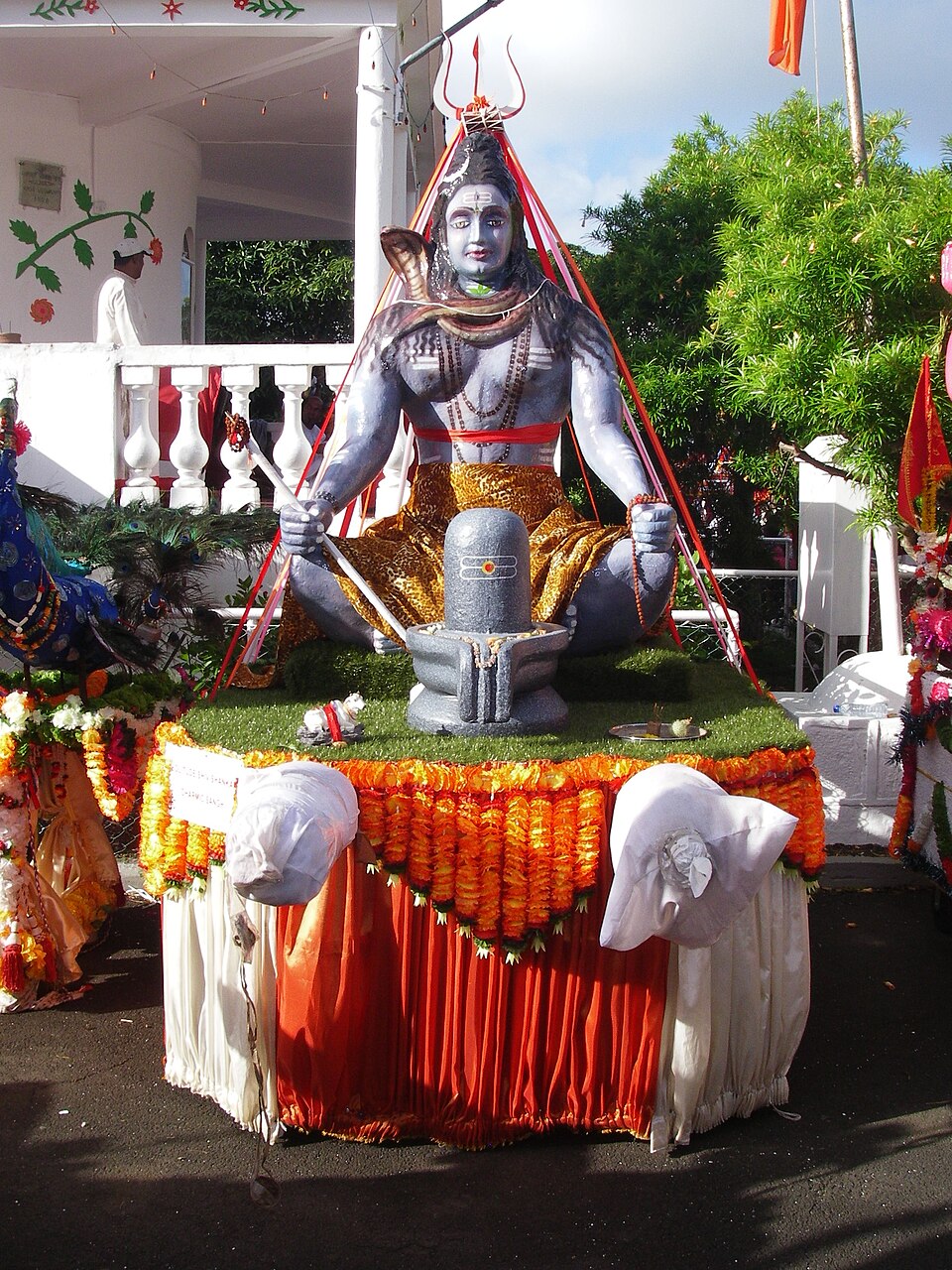
- 4Set up the Shiva Linga or picture of Lord Shiva
- 5Light the candles or diyas
- 6Burn incense sticks
How to Celebrate
- 1Begin the puja by invoking Lord Ganesha and seeking his blessings
- 2Offer water, milk, ghee, honey, and other ingredients to the Shiva Linga
- 3Perform the 'Abhishekam' ritual, which involves bathing the Shiva Linga with water, milk, and other liquids
- 4Offer fruits, flowers, and bel leaves to the Shiva Linga
- 5Chant the Maha Mrityunjaya Mantra and other Shiva mantras
- 6Perform the 'Aarti' ceremony, which involves singing hymns and waving lights
Mantras
Maha Mrityunjaya Mantra
ॐ त्र्यंबकं यजामहे सुगंधिं पुष्टिवर्धनम्। उर्वारुकमिव बन्धनान् मृत्योर्मुक्षीय मामृतात्।
Om Tryambakam Yajamahe Sugandhim Pushtivardhanam. Urvaarukamiva Bandhanaan Mrityor Mokshiya Maamritaat.
Meaning: We worship the three-eyed Lord Shiva, who is fragrant and who nourishes all beings. May He release us from the bondage of death, just as a cucumber is released from its vine, and may we be liberated from the cycle of birth and death.
Shiva Aarti
ॐ जय शिव ओंकारा, भोले भाले शंकरा। ज्योतिष्पुंजे त्रिनयने, वामदेवे उमापति।
Om Jai Shiv Omkara, Bhole Bhalay Shankara. Jyotishpunge Trinayane, Vamadeva Umapataye.
Meaning: Victory to Lord Shiva, who is the embodiment of the syllable 'Om.' He is the benevolent and auspicious Shankara, with three eyes and a radiant presence. He is the consort of Uma and the lord of the universe.
Observance Rules
- •Fast from sunrise to sunrise the next day
- •Avoid eating non-vegetarian food and intoxicating substances
- •Engage in spiritual activities, such as meditation and chanting
- •Avoid sleeping during the day and stay awake at night
Do's
- ✓Maintain a positive and calm mindset
- ✓Focus on spiritual growth and self-reflection
- ✓Offer prayers and worship to Lord Shiva
- ✓Seek forgiveness for past mistakes
Don'ts
- ✗Avoid negative thoughts and emotions
- ✗Refrain from arguing or engaging in conflicts
- ✗Avoid watching TV or engaging in other worldly activities
- ✗Do not consume non-vegetarian food or intoxicating substances
Common Mistakes to Avoid
- •Not following the vrat rules and regulations
- •Not maintaining a positive and calm mindset
- •Not engaging in spiritual activities
- •Not seeking forgiveness for past mistakes
Regional Variations
- •In some regions, Maha Shivaratri is celebrated with a grand procession and festivities
- •In other regions, it is observed with a simple puja and meditation
- •Some communities observe a strict fast, while others allow for a partial fast
Frequently Asked Questions
What is the significance of Maha Shivaratri?▾
What are the benefits of observing Maha Shivaratri?▾
Popular Tools
References & Traditional Notes
- •The festival is mentioned in the Hindu scriptures, such as the Puranas and the Upanishads
- •The observance of Maha Shivaratri is believed to have been practiced by ancient sages and seers
Related Audio & Bhajans
Om Jai Shiv Omkara - Shiv Aarti
Shiv Tandav Stotram
Mahamrityunjaya Mantra
Shiv Chalisa
Affiliate disclosure: Sanatan Hindu participates in the Amazon Associates Programme and the CueLinks affiliate network (Myntra & Flipkart). This page contains affiliate links, if you click and buy, we earn a small commission at no extra cost to you. As an Amazon Associate we earn from qualifying purchases. Full disclosure.
Shop Samagri on Amazon.in
Clicking opens Amazon.in. Prices and availability may vary.
Browse all pooja itemsAmazon Associates tag: geekydevelope-21
Shop Pooja & Festive Essentials on Flipkart
Clicking opens Flipkart via our affiliate link. Prices and availability may vary.
Shop on FlipkartCueLinks Publisher: 300371
Shop Festive Wear on Myntra
Clicking opens Myntra via our affiliate link. Prices and availability may vary.
CueLinks Publisher: 300371
Need a website? Describe it, and AI builds it.
Perfect for a temple, pooja service, astrology practice or small shop. Tell the AI what you want — or drag and drop the classic way — and go live on your own web address in minutes with Sitova. Hosting, SEO, forms and analytics are all included.
- Build with AI or drag & drop
- Your domain + SEO built in
- Free forever plan
Opens sitova.site