Affiliate disclosure: Sanatan Hindu participates in the Amazon Associates Programme and the CueLinks affiliate network (Myntra & Flipkart). This page contains affiliate links, if you click and buy, we earn a small commission at no extra cost to you. As an Amazon Associate we earn from qualifying purchases. Full disclosure.
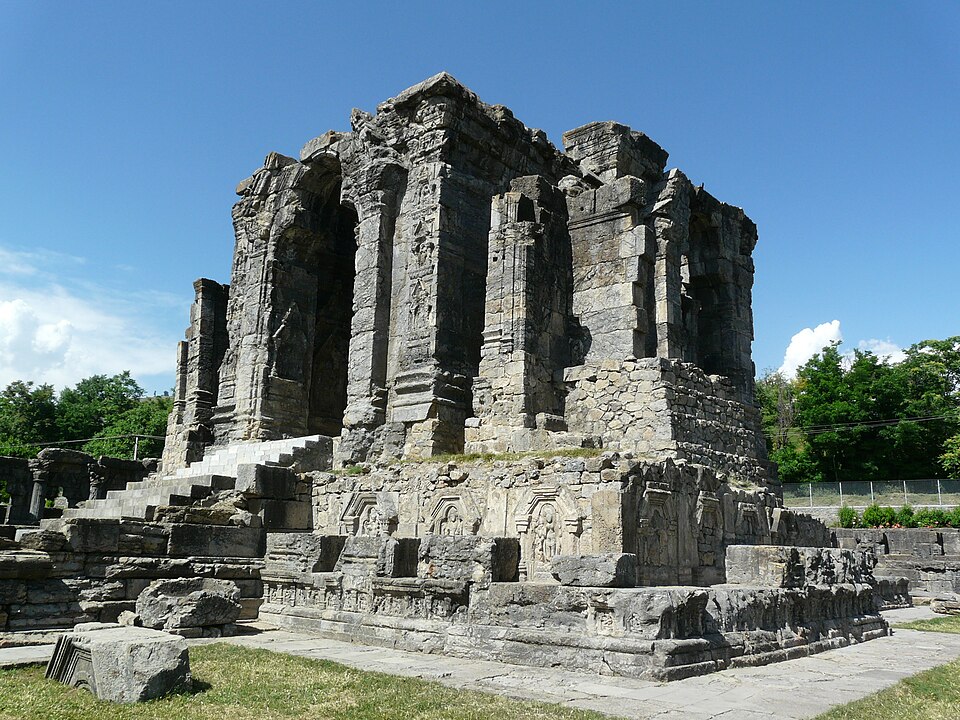
The Martand Sun Temple, situated in the picturesque valley of Kashmir, is an ancient temple complex dedicated to the worship of Surya, the Sun God. The temple's name 'Martand' is derived from the Sanskrit words 'Marut' meaning the wind and 'Tat' meaning that or he, hence 'Martand' translates to the one who is dispelled by the wind. The temple's history dates back to the 8th century CE, during the reign of King Lalitaditya Muktapida of the Karkota dynasty. The king, who was a devout follower of Surya, commissioned the construction of this magnificent temple to honor his beloved deity. The Martand Sun Temple is considered one of the most impressive examples of Kashmiri architecture, showcasing the unique blend of Greek, Roman, and Indian styles. The temple's design and layout are characterized by its grand proportions, intricate carvings, and ornate sculptures, which reflect the advanced craftsmanship and artistic skills of the Kashmiri artisans of that era. The temple complex consists of a central shrine, surrounded by a colonnaded courtyard, with a series of smaller shrines and ancillary buildings. The central shrine, which houses the main deity of Surya, is an imposing structure with a high podium, a spacious hall, and a sanctum sanctorum. The temple's walls are adorned with intricate carvings, depicting various mythological themes, including scenes from the Ramayana and the Mahabharata. The Martand Sun Temple has also been mentioned in several ancient texts, including the Rajatarangini, a historical chronicle of Kashmir, written by the 12th-century historian Kalhana. According to the Rajatarangini, the temple was an important center of learning and culture, attracting scholars and pilgrims from all over India. The temple's significance extends beyond its historical and architectural importance, as it is also considered a sacred site, where devotees can connect with the divine and experience spiritual bliss. The Martand Sun Temple is a testament to the rich cultural heritage of Kashmir and the enduring legacy of Hinduism in the region. The temple's history is also intertwined with the legend of the Karkota dynasty, which played a significant role in shaping the cultural and religious landscape of Kashmir. The Karkota kings were known for their patronage of art, architecture, and literature, and their reign is often referred to as the 'Golden Age' of Kashmir. The Martand Sun Temple is a shining example of the Karkota dynasty's contributions to the cultural and spiritual heritage of Kashmir. In addition to its historical and cultural significance, the Martand Sun Temple is also an important pilgrimage site, attracting devotees from all over India. The temple is particularly significant during the summer solstice, when the sun's rays illuminate the inner sanctum of the temple, symbolizing the divine presence of Surya. The Martand Sun Temple is a powerful symbol of the enduring legacy of Hinduism in Kashmir, and its history and significance continue to inspire and fascinate people to this day. The temple's architecture and design are a testament to the advanced craftsmanship and artistic skills of the Kashmiri artisans of the 8th century CE. The temple's intricate carvings and ornate sculptures reflect the unique blend of Greek, Roman, and Indian styles, which was characteristic of Kashmiri architecture during that era. The temple's history is also a reflection of the cultural and religious exchange that took place between India and other parts of the world, including Greece and Rome. The Martand Sun Temple is an important reminder of the rich cultural heritage of Kashmir and the significant contributions that the region has made to the development of Hinduism. The temple's significance extends beyond its historical and architectural importance, as it is also considered a sacred site, where devotees can connect with the divine and experience spiritual bliss. The Martand Sun Temple is a powerful symbol of the enduring legacy of Hinduism in Kashmir, and its history and significance continue to inspire and fascinate people to this day.
Significance
The Martand Sun Temple is a significant pilgrimage site in Hinduism, attracting devotees from all over India. The temple is particularly significant during the summer solstice, when the sun's rays illuminate the inner sanctum of the temple, symbolizing the divine presence of Surya. The temple is also considered a sacred site, where devotees can connect with the divine and experience spiritual bliss. The Martand Sun Temple is a testament to the rich cultural heritage of Kashmir and the enduring legacy of Hinduism in the region. The temple's history and significance are also intertwined with the legend of the Karkota dynasty, which played a significant role in shaping the cultural and religious landscape of Kashmir. The Karkota kings were known for their patronage of art, architecture, and literature, and their reign is often referred to as the 'Golden Age' of Kashmir. The Martand Sun Temple is a shining example of the Karkota dynasty's contributions to the cultural and spiritual heritage of Kashmir. The temple's significance extends beyond its historical and architectural importance, as it is also considered a center of spiritual and cultural learning. The temple has been mentioned in several ancient texts, including the Rajatarangini, a historical chronicle of Kashmir, written by the 12th-century historian Kalhana. According to the Rajatarangini, the temple was an important center of learning and culture, attracting scholars and pilgrims from all over India. The Martand Sun Temple is a powerful symbol of the enduring legacy of Hinduism in Kashmir, and its history and significance continue to inspire and fascinate people to this day. The temple's architecture and design are a testament to the advanced craftsmanship and artistic skills of the Kashmiri artisans of the 8th century CE. The temple's intricate carvings and ornate sculptures reflect the unique blend of Greek, Roman, and Indian styles, which was characteristic of Kashmiri architecture during that era. The temple's history is also a reflection of the cultural and religious exchange that took place between India and other parts of the world, including Greece and Rome. The Martand Sun Temple is an important reminder of the rich cultural heritage of Kashmir and the significant contributions that the region has made to the development of Hinduism. The temple's significance is also reflected in its association with the sun god, Surya, who is considered one of the most important deities in Hinduism. The sun is considered a symbol of life, energy, and spiritual growth, and the Martand Sun Temple is a powerful representation of these values. The temple's design and layout are characterized by its grand proportions, intricate carvings, and ornate sculptures, which reflect the advanced craftsmanship and artistic skills of the Kashmiri artisans of that era. The temple's walls are adorned with intricate carvings, depicting various mythological themes, including scenes from the Ramayana and the Mahabharata. The Martand Sun Temple is a testament to the rich cultural heritage of Kashmir and the enduring legacy of Hinduism in the region. The temple's history and significance are a powerful reminder of the importance of preserving our cultural heritage and promoting spiritual growth and development. The Martand Sun Temple is a significant pilgrimage site in Hinduism, and its history and significance continue to inspire and fascinate people to this day. The temple's association with the sun god, Surya, is also a reflection of the importance of the sun in Hinduism, which is considered a symbol of life, energy, and spiritual growth. The Martand Sun Temple is a powerful symbol of the enduring legacy of Hinduism in Kashmir, and its history and significance continue to inspire and fascinate people to this day. The temple's significance extends beyond its historical and architectural importance, as it is also considered a center of spiritual and cultural learning. The temple has been mentioned in several ancient texts, including the Rajatarangini, a historical chronicle of Kashmir, written by the 12th-century historian Kalhana. According to the Rajatarangini, the temple was an important center of learning and culture, attracting scholars and pilgrims from all over India. The Martand Sun Temple is a shining example of the Karkota dynasty's contributions to the cultural and spiritual heritage of Kashmir. The temple's history is also intertwined with the legend of the Karkota dynasty, which played a significant role in shaping the cultural and religious landscape of Kashmir. The Karkota kings were known for their patronage of art, architecture, and literature, and their reign is often referred to as the 'Golden Age' of Kashmir. The Martand Sun Temple is a testament to the rich cultural heritage of Kashmir and the enduring legacy of Hinduism in the region.
Best Time to Perform
The best time to visit the Martand Sun Temple is during the summer solstice, when the sun's rays illuminate the inner sanctum of the temple, symbolizing the divine presence of Surya.
Find your exact auspicious time Check the shubh muhurat and choghadiya for your city and date.
Meaning: Om, the divine sun, you are the remover of obstacles, you are the creator of the universe, please guide us and give us strength
Do's
✓Respect the temple and its surroundings
✓Follow the rules and traditions of the temple
✓Be mindful of your actions and behavior
Don'ts
✗Do not litter or pollute the temple premises
✗Do not touch or damage the temple's sculptures or carvings
✗Do not disturb or disrupt the peaceful atmosphere of the temple
Common Mistakes to Avoid
•Not taking a bath before visiting the temple
•Not wearing clean clothes
•Not bringing offerings for the deity
Regional Variations
•The Martand Sun Temple is a significant pilgrimage site in Kashmir, and its history and significance vary across different regions and cultures
Frequently Asked Questions
What is the significance of the Martand Sun Temple?▾
The Martand Sun Temple is a significant pilgrimage site in Hinduism, attracting devotees from all over India. The temple is particularly significant during the summer solstice, when the sun's rays illuminate the inner sanctum of the temple, symbolizing the divine presence of Surya.
What are the best times to visit the Martand Sun Temple?▾
The best time to visit the Martand Sun Temple is during the summer solstice, when the sun's rays illuminate the inner sanctum of the temple, symbolizing the divine presence of Surya.
•The Martand Sun Temple is mentioned in several ancient texts, including the Rajatarangini, a historical chronicle of Kashmir, written by the 12th-century historian Kalhana.
Affiliate disclosure: Sanatan Hindu participates in the Amazon Associates Programme and the CueLinks affiliate network (Myntra & Flipkart). This page contains affiliate links, if you click and buy, we earn a small commission at no extra cost to you. As an Amazon Associate we earn from qualifying purchases. Full disclosure.
🛒
Shop Samagri on Amazon.in
Affiliate links, we earn from qualifying purchases
Perfect for a temple, pooja service, astrology practice or small shop. Tell the AI what you want — or drag and drop the classic way — and go live on your own web address in minutes with Sitova. Hosting, SEO, forms and analytics are all included.