
Nagar Kirtan and Shobha Yatra: The Sacred Art of Divine Processions in Hinduism
Discover the spiritual essence of Nagar Kirtan and Shobha Yatra, exploring their origins, Vedic significance, and how these divine processions unite communities.
Affiliate disclosure: Sanatan Hindu participates in the Amazon Associates Programme and the CueLinks affiliate network (Myntra & Flipkart). This page contains affiliate links, if you click and buy, we earn a small commission at no extra cost to you. As an Amazon Associate we earn from qualifying purchases. Full disclosure.
Next Janmashtami
Tuesday, 24 August 2027· in 277 days
Set a reminder so you never miss Janmashtami.
Introduction
The origins of these practices are deeply embedded in the Puranic literature and the lives of great saints. The concept of bringing the deity to the people is a manifestation of 'Lila' (divine play), where the Supreme Being descends to meet the devotees in their own space. In the Vaishnava tradition, the ecstatic Kirtans popularized by Chaitanya Mahaprabhu transformed the spiritual landscape of India, making the chanting of the Holy Name a public, joyful, and inclusive event. The Shobha Yatra, on the other hand, finds its roots in the royal traditions of ancient India, where kings would process through cities to demonstrate their power and piety; in a spiritual context, this is redirected toward the 'King of Kings'—the deity.
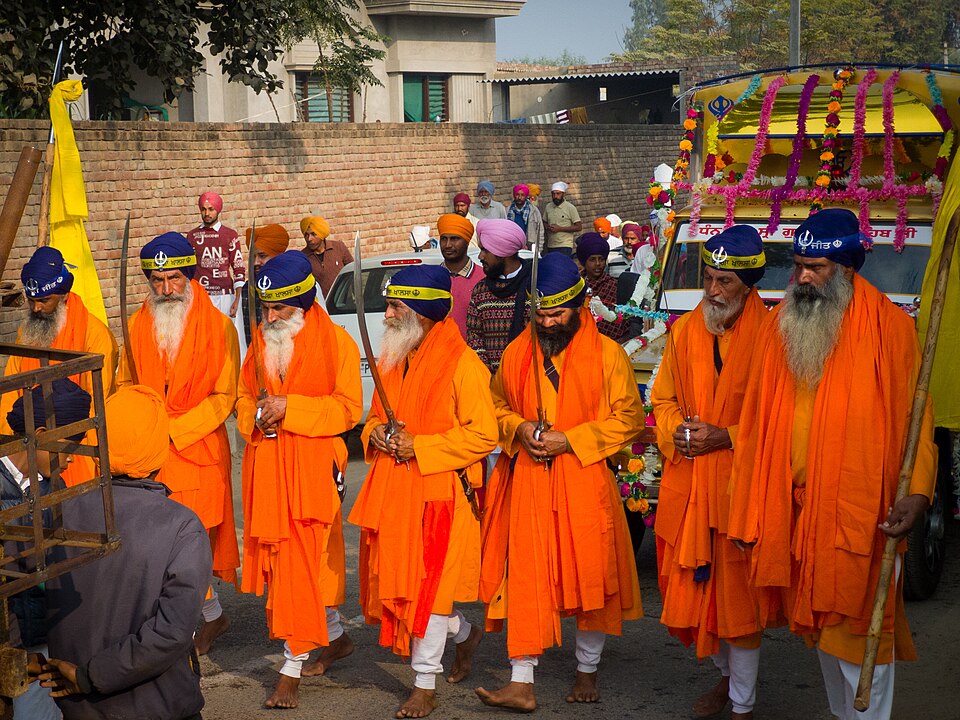
Historically, these processions have served as more than just religious rites; they are cultural anchors that define the rhythm of communal life. Whether it is the Ratha Yatra of Lord Jagannath, which draws millions to the streets of Puri, or the local processions during Ganesh Chaturthi or Diwali, these events transform the mundane streets into a sacred landscape. The movement of the deity through the town signifies the presence of divinity in every corner of the world, breaking the barriers between the sacred space of the temple and the secular space of the street.
To a newcomer, a Nagar Kirtan or Shobha Yatra might appear as a mere parade, but to the practitioner, it is a moving temple. Every step taken by the procession, every beat of the mridangam, and every chant of a mantra is intended to invoke a state of collective consciousness. It is an act of 'Sadhana' (spiritual practice) performed in public, intended to cleanse the environment of negative energies and to foster a sense of 'Vasudhaiva Kutumbakam'—the idea that the whole world is one family under the gaze of the Divine.
Significance
From a symbolic perspective, the deity being carried on a chariot (Ratha) or a palanquin (Palki) represents the soul's journey through the cycle of Samsara (birth and death). The chariot is the body, the horses are the senses, and the deity is the Atman (the Soul) or the Paramatman (the Supreme Soul) guiding the journey. By witnessing the procession (Darshan), the devotee receives the grace of the deity without having to enter the temple, a concept known as 'Utsava Murti'—the deity that comes out for festivals to bless those who cannot attend traditional worship.
Socially, these processions serve as powerful tools for community cohesion. They dissolve hierarchies by bringing people of all backgrounds together in a shared rhythmic experience. In a world often divided by boundaries, the Shobha Yatra creates a temporary 'sacred geography' where everyone is equal before the Divine. It fosters a sense of shared identity and cultural continuity, passing traditions from one generation to the next through sight, sound, and participation.
Furthermore, there is an astrological and energetic dimension to these events. Many processions are timed with specific lunar phases or planetary alignments to maximize their auspiciousness. The grand scale of a Shobha Yatra is intended to evoke 'Adbhuta Rasa' (the emotion of wonder), which helps to lift the practitioner out of mundane preoccupations and into a state of divine awe. The presence of the deity in the streets is believed to sanctify the land, protect the community from calamities, and bring prosperity and peace to the region.
When to Celebrate
Find your exact auspicious time Check the shubh muhurat and choghadiya for your city and date.
What You'll Need
How to Prepare
- 1Seek permission from the temple authorities or local community elders.
- 2Secure a route that is safe for both participants and the general public.
- 3Coordinate with local authorities for security and traffic management.
- 4Clean and decorate the deity's chariot or palanquin with fresh flowers and colorful cloth.
- 5Organize a group of dedicated musicians and singers well in advance.
- 6Prepare large quantities of Prasadam to be distributed to the crowds.
- 7Ensure the deity is bathed (Abhishekam) and dressed in new, sacred garments (Vastra) before the procession begins.
How to Celebrate
- 1Shuddhi (Purification): The procession route and the participants should ideally undergo symbolic purification through sprinkling of holy water (Ganga Jal).
- 2Alankara (Decoration): The deity is elaborately adorned with jewelry, sandalwood paste (Chandan), and flower garlands.
- 3Prana Pratishtha/Invocation: A brief ritual is performed to invite the divine energy into the Utsava Murti for the duration of the journey.
- 4Aahvan (The Start): The procession begins with the blowing of the Shankha (conch shell) to signal the arrival of the Divine.
- 5Sankirtan (The Chanting): As the procession moves, continuous chanting of mantras, bhajans, and kirtans is maintained to keep the spiritual energy high.
- 6Darshan (Public Viewing): The deity is paused at key points to allow the crowds to offer prayers and receive blessings.
- 7Aarti (The Light Ceremony): At significant intervals or at the end of the journey, a grand Aarti is performed with lamps and camphor.
- 8Prasadam Vitran (Distribution): The consecrated food is distributed to all participants and onlookers.
- 9Samanvaya (Conclusion): The deity is safely returned to the sanctum sanctorum, followed by a closing prayer and Shanti Path (prayer for peace).
Mantras
The Maha Mantra
हरे कृष्ण हरे कृष्ण कृष्ण कृष्ण हरे हरे। हरे राम हरे राम राम राम हरे हरे॥
Hare Krishna Hare Krishna Krishna Krishna Hare Hare | Hare Rama Hare Rama Rama Rama Hare Hare ||
Meaning: O Lord, O Energy of the Lord, please engage me in Your divine service.
Shanti Mantra (Peace Invocation)
ॐ असतो मा सद्गमय। तमसो मा ज्योतिर्गमय। मृत्योर्मा अमृतं गमय। ॐ शान्तिः शान्तिः शान्तिः॥
Om Asato Ma Sadgamaya | Tamaso Ma Jyotirgamaya | Mrityor Ma Amritam Gamaya | Om Shanti Shanti Shantihi ||
Meaning: Lead me from the unreal to the real. Lead me from darkness to light. Lead me from death to immortality. Om Peace, Peace, Peace.
Observance Rules
- •Maintain mental purity and focus on the deity throughout the procession.
- •Observe fasts (Upvas) if prescribed for the specific festival being celebrated.
- •Engage in celibacy (Brahmacharya) during the festival period for heightened spiritual potency.
- •Avoid harsh speech or conflicts during the public gathering.
Do's
- ✓Sing with full devotion (Bhava) rather than just focusing on musical perfection.
- ✓Maintain cleanliness of the procession route.
- ✓Share Prasadam generously with everyone present.
- ✓Respect the sanctity of the deity's movements.
Don'ts
- ✗Do not engage in loud, disruptive, or secular shouting that distracts from the Kirtan.
- ✗Do not litter the streets with plastic or non-biodegradable materials.
- ✗Do not block essential services (ambulances, emergency exits) during the procession.
- ✗Do not treat the ritual as a mere spectacle or performance.
Common Mistakes to Avoid
- •Treating the procession as a political rally or a social competition.
- •Neglecting the spiritual preparation (Sadhana) of the musicians and singers.
- •Focusing more on the grandeur of the decoration than the devotion of the heart.
- •Forgetting to seek permission from local authorities, leading to chaos.
Regional Variations
- •South India: Often features classical Carnatic music, temple elephants, and highly structured Vedic chanting.
- •West Bengal: Characterized by intense 'Dhuni' dance and the rhythmic beating of the Dhak during Durga Puja.
- •Maharashtra: The Wari pilgrimage and Pandharpur procession involve massive crowds walking for days singing Abhangas.
- •North India: Often features loud, energetic Nagada drumming, brass bands, and large-scale colorful floats (Raths).
Frequently Asked Questions
What is the difference between Nagar Kirtan and Shobha Yatra?▾
Can anyone participate in a Nagar Kirtan?▾
Why is the deity taken out of the temple?▾
Popular Tools
References & Traditional Notes
- •The practice of Sankirtan is central to the Gaudiya Vaishnava Sampradaya.
- •The concept of Ratha Yatra is most famously associated with the Jagannath culture of Odisha.
- •Always follow the specific instructions of your local temple's Acharya or Priest.
Related Audio & Bhajans
Aarti Kunj Bihari Ki - Krishna Aarti
Nagar Nandji Na Laal
Affiliate disclosure: Sanatan Hindu participates in the Amazon Associates Programme and the CueLinks affiliate network (Myntra & Flipkart). This page contains affiliate links, if you click and buy, we earn a small commission at no extra cost to you. As an Amazon Associate we earn from qualifying purchases. Full disclosure.
Shop Samagri on Amazon.in
Clicking opens Amazon.in. Prices and availability may vary.
Browse all pooja itemsAmazon Associates tag: geekydevelope-21
Shop Pooja & Festive Essentials on Flipkart
Clicking opens Flipkart via our affiliate link. Prices and availability may vary.
Shop on FlipkartCueLinks Publisher: 300371
Shop Festive Wear on Myntra
Clicking opens Myntra via our affiliate link. Prices and availability may vary.
CueLinks Publisher: 300371
Need a website? Describe it, and AI builds it.
Perfect for a temple, pooja service, astrology practice or small shop. Tell the AI what you want — or drag and drop the classic way — and go live on your own web address in minutes with Sitova. Hosting, SEO, forms and analytics are all included.
- Build with AI or drag & drop
- Your domain + SEO built in
- Free forever plan
Opens sitova.site