
Nageshwar Jyotirlinga — History, Legend and Darshan Guide
Explore the sacred history, divine legends, and complete darshan guide for Nageshwar Jyotirlinga, the powerful Lord of Serpents.
Affiliate disclosure: Sanatan Hindu participates in the Amazon Associates Programme and the CueLinks affiliate network (Myntra & Flipkart). This page contains affiliate links, if you click and buy, we earn a small commission at no extra cost to you. As an Amazon Associate we earn from qualifying purchases. Full disclosure.
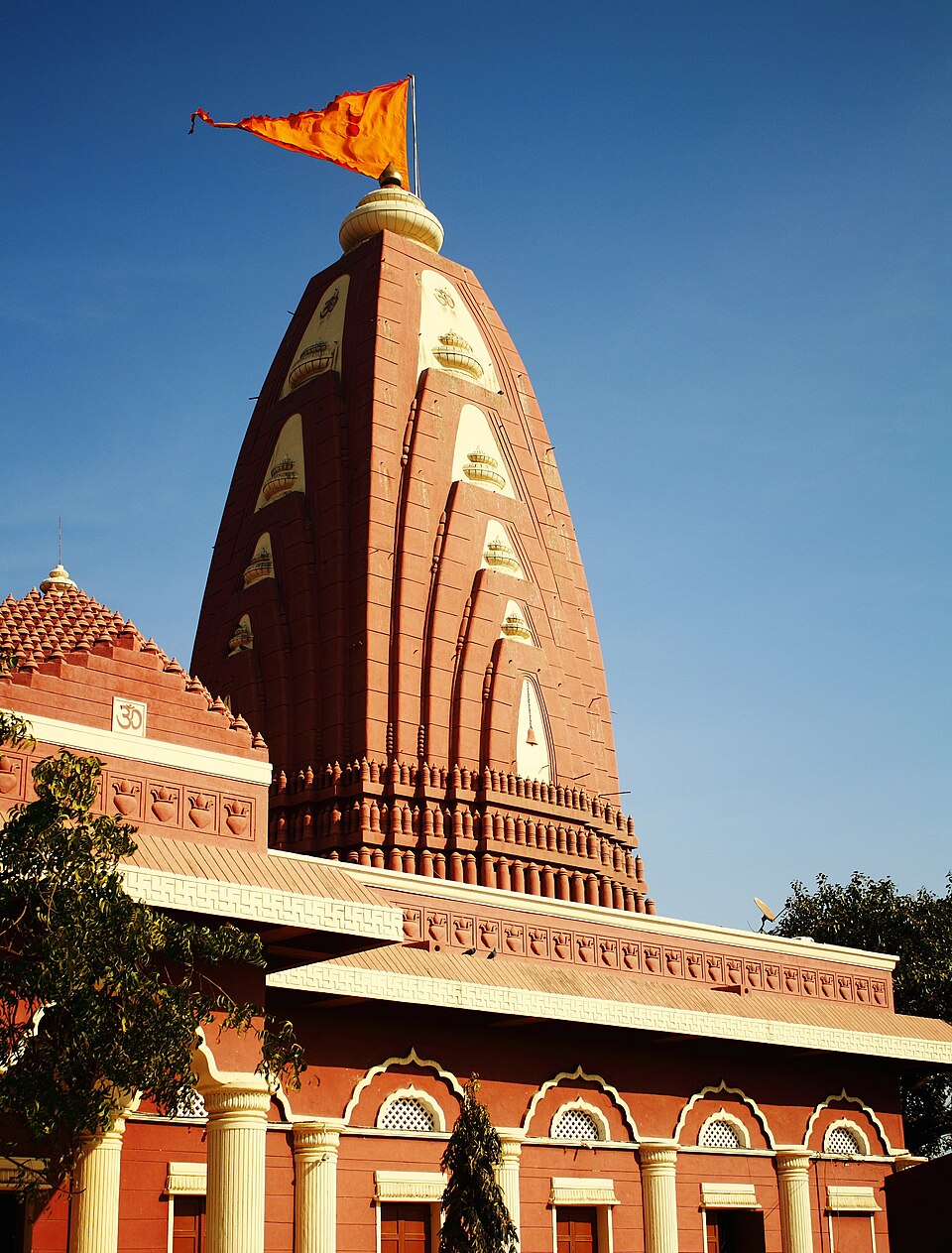
Introduction
The pilgrimage to Nageshwar is often integrated into the larger Dwarka Yatra, making it a vital destination for devotees traversing the Saurashtra coast. The shrine is not merely a physical structure but a spiritual portal where the devotee seeks to dissolve the ego and seek protection from the 'poison' of worldly attachments and mental disturbances. Whether you are a lifelong devotee or a first-time pilgrim, understanding the sanctity of this site is essential for a meaningful experience.
Significance
Auspicious Time
Find your exact auspicious time Check the shubh muhurat and choghadiya for your city and date.
Required Samagri (Materials)
Preparation Steps
- 1Perform Snana (purifying bath) before approaching the temple complex.
- 2Don clean, traditional attire; white or light colors are often preferred for Shiva worship.
- 3Practice Manasik Shuddhi (mental purification) through silent meditation or chanting 'Om Namah Shivaya' while traveling.
- 4Ensure you have collected fresh Bel Patra, as they are central to Shiva worship.
Steps
- 1Perform Pradakshina (circumambulation) around the temple sanctum to honor the divine energy.
- 2If the tradition and temple rules permit, perform Abhishekam by pouring Panchamrit and water over the Jyotirlinga.
- 3Apply Chandan (sandalwood paste) to the Lingam with devotion.
- 4Offer Bilva Patra (Bel leaves) carefully, ensuring the smooth side touches the Lingam.
- 5Light a Diya (lamp) and incense to signify the removal of darkness and ignorance.
- 6Recite the Maha Mrityunjaya Mantra to invoke protection and health.
- 7Offer Naivedya (food offering) and receive the Prasad from the priest.
Mantras
Maha Mrityunjaya Mantra
ॐ त्र्यम्बकं यजामहे सुगन्धिं पुष्टिवर्धनम्। उर्वारुकमिव बन्धनान्मृत्योर्मुक्षीय मामृतात्॥
Om Tryambakam Yajamahe Sugandhim Pushti-Vardhanam | Urvarukamiva Bandhanan Mrityor Mukshiya Maamritat ||
Meaning: We worship the three-eyed one (Lord Shiva) who is fragrant and nourishes all beings. May He liberate us from death, just as a ripe cucumber is effortlessly severed from the vine, and lead us to immortality.
Panchakshara Mantra
ॐ नमः शिवाय
Om Namah Shivaya
Meaning: I bow to Lord Shiva.
Guidelines
- •Observe a vegetarian diet (Sattvic food) on the day of worship.
- •Practice Brahmacharya (celibacy) during the period of the Vrat.
- •Avoid the consumption of intoxicants like alcohol or tobacco.
- •Limit speech to necessary and truthful words to maintain spiritual vibration.
Do's
Don'ts
- ✗Do not enter the temple premises while under the influence of intoxicants.
- ✗Avoid loud or disruptive behavior that disturbs other devotees.
- ✗Do not touch the deity or the sacred vessels without permission or proper purification.
- ✗Avoid non-vegetarian food within the vicinity of the holy site.
Common Mistakes to Avoid
- •Performing the ritual mechanically without internalizing the meaning (lacking Bhakti).
- •Rushing through the darshan without taking a moment for silent prayer.
- •Neglecting the importance of mental purity while focusing only on external Samagri.
Regional Variations
- •While the Dwarka Nageshwar is widely recognized, some local traditions and lineages may emphasize different specific rituals for serpent protection.
- •In some family traditions (Sampradayas), the order of offerings may vary based on the specific Guru lineage followed.
Frequently Asked Questions
Where exactly is Nageshwar Jyotirlinga located?▾
Why is Nageshwar called the 'Lord of Snakes'?▾
Can I visit Nageshwar Jyotirlinga during any time of the year?▾
Popular Tools
References & Traditional Notes
- •The legends of Nageshwar are found in various Puranic texts, particularly the Shiva Purana.
- •Note: Traditional practices may vary between different Sampradayas; always observe the local temple guidelines.
Related Audio & Bhajans
Darshan
Introduction
Allahabad Prayagraj Triveni Sangam Kumbh Lord Shiva, Lord Krishna, Goddess Saraswati pilgrimage
Shiv Maha Mrityunjaya Mantra 1,2
Affiliate disclosure: Sanatan Hindu participates in the Amazon Associates Programme and the CueLinks affiliate network (Myntra & Flipkart). This page contains affiliate links, if you click and buy, we earn a small commission at no extra cost to you. As an Amazon Associate we earn from qualifying purchases. Full disclosure.
Shop Samagri on Amazon.in
Clicking opens Amazon.in. Prices and availability may vary.
Browse all pooja itemsAmazon Associates tag: geekydevelope-21
Shop Pooja & Festive Essentials on Flipkart
Clicking opens Flipkart via our affiliate link. Prices and availability may vary.
Shop on FlipkartCueLinks Publisher: 300371
Shop Festive Wear on Myntra
Clicking opens Myntra via our affiliate link. Prices and availability may vary.
CueLinks Publisher: 300371