Yatras & PilgrimagesVishnuPitru Paksha

Pitru Gaya Pilgrimage — Pind Daan and Tarpan Yatra Guide

A comprehensive guide to Gaya Pitru Paksha, Pind Daan rituals, and the spiritual significance of performing Tarpan for ancestral liberation in Gaya Ji.

By Sanatan Hindu5 min readUpdated 17 August 2026Audio available
Share:

Affiliate disclosure: Sanatan Hindu participates in the Amazon Associates Programme and the CueLinks affiliate network (Myntra & Flipkart). This page contains affiliate links, if you click and buy, we earn a small commission at no extra cost to you. As an Amazon Associate we earn from qualifying purchases. Full disclosure.
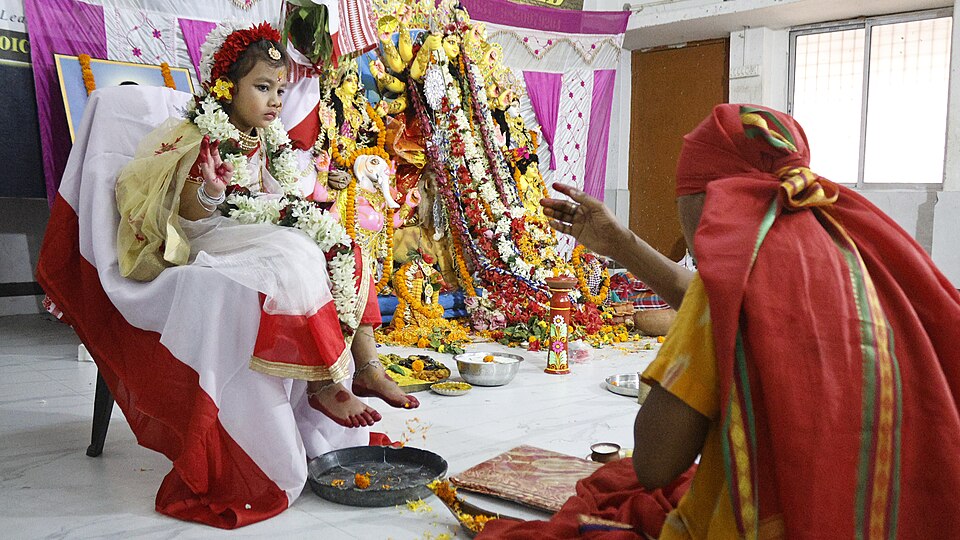
Pitru Gaya Pilgrimage — Pind Daan and Tarpan Yatra Guide

Next Pitru Paksha Begins

Sunday, 27 September 2026· in 40 days

Set a reminder so you never miss Pitru Paksha Begins.

Introduction

The pilgrimage to Gaya, situated on the banks of the holy Phalgu River in Bihar, represents one of the most sacred spiritual journeys in the Hindu dharma. Known as 'Gaya-kshetra,' this land is considered the ultimate destination for performing Pind Daan, a ritualistic offering to one's ancestors (Pitrus). According to the Puranas, particularly the Garuda Purana, the act of performing Shraddha in Gaya is unparalleled in its ability to grant Moksha (liberation) to the departed souls. It is not merely a ritual of remembrance but a profound cosmic necessity to ensure that the souls of our forefathers transition from the realm of the Pitru-loka to the higher realms of the ancestors or achieve ultimate union with the Divine.
The mythological origins of Gaya are deeply intertwined with the legend of Gayasura, a great devotee of Lord Vishnu. It is said that Gayasura performed such intense penance that his body became a source of immense spiritual merit. To prevent the entire universe from being drawn into his body due to his sanctity, Lord Vishnu and other deities requested him to lie down in a specific position. Gayasura agreed, on the condition that anyone performing rituals on his body would ensure the salvation of their ancestors. Thus, the very ground of Gaya is considered to be the sanctified form of the demon-turned-saint, making every grain of sand there potent for spiritual cleansing.
Culturally, the Gaya Yatra is a bridge between the living and the dead. It acknowledges the continuous lineage (Vansha) that sustains a human being. In the Hindu worldview, our existence is a culmination of the karma and blessings of those who came before us. When a person travels to Gaya, they are participating in a sacred duty (Dharma) to repay the 'Rina' or debt owed to their ancestors. This pilgrimage is often undertaken during the Pitru Paksha (the fortnight of the ancestors), a period when the veil between the physical and spiritual worlds is believed to be thin, allowing for more direct communication through offerings.
For a newcomer, understanding Gaya requires grasping the concept of 'Shraddha'—which stems from the word 'Shraddha' (faith/devotion). It is an act performed with absolute faith that the essence of the offering reaches the subtle bodies of the departed. The pilgrimage involves complex rituals, the guidance of learned Brahmins, and a deep sense of humility. It is a journey of introspection, where one reflects on their roots, their lineage, and their place in the grand cycle of Samsara, seeking to provide peace to those who have paved the way for their current life.

Significance

The significance of the Gaya pilgrimage is multi-dimensional, encompassing spiritual, psychological, and cosmological layers. Spiritually, the primary objective is 'Pitru-Rina' (ancestral debt) satisfaction. Hindu scriptures suggest that unless the souls of ancestors are pacified through Pind Daan and Tarpan, they may remain in a state of unrest (Preta-avastha), potentially causing obstacles in the lineage's prosperity and well-being. By performing these rites in Gaya, the practitioner seeks to facilitate the soul's journey through the various stages of afterlife, moving them from the hungry, wandering state of a ghost to the peaceful state of a Pitru.
From a scriptural perspective, the Garuda Purana emphasizes that the merit (Punya) earned at Gaya is equivalent to performing countless other rituals elsewhere. It is believed that the Phalgu River, though often appearing dry on the surface, possesses a hidden current that carries the essence of the offerings directly to the ancestors. The ritual of Pind Daan—offering balls made of rice, sesame, and ghee—symbolizes the offering of a physical body to the soul, helping it reconstruct its subtle form for the next stage of existence.
Astrologically and karmically, many believe that unresolved ancestral karma can manifest as 'Pitru Dosha' in a person's horoscope, leading to delays in marriage, health issues, or financial instability. The Gaya Yatra is considered a remedial measure to mitigate these planetary afflictions. By honoring the ancestors, one aligns themselves with the cosmic order (Rta), ensuring that the flow of energy from the past to the future is unobstructed and blessed.
Psychologically, the pilgrimage serves as a profound act of closure and continuity. It allows descendants to express gratitude for the life they have received and to find emotional peace regarding the loss of loved ones. It reinforces the concept of the 'Vansha' (lineage), reminding the individual that they are not an isolated entity but a link in a long, sacred chain of existence. This realization fosters a sense of humility, responsibility, and interconnectedness with the cosmos.

Auspicious Time

The most auspicious time is during Pitru Paksha (the 15-day lunar period in the month of Ashwin). However, Pind Daan can be performed throughout the year, especially on Amavasya (New Moon days) or during specific holy months like Magha.

Find your exact auspicious time Check the shubh muhurat and choghadiya for your city and date.

Required Samagri (Materials)

Pind (balls made of cooked rice or barley flour)
Black Sesame seeds (Kala Til)
Ghee (clarified butter)
Milk (unboiled)
Honey
Flowers (especially white flowers)
Sandalwood paste (Chandan)
Tulsi leaves
Fruits (seasonal)
Water from the Phalgu River or holy Ganges water
Betel leaves and nuts (Paan-Supari)
Incense sticks (Agarbatti)
A copper vessel (Lota)
A clean cloth (typically white)

Preparation Steps

  1. 1Consult with a family priest or a learned Pandit in Gaya to understand specific lineage requirements.
  2. 2Gather detailed information about the deceased ancestors (Names, Gotra, and relationship).
  3. 3Perform a preliminary cleansing (Snana) and mental purification.
  4. 4Arrange for travel and accommodation in Gaya, ideally near the Vishnupad Temple area.
  5. 5Ensure all Samagri (materials) are pure and sourced with devotion.
  6. 6Inform family members to seek their blessings before embarking on the Yatra.

Steps

  1. 1Arrival at Gaya: Reach the Phalgu River and perform a ritualistic bath or sprinkle holy water.
  2. 2Sankalpa: Take a formal vow (Sankalpa) stating your name, Gotra, and the intention to perform Pind Daan for your specific ancestors.
  3. 3Tarpan: Offer water mixed with black sesame and milk to the ancestors while chanting specific mantras, signifying the quenching of their thirst.
  4. 4Pind Daan: Prepare the Pind (balls of rice/barley). Offer these to the deity/ancestors at the Vishnupad Temple or the designated Ghats, accompanied by prayers.
  5. 5Shraddha Ritual: Perform the detailed Shraddha ceremony as directed by the Pandit, which includes offerings of food, flowers, and sesame.
  6. 6Brahman Bhojan: Feed Brahmins with great respect, as they are considered representatives of the divine. This is a crucial part of the merit-earning process.
  7. 7Dana (Donation): Donate items like clothes, food, or money to the needy or the temple as an act of selfless service on behalf of the ancestors.
  8. 8Aarti and Final Prayers: Conclude the ritual with a prayer for the peace and liberation of the souls and the well-being of the living family.

Mantras

Pitru Tarpan Mantra

ॐ पितृभ्य: स्वधा नम:। ॐ पितृभ्य: स्वाहा।

Om Pitrubhyah Swadha Namah | Om Pitrubhyah Swaha

Meaning: Salutations to the ancestors through the sacred offering of Swadha. I offer this to the ancestors.

Gayatri Mantra for Ancestors

ॐ भूर्भुवः स्वः तत्सवितुर्वरेण्यं भर्गो देवस्य धीमहि धियो यो नः प्रचोदयात्। पितृदेवताभ्यो नमः॥

Om Bhur Bhuvah Svah Tat Savitur Varenyam Bhargo Devasya Dhimahi Dhiyo Yo Nah Prachodayat | Pitru Devatabhyo Namah ||

Meaning: We meditate on the glory of the Creator; may He illumine our minds. Salutations to the Divine Ancestors.

Guidelines

  • Maintain strict celibacy (Brahmacharya) during the pilgrimage.
  • Observe a simple, Sattvic diet (no onion, garlic, or non-vegetarian food).
  • Follow the lunar calendar dictates for the specific days of Pitru Paksha.
  • Maintain mental purity and avoid anger or harsh speech.

Do's

  • Do perform the rituals with complete Shraddha (faith).
  • Do offer food to the needy and animals (cows, crows, dogs) after the ritual.
  • Do follow the guidance of an experienced Pandit experienced in Gaya traditions.
  • Do use black sesame seeds as they are considered highly sacred for Pitru rites.

Don'ts

  • Do not perform the ritual with a distracted or disrespectful mind.
  • Do not use impure or stale materials for the Pind.
  • Do not engage in heated arguments or impure activities during the Yatra.
  • Do not skip the Brahman Bhojan or the act of Dana.

Common Mistakes to Avoid

  • Performing rituals without knowing the correct Gotra and lineage details.
  • Using incorrect or impure Samagri.
  • Focusing only on the ritualistic mechanics rather than the spiritual intent.
  • Performing the ceremony in a rushed or commercialized manner without devotion.

Regional Variations

  • South Indian traditions often emphasize specific Tarpan rituals involving different types of grains.
  • Bengali traditions focus heavily on the Pitru Paksha period with specific 'Tarpan' at river banks.
  • Some Brahmin lineages follow specific 'Veda' based variations in mantra chanting.

Frequently Asked Questions

Can anyone perform Pind Daan in Gaya?
Yes, any Hindu descendant seeking to honor their ancestors can perform it, though it is traditionally guided by one's lineage and Gotra.
Why is the Phalgu River important?
It is believed the Phalgu River is a witness to the rites and its waters carry the offerings to the Pitru-loka.
What if I don't know my ancestors' names?
Pandits can assist in performing rituals using general prayers to all ancestors (Sarva Pitru) if specific details are unavailable.

References & Traditional Notes

  • Refer to the Garuda Purana for detailed descriptions of the afterlife and the efficacy of Gaya.
  • Local traditions in Gaya suggest that the Vishnupad Temple is the most powerful site for these rites.
  • Customs regarding the types of food offered may vary based on whether the ancestor was a male or female.

Related Audio & Bhajans

Sanatan Hindu Ekta Padyatra Song

otherchaman bihari ji maharaj
View Lyrics

sanatan hindu padyatra

otherYouTube
Open on YouTube →
Lyrics

Pitru Sukta

aartiPriests Of Kashi
View Lyrics

Pitru Aarti Understanding its Performing

aartiYouTube
Open on YouTube →
Lyrics

Rathyatra

otherChandreyee
View Lyrics

Rath Yatra Special 2023 রথযাত্রা স্পেশাল ননস্টপ Odia Jagannath Bhajan SB Popular Music( MP 3 160 K)

other
View Lyrics

Rath Yatra

otherYouTube
Open on YouTube →
Lyrics

Puri Jagannath Ratha Yatra

otherYouTube
Open on YouTube →
Lyrics

Story Prahlad Holika Symbol Victory Lord Vishnu story|mythology|festival

otherYouTube
Open on YouTube →
Lyrics

Gajendra Moksha Stotram (Lord Vishnu Mantra)

otherHindu Pandit
View Lyrics

Affiliate disclosure: Sanatan Hindu participates in the Amazon Associates Programme and the CueLinks affiliate network (Myntra & Flipkart). This page contains affiliate links, if you click and buy, we earn a small commission at no extra cost to you. As an Amazon Associate we earn from qualifying purchases. Full disclosure.

Amazon Associates tag: geekydevelope-21

Shop Pooja & Festive Essentials on Flipkart

Clicking opens Flipkart via our affiliate link. Prices and availability may vary.

Shop on Flipkart

CueLinks Publisher: 300371

Shop Festive Wear on Myntra

Clicking opens Myntra via our affiliate link. Prices and availability may vary.

CueLinks Publisher: 300371

Share:

Get the daily panchang & festival updates

Join our free newsletter, no spam, unsubscribe anytime.