Affiliate disclosure: Sanatan Hindu participates in the Amazon Associates Programme and the CueLinks affiliate network (Myntra & Flipkart). This page contains affiliate links, if you click and buy, we earn a small commission at no extra cost to you. As an Amazon Associate we earn from qualifying purchases. Full disclosure.
Introduction
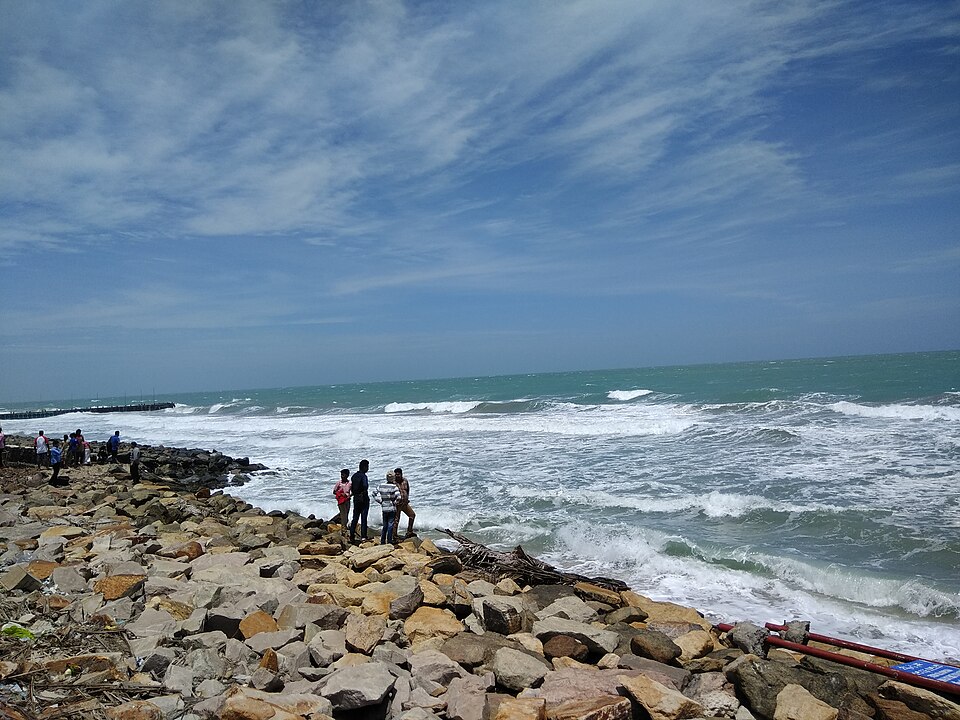
The sacred town of Rameswaram, situated on the Pamban Island in the state of Tamil Nadu, India, is a significant pilgrimage site for Hindus. It is here that Lord Rama, the seventh avatar of Lord Vishnu, is said to have worshipped Lord Shiva, seeking forgiveness for the sin of killing Ravana, a Brahmin. The Ramanathaswamy Temple, a magnificent example of Dravidian architecture, is the main attraction of this town and is one of the twelve Jyotirlingas in India. The temple is dedicated to Lord Shiva, who is worshipped in the form of a lingam, known as the Ramanathaswamy lingam. According to the Hindu epic, the Ramayana, Lord Rama, along with his wife Sita and brother Lakshmana, built a bridge, known as the Ram Setu or Adam's Bridge, to cross the sea and reach Lanka, where Ravana had taken Sita. The bridge, which is now submerged in the sea, is believed to have been constructed with the help of the Vanaras, or monkeys, who were Lord Rama's loyal devotees. The journey from Rameswaram to Dhanushkodi, a small coastal town located at the southern tip of the Pamban Island, is a significant part of the Ramayana circuit and is considered a sacred pilgrimage by many Hindus. The 32-kilometer stretch of road that connects Rameswaram to Dhanushkodi is lined with several sacred sites, including the Kothandaramaswamy Temple, which is dedicated to Lord Rama and is believed to be the place where he met Vibhishana, Ravana's brother, who defected to Lord Rama's side. The town of Dhanushkodi itself is said to be the place where Lord Rama and his army camped before crossing the sea to reach Lanka. The town is also home to the Ram Setu, which is now a series of underwater reefs and sandbanks that stretch from the coast of India to Sri Lanka. The significance of the Ram Setu lies not only in its historical and mythological importance but also in its cultural and spiritual significance. For many Hindus, the Ram Setu is a symbol of Lord Rama's victory over evil and his unwavering devotion to his wife, Sita. It is also a reminder of the power of faith and the importance of perseverance in the face of adversity. The journey from Rameswaram to Dhanushkodi is not just a physical journey but also a spiritual one, as it allows pilgrims to connect with the divine and experience the beauty and majesty of nature. The scenic route, which passes through the Pamban Bridge, offers breathtaking views of the sea and the surrounding landscape, making it a popular tourist destination as well. In recent years, the town of Dhanushkodi has gained popularity as a tourist destination, with many visitors drawn to its beautiful beaches, scenic views, and historic significance. However, for many Hindus, the town remains a sacred pilgrimage site, a place where they can connect with their faith and experience the divine. The Ramanathaswamy Temple, the Kothandaramaswamy Temple, and the Ram Setu are all significant pilgrimage sites that attract thousands of devotees every year. The town of Dhanushkodi is also home to several other sacred sites, including the Lakshmana Tirtham, a sacred well that is believed to have been built by Lord Rama's brother, Lakshmana. The well is said to have healing properties and is a popular destination for pilgrims. The journey from Rameswaram to Dhanushkodi is a significant part of the Ramayana circuit and is considered a sacred pilgrimage by many Hindus. The scenic route, which passes through the Pamban Bridge, offers breathtaking views of the sea and the surrounding landscape, making it a popular tourist destination as well. For many Hindus, the journey is a once-in-a-lifetime experience, a chance to connect with their faith and experience the beauty and majesty of nature. The Ramanathaswamy Temple, the Kothandaramaswamy Temple, and the Ram Setu are all significant pilgrimage sites that attract thousands of devotees every year. The town of Dhanushkodi is also home to several other sacred sites, including the Lakshmana Tirtham, a sacred well that is believed to have been built by Lord Rama's brother, Lakshmana. The well is said to have healing properties and is a popular destination for pilgrims. The significance of the Ram Setu lies not only in its historical and mythological importance but also in its cultural and spiritual significance. For many Hindus, the Ram Setu is a symbol of Lord Rama's victory over evil and his unwavering devotion to his wife, Sita. It is also a reminder of the power of faith and the importance of perseverance in the face of adversity. The journey from Rameswaram to Dhanushkodi is not just a physical journey but also a spiritual one, as it allows pilgrims to connect with the divine and experience the beauty and majesty of nature.
Significance
The significance of the journey from Rameswaram to Dhanushkodi lies in its historical, mythological, cultural, and spiritual importance. The Ram Setu, which is now a series of underwater reefs and sandbanks, is a symbol of Lord Rama's victory over evil and his unwavering devotion to his wife, Sita. The Ramanathaswamy Temple, the Kothandaramaswamy Temple, and the Lakshmana Tirtham are all significant pilgrimage sites that attract thousands of devotees every year. The journey is a once-in-a-lifetime experience, a chance to connect with one's faith and experience the beauty and majesty of nature. The scenic route, which passes through the Pamban Bridge, offers breathtaking views of the sea and the surrounding landscape, making it a popular tourist destination as well. The Ram Setu is also a reminder of the power of faith and the importance of perseverance in the face of adversity. For many Hindus, the journey is a way to experience the divine and connect with their spiritual heritage. The Ramayana, which is one of the most sacred texts of Hinduism, is a story of love, duty, and devotion, and the journey from Rameswaram to Dhanushkodi is a way to relive this epic tale. The journey is also a way to experience the cultural and spiritual significance of the Ram Setu, which is a symbol of Lord Rama's victory over evil and his unwavering devotion to his wife, Sita. The Ramanathaswamy Temple, the Kothandaramaswamy Temple, and the Lakshmana Tirtham are all significant pilgrimage sites that attract thousands of devotees every year. The town of Dhanushkodi is also home to several other sacred sites, including the Ram Setu, which is now a series of underwater reefs and sandbanks. The journey from Rameswaram to Dhanushkodi is a significant part of the Ramayana circuit and is considered a sacred pilgrimage by many Hindus. The scenic route, which passes through the Pamban Bridge, offers breathtaking views of the sea and the surrounding landscape, making it a popular tourist destination as well. For many Hindus, the journey is a way to experience the divine and connect with their spiritual heritage. The Ramayana, which is one of the most sacred texts of Hinduism, is a story of love, duty, and devotion, and the journey from Rameswaram to Dhanushkodi is a way to relive this epic tale. The journey is also a way to experience the cultural and spiritual significance of the Ram Setu, which is a symbol of Lord Rama's victory over evil and his unwavering devotion to his wife, Sita. The significance of the Ram Setu lies not only in its historical and mythological importance but also in its cultural and spiritual significance. For many Hindus, the Ram Setu is a symbol of Lord Rama's victory over evil and his unwavering devotion to his wife, Sita. It is also a reminder of the power of faith and the importance of perseverance in the face of adversity. The journey from Rameswaram to Dhanushkodi is not just a physical journey but also a spiritual one, as it allows pilgrims to connect with the divine and experience the beauty and majesty of nature. The Ramanathaswamy Temple, the Kothandaramaswamy Temple, and the Lakshmana Tirtham are all significant pilgrimage sites that attract thousands of devotees every year. The town of Dhanushkodi is also home to several other sacred sites, including the Ram Setu, which is now a series of underwater reefs and sandbanks. The journey from Rameswaram to Dhanushkodi is a significant part of the Ramayana circuit and is considered a sacred pilgrimage by many Hindus. The scenic route, which passes through the Pamban Bridge, offers breathtaking views of the sea and the surrounding landscape, making it a popular tourist destination as well. For many Hindus, the journey is a way to experience the divine and connect with their spiritual heritage. The Ramayana, which is one of the most sacred texts of Hinduism, is a story of love, duty, and devotion, and the journey from Rameswaram to Dhanushkodi is a way to relive this epic tale. The journey is also a way to experience the cultural and spiritual significance of the Ram Setu, which is a symbol of Lord Rama's victory over evil and his unwavering devotion to his wife, Sita. The significance of the Ram Setu lies not only in its historical and mythological importance but also in its cultural and spiritual significance. For many Hindus, the Ram Setu is a symbol of Lord Rama's victory over evil and his unwavering devotion to his wife, Sita. It is also a reminder of the power of faith and the importance of perseverance in the face of adversity. The journey from Rameswaram to Dhanushkodi is not just a physical journey but also a spiritual one, as it allows pilgrims to connect with the divine and experience the beauty and majesty of nature.
Best Time to Perform
The best time to perform the pilgrimage from Rameswaram to Dhanushkodi is during the months of October to March, when the weather is cool and pleasant. The summer months of April to June can be very hot, and the monsoon months of July to September can be rainy and windy. It is also recommended to avoid traveling during the peak tourist season, which is from December to January, as the roads and tourist sites can be very crowded.
Find your exact auspicious time Check the shubh muhurat and choghadiya for your city and date.
Affiliate disclosure: Sanatan Hindu participates in the Amazon Associates Programme and the CueLinks affiliate network (Myntra & Flipkart). This page contains affiliate links, if you click and buy, we earn a small commission at no extra cost to you. As an Amazon Associate we earn from qualifying purchases. Full disclosure.
🛒
Shop Samagri on Amazon.in
Affiliate links, we earn from qualifying purchases
Perfect for a temple, pooja service, astrology practice or small shop. Tell the AI what you want — or drag and drop the classic way — and go live on your own web address in minutes with Sitova. Hosting, SEO, forms and analytics are all included.