Affiliate disclosure: Sanatan Hindu participates in the Amazon Associates Programme and the CueLinks affiliate network (Myntra & Flipkart). This page contains affiliate links, if you click and buy, we earn a small commission at no extra cost to you. As an Amazon Associate we earn from qualifying purchases. Full disclosure.
Introduction
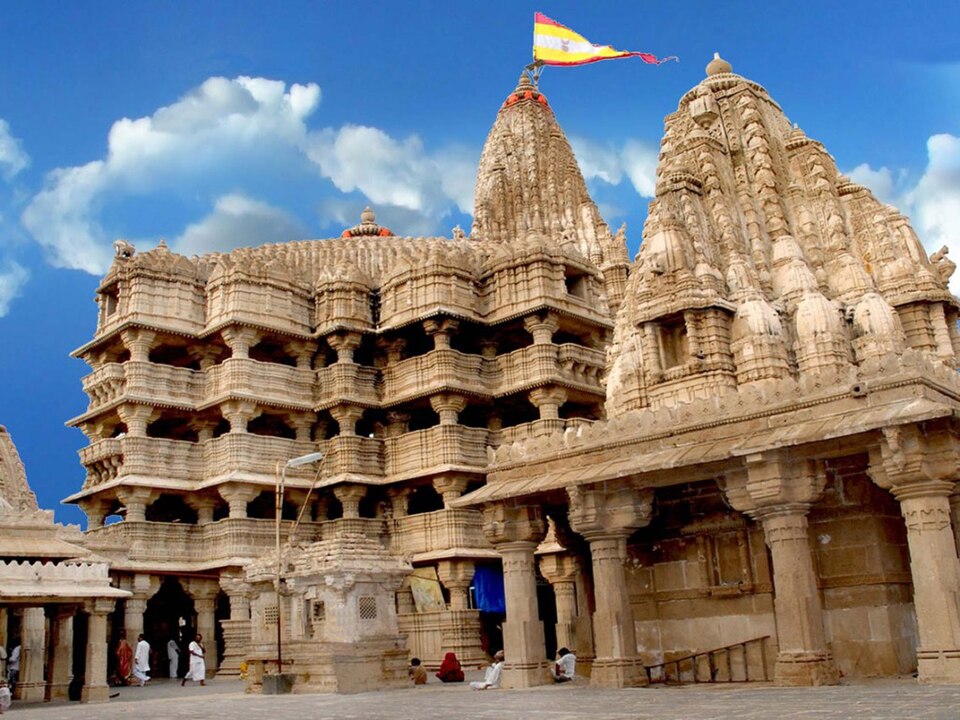
The concept of Sapta Puri, or the seven sacred cities, is deeply rooted in Hindu scriptures and mythology. These cities are considered sacred because they are believed to be the dwelling places of the gods and are associated with the lives and deeds of various deities and saints. The seven cities are Ayodhya, Mathura, Haridwar, Varanasi, Kanchipuram, Ujjain, and Dwarka. Each city has its own unique history, mythology, and spiritual significance, and they are all considered to be sacred pilgrimage sites for Hindus. The idea of Sapta Puri is mentioned in several Hindu scriptures, including the Garuda Purana and the Mahabharata. According to these scriptures, a pilgrimage to these seven cities can bring great spiritual merit and help the pilgrim attain moksha, or liberation from the cycle of birth and death. The city of Ayodhya is considered the birthplace of Lord Rama, one of the most revered deities in Hinduism, and is a major pilgrimage site for devotees of Rama. Mathura is the birthplace of Lord Krishna, another important deity in Hinduism, and is a major center of Krishna devotion. Haridwar is a city located on the banks of the Ganges River and is considered one of the most sacred cities in Hinduism. It is a major pilgrimage site and is home to several important temples and ashrams. Varanasi is another city located on the banks of the Ganges River and is considered one of the oldest continuously inhabited cities in the world. It is a major center of Hindu learning and culture and is home to several important temples and ghats. Kanchipuram is a city located in the state of Tamil Nadu and is considered one of the seven sacred cities in Hinduism. It is a major center of Hindu learning and culture and is home to several important temples and shrines. Ujjain is a city located in the state of Madhya Pradesh and is considered one of the seven sacred cities in Hinduism. It is a major center of Hindu learning and culture and is home to several important temples and shrines. Dwarka is a city located on the western coast of India and is considered one of the seven sacred cities in Hinduism. It is a major pilgrimage site and is home to several important temples and shrines. The concept of Sapta Puri is not just a geographical concept, but also a spiritual one. It represents the idea that certain places on earth are sacred and can help the pilgrim attain spiritual enlightenment and liberation. The seven cities are considered to be the earthly abodes of the gods and are believed to be the places where the divine and the human worlds intersect. A pilgrimage to these cities is considered a way of connecting with the divine and attaining spiritual merit. The history and mythology of the seven cities are deeply intertwined with the history and mythology of Hinduism. Each city has its own unique story and is associated with the lives and deeds of various deities and saints. The city of Ayodhya, for example, is said to have been founded by the god Manu, who is considered the first man in Hindu mythology. The city of Mathura is said to have been founded by the god Krishna, who is considered one of the most important deities in Hinduism. The city of Haridwar is said to have been founded by the god Shiva, who is considered one of the most important deities in Hinduism. The city of Varanasi is said to have been founded by the god Shiva, who is considered one of the most important deities in Hinduism. The city of Kanchipuram is said to have been founded by the god Vishnu, who is considered one of the most important deities in Hinduism. The city of Ujjain is said to have been founded by the god Shiva, who is considered one of the most important deities in Hinduism. The city of Dwarka is said to have been founded by the god Krishna, who is considered one of the most important deities in Hinduism. The spiritual significance of the seven cities is deeply rooted in Hindu mythology and scripture. Each city is associated with a particular deity or group of deities and is considered a sacred place of pilgrimage. The city of Ayodhya, for example, is considered a sacred place of pilgrimage for devotees of Rama, while the city of Mathura is considered a sacred place of pilgrimage for devotees of Krishna. The city of Haridwar is considered a sacred place of pilgrimage for devotees of Shiva, while the city of Varanasi is considered a sacred place of pilgrimage for devotees of Shiva. The city of Kanchipuram is considered a sacred place of pilgrimage for devotees of Vishnu, while the city of Ujjain is considered a sacred place of pilgrimage for devotees of Shiva. The city of Dwarka is considered a sacred place of pilgrimage for devotees of Krishna. In addition to their spiritual significance, the seven cities are also important cultural and historical centers. Each city has its own unique culture and history, and they are all considered to be important centers of Hindu learning and culture. The city of Ayodhya, for example, is home to several important temples and shrines, including the famous Ram Janmabhoomi temple. The city of Mathura is home to several important temples and shrines, including the famous Krishna Janmabhoomi temple. The city of Haridwar is home to several important temples and shrines, including the famous Har Ki Pauri ghat. The city of Varanasi is home to several important temples and shrines, including the famous Kashi Vishwanath temple. The city of Kanchipuram is home to several important temples and shrines, including the famous Kanchi Kailasanathar temple. The city of Ujjain is home to several important temples and shrines, including the famous Mahakaleshwar temple. The city of Dwarka is home to several important temples and shrines, including the famous Dwarkadhish temple. In conclusion, the concept of Sapta Puri is a deeply significant one in Hinduism, representing the idea that certain places on earth are sacred and can help the pilgrim attain spiritual enlightenment and liberation. The seven cities are considered to be the earthly abodes of the gods and are believed to be the places where the divine and the human worlds intersect. A pilgrimage to these cities is considered a way of connecting with the divine and attaining spiritual merit. The history and mythology of the seven cities are deeply intertwined with the history and mythology of Hinduism, and each city has its own unique culture and history. The spiritual significance of the seven cities is deeply rooted in Hindu mythology and scripture, and they are all considered to be important centers of Hindu learning and culture.
Significance
The significance of Sapta Puri can be understood on several levels. On a spiritual level, the seven cities are considered to be sacred places of pilgrimage, where the pilgrim can attain spiritual enlightenment and liberation. Each city is associated with a particular deity or group of deities, and is considered a sacred place of pilgrimage for devotees of that deity. The city of Ayodhya, for example, is considered a sacred place of pilgrimage for devotees of Rama, while the city of Mathura is considered a sacred place of pilgrimage for devotees of Krishna. The city of Haridwar is considered a sacred place of pilgrimage for devotees of Shiva, while the city of Varanasi is considered a sacred place of pilgrimage for devotees of Shiva. The city of Kanchipuram is considered a sacred place of pilgrimage for devotees of Vishnu, while the city of Ujjain is considered a sacred place of pilgrimage for devotees of Shiva. The city of Dwarka is considered a sacred place of pilgrimage for devotees of Krishna. On a cultural level, the seven cities are considered to be important centers of Hindu learning and culture. Each city has its own unique culture and history, and they are all considered to be important centers of Hindu learning and culture. The city of Ayodhya, for example, is home to several important temples and shrines, including the famous Ram Janmabhoomi temple. The city of Mathura is home to several important temples and shrines, including the famous Krishna Janmabhoomi temple. The city of Haridwar is home to several important temples and shrines, including the famous Har Ki Pauri ghat. The city of Varanasi is home to several important temples and shrines, including the famous Kashi Vishwanath temple. The city of Kanchipuram is home to several important temples and shrines, including the famous Kanchi Kailasanathar temple. The city of Ujjain is home to several important temples and shrines, including the famous Mahakaleshwar temple. The city of Dwarka is home to several important temples and shrines, including the famous Dwarkadhish temple. On a historical level, the seven cities are considered to be important centers of Hindu history and culture. Each city has its own unique history, and they are all considered to be important centers of Hindu history and culture. The city of Ayodhya, for example, is said to have been founded by the god Manu, who is considered the first man in Hindu mythology. The city of Mathura is said to have been founded by the god Krishna, who is considered one of the most important deities in Hinduism. The city of Haridwar is said to have been founded by the god Shiva, who is considered one of the most important deities in Hinduism. The city of Varanasi is said to have been founded by the god Shiva, who is considered one of the most important deities in Hinduism. The city of Kanchipuram is said to have been founded by the god Vishnu, who is considered one of the most important deities in Hinduism. The city of Ujjain is said to have been founded by the god Shiva, who is considered one of the most important deities in Hinduism. The city of Dwarka is said to have been founded by the god Krishna, who is considered one of the most important deities in Hinduism. In addition to their spiritual, cultural, and historical significance, the seven cities are also considered to be important centers of Hindu learning and culture. Each city has its own unique culture and history, and they are all considered to be important centers of Hindu learning and culture. The city of Ayodhya, for example, is home to several important temples and shrines, including the famous Ram Janmabhoomi temple. The city of Mathura is home to several important temples and shrines, including the famous Krishna Janmabhoomi temple. The city of Haridwar is home to several important temples and shrines, including the famous Har Ki Pauri ghat. The city of Varanasi is home to several important temples and shrines, including the famous Kashi Vishwanath temple. The city of Kanchipuram is home to several important temples and shrines, including the famous Kanchi Kailasanathar temple. The city of Ujjain is home to several important temples and shrines, including the famous Mahakaleshwar temple. The city of Dwarka is home to several important temples and shrines, including the famous Dwarkadhish temple. The spiritual significance of the seven cities is deeply rooted in Hindu mythology and scripture. Each city is associated with a particular deity or group of deities, and is considered a sacred place of pilgrimage for devotees of that deity. The city of Ayodhya, for example, is considered a sacred place of pilgrimage for devotees of Rama, while the city of Mathura is considered a sacred place of pilgrimage for devotees of Krishna. The city of Haridwar is considered a sacred place of pilgrimage for devotees of Shiva, while the city of Varanasi is considered a sacred place of pilgrimage for devotees of Shiva. The city of Kanchipuram is considered a sacred place of pilgrimage for devotees of Vishnu, while the city of Ujjain is considered a sacred place of pilgrimage for devotees of Shiva. The city of Dwarka is considered a sacred place of pilgrimage for devotees of Krishna. The seven cities are also considered to be important centers of Hindu learning and culture. Each city has its own unique culture and history, and they are all considered to be important centers of Hindu learning and culture. The city of Ayodhya, for example, is home to several important temples and shrines, including the famous Ram Janmabhoomi temple. The city of Mathura is home to several important temples and shrines, including the famous Krishna Janmabhoomi temple. The city of Haridwar is home to several important temples and shrines, including the famous Har Ki Pauri ghat. The city of Varanasi is home to several important temples and shrines, including the famous Kashi Vishwanath temple. The city of Kanchipuram is home to several important temples and shrines, including the famous Kanchi Kailasanathar temple. The city of Ujjain is home to several important temples and shrines, including the famous Mahakaleshwar temple. The city of Dwarka is home to several important temples and shrines, including the famous Dwarkadhish temple. In conclusion, the significance of Sapta Puri can be understood on several levels. On a spiritual level, the seven cities are considered to be sacred places of pilgrimage, where the pilgrim can attain spiritual enlightenment and liberation. On a cultural level, the seven cities are considered to be important centers of Hindu learning and culture. On a historical level, the seven cities are considered to be important centers of Hindu history and culture. The spiritual significance of the seven cities is deeply rooted in Hindu mythology and scripture, and they are all considered to be important centers of Hindu learning and culture.
Best Time to Perform
The best time to visit the seven cities is during the Hindu festivals and pilgrimages, such as the Kumbh Mela, which is held every 12 years in Haridwar, or the Navaratri festival, which is held in several of the cities.
Find your exact auspicious time Check the shubh muhurat and choghadiya for your city and date.
1Purify the body and mind through meditation and prayer
2Take a bath in the holy waters of the Ganges River
3Offer prayers and worship to the deities at the various temples and shrines
Step-by-Step Vidhi
1Step 1: Purify the body and mind through meditation and prayer
2Step 2: Take a bath in the holy waters of the Ganges River
3Step 3: Offer prayers and worship to the deities at the various temples and shrines
Mantras
Om Shri Ram Jai Ram Jai Jai Ram
ॐ श्री राम जय राम जय जय राम
Om Shri Ram Jai Ram Jai Jai Ram
Meaning: Victory to Lord Rama, victory to Lord Rama, victory, victory to Lord Rama
Om Shri Krishna Govinda Hare Murari
ॐ श्री कृष्ण गोविंद हरे मुरारी
Om Shri Krishna Govinda Hare Murari
Meaning: Lord Krishna, the divine cowherd, remover of all obstacles
Om Namah Shivaya
ॐ नमः शिवाय
Om Namah Shivaya
Meaning: Salutations to Lord Shiva
Om Shri Vishnu Narayana
ॐ श्री विष्णु नारायण
Om Shri Vishnu Narayana
Meaning: Salutations to Lord Vishnu, the preserver of the universe
Vrat Rules
•The pilgrim should fast and pray during the journey
•The pilgrim should offer prayers and worship to the deities at the various temples and shrines
Do's
✓Respect the local customs and traditions
✓Offer prayers and worship to the deities at the various temples and shrines
Don'ts
✗Do not litter or pollute the holy cities
✗Do not disrespect the local customs and traditions
Common Mistakes to Avoid
•Not respecting the local customs and traditions
•Not offering prayers and worship to the deities at the various temples and shrines
Regional Variations
•In some regions, the pilgrim is required to wear traditional clothing and follow local customs
•In some regions, the pilgrim is required to perform specific rituals and offer specific prayers
Frequently Asked Questions
What is the significance of Sapta Puri?▾
The significance of Sapta Puri is deeply rooted in Hindu mythology and scripture, and the seven cities are considered to be sacred places of pilgrimage, where the pilgrim can attain spiritual enlightenment and liberation.
What are the best times to visit the seven cities?▾
The best times to visit the seven cities are during the Hindu festivals and pilgrimages, such as the Kumbh Mela, which is held every 12 years in Haridwar, or the Navaratri festival, which is held in several of the cities.
Affiliate disclosure: Sanatan Hindu participates in the Amazon Associates Programme and the CueLinks affiliate network (Myntra & Flipkart). This page contains affiliate links, if you click and buy, we earn a small commission at no extra cost to you. As an Amazon Associate we earn from qualifying purchases. Full disclosure.
🛒
Shop Samagri on Amazon.in
Affiliate links, we earn from qualifying purchases
Perfect for a temple, pooja service, astrology practice or small shop. Tell the AI what you want — or drag and drop the classic way — and go live on your own web address in minutes with Sitova. Hosting, SEO, forms and analytics are all included.