
The Legend of Bhasmasura: The Demon Who Turned to Ash
Explore the profound tale of Bhasmasura, the demon who received a deadly boon from Lord Shiva and the divine intervention of Lord Vishnu's Mohini avatar.
Affiliate disclosure: Sanatan Hindu participates in the Amazon Associates Programme and the CueLinks affiliate network (Myntra & Flipkart). This page contains affiliate links, if you click and buy, we earn a small commission at no extra cost to you. As an Amazon Associate we earn from qualifying purchases. Full disclosure.
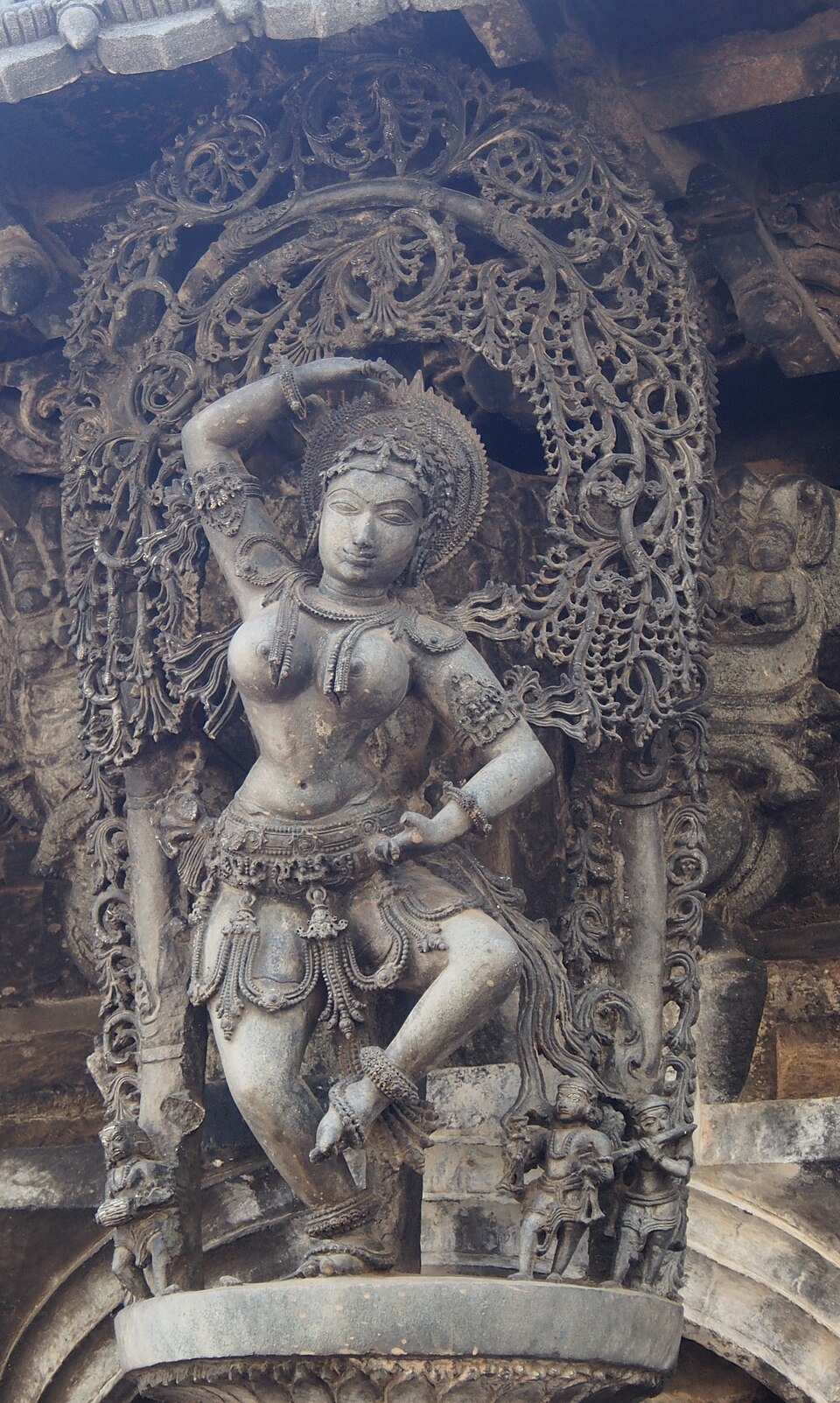
Introduction
While the boon was a testament to Lord Shiva's nature as 'Ashutosh' (one who is easily pleased), it became a source of cosmic imbalance when Bhasmasura's intentions turned toward destruction. The story transitions from the asceticism of the demon to the divine Leela (play) of Lord Vishnu, who assumed the enchanting form of Mohini to restore Dharma and teach a lesson about the illusory nature of desire and the consequences of one's own actions.
Significance
Auspicious Time
Find your exact auspicious time Check the shubh muhurat and choghadiya for your city and date.
Required Samagri (Materials)
Preparation Steps
- 1Cleanse your surroundings and yourself to ensure a meditative state.
- 2Light a lamp and incense to create a sanctified atmosphere.
- 3Sit in a stable posture, such as Sukhasana or Padmasana, facing an auspicious direction (East or North).
Steps
- 1Begin by offering a simple prayer or 'Pranama' to Lord Shiva and Lord Vishnu to seek permission to engage with their sacred stories.
- 2Listen to or read the story of Bhasmasura with 'Shraddha' (devotion and focused attention).
- 3As the story progresses, reflect on the 'Bhasmasura' within—the part of the human ego that seeks power without purpose.
- 4Contemplate the role of Mohini as the divine instrument of Maya used to correct the cosmic order.
- 5Conclude by offering a prayer for the strength to use one's gifts for the welfare of all (Lokasangraha).
Mantras
Shiva Panchakshara Mantra
ॐ नमः शिवाय
Om Namah Shivaya
Meaning: I bow to Lord Shiva
Vishnu/Mohini Invocation
ॐ नमो भगवते वासुदेवाय
Om Namo Bhagavate Vasudevaya
Meaning: I bow to the Lord who resides in all
Guidelines
- •Maintain mental purity and avoid thoughts of malice while engaging with the story.
- •Practice restraint in speech and action to mirror the discipline required for spiritual growth.
Do's
- ✓Listen with a heart open to spiritual lessons.
- ✓Reflect on how ego can turn one's own strengths into weaknesses.
- ✓Offer gratitude to the deities for maintaining the cosmic balance.
Don'ts
- ✗Do not view the story merely as a mythological fantasy; seek its underlying truth.
- ✗Do not approach the narrative with a sense of cynicism or mockery.
Common Mistakes to Avoid
- •Focusing solely on the 'magic' of the boon rather than the moral implications of its misuse.
- •Forgetting that the story is as much about Shiva's compassion as it is about Vishnu's strategy.
Regional Variations
- •In various South Indian traditions, the Mohini aspect is emphasized more heavily to illustrate the power of divine beauty and attraction (Maya).
- •Some Shaivite traditions focus more on the nature of Shiva's unconditional grace in granting boons, regardless of the recipient's character.
Frequently Asked Questions
Why did Lord Shiva grant such a dangerous boon to a demon?▾
How did Mohini trick Bhasmasura?▾
What is the spiritual lesson for modern life?▾
Popular Tools
References & Traditional Notes
- •The story is primarily documented in various Puranas, including the Shiva Purana.
- •The concept of Mohini as an avatar is central to the Bhagavata Purana.
Related Audio & Bhajans
Rudrashtakam
Lingashtakam
Bilvashtakam
Affiliate disclosure: Sanatan Hindu participates in the Amazon Associates Programme and the CueLinks affiliate network (Myntra & Flipkart). This page contains affiliate links, if you click and buy, we earn a small commission at no extra cost to you. As an Amazon Associate we earn from qualifying purchases. Full disclosure.
Shop Samagri on Amazon.in
Clicking opens Amazon.in. Prices and availability may vary.
Browse all pooja itemsAmazon Associates tag: geekydevelope-21
Shop Pooja & Festive Essentials on Flipkart
Clicking opens Flipkart via our affiliate link. Prices and availability may vary.
Shop on FlipkartCueLinks Publisher: 300371
Shop Festive Wear on Myntra
Clicking opens Myntra via our affiliate link. Prices and availability may vary.
CueLinks Publisher: 300371
Need a website? Describe it, and AI builds it.
Perfect for a temple, pooja service, astrology practice or small shop. Tell the AI what you want — or drag and drop the classic way — and go live on your own web address in minutes with Sitova. Hosting, SEO, forms and analytics are all included.
- Build with AI or drag & drop
- Your domain + SEO built in
- Free forever plan
Opens sitova.site