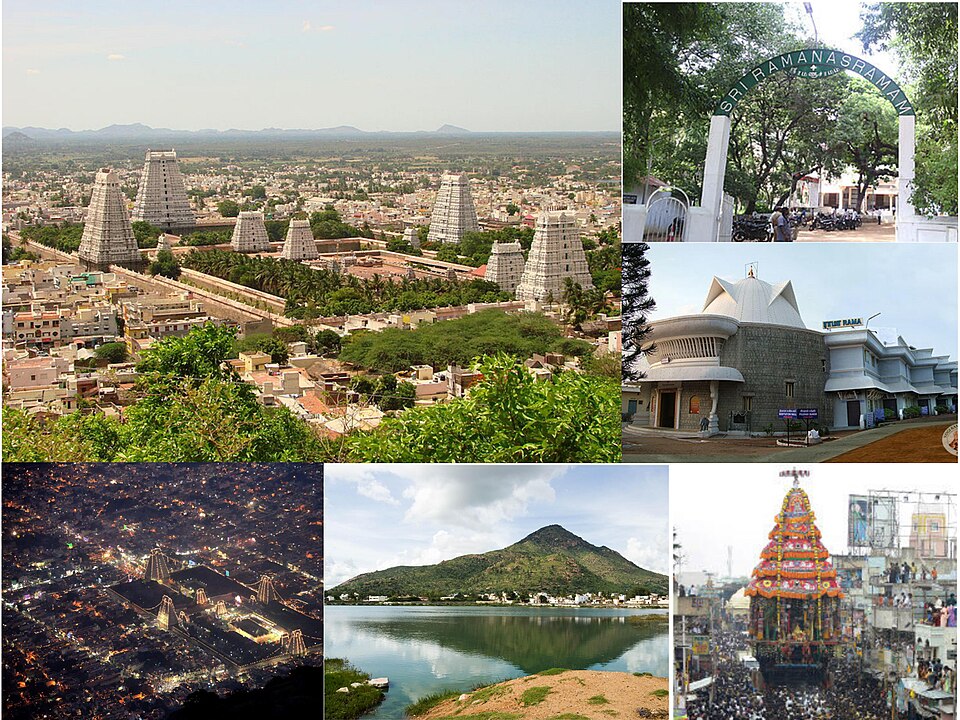
Significance
The significance of Thiruvannamalai is deeply rooted in the spiritual and cultural traditions of Hinduism. The temple is considered one of the most sacred destinations in India, and its significance extends beyond its spiritual importance. The temple is a major hub for music, dance, and art, and it is home to several festivals and celebrations throughout the year. The temple's cultural and historical significance is a testament to the enduring power of faith and devotion, and it continues to inspire and uplift millions of people around the world. The temple's spiritual significance is rooted in the concept of the Pancha Bhootas, the five elements of nature, which are considered the building blocks of the universe. The temple is dedicated to the element of fire, which is considered the most powerful and transformative of all the elements. The worship of Lord Arunachaleswara is believed to purify the mind, body, and soul, and to bring about spiritual transformation and enlightenment. The temple's history and significance are deeply intertwined with the legends and myths surrounding Lord Shiva and the Pancha Bhootas. According to legend, Lord Shiva appeared as a column of fire on the hill of Arunachala, which is the main deity worshipped at the temple. The temple's spiritual significance is also rooted in the concept of the Kundalini energy, which is believed to reside at the base of the spine. The worship of Lord Arunachaleswara is believed to awaken the Kundalini energy, leading to spiritual growth and enlightenment. The temple's cultural and historical significance extends beyond its spiritual importance, as it is a major hub for music, dance, and art. The temple is home to several festivals and celebrations throughout the year, including the Karthigai Deepam festival, which is dedicated to the worship of Lord Arunachaleswara. The festival is celebrated with great fervor and enthusiasm, with thousands of devotees gathering at the temple to worship the Lord and to seek his blessings. The temple's spiritual and cultural significance is a testament to the enduring power of faith and devotion, and it continues to inspire and uplift millions of people around the world. The significance of Thiruvannamalai is not limited to its spiritual and cultural importance, as it is also a major economic hub, with a thriving market and a strong agricultural sector. The town of Thiruvannamalai is surrounded by the Arunachala hills, which are considered sacred by the devotees. The hills are home to several ashrams, meditation centers, and spiritual institutions, making it a haven for those seeking spiritual growth and enlightenment. The temple's spiritual significance is rooted in the concept of the Pancha Bhootas, the five elements of nature, which are considered the building blocks of the universe. The temple is dedicated to the element of fire, which is considered the most powerful and transformative of all the elements. The worship of Lord Arunachaleswara is believed to purify the mind, body, and soul, and to bring about spiritual transformation and enlightenment. The temple's history and significance are deeply intertwined with the legends and myths surrounding Lord Shiva and the Pancha Bhootas. According to legend, Lord Shiva appeared as a column of fire on the hill of Arunachala, which is the main deity worshipped at the temple. The temple's spiritual significance is also rooted in the concept of the Kundalini energy, which is believed to reside at the base of the spine. The worship of Lord Arunachaleswara is believed to awaken the Kundalini energy, leading to spiritual growth and enlightenment. The temple's cultural and historical significance extends beyond its spiritual importance, as it is a major hub for music, dance, and art. The temple is home to several festivals and celebrations throughout the year, including the Karthigai Deepam festival, which is dedicated to the worship of Lord Arunachaleswara. The festival is celebrated with great fervor and enthusiasm, with thousands of devotees gathering at the temple to worship the Lord and to seek his blessings. The temple's spiritual and cultural significance is a testament to the enduring power of faith and devotion, and it continues to inspire and uplift millions of people around the world. In conclusion, Thiruvannamalai is a sacred destination that offers a unique and transformative spiritual experience. The temple's rich history, cultural significance, and spiritual importance make it a must-visit destination for anyone seeking spiritual growth and enlightenment. Whether you are a devotee of Lord Shiva or simply a curious traveler, Thiruvannamalai is a destination that will leave you inspired, uplifted, and transformed. The significance of Thiruvannamalai is deeply rooted in the spiritual and cultural traditions of Hinduism. The temple is considered one of the most sacred destinations in India, and its significance extends beyond its spiritual importance. The temple is a major hub for music, dance, and art, and it is home to several festivals and celebrations throughout the year. The temple's cultural and historical significance is a testament to the enduring power of faith and devotion, and it continues to inspire and uplift millions of people around the world. The temple's spiritual significance is rooted in the concept of the Pancha Bhootas, the five elements of nature, which are considered the building blocks of the universe. The temple is dedicated to the element of fire, which is considered the most powerful and transformative of all the elements. The worship of Lord Arunachaleswara is believed to purify the mind, body, and soul, and to bring about spiritual transformation and enlightenment. The temple's history and significance are deeply intertwined with the legends and myths surrounding Lord Shiva and the Pancha Bhootas. According to legend, Lord Shiva appeared as a column of fire on the hill of Arunachala, which is the main deity worshipped at the temple. The temple's spiritual significance is also rooted in the concept of the Kundalini energy, which is believed to reside at the base of the spine. The worship of Lord Arunachaleswara is believed to awaken the Kundalini energy, leading to spiritual growth and enlightenment. The temple's cultural and historical significance extends beyond its spiritual importance, as it is a major hub for music, dance, and art. The temple is home to several festivals and celebrations throughout the year, including the Karthigai Deepam festival, which is dedicated to the worship of Lord Arunachaleswara. The festival is celebrated with great fervor and enthusiasm, with thousands of devotees gathering at the temple to worship the Lord and to seek his blessings. The temple's spiritual and cultural significance is a testament to the enduring power of faith and devotion, and it continues to inspire and uplift millions of people around the world. The significance of Thiruvannamalai is not limited to its spiritual and cultural importance, as it is also a major economic hub, with a thriving market and a strong agricultural sector. The town of Thiruvannamalai is surrounded by the Arunachala hills, which are considered sacred by the devotees. The hills are home to several ashrams, meditation centers, and spiritual institutions, making it a haven for those seeking spiritual growth and enlightenment. The temple's spiritual significance is rooted in the concept of the Pancha Bhootas, the five elements of nature, which are considered the building blocks of the universe. The temple is dedicated to the element of fire, which is considered the most powerful and transformative of all the elements. The worship of Lord Arunachaleswara is believed to purify the mind, body, and soul, and to bring about spiritual transformation and enlightenment. The temple's history and significance are deeply intertwined with the legends and myths surrounding Lord Shiva and the Pancha Bhootas. According to legend, Lord Shiva appeared as a column of fire on the hill of Arunachala, which is the main deity worshipped at the temple. The temple's spiritual significance is also rooted in the concept of the Kundalini energy, which is believed to reside at the base of the spine. The worship of Lord Arunachaleswara is believed to awaken the Kundalini energy, leading to spiritual growth and enlightenment. The temple's cultural and historical significance extends beyond its spiritual importance, as it is a major hub for music, dance, and art. The temple is home to several festivals and celebrations throughout the year, including the Karthigai Deepam festival, which is dedicated to the worship of Lord Arunachaleswara. The festival is celebrated with great fervor and enthusiasm, with thousands of devotees gathering at the temple to worship the Lord and to seek his blessings. The temple's spiritual and cultural significance is a testament to the enduring power of faith and devotion, and it continues to inspire and uplift millions of people around the world. In conclusion, Thiruvannamalai is a sacred destination that offers a unique and transformative spiritual experience. The temple's rich history, cultural significance, and spiritual importance make it a must-visit destination for anyone seeking spiritual growth and enlightenment. Whether you are a devotee of Lord Shiva or simply a curious traveler, Thiruvannamalai is a destination that will leave you inspired, uplifted, and transformed. The significance of Thiruvannamalai is deeply rooted in the spiritual and cultural traditions of Hinduism. The temple is considered one of the most sacred destinations in India, and its significance extends beyond its spiritual importance. The temple is a major hub for music, dance, and art, and it is home to several festivals and celebrations throughout the year. The temple's cultural and historical significance is a testament to the enduring power of faith and devotion, and it continues to inspire and uplift millions of people around the world. The temple's spiritual significance is rooted in the concept of the Pancha Bhootas, the five elements of nature, which are considered the building blocks of the universe. The temple is dedicated to the element of fire, which is considered the most powerful and transformative of all the elements. The worship of Lord Arunachaleswara is believed to purify the mind, body, and soul, and to bring about spiritual transformation and enlightenment. The temple's history and significance are deeply intertwined with the legends and myths surrounding Lord Shiva and the Pancha Bhootas. According to legend, Lord Shiva appeared as a column of fire on the hill of Arunachala, which is the main deity worshipped at the temple. The temple's spiritual significance is also rooted in the concept of the Kundalini energy, which is believed to reside at the base of the spine. The worship of Lord Arunachaleswara is believed to awaken the Kundalini energy, leading to spiritual growth and enlightenment. The temple's cultural and historical significance extends beyond its spiritual importance, as it is a major hub for music, dance, and art. The temple is home to several festivals and celebrations throughout the year, including the Karthigai Deepam festival, which is dedicated to the worship of Lord Arunachaleswara. The festival is celebrated with great fervor and enthusiasm, with thousands of devotees gathering at the temple to worship the Lord and to seek his blessings. The temple's spiritual and cultural significance is a testament to the enduring power of faith and devotion, and it continues to inspire and uplift millions of people around the world. The significance of Thiruvannamalai is not limited to its spiritual and cultural importance, as it is also a major economic hub, with a thriving market and a strong agricultural sector. The town of Thiruvannamalai is surrounded by the Arunachala hills, which are considered sacred by the devotees. The hills are home to several ashrams, meditation centers, and spiritual institutions, making it a haven for those seeking spiritual growth and enlightenment. The temple's spiritual significance is rooted in the concept of the Pancha Bhootas, the five elements of nature, which are considered the building blocks of the universe. The temple is dedicated to the element of fire, which is considered the most powerful and transformative of all the elements. The worship of Lord Arunachaleswara is believed to purify the mind, body, and soul, and to bring about spiritual transformation and enlightenment. The temple's history and significance are deeply intertwined with the legends and myths surrounding Lord Shiva and the Pancha Bhootas. According to legend, Lord Shiva appeared as a column of fire on the hill of Arunachala, which is the main deity worshipped at the temple. The temple's spiritual significance is also rooted in the concept of the Kundalini energy, which is believed to reside at the base of the spine. The worship of Lord Arunachaleswara is believed to awaken the Kundalini energy, leading to spiritual growth and enlightenment. The temple's cultural and historical significance extends beyond its spiritual importance, as it is a major hub for music, dance, and art. The temple is home to several festivals and celebrations throughout the year, including the Karthigai Deepam festival, which is dedicated to the worship of Lord Arunachaleswara. The festival is celebrated with great fervor and enthusiasm, with thousands of devotees gathering at the temple to worship the Lord and to seek his blessings. The temple's spiritual and cultural significance is a testament to the enduring power of faith and devotion, and it continues to inspire and uplift millions of people around the world. In conclusion, Thiruvannamalai is a sacred destination that offers a unique and transformative spiritual experience. The temple's rich history, cultural significance, and spiritual importance make it a must-visit destination for anyone seeking spiritual growth and enlightenment. Whether you are a devotee of Lord Shiva or simply a curious traveler, Thiruvannamalai is a destination that will leave you inspired, uplifted, and transformed.