
Ujjain Mangalnath Temple: The Sacred Birthplace of Mars (Mangal)
Explore the sacred Ujjain Mangalnath Temple, the mythological birthplace of Mars (Mangal). Discover its astrological significance, rituals, and legends.
Affiliate disclosure: Sanatan Hindu participates in the Amazon Associates Programme and the CueLinks affiliate network (Myntra & Flipkart). This page contains affiliate links, if you click and buy, we earn a small commission at no extra cost to you. As an Amazon Associate we earn from qualifying purchases. Full disclosure.
Introduction
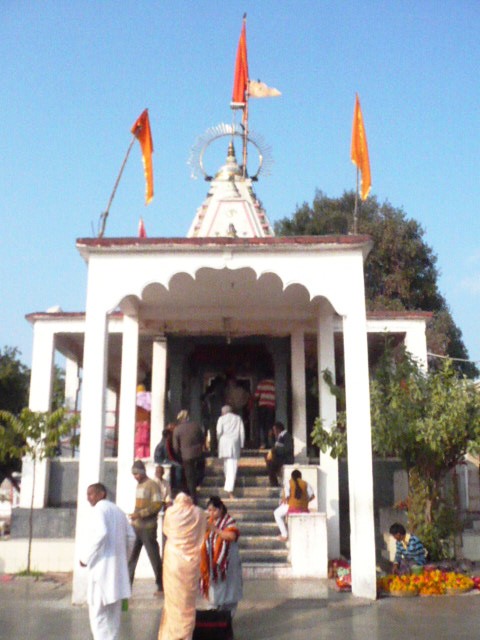
The mythological background of this site is deeply intertwined with the cosmic hierarchy. It is believed that the deity Mangal is the son of Lord Shiva (Rudra), often referred to as 'Mangal Dev' or 'Angaraka'. The legend suggests that Mars was born from the sweat or the fiery essence of Lord Shiva during a period of intense cosmic activity. This connection to Shiva grants the temple a unique character, blending the fierce, disciplined, and energetic qualities of Mars with the transformative and ascetic power of Mahadev. Pilgrims visit this site not just to worship a planet, but to connect with the divine principle of courage and vital force.
Historically, Ujjain has served as the prime meridian for ancient Indian astronomers. The placement of the Mangalnath Temple is not accidental; it aligns with the ancient understanding of celestial movements and their impact on human consciousness. The temple complex serves as a bridge between the tangible world of planetary motion and the intangible realm of spiritual evolution. For the seeker, Mangalnath represents the raw, driving force of life—the 'Prana' that compels action, protects boundaries, and provides the strength to overcome obstacles.
Culturally, the temple is a vital node in the spiritual landscape of Madhya Pradesh. It attracts thousands of devotees, especially those seeking relief from 'Mangal Dosha' in their astrological charts. The atmosphere is thick with the scent of red flowers, the chanting of Vedic hymns, and the rhythmic vibrations of bells, creating a sensory experience that invites the devotee to align their inner energy with the cosmic rhythm of the red planet.
Significance
Spiritually, Mars symbolizes the 'Tejas' or the fiery brilliance of the soul. In the context of yogic practices, the energy associated with Mangal is related to the 'Manipura Chakra' (the solar plexus chakra), which governs our sense of self, willpower, and digestive fire. Worshipping Mangal Dev at Ujjain is seen as a way to purify this internal fire, ensuring that one's drive is directed toward Dharma (righteousness) rather than ego or impulse. It is a process of tempering the spirit, much like steel is tempered in fire.
The religious significance is further amplified by the temple's location in Ujjain, a city that is part of the Sapta Puri (seven sacred cities). The proximity to the Shipra River allows for the integration of 'Snana' (sacred bathing) with the temple rituals, a practice believed to cleanse the subtle body of karmic imprints related to Mars. The fruits (Phala) of visiting this temple are said to include increased physical vitality, the courage to face life's hardships, and the stabilization of domestic affairs.
Furthermore, Mangal is the lord of the earth and land. Therefore, the temple holds immense importance for those involved in agriculture, real estate, or those seeking to settle disputes regarding property. By seeking the blessings of the deity at his very birthplace, devotees believe they can tap into the primordial essence of stability and ownership. The ritualistic observance at Mangalnath is not merely a plea for luck, but a deep psychological and spiritual alignment with the qualities of strength and perseverance.
Best Time to Perform
Find your exact auspicious time Check the shubh muhurat and choghadiya for your city and date.
Required Samagri (Materials)
Preparation Steps
- 1Take a bath and wear clean, preferably red or white, clothing.
- 2Maintain a state of mental calm and focus on the deity Mangal Dev.
- 3If performing a specific Mangal Dosha remedy, consult a priest to prepare the specific offerings.
- 4Ensure you have visited the Shipra River for a holy dip if possible before entering the temple.
Step-by-Step Vidhi
- 1Approach the sanctum sanctorum with deep respect and bow before the deity.
- 2Light a ghee lamp and incense to purify the surrounding atmosphere.
- 3Apply red sandalwood paste or kumkum to the deity's idol.
- 4Offer red flowers, especially Hibiscus, which are dear to Mangal Dev.
- 5Chant the Mangal Beej Mantra or the Mangal Gayatri Mantra with intense concentration.
- 6Offer Jaggery or red lentils as 'bhog' to appease the fiery energy of Mars.
- 7Perform a circumambulation (Pradakshina) around the shrine, moving clockwise.
- 8Request the deity for the removal of obstacles, courage in trials, and peace in domestic life.
Mantras
Mangal Beej Mantra
ॐ क्रां क्रीं क्रौं सः भौमाय नमः
Om Kraam Kreem Kraum Sah Bhaumaya Namah
Meaning: Salutations to the Lord of Earth (Mars), the one who embodies the primordial energy.
Mangal Gayatri Mantra
ॐ अं अंगारकाय विद्महे ध्वजवर्तिने धीमहि तन्नो मंगलः प्रचोदयात्
Om Am Angarakaya Vidmahe Dhwajavartine Dhimahi Tanno Mangalah Prachodayat
Meaning: Om, let us meditate on the fiery one (Angaraka). May the bearer of the flag inspire our intellect and guide us toward righteousness.
Do's
- ✓Wear red-colored clothing during the pooja.
- ✓Donate red items like lentils or cloth to the needy.
- ✓Focus on maintaining discipline and physical strength.
- ✓Offer prayers with a sense of courage and determination.
Don'ts
- ✗Avoid conflicts or anger during the period of the vrat.
- ✗Do not consume non-vegetarian food or alcohol.
- ✗Avoid wearing black or dark blue clothing while performing Mangal rituals.
- ✗Do not engage in lying or harsh speech.
Common Mistakes to Avoid
- •Performing the pooja with a distracted or fearful mind instead of a courageous one.
- •Neglecting the importance of the Shipra River dip before the temple visit.
- •Using incorrect colors for offerings (using white instead of red).
- •Attempting complex rituals without the guidance of a qualified Pandit.
Regional Variations
- •In South India, Mangal is often worshipped with more emphasis on 'Sevvai' remedies and specific Tamil Vedic chants.
- •In North Indian traditions, the emphasis is heavily on Ujjain as the central cosmic axis for Mars.
- •Some families follow specific 'Kuldevi/Kuldevta' traditions that may add additional local deities to the Mangal pooja.
Frequently Asked Questions
What is Mangal Dosha?▾
Can anyone visit the Mangalnath Temple?▾
Why is Ujjain considered the birthplace of Mars?▾
Popular Tools
References & Traditional Notes
- •Refer to the Brihat Parashara Hora Shastra for astrological context.
- •The Puranas describe Ujjain as an Avanti Kshetra, highly significant for all Navagraha worship.
- •Local traditions suggest that the Shipra River flows through the energetic field of the temple, enhancing its sanctity.
Related Audio & Bhajans
Sacred Temple Light Mantra
I Am The Sacred Spring: Harnessing the Energy of Birth
Sacred Somnath Sunset
The Sikh Religion: Its Gurus, Sacred Writings and Authors, Volume 3
Affiliate disclosure: Sanatan Hindu participates in the Amazon Associates Programme and the CueLinks affiliate network (Myntra & Flipkart). This page contains affiliate links, if you click and buy, we earn a small commission at no extra cost to you. As an Amazon Associate we earn from qualifying purchases. Full disclosure.
Shop Samagri on Amazon.in
Clicking opens Amazon.in. Prices and availability may vary.
Browse all pooja itemsAmazon Associates tag: geekydevelope-21
Shop Pooja & Festive Essentials on Flipkart
Clicking opens Flipkart via our affiliate link. Prices and availability may vary.
Shop on FlipkartCueLinks Publisher: 300371
Shop Festive Wear on Myntra
Clicking opens Myntra via our affiliate link. Prices and availability may vary.
CueLinks Publisher: 300371