Affiliate disclosure: Sanatan Hindu participates in the Amazon Associates Programme and the CueLinks affiliate network (Myntra & Flipkart). This page contains affiliate links, if you click and buy, we earn a small commission at no extra cost to you. As an Amazon Associate we earn from qualifying purchases. Full disclosure.
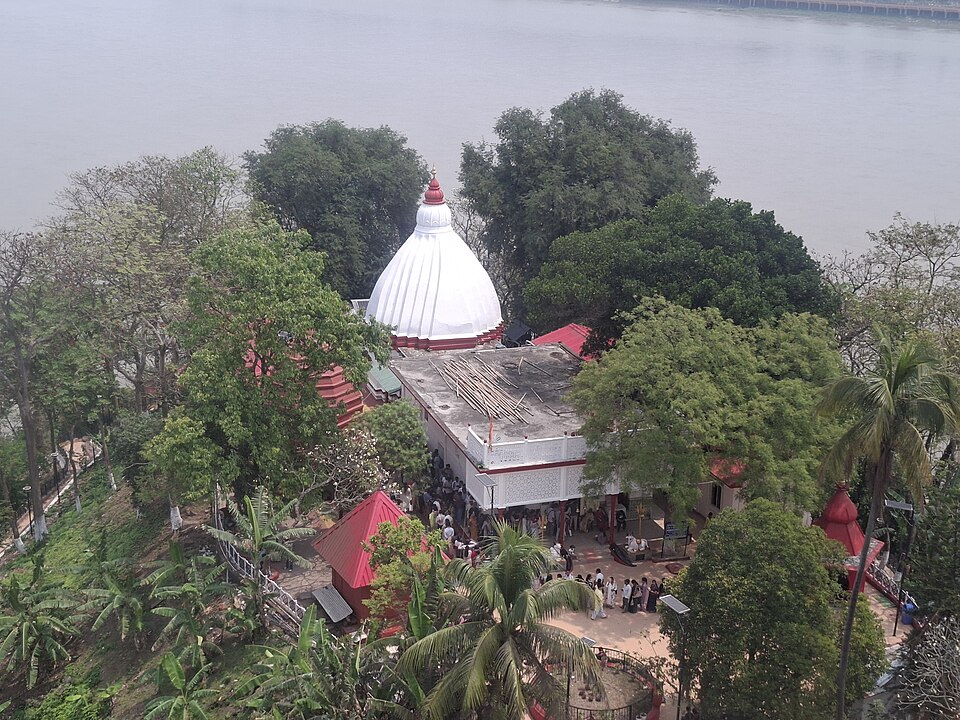
The Umananda Island Temple, situated on the picturesque Peacock Island in the midst of the Brahmaputra River, is a revered Shiva temple that attracts devotees and spiritual seekers from across the globe. This sacred site is nestled in the heart of Guwahati, Assam, and is one of the most prominent temples dedicated to Lord Shiva in the region. The temple's unique location, surrounded by the majestic river, adds to its mystique and spiritual aura. According to legend, the temple was built by the Ahom King Gadadhar Singha in 1691, who was a devout follower of Lord Shiva. The king was inspired by a dream in which Lord Shiva instructed him to build a temple on the island, which was then a dense forest inhabited by wild animals. The temple's construction is a testament to the king's devotion and the island's sacred energy. The Umananda Island Temple is also known for its stunning architectural beauty, which blends traditional Assamese and North Indian styles. The temple's intricate carvings, sculptures, and ornate decorations create a breathtaking visual experience for visitors. As one approaches the temple, the sound of the river flowing gently and the chirping of birds create a serene atmosphere, setting the tone for a deeply spiritual and introspective experience. The temple's history is deeply rooted in the region's cultural and spiritual heritage, and its significance extends beyond its architectural beauty to its role as a sacred site for spiritual growth, self-reflection, and devotion. The Umananda Island Temple is a place where one can connect with the divine, seek solace, and experience the profound beauty of nature and spirituality. The temple's surroundings, with the Brahmaputra River flowing gently, create a sense of tranquility and peace, inviting visitors to immerse themselves in the sacred energy of the site. As a sacred place, the Umananda Island Temple has been a source of inspiration for countless devotees, spiritual seekers, and travelers, who come to experience the temple's unique energy, beauty, and spiritual significance. The temple's legend, history, and cultural significance are deeply intertwined with the region's rich heritage, making it an integral part of Assam's spiritual landscape. The Umananda Island Temple is a shining example of the region's rich cultural diversity, architectural excellence, and spiritual depth, inviting visitors to explore, experience, and cherish its beauty and significance. The temple's spiritual energy, combined with its stunning natural surroundings, creates a truly unique and transformative experience for all who visit. The Umananda Island Temple is a place where one can connect with the divine, seek guidance, and experience the profound beauty of nature and spirituality. The temple's significance extends beyond its role as a sacred site, as it also serves as a symbol of the region's rich cultural heritage and spiritual traditions. The temple's stunning architecture, intricate carvings, and ornate decorations are a testament to the region's rich artistic and cultural legacy. The Umananda Island Temple is a place where art, culture, and spirituality converge, creating a truly unique and unforgettable experience for visitors. The temple's beauty, significance, and spiritual energy make it a must-visit destination for anyone interested in exploring the region's rich cultural heritage and spiritual traditions. The Umananda Island Temple is a sacred site that embodies the essence of spirituality, beauty, and cultural richness, inviting visitors to experience its profound significance and transformative energy.
Significance
The Umananda Island Temple holds immense spiritual significance, not only for its stunning architecture and beautiful surroundings but also for its role as a sacred site for spiritual growth, self-reflection, and devotion. The temple is dedicated to Lord Shiva, who is revered as the destroyer of evil and the embodiment of cosmic energy. The temple's unique location on the Peacock Island, surrounded by the Brahmaputra River, adds to its spiritual aura, as the river is considered a symbol of spiritual purification and renewal. The temple's significance extends beyond its role as a sacred site, as it also serves as a symbol of the region's rich cultural heritage and spiritual traditions. The temple's stunning architecture, intricate carvings, and ornate decorations are a testament to the region's rich artistic and cultural legacy. The Umananda Island Temple is a place where one can connect with the divine, seek guidance, and experience the profound beauty of nature and spirituality. The temple's spiritual energy, combined with its stunning natural surroundings, creates a truly unique and transformative experience for all who visit. The temple's significance is deeply rooted in the region's cultural and spiritual heritage, and its role as a sacred site for spiritual growth, self-reflection, and devotion makes it an integral part of Assam's spiritual landscape. The Umananda Island Temple is a shining example of the region's rich cultural diversity, architectural excellence, and spiritual depth, inviting visitors to explore, experience, and cherish its beauty and significance. The temple's legend, history, and cultural significance are deeply intertwined with the region's rich heritage, making it a must-visit destination for anyone interested in exploring the region's rich cultural heritage and spiritual traditions. The Umananda Island Temple is a sacred site that embodies the essence of spirituality, beauty, and cultural richness, inviting visitors to experience its profound significance and transformative energy. The temple's spiritual significance is also reflected in its role as a center for spiritual learning, self-reflection, and personal growth. The temple's serene atmosphere, combined with its stunning natural surroundings, creates a perfect setting for meditation, yoga, and other spiritual practices. The temple's spiritual energy, combined with its beautiful surroundings, makes it an ideal destination for those seeking spiritual growth, self-reflection, and personal transformation. The Umananda Island Temple is a place where one can connect with the divine, seek guidance, and experience the profound beauty of nature and spirituality. The temple's significance extends beyond its role as a sacred site, as it also serves as a symbol of the region's rich cultural heritage and spiritual traditions. The temple's stunning architecture, intricate carvings, and ornate decorations are a testament to the region's rich artistic and cultural legacy. The Umananda Island Temple is a place where art, culture, and spirituality converge, creating a truly unique and unforgettable experience for visitors. The temple's beauty, significance, and spiritual energy make it a must-visit destination for anyone interested in exploring the region's rich cultural heritage and spiritual traditions. The Umananda Island Temple is a sacred site that embodies the essence of spirituality, beauty, and cultural richness, inviting visitors to experience its profound significance and transformative energy. The temple's spiritual significance is deeply rooted in the region's cultural and spiritual heritage, and its role as a sacred site for spiritual growth, self-reflection, and devotion makes it an integral part of Assam's spiritual landscape. The Umananda Island Temple is a shining example of the region's rich cultural diversity, architectural excellence, and spiritual depth, inviting visitors to explore, experience, and cherish its beauty and significance.
Best Time to Perform
The best time to visit the Umananda Island Temple is during the summer months, from March to May, when the weather is pleasant and the river is at its lowest level. However, the temple can be visited throughout the year, and the best time to visit depends on personal preference and the purpose of the visit.
Find your exact auspicious time Check the shubh muhurat and choghadiya for your city and date.
1Take a boat ride to the Peacock Island and disembark at the temple
2Perform a ritual bath in the Brahmaputra River to purify the body and mind
3Offer prayers and worship at the temple, starting with the invocation of Lord Ganesha
4Circumambulate the temple, offering prayers and seeking blessings at each corner
5Offer donations and seek blessings from the priest or the deity
Mantras
Shiva Mantra
ॐ नमः शिवाय
Om Namah Shivaya
Meaning: I bow to Lord Shiva
Shiva Aarti
जय जय जय शिव शंकरा
Jai Jai Jai Shiv Shankara
Meaning: Victory to Lord Shiva, the benevolent one
Do's
✓Offer prayers and worship at the temple with devotion and sincerity
✓Circumambulate the temple and offer prayers at each corner
✓Seek blessings from the priest or the deity
✓Offer donations and contribute to the temple's upkeep
Don'ts
✗Do not enter the temple with shoes or sandals
✗Do not touch or handle the deity or the temple's artifacts
✗Do not litter or pollute the temple's surroundings
✗Do not engage in loud conversations or arguments within the temple premises
Common Mistakes to Avoid
•Not performing a ritual bath before visiting the temple
•Not offering prayers and worship with devotion and sincerity
•Not seeking blessings from the priest or the deity
•Not contributing to the temple's upkeep
Regional Variations
•The Umananda Island Temple is a unique and distinct temple, with its own set of customs and traditions
•The temple's rituals and practices may vary depending on the region and the community
•The temple's significance and importance may be perceived differently by different people and communities
Frequently Asked Questions
What is the best time to visit the Umananda Island Temple?▾
The best time to visit the Umananda Island Temple is during the summer months, from March to May, when the weather is pleasant and the river is at its lowest level.
What are the required samagri for worshiping at the temple?▾
The required samagri for worshiping at the temple include flowers, fruits, incense sticks, camphor, and ghee lamps.
Affiliate disclosure: Sanatan Hindu participates in the Amazon Associates Programme and the CueLinks affiliate network (Myntra & Flipkart). This page contains affiliate links, if you click and buy, we earn a small commission at no extra cost to you. As an Amazon Associate we earn from qualifying purchases. Full disclosure.
🛒
Shop Samagri on Amazon.in
Affiliate links, we earn from qualifying purchases
Perfect for a temple, pooja service, astrology practice or small shop. Tell the AI what you want — or drag and drop the classic way — and go live on your own web address in minutes with Sitova. Hosting, SEO, forms and analytics are all included.