
Dvaita Vedanta — Madhvacharya's Dualistic Philosophy
Explore Dvaita Vedanta, a school of Vedanta philosophy founded by Madhvacharya, emphasizing dualism between God and the universe
Affiliate disclosure: Sanatan Hindu participates in the Amazon Associates Programme and the CueLinks affiliate network (Myntra & Flipkart). This page contains affiliate links, if you click and buy, we earn a small commission at no extra cost to you. As an Amazon Associate we earn from qualifying purchases. Full disclosure.
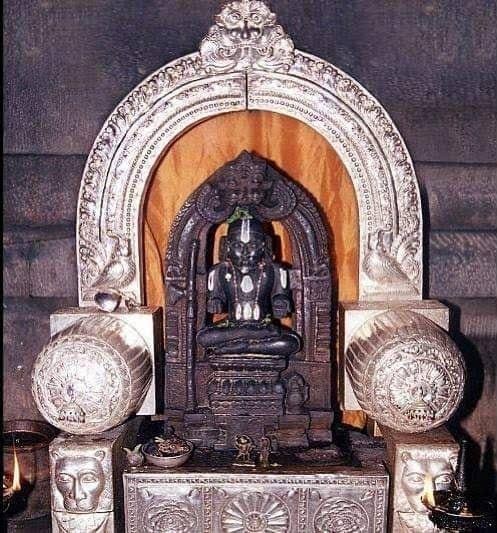
Next Narasimha Jayanti
Wednesday, 19 May 2027· in 213 days
Set a reminder so you never miss Narasimha Jayanti.
Introduction
Significance
Best Time to Perform
Find your exact auspicious time Check the shubh muhurat and choghadiya for your city and date.
Required Samagri (Materials)
Preparation Steps
- 1Develop a regular practice of meditation and self-inquiry
- 2Study the teachings of Madhvacharya and other Dvaita Vedanta scholars
- 3Reflect on the nature of reality and the self
- 4Cultivate a sense of devotion and surrender to God
Step-by-Step Vidhi
- 1Begin by studying the Bhagavad Gita and the Upanishads to gain a foundational understanding of Hindu philosophy
- 2Explore Madhvacharya's works, such as the Brahmasutra Bhashya, to delve deeper into Dvaita Vedanta
- 3Reflect on the teachings of Dvaita Vedanta and how they can be applied to daily life
- 4Cultivate a sense of devotion and surrender to God through practices such as prayer, worship, and selfless service
Mantras
Om Sri Narasimhaya Namah
ॐ श्री नरसिंहाय नमः
Om Sri Narasimhaya Namah
Meaning: Salutations to Lord Narasimha, the half-man, half-lion incarnation of God
Om Sri Lakshminarasimhaya Namah
ॐ श्री लक्ष्मीनरसिंहाय नमः
Om Sri Lakshminarasimhaya Namah
Meaning: Salutations to Lord Lakshminarasimha, the embodiment of God's divine power and wisdom
Vrat Rules
- •Observe a vegetarian diet
- •Avoid intoxicating substances
- •Practice self-control and moderation in all aspects of life
Do's
- ✓Develop a regular practice of meditation and self-inquiry
- ✓Study the teachings of Madhvacharya and other Dvaita Vedanta scholars
- ✓Cultivate a sense of devotion and surrender to God
Don'ts
- ✗Do not neglect one's duties and responsibilities
- ✗Do not indulge in selfish or harmful behavior
- ✗Do not neglect the pursuit of knowledge and self-realization
Common Mistakes to Avoid
- •Misunderstanding the concept of duality and non-duality
- •Neglecting the importance of devotion and surrender to God
- •Failing to apply the teachings of Dvaita Vedanta to daily life
Regional Variations
- •The Dvaita Vedanta tradition is prevalent in southern India, particularly in the states of Karnataka and Tamil Nadu
- •The tradition has also spread to other parts of India and the world, with various centers and institutions dedicated to its study and practice
Frequently Asked Questions
What is the main difference between Dvaita Vedanta and Advaita Vedanta?▾
How can I apply the teachings of Dvaita Vedanta to my daily life?▾
Popular Tools
References & Traditional Notes
- •The Bhagavad Gita
- •The Upanishads
- •Madhvacharya's works, such as the Brahmasutra Bhashya
Related Audio & Bhajans
Affiliate disclosure: Sanatan Hindu participates in the Amazon Associates Programme and the CueLinks affiliate network (Myntra & Flipkart). This page contains affiliate links, if you click and buy, we earn a small commission at no extra cost to you. As an Amazon Associate we earn from qualifying purchases. Full disclosure.
Shop Samagri on Amazon.in
Clicking opens Amazon.in. Prices and availability may vary.
Browse all pooja itemsAmazon Associates tag: geekydevelope-21
Shop Pooja & Festive Essentials on Flipkart
Clicking opens Flipkart via our affiliate link. Prices and availability may vary.
Shop on FlipkartCueLinks Publisher: 300371
Shop Festive Wear on Myntra
Clicking opens Myntra via our affiliate link. Prices and availability may vary.
CueLinks Publisher: 300371
Need a website? Describe it, and AI builds it.
Perfect for a temple, pooja service, astrology practice or small shop. Tell the AI what you want — or drag and drop the classic way — and go live on your own web address in minutes with Sitova. Hosting, SEO, forms and analytics are all included.
- Build with AI or drag & drop
- Your domain + SEO built in
- Free forever plan
Opens sitova.site