Sacred Texts & ScripturesVishnu (Kurma Avatar)Kurma Jayanti (Vaishakha Shukla Dvadashi), Kartika Purnima, Chaturmasya

Kurma Purana — The Tortoise Avatar and Samudra Manthan

Comprehensive guide to Kurma Purana: Lord Vishnu's tortoise avatar, Samudra Manthan legend, spiritual significance, mantras, and study practices.

By Sanatan Hindu4 min readUpdated 20 August 2026Audio available
Share:

Affiliate disclosure: Sanatan Hindu participates in the Amazon Associates Programme and the CueLinks affiliate network (Myntra & Flipkart). This page contains affiliate links, if you click and buy, we earn a small commission at no extra cost to you. As an Amazon Associate we earn from qualifying purchases. Full disclosure.
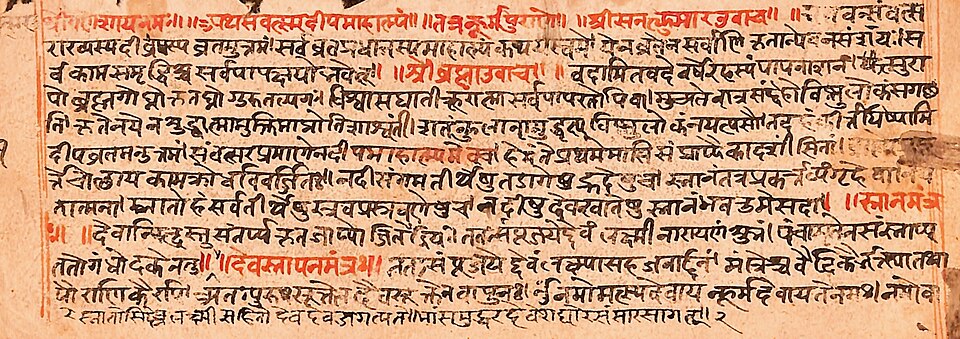
Kurma Purana — The Tortoise Avatar and Samudra Manthan

Introduction

The Kurma Purana stands as one of the eighteen Mahapuranas, a vast repository of Hindu cosmology, theology, philosophy, and ritual instruction centered on the second avatar of Lord Vishnu — Kurma, the divine tortoise. This sacred text derives its name from the Sanskrit word 'kurma,' meaning tortoise or turtle, and narrates the profound episode of Samudra Manthan, the churning of the cosmic ocean of milk, wherein Lord Vishnu assumed the form of a colossal tortoise to serve as the stable base for Mount Mandara, the churning rod. The Purana is traditionally ascribed to the sage Vyasa, who compiled it alongside the other Puranas to make the esoteric wisdom of the Vedas accessible to all varnas and stages of life. Its verses unfold in a dialogic format, primarily between the sage Narada and the great serpent Ananta Shesha, and later between the sage Vyasa and the assembled rishis at Naimisharanya, creating a layered transmission of knowledge that bridges the divine and the human.

Significance

The spiritual significance of the Kurma Purana extends far beyond its narration of a single avataric episode; it serves as a comprehensive manual for dharma, bhakti, jnana, and moksha, weaving together the metaphysical, the ritualistic, and the ethical into a cohesive worldview. At its core lies the symbolism of the tortoise — Kurma — which represents stability, patience, and the withdrawal of the senses (pratyahara) essential for spiritual progress; just as the tortoise retracts its limbs into its shell, the seeker must withdraw the indriyas from sense objects to attain inner stillness. The Samudra Manthan itself is a grand allegory for the human spiritual journey: the devas and asuras represent the higher and lower tendencies within every individual; Mount Mandara is the spine or axis of consciousness; Vasuki the serpent is the kundalini shakti; and the churning is the sustained practice of sadhana. The emergence of halahala (poison) first signifies that purification precedes nectar — obstacles and shadow aspects must be confronted and transmuted, a task undertaken by Lord Shiva as Nilakantha. The subsequent appearance of the fourteen ratnas (jewels), culminating in Dhanvantari bearing the amrita kalasha, illustrates the progressive unfoldment of siddhis and finally the nectar of immortality — atma-jnana. The Kurma Purana elaborates on the glory of Vishnu bhakti, the efficacy of mantra japa, the sanctity of tirthas like Kurukshetra and Prayaga, the observance of vratas such as Ekadashi and Kartika Snana, and the performance of shraddha and dana. It also contains detailed sections on yoga, particularly the eight limbs of ashtanga yoga, and expounds the Vishnu Sahasranama in a unique context. For the householder, it prescribes the ideal grihastha dharma; for the renunciate, it illuminates the path of sannyasa. Its phala-shruti declares that hearing or reading even a single chapter with faith bestows the merit of performing a thousand ashvamedha yajnas, destroys sins accumulated over countless births, and grants liberation. The text is especially revered in Vaishnava traditions, particularly the Sri Vaishnava and Gaudiya sampradayas, where it is studied during Chaturmasya and on Kurma Jayanti (Vaishakha Shukla Dvadashi). Astrologically, the tortoise avatar is associated with the second house of stability and the planet Saturn (Shani), governing endurance and karmic maturation.

Auspicious Time

The Kurma Purana is traditionally studied or recited during the sacred month of Kartika (October–November), especially on Kurma Jayanti (Vaishakha Shukla Dvadashi), during Chaturmasya (four monsoon months), on Ekadashi days, and during solar/lunar eclipses. Daily study after morning sandhyavandana is considered highly meritorious.

Find your exact auspicious time Check the shubh muhurat and choghadiya for your city and date.

Required Samagri (Materials)

Clean copy of Kurma Purana (Sanskrit or translation)
Asana (wool or silk seat)
Ghee lamp (deepam)
Incense (dhupa)
Flowers (pushpa) — preferably tulasi or lotus
Tulasi leaves
Water in copper vessel (achamana)
Sandalwood paste (chandana)
Fruits and naivedya (offering)
Rudraksha mala (for japa)
Bell (ghanta)

Preparation Steps

  1. 1Bathe and wear clean, preferably white or yellow clothes
  2. 2Clean the study/puja area and sprinkle Ganga jal
  3. 3Set up an altar with an image or murti of Lord Vishnu as Kurma or Narayana
  4. 4Light the ghee lamp and incense
  5. 5Offer flowers, tulasi, chandana, and naivedya to the deity
  6. 6Perform achamana (sipping water thrice) and pranayama
  7. 7Invoke Lord Ganesha for obstacle removal
  8. 8Invoke the guru parampara and sage Vyasa
  9. 9Recite the Kurma Purana mangalacharana (invocation verse)
  10. 10Sit facing east or north on the asana

Steps

  1. 1Begin with the mangalacharana: 'Om kurma-rupaya namah' and the dhyana shloka visualizing Kurma supporting Mandara
  2. 2Recite the selected chapter(s) aloud with clear pronunciation and bhavana (feeling)
  3. 3Pause after each adhyaya to reflect on the meaning (artha-chintana)
  4. 4Offer pushpanjali (flower offering) at the end of each chapter or section
  5. 5Perform nama-sankirtana of Vishnu names (e.g., Vishnu Sahasranama) after reading
  6. 6Conclude with the phala-shruti (benefit verses) of the Purana
  7. 7Offer final arati with camphor or ghee lamp
  8. 8Distribute prasada to all present
  9. 9Mentally dedicate the merit (punya) to the welfare of all beings (sarva-bhuta-hita)
  10. 10Maintain a journal of insights and personal reflections for ongoing sadhana

Mantras

Kurma Avatar Dhyana Mantra

ॐ कूर्मरूपाय विद्महे महाभारधारिणे धीमहि तन्नो विष्णुः प्रचोदयात्

Om kurma-rupaya vidmahe maha-bhara-dharine dhimahi tanno vishnuh pracodayat

Meaning: We meditate on the tortoise form of Vishnu, the upholder of the great mountain; may that Lord Vishnu inspire and illumine our intellect.

Kurma Purana Mangalacharana (Opening Invocation)

ॐ नमो भगवते वासुदेवाय कूर्मावताराय नमः

Om namo bhagavate vasudevaya kurma-avataraya namah

Meaning: Salutations to Lord Vasudeva, who incarnated as the divine tortoise.

Samudra Manthan Prarthana (Prayer for Inner Churning)

मन्दरं मथनं कृत्वा वासुकिं नेति संश्रयम्। देवासुराः सहायेन कूर्मरूपेण धारयत्॥ अमृतं क्षीरसागरात् उद्धर्तुं कूर्ममूर्तये। नमो नमस्ते देवेश कूर्मरूपाय ते नमः॥

Mandaram mathanam kritva vasukim neti samsrayam. Devasurah sahayena kurma-rupena dharayat. Amritam kshira-sagarat uddhartum kurma-murtaye. Namo namas te devesha kurma-rupaya te namah.

Meaning: Using Mandara as the churning rod and Vasuki as the rope, the devas and asuras churned the ocean; You, in tortoise form, bore the mountain. To draw forth the nectar from the milk ocean, salutations again and again to You, Lord of gods, in Your tortoise form.

Kurma Gayatri Mantra

ॐ कूर्माय विद्महे अखिलभारधाराय धीमहि तन्नो कूर्मः प्रचोदयात्

Om kurmaya vidmahe akhila-bhara-dharaya dhimahi tanno kurmah pracodayat

Meaning: We meditate on Kurma, the sustainer of the entire cosmic burden; may that Kurma direct our intellect toward the highest truth.

Vishnu Shanti Mantra (from Kurma Purana)

ॐ शान्तिः शान्तिः शान्तिः। विष्णुः शान्तिः कूर्मः शान्तिः। सर्वेभ्यो देवेभ्यो नमः। सर्वेभ्यो ऋषिभ्यो नमः। कूर्मपुराणस्य पाठात् सर्वपापक्षयो भवेत्। मोक्षप्राप्तिः भवेत्। शान्तिः।

Om shantih shantih shantih. Vishnuh shantih kurmah shantih. Sarvebhyo devebhyo namah. Sarvebhyo rishibhyo namah. Kurma-puranasya pathat sarva-papa-kshayo bhavet. Moksha-praptih bhavet. Shantih.

Meaning: Om peace, peace, peace. Vishnu is peace; Kurma is peace. Salutations to all gods, to all sages. By the recitation of the Kurma Purana, all sins are destroyed; liberation is attained. Peace.

Guidelines

  • Observe celibacy (brahmacharya) during intensive study periods
  • Fast on Kurma Jayanti (Vaishakha Shukla Dvadashi) — nirjala or phalahara
  • Maintain silence (mauna) for at least one hour after daily recitation
  • Avoid onion, garlic, meat, alcohol, and tamasic foods during study period
  • Sleep on the floor or simple bedding during Chaturmasya study
  • Donate books, food, or dakshina to brahmanas or students after completing a parayana (full reading)

Do's

  • Approach the text with shraddha (faith) and bhakti (devotion)
  • Study under a qualified guru or with a reliable commentary (tika)
  • Recite with correct Sanskrit pronunciation (varna-shuddhi)
  • Maintain physical and mental purity (shaucha)
  • Reflect on the allegorical meanings, not just literal narratives
  • Share the wisdom with others through satsanga or teaching
  • Offer the fruit of study to the Lord (ishvara-arpana-buddhi)

Don'ts

  • Do not read casually or as mere entertainment
  • Avoid interpreting verses out of context or without guru guidance
  • Do not touch the text with unwashed hands or in impure state
  • Refrain from criticizing other Puranas or traditions
  • Do not skip the mangalacharana and phala-shruti
  • Avoid studying in a distracted or noisy environment
  • Do not commercialize the knowledge or use for ego-display

Common Mistakes to Avoid

  • Confusing Kurma Purana with other Vaishnava Puranas like Matsya or Varaha
  • Overlooking the yogic and philosophical sections in favor of only the narrative
  • Neglecting the tirtha-mahatmya (glory of pilgrimage sites) chapters
  • Mispronouncing Sanskrit mantras without learning proper sandhi and svara
  • Treating the Samudra Manthan as only a mythological story, missing the adhyatmic symbolism
  • Skipping the observance of associated vratas like Kartika Snana

Regional Variations

  • In South India (Tamil Nadu, Kerala), Kurma Jayanti is celebrated with special abhisheka at Vishnu temples like Srirangam and Tirupati
  • In Odisha, the Kurma avatar is worshipped at the Kurma temple in Ganjam district with unique rituals
  • Bengali Vaishnavas emphasize the Gaudiya commentary on Kurma Purana during Chaturmasya
  • In Maharashtra, the text is studied in Marathi translation during Kartika month in wari tradition
  • Gujarati communities perform Kurma Purana parayana as part of Prabodhini Ekadashi observances
  • In Nepal, the Changu Narayan temple (ancient Vishnu shrine) has Kurma iconography and Purana recitations

Frequently Asked Questions

What is the Kurma Purana and how many verses does it contain?
The Kurma Purana is one of the eighteen Mahapuranas, traditionally containing 17,000 shlokas (verses) divided into two parts: Purva-bhaga (51 chapters) and Uttara-bhaga (44 chapters), though extant manuscripts vary. It covers cosmology, geography, dharma, yoga, bhakti, and the Kurma avatar narrative.
Why did Lord Vishnu take the Kurma (tortoise) avatar?
During Samudra Manthan, Mount Mandara used as the churning rod began to sink into the ocean floor. To stabilize it, Vishnu incarnated as a gigantic tortoise, placing the mountain on His back, enabling the churning to continue and yield the nectar of immortality.
What is the spiritual symbolism of Samudra Manthan in Kurma Purana?
Samudra Manthan symbolizes the inner spiritual struggle: the devas (positive tendencies) and asuras (negative tendencies) churn the mind (ocean) using discrimination (Mandara) and detachment (Vasuki), supported by the steady witness-consciousness (Kurma), to obtain self-knowledge (amrita), after first confronting the poison of ego (halahala).
Can women and non-brahmins study the Kurma Purana?
Yes. The Puranas were specifically composed by Vyasa for women, shudras, and those not eligible for Vedic study (stri-shudra-dvijabandhunam trayim na shruti-gocara). The Kurma Purana explicitly states its teachings are for all varnas and ashramas.
Which are the most important chapters to read for a beginner?
Beginners should start with: Chapter 1 (Mangalacharana and origin), Chapters 12–15 (Samudra Manthan narrative), Chapter 27 (Kurma avatar mahatmya), Chapters 30–34 (Yoga and bhakti), Chapter 51 (Phalashruti), and Uttara-bhaga chapters on tirthas and vratas.
Is there a specific temple dedicated to Kurma avatar?
Yes, prominent Kurma temples include: Sri Kurmam Temple in Srikakulam, Andhra Pradesh (ancient, self-manifested); Kurma Temple in Ganjam, Odisha; Kurma Varadaraja Temple in Kanchipuram; and the Kurma shrine within the Jagannath Temple complex, Puri.

References & Traditional Notes

  • The Kurma Purana is quoted extensively by Ramanujacharya in Sri Bhashya and by Madhvacharya in his works
  • Jiva Goswami cites it in Bhakti Sandarbha for Vaishnava theology
  • The text contains a unique version of the Vishnu Sahasranama (Chapter 52, Purva-bhaga)
  • It describes the glory of the Shalagrama shila and its worship in detail
  • The Uttara-bhaga includes the Ishvara Gita, a profound philosophical discourse by Shiva to the sages
  • Manuscript traditions vary: the Venkateshvara Press edition (Bombay, 1910) and the Anandashrama edition (Pune) are standard printed versions
  • The Purana is classified as Sattvika in the Padma Purana's classification of Puranas by guna

Related Audio & Bhajans

Om Jai Jagdish Hare

aartiTraditional5:20
View Lyrics

Ov Moi Omm - Kāvya Puranas

other
View Lyrics

Puranas

otherYouTube
Open on YouTube →
Lyrics

Story Prahlad Holika Symbol Victory Lord Vishnu story|mythology|festival

otherYouTube
Open on YouTube →
Lyrics

Gajendra Moksha Stotram (Lord Vishnu Mantra)

otherHindu Pandit
View Lyrics

Samsara Cycle Rebirth Explained Brahma, Vishnu, Shiva other

otherYouTube
Open on YouTube →
Lyrics

Vishnu Gayatri Mantra 108 Upanishads Vishnu Mantra

otherNeha Rajpal
View Lyrics

Vishnu Self Realization Mantra Audio

other
View Lyrics

Vishnu Shatpadi Stotram

otherHinduism Now
View Lyrics

Skanda Purana

otherShruti Gupta
View Lyrics

Affiliate disclosure: Sanatan Hindu participates in the Amazon Associates Programme and the CueLinks affiliate network (Myntra & Flipkart). This page contains affiliate links, if you click and buy, we earn a small commission at no extra cost to you. As an Amazon Associate we earn from qualifying purchases. Full disclosure.

Amazon Associates tag: geekydevelope-21

Shop Pooja & Festive Essentials on Flipkart

Clicking opens Flipkart via our affiliate link. Prices and availability may vary.

Shop on Flipkart

CueLinks Publisher: 300371

Shop Festive Wear on Myntra

Clicking opens Myntra via our affiliate link. Prices and availability may vary.

CueLinks Publisher: 300371

Share:

Get the daily panchang & festival updates

Join our free newsletter, no spam, unsubscribe anytime.